
The name Build-A-Bear Workshop evokes images of childhood joy, creative expression, and personalized cuddly companions. But beyond the heartwarming experience, the question “how much is Build-A-Bear Workshop?” opens up a fascinating exploration into various financial dimensions. This query isn’t merely about the price tag of a single plush toy; it delves into the economics of the consumer experience, the valuation of a publicly traded company, and the potential costs of operating a franchise. From the perspective of a parent budgeting for a birthday treat to an investor assessing market potential or an entrepreneur considering a new venture, understanding the financial landscape of Build-A-Bear Workshop offers a comprehensive view of its economic footprint.
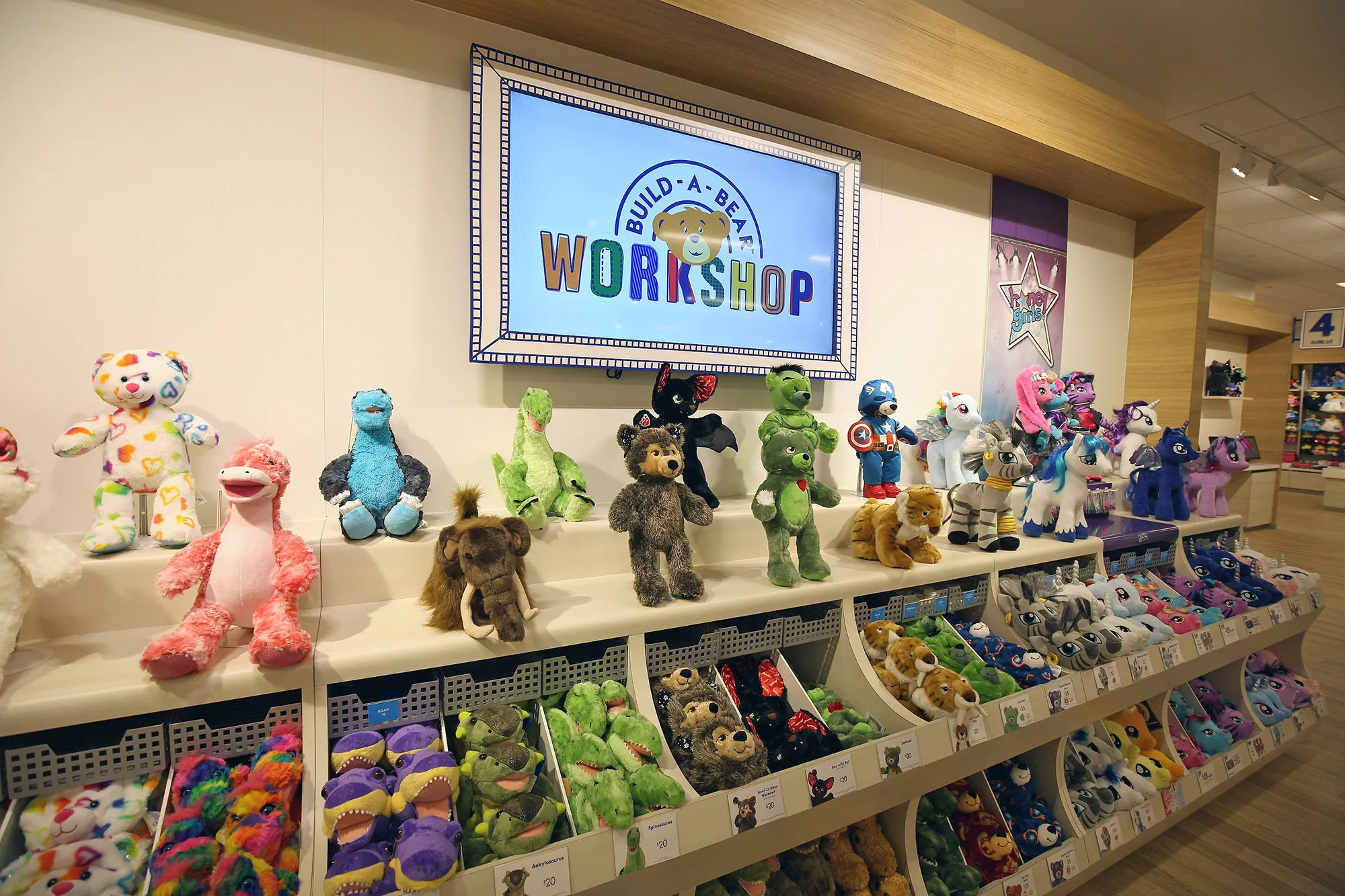
This article will dissect the multifaceted financial aspects of Build-A-Bear, examining the costs associated with the in-store experience, the company’s standing in the stock market, and the investment required to be part of its global retail presence.
The Consumer Experience: What Does It Cost to Build a Friend?
For many, the first interaction with the Build-A-Bear brand is as a customer, carefully selecting, stuffing, and accessorizing a new friend. The “how much” here refers to the out-of-pocket expense for this unique retail experience, which is often more than simply purchasing a pre-made toy.
Basic Bear Building: The Entry Point
The foundation of the Build-A-Bear experience begins with selecting the plush animal itself. The starting price for a basic, unstuffed animal typically ranges from approximately $15 to $30 USD, though this can vary by specific character, size, and promotional offers. This initial cost usually includes the chosen plush, the stuffing process (guided by an associate), the iconic “heart ceremony” where a heart is placed inside the bear, and a birth certificate for the new friend. This baseline price offers the core value proposition of customization and participation, distinguishing it from simply buying a toy off a shelf. Prices may differ significantly in international markets due to local currency conversions, import duties, and regional pricing strategies. For example, a bear that costs $20 in the United States might be priced differently in the UK, Canada, or Japan, reflecting diverse market conditions and operating expenses.
Personalization & Accessories: The Upsell Factor
While the basic bear provides a complete experience, a significant portion of Build-A-Bear’s revenue, and the customer’s total spend, comes from personalization and accessories. This is where the price can quickly escalate. Outfits, ranging from everyday casual wear to elaborate costumes and licensed character apparel, can add anywhere from $10 to $30 or more per item. Beyond clothing, customers can choose from a wide array of accessories: shoes, hats, sunglasses, backpacks, and even miniature electronic sound chips that play pre-recorded phrases or allow for custom voice recordings. These accessories typically range from $5 to $15 each. Scents, which infuse the bear with various fragrances, and additional plush accessories like miniature pets or other items the bear can hold, further contribute to the total. Special edition or licensed characters (e.g., from Disney, Marvel, Pokémon, or popular movie franchises) often carry a premium price point, sometimes starting closer to $30-$40 for the bare plush itself, before any additions. It’s common for a fully customized Build-A-Bear with an outfit and a few accessories to cost between $40 and $70, and potentially upwards of $100 for premium characters with extensive customization.
Value Proposition: Beyond the Price Tag
The financial analysis of the consumer experience wouldn’t be complete without considering its value proposition. While the cost may be higher than a generic plush toy, customers are paying for more than just the product. They are investing in an interactive, memorable experience that fosters creativity and emotional connection. For children, the process of creating their own toy from scratch, participating in the “heart ceremony,” and receiving a birth certificate transforms a simple purchase into a cherished memory. This experiential value is particularly significant in the gift market, where a Build-A-Bear often serves as a unique and thoughtful present. Furthermore, the ability to customize and accessorize allows for a deeper personal connection, enhancing the toy’s sentimental value. For parents organizing birthday parties, Build-A-Bear offers a structured, engaging activity that also provides a party favor, simplifying event planning while creating lasting keepsakes for attendees. This blend of product and experience justifies the price point for many consumers.
Build-A-Bear Workshop as an Investment: Valuing the Public Company (BBW)
Beyond the retail transaction, “how much is Build-A-Bear Workshop?” can refer to the company’s valuation as a publicly traded entity on the stock market. For investors, this translates to understanding its market capitalization, financial performance, and future growth prospects.
Stock Market Performance & Market Capitalization
Build-A-Bear Workshop, Inc. is traded on the New York Stock Exchange under the ticker symbol BBW. Its market capitalization represents the total value of all its outstanding shares and is a key metric for understanding the company’s size and market valuation. Market capitalization is calculated by multiplying the current share price by the total number of shares outstanding. This figure fluctuates daily based on investor sentiment, company performance, and broader economic conditions. Over its history as a public company, BBW’s stock performance has seen periods of significant growth, challenges, and recovery, particularly demonstrating resilience and strategic adaptation in the wake of retail shifts and economic downturns, such as the COVID-19 pandemic which forced a rapid pivot to e-commerce. Factors such as strong quarterly earnings, successful new product launches, strategic partnerships, and favorable retail trends can drive the stock price up, while missed earnings targets, economic recessions, or increased competition can exert downward pressure.
Financial Health & Key Metrics
Assessing the financial health of Build-A-Bear Workshop involves scrutinizing key metrics from its financial statements. Revenue streams are primarily generated through in-store sales of plush animals and accessories, online sales via its robust e-commerce platform, and licensing agreements with other brands. Profitability is measured through metrics like net income (the company’s profit after all expenses, including taxes), and earnings per share (EPS), which indicates how much profit the company makes per outstanding share. Investors also look at the balance sheet to understand the company’s assets (e.g., cash, inventory, property) versus its liabilities (e.g., debt). A strong balance sheet indicates financial stability and the ability to weather economic challenges. Cash flow statements reveal how much cash the company is generating from its operations, investing activities, and financing activities, providing insights into liquidity and solvency. These metrics collectively paint a picture of Build-A-Bear’s operational efficiency, financial stability, and potential for sustainable growth, all of which contribute to its overall market valuation.
Investor Considerations: Growth & Challenges
Investors considering BBW typically analyze its growth strategies and potential challenges. Build-A-Bear has actively pursued growth through enhancing its e-commerce capabilities, expanding its physical footprint into new types of locations (e.g., tourist attractions, smaller format stores), and fostering international expansion through partnerships. Licensing deals with popular franchises have also been a significant driver of revenue and brand relevance. On the flip side, the company faces inherent challenges common to the retail sector, including intense competition from other toy manufacturers and experiential retail concepts, the ever-changing consumer preferences, and the broader economic climate which can impact discretionary spending. The evolving retail landscape, with a continuous shift towards online shopping, also necessitates ongoing investment in digital infrastructure and marketing. For investors, the balance between these growth opportunities and inherent risks shapes their perception of Build-A-Bear’s long-term value and its “worth” in the market.

The Business Opportunity: Cost of Ownership (Franchising)
Another interpretation of “how much is Build-A-Bear Workshop?” arises for entrepreneurs interested in becoming part of the brand’s retail network. While many stores in North America are company-owned, Build-A-Bear does engage in international franchising, offering opportunities for business owners to open their own workshops abroad.
Franchise Model Overview
Build-A-Bear Workshop operates a hybrid model, primarily with company-owned stores in key markets like the United States, Canada, and the United Kingdom, but also utilizing a franchise model for international expansion in other regions. This allows the brand to leverage local market expertise and capital from independent business owners while maintaining brand consistency and product standards. For potential franchisees, the investment is not just in opening a store, but in buying into a proven business system, brand recognition, and ongoing operational support. The specifics of the franchise agreement, including the initial franchise fee and ongoing royalties, are crucial elements that define the financial commitment.
Initial Investment & Setup Costs
The initial investment required to open a Build-A-Bear Workshop franchise can be substantial and varies significantly depending on the location, size of the store, and existing market conditions. Components of this initial outlay typically include:
- Franchise Fee: An upfront payment made to the franchisor for the rights to operate under the brand’s name and system. This can range from tens of thousands to over a hundred thousand dollars.
- Leasehold Improvements: Costs associated with designing and building out the retail space to meet Build-A-Bear’s brand specifications, including fixtures, signage, and interior décor. These costs can be highly variable based on the raw space and local construction costs.
- Equipment: Purchase of necessary operational equipment, such as stuffing machines, point-of-sale (POS) systems, computers, and security systems.
- Initial Inventory: The cost of the opening stock of plush animals, outfits, accessories, and supplies.
- Working Capital: Funds set aside to cover initial operating expenses (rent, utilities, payroll, marketing) for the first few months before the business achieves significant cash flow.
- Training & Grand Opening Marketing: Costs associated with franchisee and staff training, as well as local marketing efforts to launch the new store.
Based on typical retail franchise models, a Build-A-Bear Workshop franchise could require an initial investment ranging from approximately $200,000 to over $500,000 USD, though exact figures would be detailed in the Franchise Disclosure Document (FDD) and vary by territory.
Ongoing Royalties & Operating Expenses
Beyond the initial setup, franchisees incur ongoing costs to operate the business.
- Royalty Fees: A percentage of gross sales paid regularly (e.g., weekly or monthly) to the franchisor for the continued use of the brand name, system, and ongoing support. This typically ranges from 4% to 8% of gross revenues.
- Marketing Contributions: Often, franchisees are required to contribute a percentage of their sales to a national or regional advertising fund, which supports broader brand marketing efforts.
- Operational Costs: These include recurring expenses such as rent, utilities, payroll for staff, insurance, inventory replenishment, local marketing, and maintenance. Managing these costs efficiently is critical for a franchisee’s profitability.
Understanding these financial commitments, both upfront and ongoing, is vital for any prospective franchisee to determine the true “cost” of owning a Build-A-Bear Workshop and its potential for return on investment.
The Evolving Financial Landscape of Build-A-Bear Workshop
Build-A-Bear’s financial picture is dynamic, shaped by its strategic responses to market shifts, technological advancements, and evolving consumer behavior. Its “worth” and operational costs are continually recalibrated by these adaptations.
Adapting to Digital Commerce
The advent of robust e-commerce platforms has significantly impacted Build-A-Bear’s financial strategy. The company has invested heavily in its online presence, allowing customers to build bears virtually and have them shipped directly to their homes. This shift has diversified revenue streams beyond traditional brick-and-mortar sales, potentially increasing reach and sales volume. Financially, it entails investments in website development, logistics, digital marketing, and cybersecurity, but also offers advantages such as lower overhead costs compared to physical stores, scalability, and access to a global customer base. An omnichannel approach, seamlessly integrating online and in-store experiences, has been critical in maximizing sales and customer engagement, demonstrating adaptability to modern retail demands.
Brand Licensing & Partnerships
A significant aspect of Build-A-Bear’s financial strategy involves strategic brand licensing and partnerships. Collaborations with popular entertainment franchises (e.g., Star Wars, Harry Potter, Nintendo) allow Build-A-Bear to offer highly sought-after licensed characters and accessories. Financially, these partnerships are mutually beneficial: Build-A-Bear gains access to a broader fan base and new revenue streams, while the licensor receives royalties. This model enables Build-A-Bear to expand its product line and appeal without significant upfront capital investment in intellectual property development. These premium-priced, limited-edition collections often drive foot traffic and online engagement, boosting overall sales and profitability.
Retail Footprint & Real Estate Strategy
Build-A-Bear’s choice of store locations significantly influences its operational costs and revenue potential. Historically situated in traditional shopping malls, the company has diversified its retail footprint. This includes opening locations in high-traffic tourist destinations, entertainment venues, and smaller-format stores. This real estate strategy impacts rental expenses, which are a major operational cost for any retailer. Optimizing store size, negotiating favorable lease agreements, and strategically placing stores where customer engagement is highest are critical financial decisions. The move towards more experiential, smaller footprints can reduce occupancy costs while maintaining the brand’s unique interactive experience, contributing to improved store-level profitability.

Conclusion
The question “how much is Build-A-Bear Workshop?” is far from simple, revealing a fascinating intersection of consumer economics, corporate finance, and entrepreneurial opportunity. From the perspective of a customer, it represents the price of a personalized, memorable experience, typically ranging from $40 to $70 or more. For investors, it refers to the multi-million dollar market capitalization of a publicly traded company (BBW), influenced by its financial health, growth strategies, and market dynamics. And for prospective business owners, it outlines a significant initial investment and ongoing operational costs tied to the international franchise model.
Build-A-Bear Workshop has skillfully navigated an evolving retail landscape by adapting to digital commerce, forging strategic partnerships, and optimizing its physical presence. This adaptability underpins its enduring value, not just as a beloved brand but as a financially viable entity. Ultimately, the “worth” of Build-A-Bear Workshop is a dynamic figure, reflecting its ability to generate revenue, create value, and adapt across multiple economic dimensions.
aViewFromTheCave is a participant in the Amazon Services LLC Associates Program, an affiliate advertising program designed to provide a means for sites to earn advertising fees by advertising and linking to Amazon.com. Amazon, the Amazon logo, AmazonSupply, and the AmazonSupply logo are trademarks of Amazon.com, Inc. or its affiliates. As an Amazon Associate we earn affiliate commissions from qualifying purchases.