
While often discussed in the same breath, Vitamin B12 and the broader B Complex are distinct entities within the realm of nutritional science. Understanding their individual roles and their collective significance is crucial for optimizing health and making informed dietary and supplementation choices. This article will delve into the intricacies of Vitamin B12 and the B Complex, exploring their biochemical functions, dietary sources, and the implications of deficiencies.
Understanding the B Vitamins: A Family of Essential Nutrients
The B vitamins, as a group, are a collection of water-soluble nutrients that play indispensable roles in a myriad of bodily processes. They are not a single compound but rather a family of eight distinct vitamins, each with its own unique chemical structure and function. Collectively, they are vital for energy metabolism, nerve function, red blood cell formation, and the synthesis of DNA.

The Eight Members of the B Complex Family
The B Complex encompasses the following eight vitamins:
- Vitamin B1 (Thiamine): Crucial for carbohydrate metabolism, converting food into energy, and essential for nerve, muscle, and heart function.
- Vitamin B2 (Riboflavin): Also involved in energy production, it aids in the breakdown of fats, drugs, and steroids. It’s also important for normal vision and healthy skin.
- Vitamin B3 (Niacin): Plays a significant role in energy metabolism, DNA repair, and the production of hormones and cholesterol.
- Vitamin B5 (Pantothenic Acid): Essential for synthesizing coenzyme A (CoA), which is vital for fatty acid metabolism and the production of cholesterol and steroid hormones.
- Vitamin B6 (Pyridoxine): Involved in over 100 enzyme reactions, primarily related to protein metabolism. It’s also important for brain development and function.
- Vitamin B7 (Biotin): Often referred to as the “beauty vitamin,” biotin is crucial for the metabolism of carbohydrates, fats, and amino acids, and is important for healthy hair, skin, and nails.
- Vitamin B9 (Folate/Folic Acid): Essential for DNA synthesis and repair, cell division, and red blood cell formation. It’s particularly critical during pregnancy for fetal development.
- Vitamin B12 (Cobalamin): The star of our discussion, Vitamin B12, has unique properties and functions that set it apart.
While all B vitamins are essential and work synergistically, Vitamin B12 holds a special place due to its complex structure, its primary sources, and the particular health implications associated with its deficiency.
Vitamin B12: A Unique Nutrient with Critical Functions
Vitamin B12, also known as cobalamin, is the most chemically complex of all vitamins. It is the only vitamin that contains a metal atom, cobalt, hence the name “cobalamin.” This unique characteristic contributes to its vital roles in the body.
Key Roles of Vitamin B12
Vitamin B12 is primarily involved in two critical biochemical reactions in the human body:
- Red Blood Cell Formation: B12 is essential for the production of healthy red blood cells. It works in conjunction with folate (B9) to ensure that red blood cells are produced in sufficient numbers and are of the correct size and shape. A deficiency in either B12 or folate can lead to megaloblastic anemia, a condition characterized by abnormally large and immature red blood cells, which impairs oxygen transport.
- Nerve Function and Myelin Sheath Maintenance: B12 is absolutely crucial for the proper functioning of the nervous system. It plays a vital role in the synthesis of myelin, a fatty substance that insulates nerve fibers. This insulation allows for efficient transmission of nerve impulses. Without adequate B12, the myelin sheath can degenerate, leading to neurological problems such as tingling, numbness, balance issues, and even more severe cognitive impairments.
Dietary Sources of Vitamin B12: Animal-Based Foods
A distinguishing feature of Vitamin B12 is that it is primarily found in animal-based foods. This is because B12 is synthesized by microorganisms (bacteria and archaea) that live in the gut of animals. Therefore, humans obtain B12 by consuming animal products or through fortified foods.
- Meat and Poultry: Beef, lamb, liver, and chicken are excellent sources of B12.
- Fish and Shellfish: Salmon, tuna, clams, and oysters are particularly rich in B12.
- Dairy Products: Milk, cheese, and yogurt contain B12.
- Eggs: A good source of B12, especially the yolk.
For individuals following a vegan or strictly vegetarian diet, obtaining sufficient B12 from natural food sources can be challenging. Fortified foods, such as plant-based milks, cereals, and nutritional yeast, or B12 supplements are often necessary to prevent deficiency.
The B Complex: A Synergistic Network of Nutrients
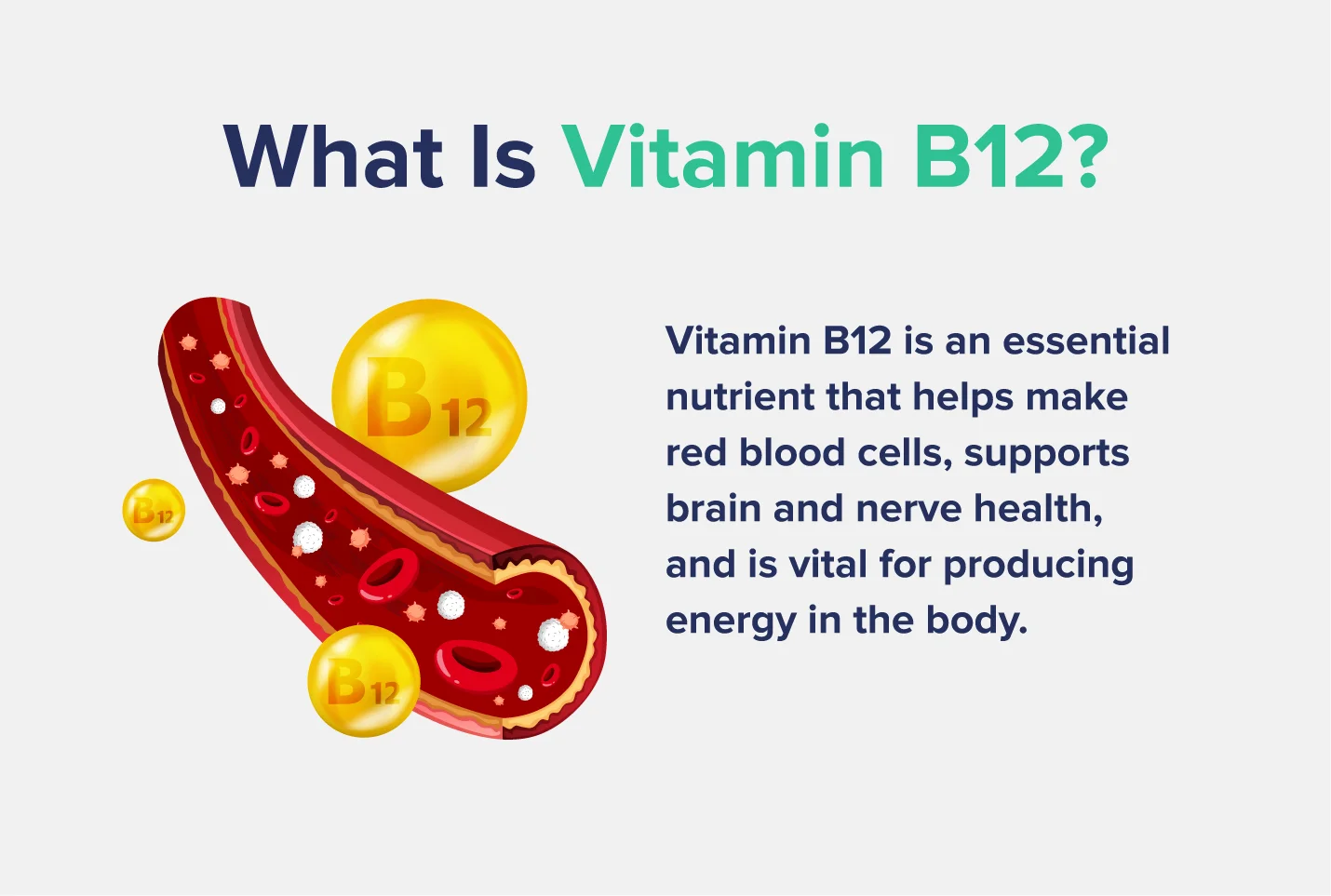
The B Complex, as a whole, refers to the group of eight water-soluble vitamins. While each vitamin has its specific functions, they often work together in a synergistic manner, particularly in energy metabolism. Think of them as a team, where each member’s contribution is vital for the overall success of the group.
Collective Functions of the B Complex
The B Complex plays a central role in converting the food we eat into usable energy for our cells. This process, known as cellular metabolism, involves numerous enzymatic reactions, and B vitamins act as coenzymes, assisting these enzymes in their work.
- Energy Production: Thiamine (B1), riboflavin (B2), niacin (B3), pantothenic acid (B5), and pyridoxine (B6) are all directly involved in the metabolic pathways that break down carbohydrates, fats, and proteins to release energy. Biotin (B7) also plays a role in this process.
- Neurotransmitter Synthesis: Several B vitamins, including B6, B12, and folate, are crucial for the synthesis of neurotransmitters, chemical messengers in the brain that regulate mood, sleep, and cognitive function.
- DNA Synthesis and Repair: Folate (B9) and B12 are indispensable for the synthesis and repair of DNA, the genetic blueprint of our cells. This is why they are particularly important for rapidly dividing cells, such as those in the bone marrow and during fetal development.
- Cardiovascular Health: Folate, B6, and B12 work together to metabolize homocysteine, an amino acid that, when elevated, is linked to an increased risk of heart disease.
B Complex Supplements: A Holistic Approach
B Complex supplements typically contain a blend of several or all of the eight B vitamins. These supplements are often marketed to support energy levels, reduce stress, improve mood, and promote healthy nerve function. The rationale behind a B Complex supplement is that these vitamins work synergistically, and an imbalance or deficiency in one B vitamin can impact the utilization and effectiveness of others.
For individuals who may not be getting adequate B vitamins from their diet, or who have increased demands due to stress, illness, or pregnancy, a B Complex supplement can be a convenient way to ensure sufficient intake of this essential group of nutrients.
Distinguishing Between B12 and B Complex: Key Differences
While both Vitamin B12 and the B Complex are vital for health, understanding their distinct roles and compositions is key.
Composition and Scope
- Vitamin B12 (Cobalamin): This refers to a single, specific vitamin. It is one component within the larger B Complex family.
- B Complex: This is a general term that refers to a group of eight distinct B vitamins, including B1, B2, B3, B5, B6, B7, B9, and B12.
Primary Focus of Function
- Vitamin B12: Its most distinct and critical roles lie in red blood cell formation and neurological health, specifically the maintenance of the myelin sheath. While it participates in energy metabolism, these two functions are where its unique importance is most pronounced.
- B Complex: As a collective, the B Complex is primarily associated with energy metabolism, converting food into energy. They also play broad roles in nerve function, DNA synthesis, hormone production, and cellular health across the board.
Dietary Sources and Supplementation Considerations
- Vitamin B12: Primarily found in animal-based foods. Vegans and strict vegetarians are at higher risk of deficiency and often require supplementation or fortified foods.
- B Complex: Found in a wider range of foods, including whole grains, legumes, leafy green vegetables, eggs, dairy, and meat. However, modern diets and processing can sometimes lead to lower intakes of various B vitamins. B Complex supplements offer a broad spectrum of these vitamins.

Deficiency Symptoms
While some deficiency symptoms can overlap (e.g., fatigue, neurological issues), the specific presentation can often point towards a particular B vitamin deficiency.
- Vitamin B12 Deficiency: Hallmarks include pernicious anemia, significant neurological symptoms (numbness, tingling, cognitive impairment, memory loss), and sometimes a smooth, sore tongue.
- B Complex Deficiency (general): Symptoms can be more varied and less specific, often manifesting as fatigue, irritability, skin rashes, cracked lips, and poor concentration, depending on which specific B vitamin(s) are lacking. For instance, a significant B1 (thiamine) deficiency can lead to beriberi, affecting the cardiovascular and nervous systems.
In essence, Vitamin B12 is a specific, highly important member of the B Complex family, distinguished by its unique nutrient source, complex chemical structure, and critical roles in blood formation and nerve health. The B Complex, on the other hand, represents the collective and synergistic functions of all eight B vitamins, vital for overall cellular health and energy production. Understanding these nuances allows for targeted dietary strategies and supplementation, ensuring optimal well-being.
aViewFromTheCave is a participant in the Amazon Services LLC Associates Program, an affiliate advertising program designed to provide a means for sites to earn advertising fees by advertising and linking to Amazon.com. Amazon, the Amazon logo, AmazonSupply, and the AmazonSupply logo are trademarks of Amazon.com, Inc. or its affiliates. As an Amazon Associate we earn affiliate commissions from qualifying purchases.