
In the hyper-competitive landscape of the beauty and personal care industry, few products have undergone a more radical transformation than the humble hydrocolloid bandage. Once a clinical tool tucked away in the first-aid aisle for blister care, it has been reimagined and rebranded as the “pimple patch.” But when we ask, “What does a pimple patch do?” from a brand strategy perspective, the answer goes far beyond drawing out impurities from a blemish.
The pimple patch represents a masterclass in category creation, psychological marketing, and the shifting of cultural narratives. It is a case study in how a brand can take a generic medical commodity and turn it into a high-margin, “must-have” lifestyle accessory. By analyzing the branding mechanics behind this phenomenon, we can uncover how modern companies leverage design, identity, and consumer psychology to dominate a niche.

The Evolution of a Commodity: From Medical Supplies to Lifestyle Essentials
At its core, a pimple patch is a functional tool. However, functionality is rarely enough to build a billion-dollar category. The success of the pimple patch lies in its transition from a sterile medical supply to a lifestyle essential that consumers are proud to display.
The Hydrocolloid Origins and the “Problem-Solution” Framework
For decades, hydrocolloid technology was used by medical professionals to create a moist environment for wound healing. The branding challenge was that “hydrocolloid” is a clinical, unapproachable term. Early movers in the skincare space recognized that by rebranding this technology specifically for acne, they could create a clear “problem-solution” framework.
A brand doesn’t just sell a bandage; it sells the “Mighty Patch” or the “Hydro-Star.” This nomenclature shifts the focus from the material science to the promised outcome. In branding, the name is the first touchpoint of trust. By moving away from clinical jargon and toward action-oriented naming conventions, brands lowered the barrier to entry for the average consumer.
Shifting the Narrative from Concealment to Celebration
Perhaps the most significant branding achievement of the pimple patch is the destruction of the “acne stigma.” Traditionally, acne products were designed to be invisible. They were medicated creams that dried clear or concealers meant to mask “imperfections.”
Pimple patch brands like Starface flipped this narrative entirely. Instead of making a patch that blended into the skin, they made bright yellow stars. This was a strategic move in personal branding for the consumer. It turned a perceived flaw into a fashion statement. In the world of brand strategy, this is known as “reframing.” By changing the visual language of the product, brands transformed a moment of insecurity into a moment of self-expression.
Visual Identity and the “Selfie-Ready” Marketing Strategy
In the age of Instagram and TikTok, a product’s success is often tied to its “shareability.” The pimple patch was engineered for the digital gaze. When a consumer asks what a pimple patch does, the brand’s visual identity answers: “It makes you look good while you heal.”
Making Acne Aesthetic
Visual identity is the cornerstone of brand strategy. Brands like Peace Out Skincare and Hero Cosmetics utilized clean, bold typography and vibrant color palettes that stood out on a crowded Sephora shelf. This was a deliberate departure from the medicinal, white-and-teal aesthetics of legacy brands like Neutrogena or Clearasil.
By making the patches themselves aesthetically pleasing—whether through cute shapes or holographic finishes—brands turned a routine skincare step into a content creation opportunity. When a consumer wears a star-shaped patch in a selfie, they are effectively becoming a brand ambassador. This is organic marketing at its most potent; the product itself becomes the advertisement.
The Power of User-Generated Content (UGC)
Brand strategy today relies heavily on social proof. Pimple patches are uniquely suited for User-Generated Content because they offer a “reveal.” The “gunk” left on the patch after use provides a visceral, satisfying visual of the product “working.”
Brands have leaned into this “satisfaction” factor. By encouraging users to share their results, they capitalize on the psychological phenomenon of “closeness to the result.” The brand is no longer just telling the consumer that the product works; the community is showing it. This builds a feedback loop of trust and authenticity that traditional television commercials can no longer achieve.
Targeted Brand Positioning: Solving the Modern Consumer’s Pain Points
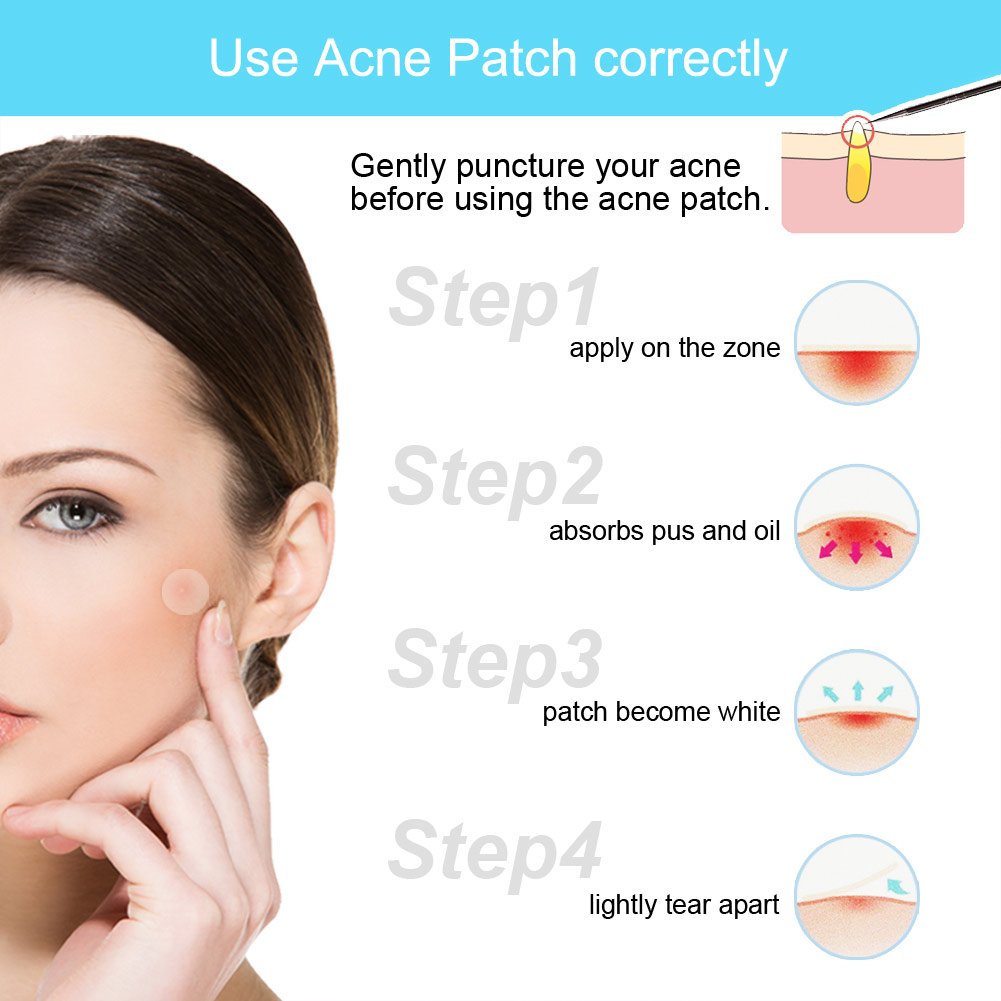
Effective branding identifies a specific psychological pain point and offers a curated solution. For the Gen Z and Millennial demographic, these pain points are often rooted in the need for instant gratification and the desire for “skinimalism.”
Instant Gratification in the Digital Age
We live in an era of high-speed delivery and instant feedback. Traditional acne treatments can take weeks to show results, which creates a branding disconnect with the modern consumer. Pimple patches, however, work overnight.
The branding of these products emphasizes the “overnight miracle.” This positioning aligns the product with the consumer’s lifestyle—it is fast, efficient, and requires minimal effort. By marketing the patch as a “set-it-and-forget-it” solution, brands tap into the consumer’s desire for friction-less self-care.
Minimalism and the “Skinimalism” Trend
The rise of “Skinimalism”—the trend of using fewer, more effective products—provided the perfect backdrop for pimple patch brands to thrive. Rather than a 10-step routine that risks irritating the skin barrier, the pimple patch is marketed as a targeted, gentle alternative.
Strategic positioning here involves the brand acting as a “protector.” The patch does more than just heal; it prevents the user from picking at their skin. This pivots the brand’s role from a simple vendor to a behavioral coach. By positioning the product as a tool for “mindful skincare,” brands align themselves with the broader wellness movement, increasing their perceived value and justifying premium price points.
Case Studies: Brands That Redefined the Category
To understand the full scope of what a pimple patch does for a brand’s bottom line, we must look at the pioneers who defined the market.
Starface: The Power of Playfulness
Starface is perhaps the most iconic example of brand-led category disruption. Before Starface, pimple patches were trying to be invisible. Starface launched with a bright yellow, star-shaped “Big Yellow” case. They didn’t target the “sufferer” of acne; they targeted the “collector” of experiences.
Their strategy was to lean into “drop culture,” similar to streetwear brands like Supreme. By releasing limited-edition shapes and collaborations (such as Hello Kitty or Sesame Street), Starface turned a medical necessity into a collectible item. This created brand loyalty that transcends the product’s function. Consumers don’t just buy Starface because they have a pimple; they buy it because they want to belong to the Starface universe.
Hero Cosmetics: The Clinical Authority
On the opposite end of the spectrum is Hero Cosmetics. Their brand strategy focused on clinical efficacy and accessibility. While Starface went for playfulness, Hero went for the “hero” archetype—the reliable, efficacious savior of your skin.
Hero Cosmetics’ success came from their brilliant retail strategy. By moving from D2C (Direct-to-Consumer) to mass-market retailers like Target very early on, they positioned themselves as the “approachable expert.” Their packaging is clean, professional, and results-oriented. They successfully branded the “Mighty Patch” as the gold standard, creating a sense of authority that allows them to defend their market share against cheaper, generic alternatives.
The Future of Patch Branding: Beyond the Pimple
The success of the pimple patch has provided a blueprint for horizontal brand expansion. When a brand successfully owns the “patch” real estate on a consumer’s face, they gain the permission to expand into other areas of the consumer’s life.
Horizontal Expansion and Brand Loyalty
We are already seeing brands use the “patch” format for delivery systems beyond acne. There are now patches for wrinkles (micro-dart technology), dark spots, and even vitamin delivery or sleep aids. The branding lesson here is about “form factor loyalty.”
If a consumer trusts a brand to deliver an acne solution via a patch, they are significantly more likely to trust that same brand for a different concern using the same delivery method. This allows brands to increase their Lifetime Value (LTV) per customer by expanding their product line while maintaining a consistent brand identity.

Conclusion: The Brand is the Product
In the final analysis, what a pimple patch “does” is provide a tangible example of how strategic branding can breathe life into a stagnant product category. It proves that with the right visual identity, a deep understanding of consumer psychology, and a willingness to challenge cultural stigmas, a brand can turn a small piece of hydrocolloid into a global cultural phenomenon.
The pimple patch isn’t just a skincare product; it is a badge of a new era of consumerism—one that prizes transparency, self-expression, and the transformation of the mundane into the extraordinary. For any brand strategist or marketer, the rise of the pimple patch serves as a reminder that the most powerful tool in your arsenal isn’t the technology behind your product—it’s the story you tell about it.
aViewFromTheCave is a participant in the Amazon Services LLC Associates Program, an affiliate advertising program designed to provide a means for sites to earn advertising fees by advertising and linking to Amazon.com. Amazon, the Amazon logo, AmazonSupply, and the AmazonSupply logo are trademarks of Amazon.com, Inc. or its affiliates. As an Amazon Associate we earn affiliate commissions from qualifying purchases.