
When upgrading a home’s electrical infrastructure or designing a new build, the choice of a load center—commonly known as a breaker box—is one of the most critical technical decisions a homeowner or developer can make. In the world of electrical engineering and residential power distribution, Square D, a brand under the Schneider Electric umbrella, stands as the industry benchmark. However, even within this premium brand, a significant divide exists between its two primary product lines: the Homeline and the QO (Quick-Open) series.
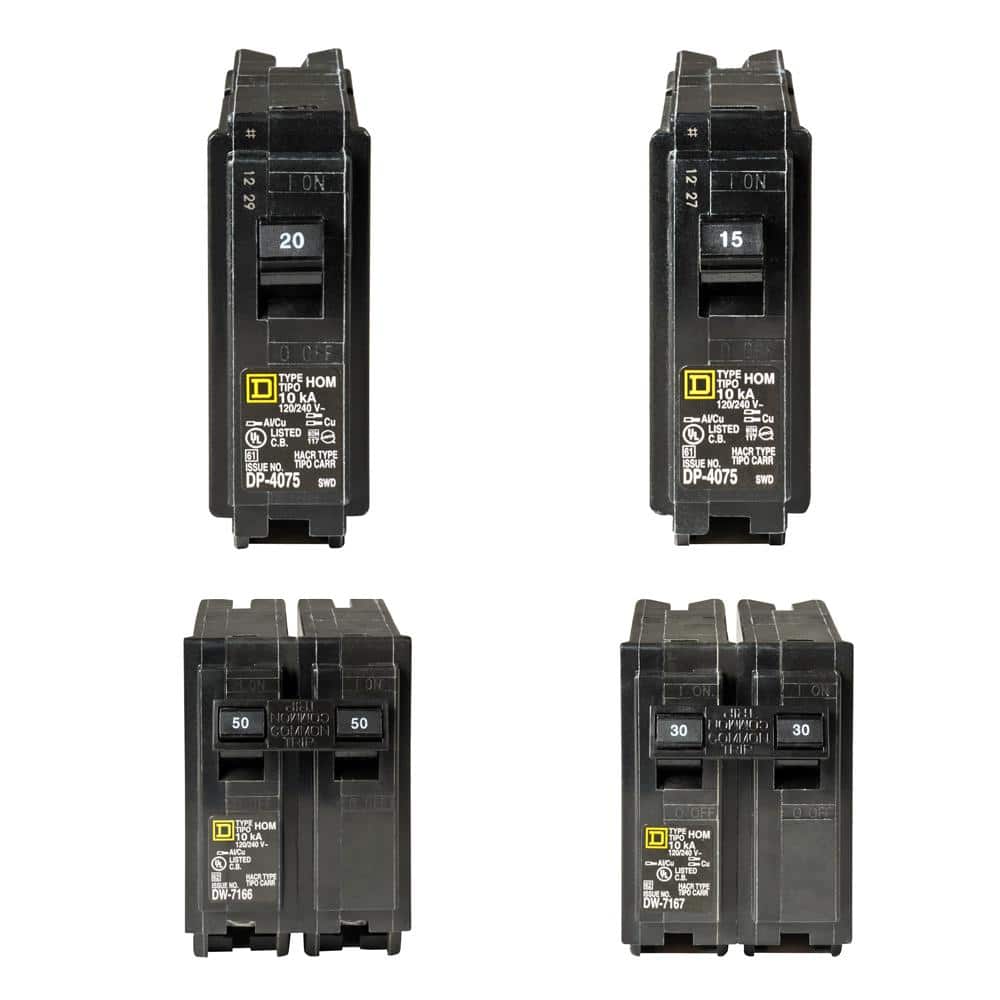
Understanding the difference between these two systems requires more than a superficial glance at price tags. It involves a deep dive into metallurgy, physical form factors, proprietary safety features, and the long-term reliability of the hardware that protects every gadget and appliance in a modern smart home.
Engineering Excellence: The Architectural Philosophy of Square D
Square D has maintained a dominant market position for decades, largely due to its commitment to rigorous testing and modular design. To the uninitiated, all electrical panels look like grey metal boxes filled with switches. To a technophile or a professional electrician, these boxes represent the central processing unit of the home’s energy.
The philosophy behind having two distinct lines is rooted in market segmentation. The Homeline series is engineered specifically for the residential market, prioritizing cost-efficiency without compromising the fundamental safety standards required by the National Electrical Code (NEC). On the other hand, the QO series is built to a “specification grade” standard. This means it is designed to meet the more grueling demands of commercial and industrial environments, while remaining sized and priced for high-end residential use.
The Evolution of the Load Center
The transition from old-fashioned fuse boxes to circuit breakers was the first major “tech” leap in home safety. Square D’s innovation continued with the development of the “Plug-on Neutral” system, a technology now found in both lines, which eliminates the need for pigtail wires on Arc Fault Circuit Interrupter (AFCI) and Ground Fault Circuit Interrupter (GFCI) breakers. This reduces clutter within the box, allowing for better airflow and easier troubleshooting—critical factors when managing a home full of sensitive electronics.
Technical Comparison: The Hardware Specifications
To understand why a QO breaker cannot fit into a Homeline panel, and vice versa, one must look at the physical and chemical properties of the hardware.
Bus Bar Materials and Conductivity
The bus bar is the backbone of the load center; it is the conductive metal rail that distributes power from the main lugs to the individual circuit breakers. This is where one of the most significant technical differences lies.
The Square D Homeline series typically utilizes aluminum bus bars that are tin-plated. Aluminum is a highly efficient conductor and is significantly lighter and more affordable than copper. The tin plating is a critical technical addition, as it prevents the oxidation that plagued early aluminum wiring in the mid-20th century.
In contrast, the QO series features a shielded copper bus bar. Copper is the gold standard for electrical conductivity. It has lower electrical resistance than aluminum, meaning it generates less heat under heavy loads and offers superior longevity in high-humidity or corrosive environments. For a home packed with high-draw technology—servers, electric vehicle chargers, and high-end HVAC systems—the thermal efficiency of copper provides an extra layer of structural integrity.
The Visi-Trip Advantage
One of the most recognizable “tech” features in the electrical industry is the Square D QO Visi-Trip indicator. When a QO breaker trips, a highly visible neon-red indicator window appears in the center of the breaker handle.
In a standard Homeline breaker, a tripped state is indicated by the handle moving to a middle position, which can sometimes be difficult to distinguish from the “off” position in low-light conditions. The Visi-Trip system is a mechanical diagnostic tool that allows users to instantly identify which circuit has failed. In a dark utility room or a cramped basement, this small piece of engineering significantly improves the user interface of the electrical system.
Physical Footprint and Breaker Size
The form factor of the breakers themselves is a major point of divergence. QO breakers are 3/4-inch wide, making them more compact than the industry-standard 1-inch wide breakers used in the Homeline series.
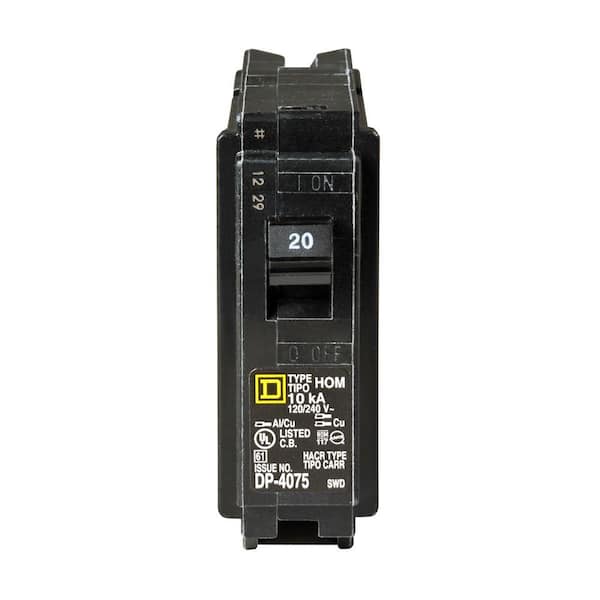
This 1/4-inch difference might seem negligible, but it has massive implications for “panel density.” Because QO breakers are narrower, the enclosures can often be smaller while housing the same number of circuits, or conversely, a standard-sized enclosure can accommodate a higher density of technical components. This makes the QO series the preferred choice for sophisticated “gadget-heavy” homes where space in the mechanical room is at a premium.
Smart Home Integration and Electrical Safety Tech
Modern residential tech goes far beyond smart bulbs; it includes the protective hardware that prevents those bulbs—and the expensive computers they illuminate—from being fried by a power surge or a micro-arc.
Plug-on Neutral Technology
Both the Homeline and QO series have transitioned toward “Plug-on Neutral” (PoN) designs. Traditionally, AFCI and GFCI breakers required a white “pigtail” wire to connect to the neutral bar. This created a “rat’s nest” of wiring that made it difficult to inspect connections.
The PoN technology is a leap forward in panel organization. The neutral bar is integrated directly into the bus assembly. When you “plug” the breaker in, it automatically connects to both the hot bus and the neutral bar. This hardware-level integration reduces the number of potential failure points (loose wire nuts or terminal screws) and simplifies the installation of smart monitoring hardware, such as the Sense home energy monitor or Schneider’s own Wiser Energy system.
Surge Protection at the Source
As we fill our homes with sensitive microprocessors—found in everything from refrigerators to smart thermostats—the threat of transient voltage surges becomes more acute. Both Homeline and QO offer Whole Home Surge Protective Devices (SPDs) that occupy two slots in the panel.
However, the QO series often offers higher-rated surge modules and more robust integration options for secondary surge protection. By stopping a surge at the load center, you protect the internal circuitry of every gadget in the house, a much more efficient technical solution than relying on individual power strips.
Choosing the Right Interface for Your Infrastructure
Deciding between Homeline and QO is ultimately a question of matching the hardware to the intended lifecycle of the building’s technology stack.
Residential Standard vs. Specification Grade
The Square D Homeline is the “consumer-grade” flagship. It is reliable, meets all safety codes, and is available at every major hardware retailer. It is the ideal choice for standard residential applications where budget is a factor, but quality cannot be sacrificed. It is the “Pro” version of a standard consumer product.
The QO series, however, is the “Enterprise” solution. Its use of copper, its compact form factor, and the Visi-Trip diagnostic window make it the choice for mission-critical residential environments. If you are running a home office with expensive server racks, a high-end home theater, or a sophisticated automation system, the QO series provides the industrial-strength foundation those technologies require.
Long-term Reliability and Lifecycle
From a technical maintenance perspective, the QO series often commands a higher resale value for the home because professionals recognize the “QO” logo as a sign of premium infrastructure. Because copper is more resistant to the expansion and contraction cycles caused by heating and cooling (thermal cycling), the connections in a QO panel tend to remain tighter for longer periods compared to aluminum-based systems.

Conclusion: Making an Informed Technical Decision
The difference between Square D Homeline and QO is a classic example of the “good vs. better” engineering paradigm. The Homeline series is a robust, technologically sound product that has brought high-quality electrical distribution to millions of homes at an accessible price point. Its 1-inch format and tin-plated aluminum bus bars are more than sufficient for the vast majority of modern living requirements.
However, for those who view their home’s electrical system as a piece of high-performance hardware, the QO series offers undeniable technical advantages. The 3/4-inch compact design, the superior conductivity and thermal properties of the copper bus, and the instant diagnostics of the Visi-Trip system represent the pinnacle of residential electrical tech.
In an era where our lives are increasingly dependent on digital tools and automated systems, the load center is no longer just a box of switches; it is the protective gateway for our entire technological ecosystem. Choosing between Homeline and QO is the first step in ensuring that gateway is built to last.
aViewFromTheCave is a participant in the Amazon Services LLC Associates Program, an affiliate advertising program designed to provide a means for sites to earn advertising fees by advertising and linking to Amazon.com. Amazon, the Amazon logo, AmazonSupply, and the AmazonSupply logo are trademarks of Amazon.com, Inc. or its affiliates. As an Amazon Associate we earn affiliate commissions from qualifying purchases.