
In the landscape of American identity, we are currently witnessing the most significant technological overhaul of personal identification since the introduction of the photograph. For decades, the standard driver’s license served a dual purpose: a certificate of driving proficiency and a convenient, albeit flawed, form of identity verification. However, as digital threats evolved and the need for heightened security reached a boiling point, the limitations of legacy licensing systems became clear. The transition to REAL ID is not merely an administrative change; it is a fundamental shift in data security, biometric integration, and national verification infrastructure.
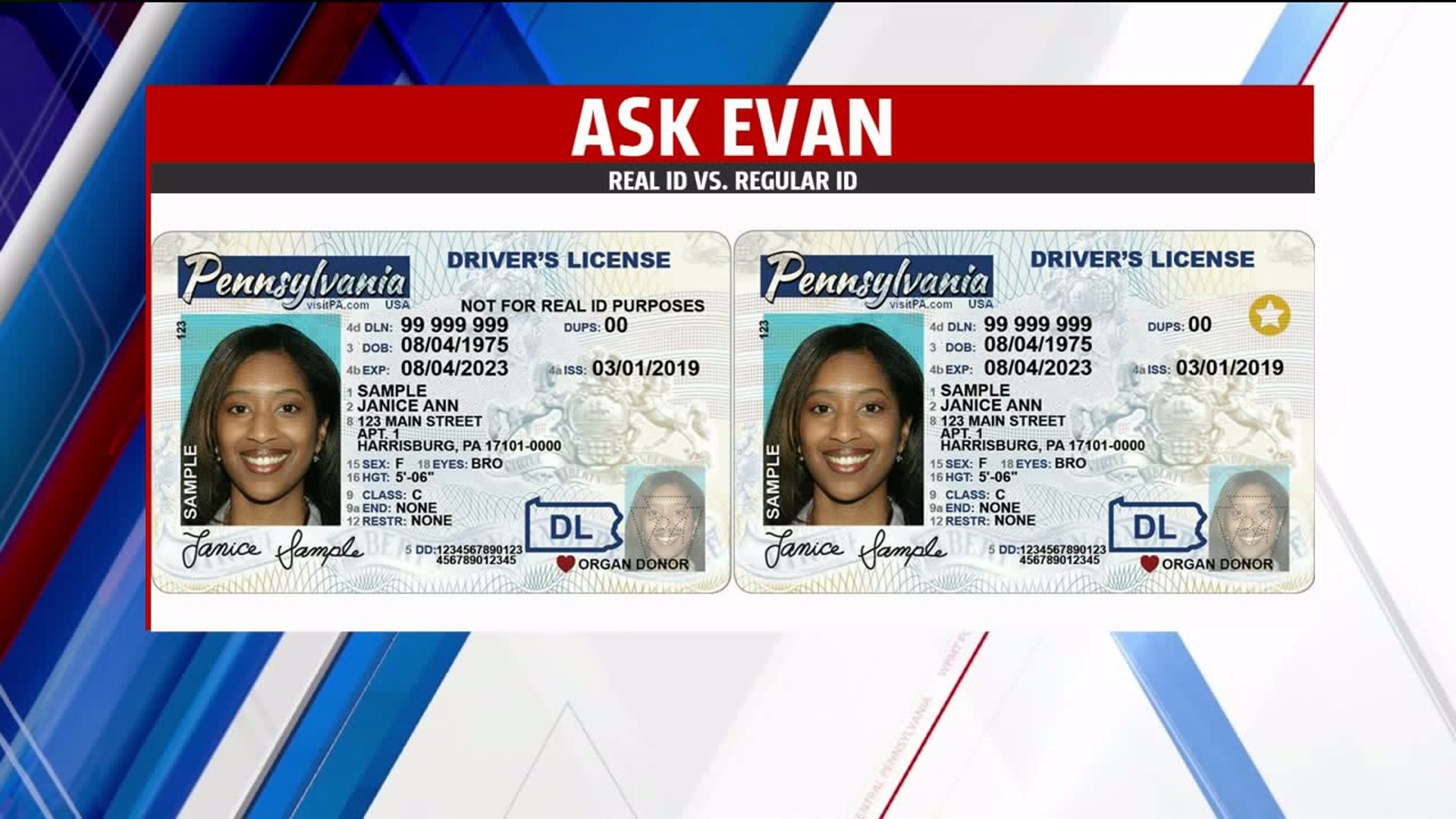
Understanding the difference between a “real ID” and a “standard driver’s license” requires looking past the gold star on the corner of the card. It requires an analysis of the underlying technology that validates who you are in an increasingly digitized world.
The Core Infrastructure: What Separates REAL ID from Legacy Systems
At its surface, a REAL ID looks remarkably similar to the driver’s license you have carried for years. However, the technological framework governing its issuance is vastly different. The REAL ID Act, passed by Congress in 2005, established new federal standards for state-issued driver’s licenses and identification cards. The primary “difference” lies in the rigor of the data verification process and the interoperability of the systems used to store that data.
Enhanced Data Verification Protocols
A standard driver’s license often relies on “low-assurance” verification. In many states, the documents required to obtain one were historically easier to forge or obtain through secondary channels. REAL ID, by contrast, utilizes high-assurance protocols. This involves the digital scanning and storage of source documents—such as birth certificates, Social Security cards, and proof of residency—which are then cross-referenced against federal databases. This creates a “chain of trust” in the digital record that standard licenses simply do not possess.
The Role of Interoperable Databases
One of the most significant technological leaps in the REAL ID framework is the requirement for states to share data. Standard licenses were often siloed within state-level Department of Motor Vehicles (DMV) systems. REAL ID requires that state systems become interoperable. This allows for automated checks to ensure a person does not hold multiple licenses in different states under different names. From a software perspective, this necessitated a massive upgrade to state database architectures to allow for secure, real-time communication between jurisdictions.
Hardware Security: The Physical Tech Behind the Card
While the backend data is vital, the physical card itself has undergone a technological revolution. To combat the rising sophistication of counterfeiters, REAL ID incorporates advanced physical security features that are absent or simplified in standard licenses. These features are designed to be “machine-verifiable,” moving identity checks away from human eyesight and toward automated digital scanners.
Optical Variable Devices and Holographics
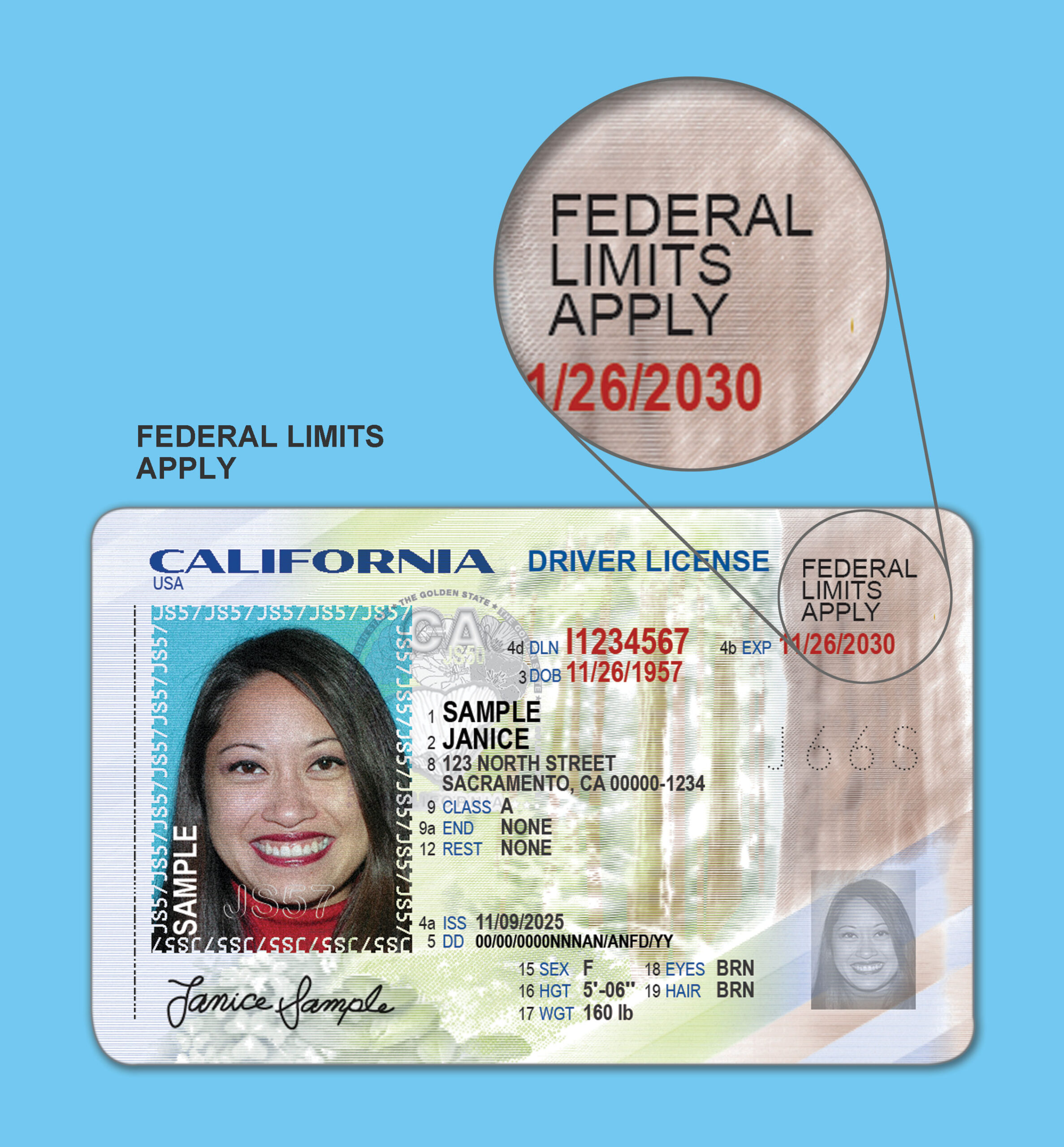
Standard licenses often used basic laminates that were easily reproduced with commercial-grade printers. REAL IDs utilize Optical Variable Devices (OVDs) and intricate holographics that change appearance based on the angle of light. These are not just stickers; they are integrated into the polycarbonate layers of the card during the manufacturing process using laser-bonding technology. This makes the card virtually impossible to delaminate without destroying the data it contains.
Machine-Readable Zones (MRZ) and Barcoding
The most critical physical tech difference is the standardization of the 2D barcode on the back of the card. While many standard licenses have barcodes, the REAL ID standard mandates the use of specific data formats (often PDF417) that contain encrypted versions of the information on the front of the card. When a TSA agent or security official scans a REAL ID, the software instantly compares the digital data in the barcode to the physical text on the card. Any discrepancy triggers an immediate security alert, a level of automated verification that standard licenses cannot reliably offer.

The Digital Shift: Transitioning to Mobile Drivers’ Licenses (mDL)
The REAL ID initiative is not the endgame; it is the technological bridge to the future of identity: the Mobile Driver’s License (mDL). As we move toward a world where physical wallets are replaced by digital ones, the standards set by REAL ID are being used to develop secure digital identity ecosystems on smartphones.
ISO 18013-5 and Standardizing Digital Identity
The technology currently being integrated into Apple Wallet and Google Wallet for digital IDs relies on the ISO 18013-5 standard. This international standard for mDLs requires the same level of data integrity found in REAL ID. By upgrading the national identity infrastructure to REAL ID standards, the government has laid the groundwork for these digital versions to be legally recognized. A standard license lacks the verified digital “roots” necessary to be converted into a secure, encrypted mobile token.
Biometric Authentication and Secure Enclaves
When a REAL ID is converted into a digital format, it utilizes the advanced hardware of modern smartphones. The ID is stored within the device’s “Secure Enclave”—a dedicated processor isolated from the rest of the operating system to prevent hacking. Accessing the digital version of a REAL ID requires biometric authentication (FaceID or TouchID). This represents a massive tech upgrade over a standard license; if you lose a standard license, anyone who finds it has your identity. If you lose a digital REAL ID, the data remains encrypted and inaccessible without your unique biometric signature.
Data Integrity and Cybersecurity Challenges
With the centralization and standardization of identity data comes a significant conversation regarding cybersecurity. The move from standard licenses to REAL ID has forced a massive investment in digital security to protect the Personal Identifiable Information (PII) of millions of citizens.
Protecting Sensitive Personal Information (PII)
Because REAL ID requires the digital storage of birth certificates and Social Security numbers, DMV databases have become high-value targets for cybercriminals. This has led to the implementation of Advanced Encryption Standards (AES) for data at rest and in transit. Standard licensing systems, many of which ran on legacy COBOL systems from the 1980s, were not designed to withstand modern SQL injection attacks or ransomware. The transition to REAL ID has effectively forced an “IT modernization” across state governments, replacing porous legacy systems with modern, hardened cloud infrastructures.
The Risks of Centralized Identification Systems
From a digital security standpoint, there is a constant tension between convenience and vulnerability. A standard driver’s license is localized; if one state’s database is breached, the damage is contained. However, because REAL ID relies on interconnected systems for verification, a vulnerability in the national verification hub could theoretically have wider implications. To mitigate this, engineers use “zero-trust” architectures, where every request for data verification must be authenticated and authorized, regardless of whether the request comes from within or outside the network.
The Future of Identity Tech
The difference between a REAL ID and a standard driver’s license is the difference between an analog tool and a digital asset. The standard license belongs to an era of visual inspection and localized trust. The REAL ID belongs to an era of algorithmic verification, biometric security, and global interoperability.
As we look forward, the technology embedded in the REAL ID framework will likely expand. We are already seeing the integration of Near Field Communication (NFC) chips in some state IDs, allowing for “tap-to-verify” functionality at airport security checkpoints. This minimizes physical contact and speeds up the data transfer process, making the verification of identity as seamless as a mobile payment.
In conclusion, the REAL ID is more than a travel requirement for domestic flights. It is a necessary technological upgrade for a society that is rapidly moving its most sensitive transactions online. By shifting from the standard license to the REAL ID, the United States is adopting a security-first posture, ensuring that the “plastic in your pocket” is backed by the most robust digital verification technology available today. Whether it is preventing identity theft, securing the national airspace, or enabling the next generation of mobile IDs, the transition marks a pivotal moment in the intersection of government and technology.
aViewFromTheCave is a participant in the Amazon Services LLC Associates Program, an affiliate advertising program designed to provide a means for sites to earn advertising fees by advertising and linking to Amazon.com. Amazon, the Amazon logo, AmazonSupply, and the AmazonSupply logo are trademarks of Amazon.com, Inc. or its affiliates. As an Amazon Associate we earn affiliate commissions from qualifying purchases.