
Understanding the subtle distinctions between staple food items can offer surprising insights into personal finance, investment in health, and the economics of daily living. While quick oats and rolled oats both hail from the same grain – the humble oat groat – their journey from field to bowl involves different processing methods that yield variations in texture, cooking time, and ultimately, their financial implications for consumers and businesses alike. Approaching this comparison through a financial lens reveals how seemingly minor differences can impact budgets, time management, and long-term health investments.
The Economics of Processing: Cost, Convenience, and Value
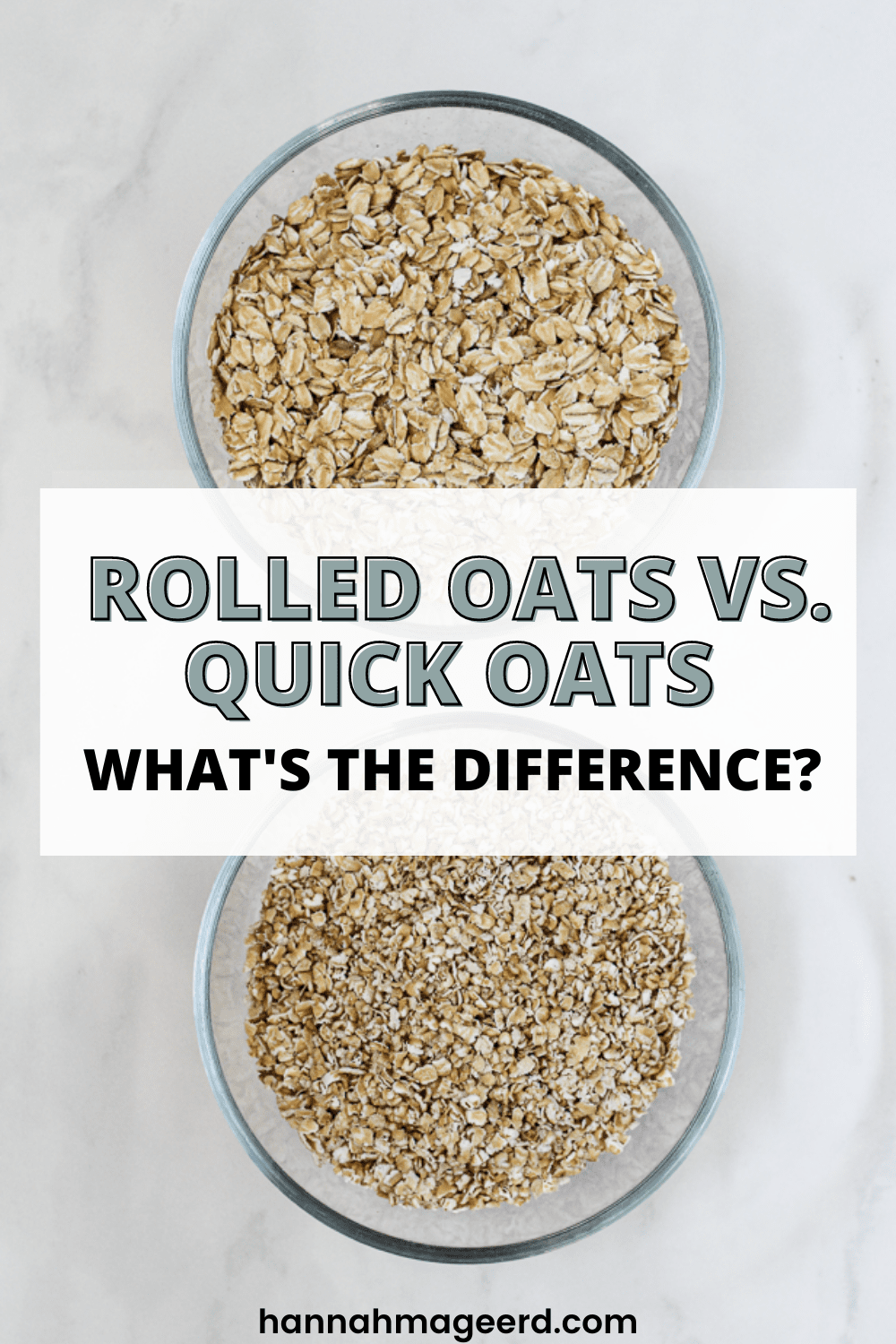
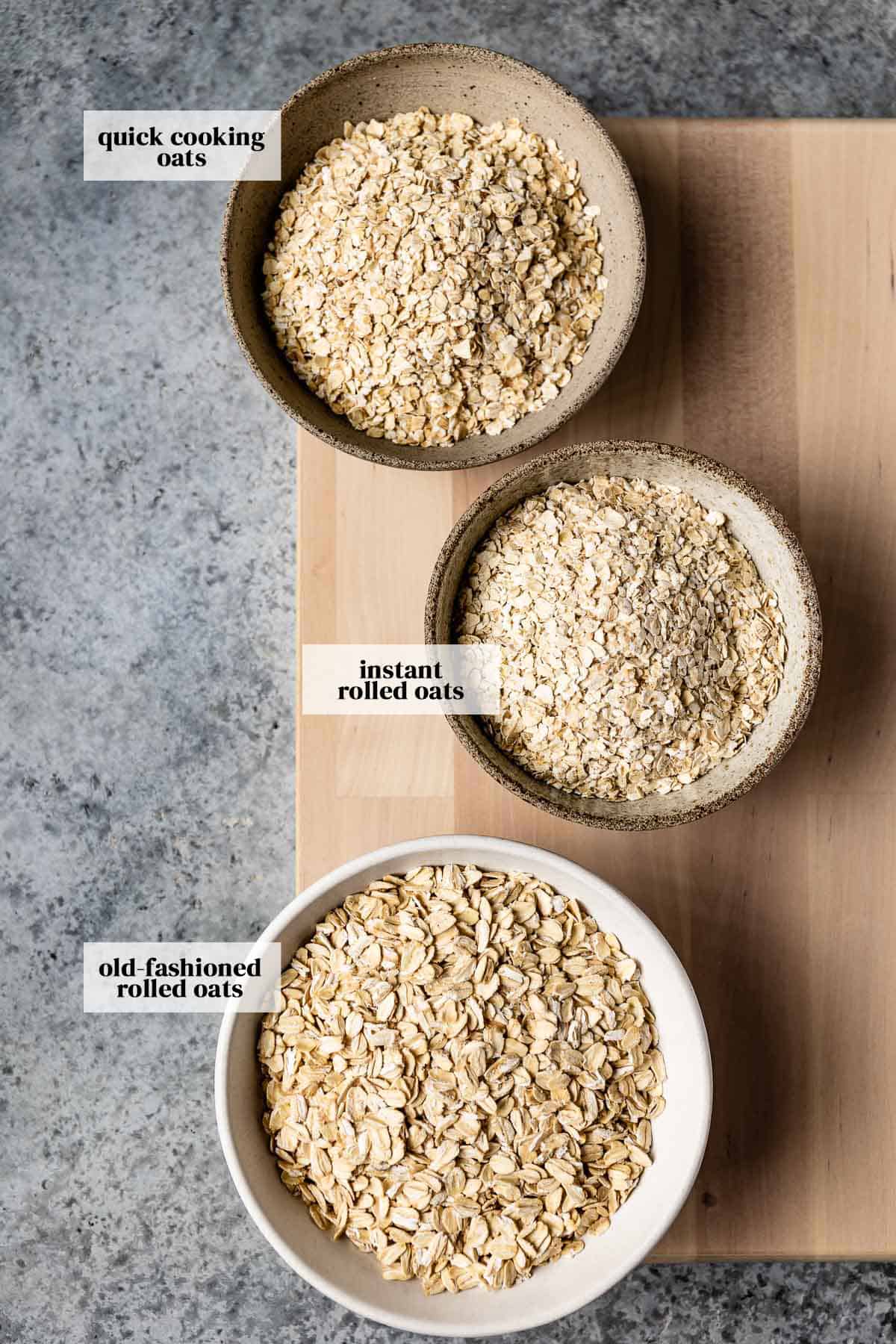
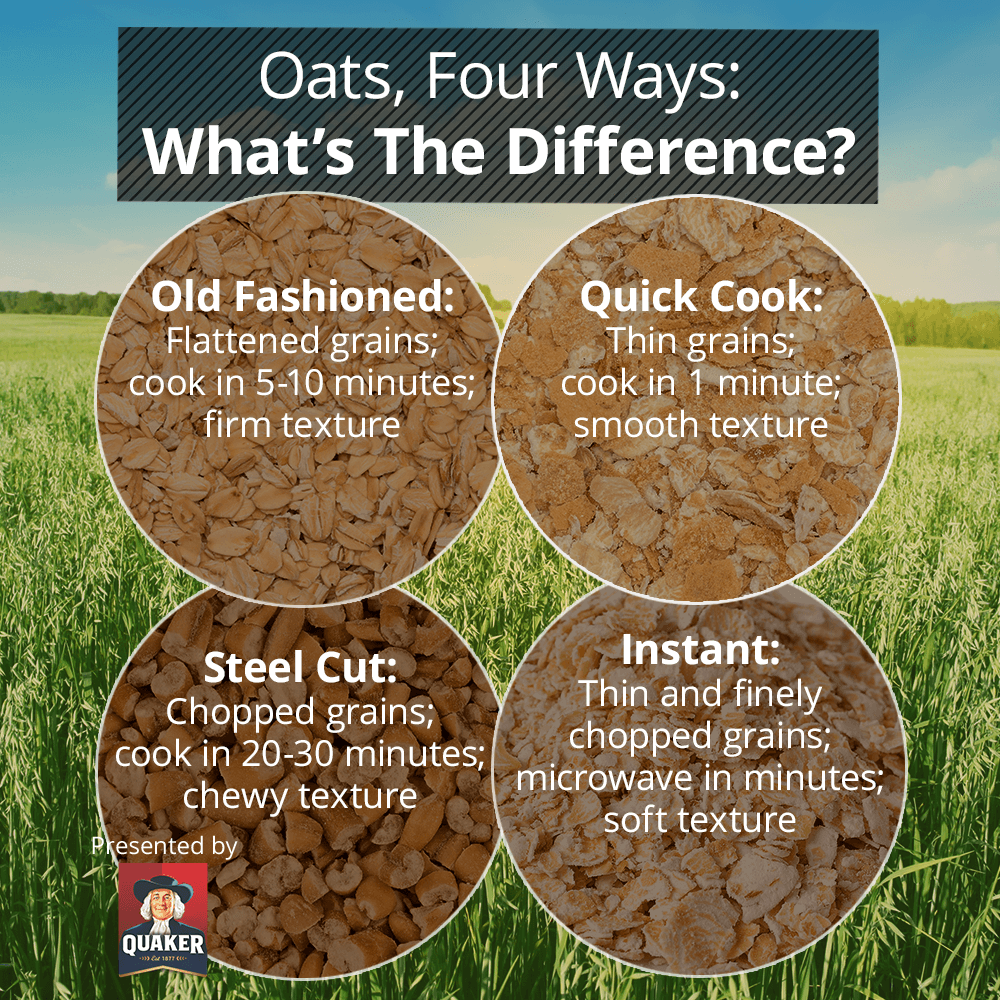
The primary divergence between quick oats and rolled oats lies in their manufacturing process. Both start as oat groats, which are hulled and cleaned whole oat kernels. To become rolled oats (also known as old-fashioned oats), these groats are steamed, then flattened by large rollers, and finally lightly toasted. This process creates a flat, oval flake. Quick oats, on the other hand, undergo a more intensive process: the oat groats are steamed longer, cut into smaller pieces (often 2-3 times), then rolled thinner than traditional rolled oats. This additional processing is key to their rapid cooking time but carries underlying financial considerations.
Processing Intensivity and Price Points
The additional steaming and cutting required for quick oats can, in some cases, lead to slightly higher production costs for manufacturers due to increased energy consumption and machinery usage. While the raw material (oat groats) remains the same, the extra steps contribute to the final product’s retail price. Consumers might find quick oats priced marginally higher per unit weight compared to rolled oats, particularly when comparing generic brands. For the budget-conscious shopper, opting for rolled oats in bulk can present a more attractive per-serving cost, allowing for greater savings over time. Businesses, too, must weigh these production costs against market demand for convenience. Food service providers or meal kit companies using quick oats might absorb higher input costs, which could then be reflected in their pricing to consumers or impact their profit margins.
Bulk Buying Strategies and Financial Returns
Rolled oats are often readily available in larger, more economical bulk packages, especially in health food stores or warehouse clubs. This bulk accessibility allows consumers to significantly reduce their per-serving cost, a cornerstone of effective personal finance management. Investing in a large bag of rolled oats can provide a cost-effective breakfast or ingredient base for weeks or months, minimizing frequent, smaller, and often more expensive grocery trips. Quick oats, while also available in larger formats, sometimes lean more heavily into single-serving packets, which, despite their convenience, carry a hefty price premium. The financial savviness lies in recognizing this “convenience tax” and assessing whether the time saved truly justifies the added expense in one’s personal budget or business operational costs.
Time as Currency: Valuing Efficiency in Oat Preparation
In today’s fast-paced world, time is a precious commodity, often equated directly with money. The significant difference in cooking time between quick oats and rolled oats directly impacts this equation, offering distinct financial implications for individuals and businesses.
The Opportunity Cost of Preparation
Rolled oats typically require 5-10 minutes of stovetop cooking or microwave time, while quick oats live up to their name, often ready in 1-3 minutes. For individuals with demanding careers, side hustles, or tight schedules, the extra few minutes saved daily by choosing quick oats can accrue into significant time. This saved time isn’t just about leisure; it’s about opportunity cost. For an entrepreneur, those extra minutes might mean responding to a client email, strategizing for the day, or dedicating more time to income-generating activities. If one values their time at a certain hourly rate, the cost difference between the oats might be negligible compared to the financial benefit derived from the time saved.
Maximizing Productivity and Minimizing Downtime
Consider a busy professional whose morning routine is meticulously timed. A few minutes saved on breakfast preparation can mean avoiding being late for work, which might impact performance reviews or even bonuses. For a small business owner preparing employee meals or a catered event, the efficiency of quick oats can translate directly into reduced labor costs and increased output. While quick oats may have a slightly higher material cost, their ability to expedite meal preparation can lead to greater overall operational efficiency and productivity, effectively making them a sound financial choice in scenarios where time is genuinely money. This is a clear trade-off that requires careful financial assessment: is the cost of convenience outweighed by the financial value of the time saved?
Nutritional Impact: An Investment in Long-Term Health
Beyond immediate costs and time savings, the nuanced differences in quick oats and rolled oats also touch upon long-term financial health through their nutritional profiles. Food choices are directly linked to wellness, and investing wisely in diet can potentially reduce future healthcare expenditures and enhance earning capacity.
Glycemic Index and Sustained Energy for Peak Performance
The processing of oats affects their glycemic index (GI), which indicates how quickly a food raises blood sugar levels. Rolled oats, being less processed, generally have a lower GI. This means they release glucose into the bloodstream more slowly and steadily, providing sustained energy. For someone whose work requires prolonged focus or physical endurance, this sustained energy can be an invaluable asset, preventing mid-morning energy crashes that might lead to reduced productivity, errors, or the need for expensive, sugary snacks or coffee fixes. From a financial perspective, consistent energy means consistent output, potentially boosting earning potential and reducing the unplanned expenses associated with combating fatigue. Quick oats, due to their finer texture, tend to have a slightly higher GI, offering a quicker energy boost but potentially a less sustained release.
Fiber Content and Preventative Health Savings
Both types of oats are excellent sources of soluble and insoluble fiber, crucial for digestive health and cholesterol management. However, rolled oats, with their larger, less fragmented structure, tend to retain their fibrous integrity slightly more effectively. A diet rich in fiber contributes to long-term health by reducing the risk of chronic diseases such as heart disease and type 2 diabetes. From a financial standpoint, preventative health is arguably one of the most significant long-term investments an individual can make. A healthy diet, partly facilitated by regular consumption of oats, can lead to fewer doctor visits, lower medication costs, and a reduced likelihood of expensive medical procedures in the future. This is a clear instance where a dietary choice today can translate into substantial financial savings down the line, framing oat consumption not just as a meal, but as a health investment strategy.
Strategic Meal Planning and Budget Optimization
The choice between quick and rolled oats also plays a role in strategic meal planning, influencing grocery budgets, food waste, and the overall financial efficiency of a household or small business’s food operations.
Versatility in Recipes and Ingredient Costs
Rolled oats offer greater versatility in cooking and baking due to their more substantial texture. They are ideal for overnight oats, hearty porridges, granola, oat flour (when processed further), and as a binding agent in meatloaf or veggie burgers. This versatility allows for greater creativity in meal preparation without needing to purchase additional, specialized ingredients, contributing to overall grocery budget efficiency. Quick oats, while excellent for a fast breakfast, can sometimes yield a mushier texture in baking or other applications, potentially leading to suboptimal results or wasted ingredients if not used appropriately. Understanding these textural differences allows for more precise recipe execution and less food waste, a direct financial benefit.
Reducing Food Waste and Maximizing Shelf Life
Both types of oats have a relatively long shelf life when stored properly in airtight containers, which is advantageous for financial planning by reducing food waste. However, purchasing in bulk, often easier and more cost-effective with rolled oats, requires proper storage to maintain freshness. Investing in good airtight containers can be a small upfront cost that yields significant long-term savings by protecting bulk purchases from spoilage or pest infestation. For families or businesses, minimizing waste is paramount to budget adherence. By understanding the optimal uses and storage for each oat type, one can make financially sound decisions that stretch food dollars further.
In conclusion, while the choice between quick oats and rolled oats may appear to be a matter of simple preference or culinary application, a deeper dive reveals significant financial ramifications. From the direct costs associated with processing and purchasing to the indirect savings in time, health, and efficient meal planning, discerning the differences allows for more informed and economically savvy decisions. Whether prioritizing convenience for a busy lifestyle or investing in the long-term health benefits of a less processed option, understanding the financial interplay ensures that every bowl of oats contributes positively to one’s overall financial well-being.
aViewFromTheCave is a participant in the Amazon Services LLC Associates Program, an affiliate advertising program designed to provide a means for sites to earn advertising fees by advertising and linking to Amazon.com. Amazon, the Amazon logo, AmazonSupply, and the AmazonSupply logo are trademarks of Amazon.com, Inc. or its affiliates. As an Amazon Associate we earn affiliate commissions from qualifying purchases.