
The explosive growth of pickleball has many wondering how it stacks up against its long-established predecessor, tennis. While the on-court action and rule variations are commonly discussed, a fascinating technological divergence underlies their respective evolutions. From the materials science of racquets and balls to the sophisticated data analytics now employed in professional play, the technological fingerprints on pickleball and tennis reveal distinct paths shaped by innovation, accessibility, and the very nature of the sports themselves. This exploration delves into the technological disparities, highlighting how advancements have influenced equipment, gameplay analysis, and the broader digital ecosystem surrounding each sport.

The Evolution of Sporting Apparatus: Materials, Design, and Performance
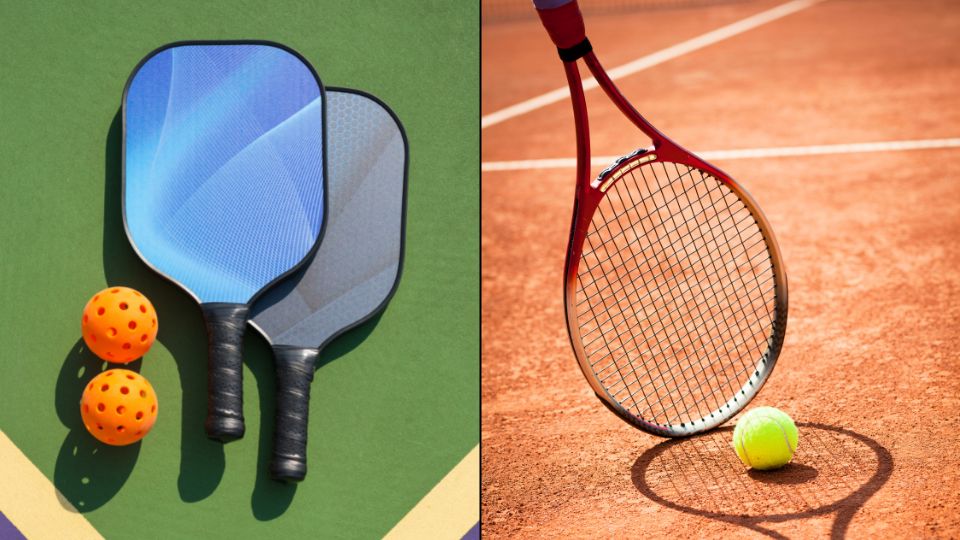
The most immediate technological differences between pickleball and tennis are found in the very tools of the game: the paddles and racquets, and the balls they strike. These differences are not merely aesthetic; they are rooted in distinct material science, engineering principles, and manufacturing processes, all of which profoundly impact player experience and game dynamics.
Pickleball Paddles: The Rise of Composite Technology
Pickleball paddles, unlike their tennis counterparts, are characterized by a fundamentally different construction. While tennis racquets have historically relied on graphite, carbon fiber, and advanced composites for their frames, pickleball paddles have largely embraced a layered approach, often featuring a polymer or honeycomb core encased by composite skins, typically fiberglass or carbon fiber.
Core Materials and Their Impact on Power and Control
The core material is arguably the most significant technological differentiator. Polymer cores, often referred to as “polypropylene,” are a hallmark of modern high-performance pickleball paddles. These cores offer a superior “sweet spot” – the area of the paddle that produces the most consistent and powerful shots – compared to older, more traditional materials like aluminum or Nomex. The polymer’s inherent vibration dampening properties also contribute to a more comfortable playing experience, reducing the jarring impact on the arm and wrist, a crucial factor for the recreational player base that pickleball attracts.
Honeycomb cores, a more recent development, take this a step further. By creating a matrix of hexagonal cells, manufacturers can achieve exceptional rigidity and responsiveness while keeping the paddle lightweight. This structure allows for greater energy transfer from the paddle to the ball, leading to increased power and spin potential. The precise engineering of these honeycomb structures, often involving advanced CAD (Computer-Aided Design) and CNC (Computer Numerical Control) machining, allows for fine-tuning of stiffness and flex, catering to different playing styles.
Surface Technologies: Spin and Precision
The surface of a pickleball paddle is equally critical, and here too, technology plays a pivotal role. While tennis racquets often employ string beds with various tensions and patterns to generate spin, pickleball paddles rely on the texture of their surface materials. Fiberglass and carbon fiber facings are prevalent, offering durability and a predictable surface for striking the ball. However, many advanced paddles incorporate textured surfaces through etching, grit coatings, or even raised patterns. These technologies are designed to “grip” the ball more effectively, allowing players to impart significant topspin and slice with greater ease. The development of these surface treatments often involves sophisticated material coatings and plasma treatments to enhance durability and spin-generating capabilities.
Tennis Racquets: A Legacy of Graphite and Aerodynamics
Tennis racquets, in contrast, have a long history of technological evolution, primarily centered around the frame and string technology. The shift from wood to metal alloys and eventually to graphite and carbon fiber composites revolutionized the sport. These materials offer unparalleled strength-to-weight ratios, allowing for larger head sizes and thinner, more aerodynamic profiles.
Frame Engineering and Aerodynamics
Modern tennis racquet frames are marvels of engineering. Advanced composites are strategically layered and molded to optimize stiffness, flexibility, and vibration dampening. Technologies like Graphene, incorporated into frames by leading manufacturers, promise enhanced strength and power. Aerodynamics is also a significant consideration, with frames designed to minimize drag and increase swing speed. Technologies such as Kevlar integrated into the frame construction further enhance stability and power.
String Technology and Tension Control
While the racquet frame is crucial, the strings are the direct interface with the ball. Tennis string technology has evolved dramatically, with advancements in materials like polyester, natural gut, and multifilament synthetics. Each material offers a unique blend of power, control, spin, and comfort. Furthermore, the ability to precisely control string tension using sophisticated stringing machines allows players to fine-tune their racquets to their specific needs, a level of customization less prevalent in the pickleball arena. The development of smart strings that can track shot data is also an emerging area in tennis technology.
Pickleballs vs. Tennis Balls: Material Science and Aerodynamics
The balls themselves represent a stark technological divergence. Pickleballs are typically made of durable plastic (often polyethylene) with a hollow core, designed for slower speeds and reduced bounce. Their perforations are engineered to control flight and reduce wind resistance.
Tennis balls, on the other hand, are constructed from rubber with a felt covering. The rubber composition is precisely controlled to achieve specific bounce characteristics and durability. The felt covering, while seemingly simple, is a technologically optimized material designed to interact with the racquet strings to generate spin and provide a predictable flight path. The pressurized nature of tennis balls also plays a significant role in their performance, a factor absent in the unpressurized pickleball. The manufacturing process for tennis balls involves intricate molding and vulcanization techniques to ensure consistency.
Data Analytics and Performance Enhancement: The Digital Frontier
Beyond the physical equipment, the digital realm is increasingly shaping both sports, though at different paces and with different applications. Technology is being leveraged to analyze performance, enhance training, and even officiate games.
Pickleball’s Emerging Data Ecosystem
While still in its nascent stages compared to tennis, pickleball is rapidly developing its own data analytics ecosystem. The sport’s accessibility and growing professional leagues are attracting interest from tech companies looking to capitalize on this trend.
Player Tracking and Shot Analysis
Portable sensors and smartphone apps are beginning to emerge that can track player movement, shot speed, and ball trajectory. These tools, often employing accelerometers and gyroscopes, provide amateur and aspiring professional players with immediate feedback on their game. While not yet as sophisticated as tennis’s professional tracking systems, this technology is democratizing performance analysis.
Video Analysis and AI-Powered Coaching
The proliferation of smartphones has made video recording of matches and practice sessions commonplace. This readily available footage, when combined with AI-powered video analysis software, can provide players with detailed insights into their technique, positioning, and strategic tendencies. Algorithms can identify patterns of play, highlight areas for improvement, and even suggest personalized drills. This is particularly valuable for players who may not have access to dedicated coaching.
Online Communities and Digital Platforms
The digital landscape for pickleball is flourishing. Online forums, social media groups, and dedicated websites serve as hubs for players to connect, share strategies, and discuss equipment. Learning platforms and virtual coaching services are also on the rise, offering a convenient and accessible way for players to improve their skills without being physically present with a coach.
Tennis: A Data-Driven Professional Landscape
Tennis has a far more mature and integrated data analytics infrastructure, particularly at the professional level. Decades of investment and technological development have created a sophisticated system for understanding every facet of the game.
Hawk-Eye and Electronic Line Calling
The introduction of Hawk-Eye, a sophisticated ball-tracking system utilizing multiple high-speed cameras, has revolutionized tennis officiating. It provides real-time, objective data on ball trajectory, speed, and spin, and is now widely used for line calls. This technology has dramatically reduced controversial calls and increased the pace of play. Electronic line calling systems, employing similar principles, are becoming increasingly prevalent across professional tournaments.
Player Biomechanics and Performance Metrics
Professional tennis players and their coaches have access to a wealth of data generated from advanced tracking systems and wearable devices. These systems capture biomechanical data such as racquet head speed, swing path, and impact point, as well as performance metrics like serve velocity, return effectiveness, and shot placement accuracy. This data is analyzed using sophisticated algorithms to identify strengths and weaknesses, optimize training regimens, and develop game strategies.
Advanced Simulation and Predictive Analytics
The extensive datasets collected in professional tennis are also being used to develop predictive analytics models. These models can help coaches understand opponent tendencies, forecast match outcomes, and even identify optimal strategies for specific matchups. While not yet fully realized, the potential for AI to assist in real-time strategic decision-making during matches is a significant area of ongoing research and development.
The Future Convergence and Divergence: Technology’s Role in the Sports’ Trajectories
As both pickleball and tennis continue to evolve, technology will undoubtedly play a central role in shaping their future. While they may share some technological aspirations, their distinct player bases, market dynamics, and inherent game structures will likely lead to continued divergence in certain areas.
Pickleball: Democratizing Technology for Accessibility
The future of pickleball technology is likely to be characterized by its focus on democratization and accessibility. As the sport continues to attract a broad demographic, including older adults and those seeking a less physically demanding alternative to tennis, the technological innovations will aim to enhance enjoyment and learning for the masses.
Smart Equipment for the Everyday Player
We can anticipate the development of more affordable “smart” paddles that integrate basic sensors for feedback on swing speed and power. The use of augmented reality (AR) in training apps, overlaying virtual targets or coaching cues onto the playing court, could become more widespread.
Enhanced Player Engagement Through Digital Platforms
The growth of pickleball will likely be fueled by further innovation in online communities and digital platforms. Virtual reality (VR) simulations of pickleball matches could emerge, allowing players to practice and compete remotely. The integration of gamification elements into training apps could also boost engagement and skill development.
Tennis: Refining Precision and Elite Performance
In contrast, tennis technology will likely continue its trajectory of refining precision and enhancing elite performance. The sport’s established professional infrastructure and the pursuit of marginal gains at the highest level will drive further investment in sophisticated analytical tools.
Next-Generation Ball and Racquet Technologies
Expect continued advancements in materials science for both racquets and balls. This could involve the development of even lighter and stronger composite materials, adaptive string technologies that change tension during play, and balls with more precisely controlled bounce and flight characteristics.
AI-Driven Coaching and Strategic Insights
The integration of AI into coaching and strategy will become more profound. AI could provide real-time strategic recommendations during matches, analyze opponent weaknesses with unprecedented depth, and even generate personalized training programs that adapt dynamically to a player’s progress. The development of virtual coaches powered by AI, capable of providing nuanced feedback and instruction, is also a likely development.
Bridging the Gap: Shared Technological Threads
Despite their differences, there are areas where pickleball and tennis technologies might converge. The increasing sophistication of wearable technology for fitness tracking could see broader adoption in both sports, providing comprehensive health and performance data. Furthermore, the development of user-friendly interfaces for data analysis tools will be crucial for both amateur pickleball players and tennis enthusiasts seeking to understand their game better. Ultimately, technology serves as a powerful catalyst, shaping the way these sports are played, coached, and experienced, ensuring their continued evolution and appeal for generations to come.
aViewFromTheCave is a participant in the Amazon Services LLC Associates Program, an affiliate advertising program designed to provide a means for sites to earn advertising fees by advertising and linking to Amazon.com. Amazon, the Amazon logo, AmazonSupply, and the AmazonSupply logo are trademarks of Amazon.com, Inc. or its affiliates. As an Amazon Associate we earn affiliate commissions from qualifying purchases.