
In an increasingly digital world, the convergence of technology and healthcare has given rise to a powerful new paradigm: medical applications, or “medical apps.” Far more than simple health trackers, these sophisticated software tools are revolutionizing how we interact with healthcare, manage our well-being, and how medical professionals deliver care. From empowering patients to streamline complex clinical workflows, medical apps are at the forefront of a profound transformation, embodying the very essence of digital health innovation within the technology sector.
This article delves into the core definition of medical apps, exploring their diverse functionalities, the underlying technological frameworks that power them, their profound impact on healthcare delivery, and the critical challenges and future trends shaping their evolution. Understanding medical apps is not just about comprehending a software category; it’s about recognizing a pivotal technological force reshaping health for individuals and societies alike.
Defining the Digital Doctor: Unpacking Medical Applications
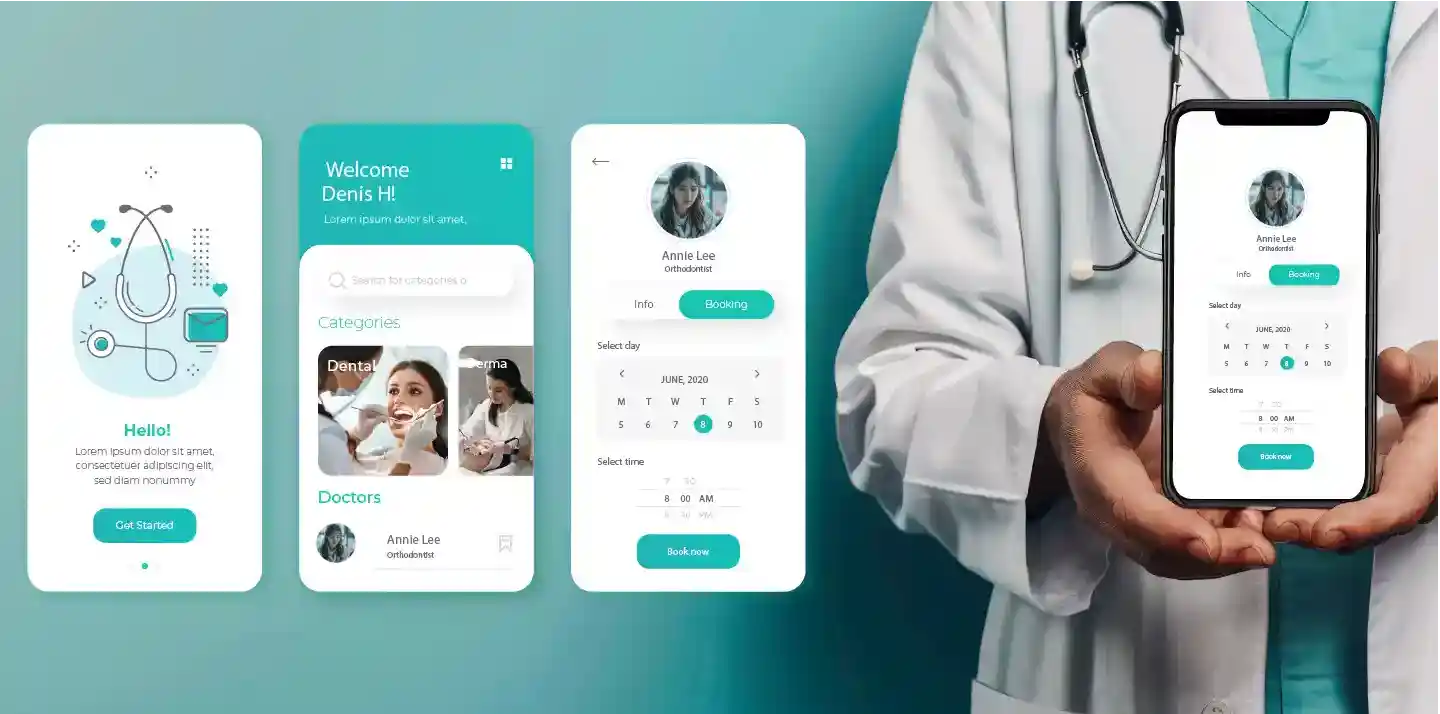
At its most fundamental level, a medical app is a software application designed to run on mobile devices (smartphones, tablets), web browsers, or wearable technology, specifically intended to assist with medical or health-related functions. However, this broad definition belies the intricate regulatory landscape and the spectrum of sophistication that differentiates a simple step counter from a regulated diagnostic tool. The “medical” designation often implies a higher degree of scrutiny and, in many cases, regulatory oversight by bodies like the FDA in the US or the CE Mark in Europe, especially when the app is intended for diagnosis, treatment, mitigation, or prevention of disease.
Beyond Simple Health Trackers: A Broad Spectrum
It’s crucial to distinguish between general wellness apps and those classified as true “medical apps.” While a fitness tracker monitoring your heart rate falls under the broader umbrella of digital health, it typically isn’t a medical app unless it makes specific medical claims or is used to diagnose a condition. A medical app, by contrast, might calculate drug dosages, interpret ECG readings, or manage chronic disease pathways based on clinical guidelines. This distinction is critical not only for users but also for developers who must navigate stringent regulatory requirements for medical devices. The underlying technology, algorithms, data processing, and security protocols are significantly more complex and rigorously tested for medical apps, reflecting their potential impact on patient safety and clinical outcomes.
The Core Purpose: Enhancing Healthcare Delivery and Management
The overarching purpose of medical apps is multifaceted: to improve access to care, enhance diagnostic accuracy, facilitate treatment adherence, empower patient self-management, streamline clinical operations, and foster preventive health. They act as digital conduits, connecting patients with providers, providing real-time data for informed decisions, and offering personalized interventions. By leveraging mobile technology, cloud computing, and advanced analytics, these apps aim to make healthcare more efficient, accessible, and patient-centric, moving away from traditional, often fragmented, models of care delivery.
A Deep Dive into Categories and Functionalities
The utility of medical apps spans an incredibly diverse range, categorized broadly by their primary user base and function. This categorization highlights the breadth of technological application within healthcare.
Apps for Patients: Empowerment and Engagement
These apps are designed to put healthcare directly into the hands of the individual, fostering greater engagement and self-management.
- Symptom Checkers and Triage Apps: Utilizing AI and sophisticated algorithms, these apps guide users through questions about their symptoms, suggesting possible conditions and recommending whether to see a doctor or seek emergency care. While not diagnostic tools, they empower users with preliminary information.
- Medication Reminders and Adherence Apps: Crucial for chronic conditions, these apps send alerts for medication schedules, track dosages, and provide educational content about drugs, significantly improving patient adherence.
- Chronic Disease Management Apps: Tailored for conditions like diabetes, hypertension, or asthma, these apps allow patients to log vital signs, blood sugar levels, or activity, often integrating with wearable sensors. They provide trend analysis, personalized insights, and sometimes connect directly to healthcare providers for remote monitoring.
- Telehealth and Virtual Consultation Platforms: These enable patients to connect with doctors via video, chat, or phone, facilitating remote consultations, prescription refills, and follow-ups, particularly valuable in rural areas or for those with mobility issues.
- Mental Health and Wellness Apps: Offering guided meditations, cognitive behavioral therapy (CBT) exercises, mood tracking, and stress management tools, these apps provide accessible support for mental well-being, often leveraging AI for personalized therapeutic pathways.
Apps for Healthcare Professionals: Tools for Efficiency and Precision
For clinicians, medical apps serve as powerful digital assistants, enhancing diagnostic capabilities, treatment planning, and administrative efficiency.
- Clinical Reference and Decision Support Apps: Providing instant access to vast medical databases, drug formularies, treatment guidelines, and diagnostic criteria, these apps ensure clinicians have up-to-date information at their fingertips.
- Diagnostic Support and Imaging Apps: Some advanced apps can assist in interpreting medical images (e.g., X-rays, MRIs), analyze lab results, or provide calculations for complex diagnostic scores, often employing machine learning to improve accuracy.
- Remote Patient Monitoring Apps: Used in conjunction with connected medical devices, these apps allow healthcare professionals to continuously monitor patients’ vital signs, glucose levels, or cardiac activity from a distance, enabling proactive intervention.
- Administrative and Electronic Health Record (EHR) Access Apps: Facilitating secure access to patient records, scheduling appointments, dictating notes, and managing billing, these apps streamline the administrative burden on medical staff.
- Medical Education and Training Apps: Offering interactive anatomy models, surgical simulations, and continuous medical education (CME) courses, these apps support lifelong learning for healthcare professionals.
Public Health and Wellness Apps: Broader Impact
Beyond individual patient and professional use, some medical apps serve broader public health initiatives.
- Contact Tracing Apps: As seen during pandemics, these apps use proximity data (e.g., Bluetooth) to alert individuals if they have been in contact with an infected person, aiding in disease containment.
- Vaccination Tracking Apps: Digital records of immunizations, aiding in public health management and individual compliance.
- Epidemiological Surveillance Apps: Used by health organizations to collect and analyze population-level health data, tracking disease outbreaks and public health trends.
The Technological Backbone: Powering Medical Apps
The sophistication and reliability of medical apps hinge entirely on robust technological infrastructure, particularly concerning data integrity, security, and the integration of advanced computing paradigms.
Data Security and Privacy: The Paramount Concern
Given the sensitive nature of health information, data security and patient privacy are not just features but fundamental requirements. Medical apps must adhere to strict regulatory frameworks such as HIPAA (Health Insurance Portability and Accountability Act) in the US, GDPR (General Data Protection Regulation) in Europe, and similar legislation globally. This necessitates:
- End-to-end Encryption: Protecting data both in transit and at rest.
- Secure Authentication: Multi-factor authentication to prevent unauthorized access.
- Access Controls: Granular permissions to ensure only authorized personnel can view specific data.
- Regular Audits and Penetration Testing: To identify and rectify vulnerabilities proactively.
- Data Minimization: Collecting only the necessary data to perform the app’s function.
Any breach of this trust can have severe legal, financial, and reputational consequences, underscoring the critical role of cybersecurity expertise in medical app development.
Integration and Interoperability: Connecting the Healthcare Ecosystem
A standalone medical app, however powerful, has limited utility if it cannot communicate with other systems within the broader healthcare ecosystem. True value is unlocked through seamless integration with Electronic Health Records (EHR) and Electronic Medical Records (EMR) systems, laboratory information systems, pharmacy systems, and other clinical platforms. This is achieved through:
- Standardized APIs (Application Programming Interfaces): Such as FHIR (Fast Healthcare Interoperability Resources), which allow different systems to share data securely and efficiently.
- Cloud Computing: Providing scalable, secure infrastructure for data storage and processing, enabling real-time data access across various platforms and locations.
- Health Information Exchanges (HIEs): Facilitating the electronic movement of health-related information among organizations.
Interoperability ensures that data flows smoothly, reducing manual data entry errors, enhancing care coordination, and providing a holistic view of a patient’s health journey.
Emerging Technologies: AI, Machine Learning, and IoT in Medical Apps
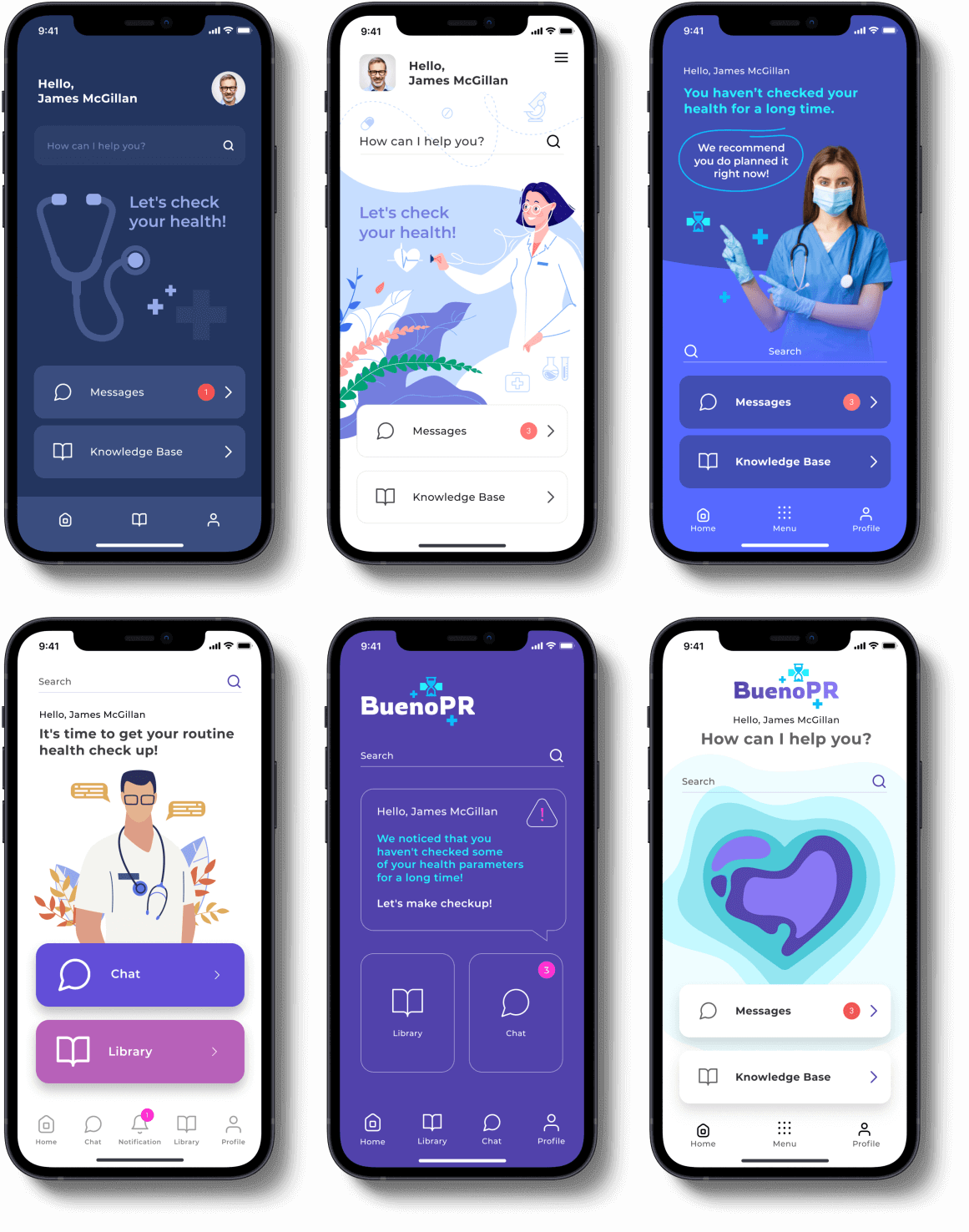
The next generation of medical apps is being profoundly shaped by cutting-edge technologies:
- Artificial Intelligence (AI) and Machine Learning (ML): These technologies enable apps to analyze vast datasets, identify patterns, predict health risks, personalize treatment plans, and even assist in diagnostics. Examples include AI-powered symptom checkers, predictive analytics for disease outbreaks, and image recognition for identifying anomalies in scans.
- Internet of Medical Things (IoMT): The integration of medical devices, sensors, and wearables with medical apps creates a powerful network for continuous data collection. From smart inhalers to continuous glucose monitors, IoMT devices feed real-time data to apps, enabling proactive monitoring and personalized interventions.
- Blockchain: While still nascent, blockchain technology holds promise for enhancing the security and immutability of health records, improving data sharing, and ensuring patient consent management.
User Experience (UX) and User Interface (UI) Design: Critical for Adoption
Even the most technologically advanced medical app will fail if it is not intuitive and easy to use. Given the diverse user base (patients of varying tech literacy, busy clinicians), thoughtful UX/UI design is paramount.
- Simplicity and Clarity: Clear navigation, minimalist design, and jargon-free language.
- Accessibility: Adherence to accessibility standards to ensure use by individuals with disabilities.
- Personalization: Tailoring the app experience to individual user needs and preferences.
- Engaging Design: Using visual appeal and gamification where appropriate to encourage consistent use, especially for patient-facing apps.
The Transformative Impact: Revolutionizing Healthcare Delivery
Medical apps are not just incremental improvements; they are catalysts for systemic change, fundamentally altering how healthcare is delivered, consumed, and managed.
Improving Accessibility and Convenience
For individuals in remote areas, those with limited mobility, or simply busy professionals, medical apps break down geographical and time barriers. Telehealth platforms provide immediate access to consultations, while chronic disease management apps allow continuous monitoring without frequent in-person visits. This significantly broadens access to specialist care and routine health services, making healthcare more equitable.
Enhancing Patient Outcomes and Engagement
By empowering patients with tools for self-management, education, and direct communication with providers, medical apps foster greater engagement in their own health. Medication adherence improves, lifestyle changes are better supported, and early detection of deteriorating conditions becomes more feasible through continuous monitoring. This proactive approach often leads to better health outcomes and a reduction in emergency room visits.
Streamlining Clinical Workflows and Reducing Costs
For healthcare providers, medical apps automate routine tasks, reduce administrative overhead, and provide instant access to critical information, freeing up valuable time for direct patient care. Improved diagnostic support leads to more accurate and timely diagnoses, while remote monitoring can reduce hospital readmissions. Over time, these efficiencies translate into significant cost savings for healthcare systems.
Empowering Preventive Care and Wellness
Beyond managing existing conditions, medical apps are powerful tools for preventive health. Wellness apps encourage healthy habits, track fitness goals, and promote mindfulness, helping individuals stave off chronic diseases. Early intervention through app-based screenings and personalized health advice plays a crucial role in shifting the focus from reactive treatment to proactive prevention.
Challenges and The Road Ahead: Navigating the Digital Health Frontier
Despite their immense potential, medical apps face significant hurdles that must be addressed for their widespread, safe, and effective adoption.
Regulatory Hurdles and Compliance
The classification of a medical app as a “medical device” by regulatory bodies (e.g., FDA, EMA) imposes rigorous requirements for validation, clinical evidence, quality management systems, and post-market surveillance. Navigating these complex and often evolving regulations can be a costly and time-consuming process for developers, particularly for smaller innovators. Harmonizing global regulations remains a significant challenge.
Data Overload and Information Overwhelm
While collecting vast amounts of health data is beneficial, both patients and clinicians can experience “data fatigue” or information overload. The challenge lies in distilling complex data into actionable insights and presenting it in an intuitive, digestible format that doesn’t overwhelm the user or lead to misinterpretation. AI and ML are critical here for pattern recognition and intelligent summarization.
Digital Divide and Equity Concerns
The benefits of medical apps are disproportionately accessed by those with smartphones, reliable internet access, and digital literacy. This creates a “digital divide” that could exacerbate existing health inequalities, leaving vulnerable populations behind. Efforts must be made to bridge this gap through accessible design, public education, and government initiatives to ensure equitable access to digital health tools.
The Future Vision: Personalized, Predictive, and Pervasive Healthcare
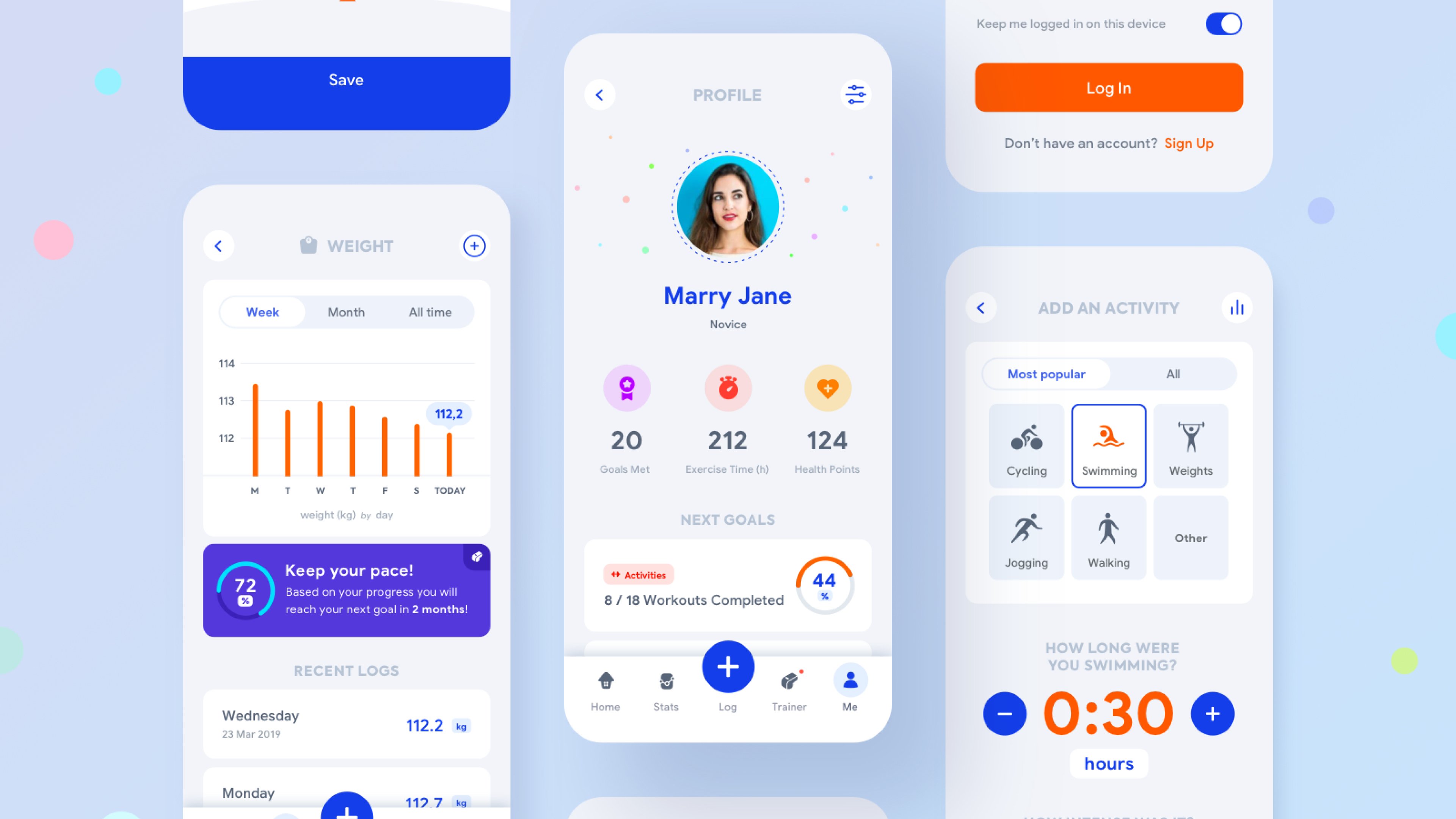
Looking ahead, the evolution of medical apps will be characterized by increasing personalization, predictive capabilities, and pervasiveness. We can expect:
- Hyper-Personalization: Apps that integrate genetic data, lifestyle choices, environmental factors, and real-time biometric data to offer truly individualized health recommendations and interventions.
- Predictive Analytics for Proactive Care: AI-driven apps that can identify individuals at high risk for specific conditions even before symptoms appear, enabling proactive preventive measures.
- Seamless Integration with Smart Environments: Medical apps becoming integral components of smart homes, smart cities, and intelligent healthcare facilities, creating a truly connected health ecosystem.
- Augmented and Virtual Reality (AR/VR): Adoption of AR/VR for surgical training, remote assistance, pain management, and therapeutic interventions, pushing the boundaries of immersive healthcare.
- Blockchain for Data Security and Consent: Wider adoption of blockchain for immutable health records, secure data sharing, and enhanced patient control over their health information.
In conclusion, medical apps represent a pivotal and rapidly expanding frontier within technology. They are more than just digital tools; they are powerful agents of change, offering unprecedented opportunities to enhance health outcomes, improve efficiency, and make healthcare more accessible and personalized. While challenges related to regulation, data security, and equitable access persist, the ongoing innovation in AI, IoT, and user experience design promises a future where medical apps are an indispensable and transformative component of global health and wellness.
aViewFromTheCave is a participant in the Amazon Services LLC Associates Program, an affiliate advertising program designed to provide a means for sites to earn advertising fees by advertising and linking to Amazon.com. Amazon, the Amazon logo, AmazonSupply, and the AmazonSupply logo are trademarks of Amazon.com, Inc. or its affiliates. As an Amazon Associate we earn affiliate commissions from qualifying purchases.