
In the competitive landscape of consumer goods, even seemingly simple pantry staples like fruit spreads are subject to intricate brand strategies. The fundamental distinctions between jelly and marmalade, while rooted in their preparation and ingredients, are profoundly amplified and leveraged through corporate identity, marketing, and design. Understanding these differences from a brand perspective illuminates how manufacturers carve out distinct niches, appeal to diverse demographics, and foster specific consumer perceptions for products that, on the surface, might appear to serve similar purposes.
The Core Product Identity: From Kitchen Staple to Market Segment
At its heart, branding begins with the product itself. The inherent characteristics of jelly and marmalade provide a rich foundation for developing unique brand identities, each appealing to different consumer desires and occasions. These distinctions are not just about taste or texture; they are about the emotional and aspirational values a brand wishes to convey.
Jelly’s Brand Identity: Clarity, Purity, Simplicity
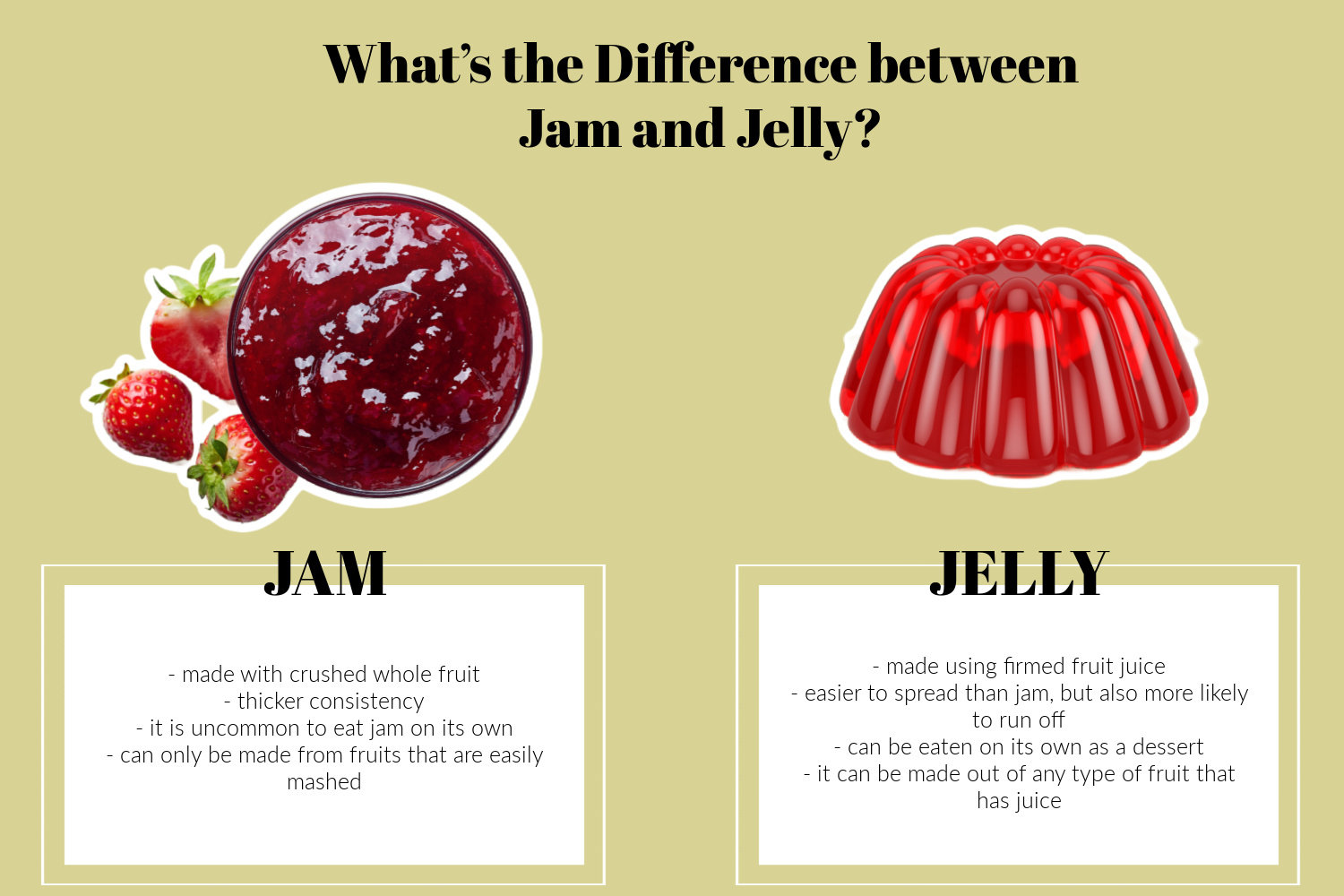
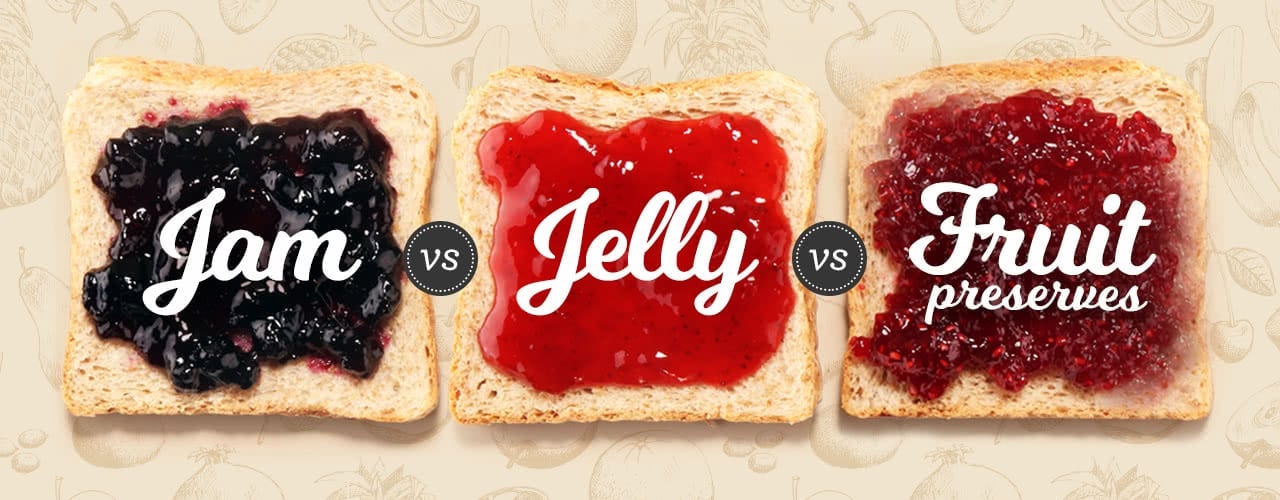
Jelly, made exclusively from fruit juice, sugar, and pectin, is characterized by its translucent appearance and smooth, seedless texture. This intrinsic clarity forms the bedrock of its brand identity. Brands positioning jelly often emphasize purity, freshness, and simplicity. The absence of fruit pulp or peel suggests an unadulterated, straightforward product. Marketing campaigns for jelly frequently highlight natural fruit flavors, making it a staple for family breakfasts, children’s lunches, and traditional comfort food. The brand narrative often revolves around wholesome goodness, ease of enjoyment, and a universally appealing sweetness. Packaging typically reflects this simplicity: clear glass jars showcasing the vibrant color of the fruit, minimalist labels, and straightforward messaging that focuses on the primary fruit ingredient (e.g., “Grape Jelly,” “Strawberry Jelly”). This positioning aims to make jelly a reliable, accessible, and reassuring choice for everyday consumption, embodying a sense of uncomplicated pleasure and nostalgic charm.
Marmalade’s Brand Identity: Sophistication, Craft, Distinctiveness
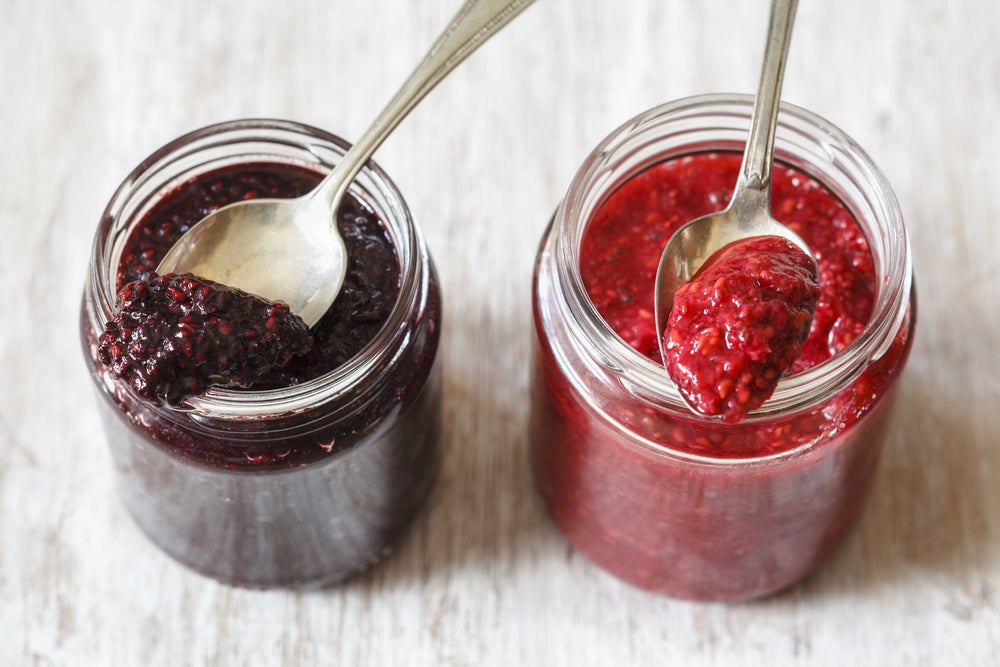
Marmalade, by contrast, is defined by its inclusion of fruit peel, typically from citrus fruits like oranges, lemons, or grapefruit. This gives it a characteristic bitter-sweet flavor profile and a textured consistency with visible shreds of peel. These attributes are central to its brand identity, which leans towards sophistication, artisanal craftsmanship, and a more refined palate. Brands selling marmalade often aim for a premium market segment, highlighting the complexity of its flavor and the traditional methods of its preparation. The presence of peel can be marketed as a sign of authenticity and a connection to age-old culinary traditions. The brand story frequently emphasizes heritage, gourmet quality, and a touch of European elegance. Packaging for marmalade often reflects this elevated positioning, utilizing more ornate labels, darker glass, or rustic designs that evoke a sense of handmade quality and timeless appeal. The target audience for marmalade is often perceived as more discerning, appreciative of nuanced flavors, and willing to pay a premium for a distinctive breakfast or tea-time experience.
Strategic Marketing and Positioning: Crafting Consumer Perception
Once the core brand identities are established, strategic marketing and positioning come into play to shape how consumers perceive and interact with these products. This involves deliberate choices in targeting, visual design, and communication channels to differentiate jelly and marmalade effectively in a crowded market.
Targeting Demographics: From Family Breakfasts to Gourmet Delights
The inherent characteristics of jelly and marmalade naturally lend themselves to different demographic targeting. Jelly brands often cast a wide net, aiming for mass market appeal. Their marketing messages frequently focus on family-friendly occasions, convenience, and affordability, positioning jelly as an essential component of a balanced breakfast or a quick snack. Advertisements might depict children enjoying toast with jelly, emphasizing its simple sweetness and ease of use. This broad appeal allows jelly brands to achieve high volume sales and widespread distribution. Marmalade brands, conversely, often adopt a more niche, lifestyle-oriented approach. They target consumers who value quality over quantity, appreciate unique flavor profiles, and seek out premium or artisanal products. Marketing might appear in gourmet food magazines, specialty stores, or alongside high-end tea and coffee brands. The narrative often speaks to sophisticated tastes, culinary exploration, and an appreciation for traditional craftsmanship, appealing to adult consumers and food enthusiasts.
Packaging and Design: Visual Cues for Distinct Market Segments
Packaging is a silent but powerful brand ambassador, communicating brand values and attracting specific consumer segments. For jelly, packaging design often prioritizes clarity and vibrant appeal. Transparent jars allow the product’s bright color to be the star, reinforcing its natural fruit origins and purity. Labels are typically clean, often featuring illustrations of whole fruits to signify freshness and flavor. The typography might be playful or classic, depending on whether the brand aims for a modern or traditional family-oriented feel. This design strategy aims for immediate recognition and an inviting, wholesome appearance. Marmalade packaging, however, frequently employs a more sophisticated aesthetic. Darker glass, embossed labels, and vintage-inspired typography are common, conveying a sense of heritage and luxury. The visual emphasis is often on the quality of ingredients, the traditional preparation, and the artisanal nature of the product, sometimes including subtle illustrations of citrus groves or classic kitchen scenes. This design language signals a premium product, often justifying a higher price point and appealing to consumers looking for an elevated culinary experience.
Brand Storytelling and Emotional Connection: Beyond the Fruit
Effective branding transcends product features; it builds an emotional connection with consumers through compelling storytelling. For jelly and marmalade, this involves leveraging their historical roots, geographic associations, and potential for innovation to create narratives that resonate deeply with their target audiences.
Heritage and Authenticity: Leveraging Tradition
Both jelly and marmalade boast rich histories, which brands strategically leverage to build authenticity and trust. Jelly, particularly in North America, is often associated with childhood memories, homemade goodness, and a sense of comforting nostalgia. Brands might tell stories of generations enjoying their products, reinforcing a sense of timeless tradition and simple pleasures. This narrative taps into consumers’ desire for familiarity and reassurance in an ever-changing world. Marmalade, on the other hand, is steeped in European, particularly British, tradition. Brands often highlight its origins, perhaps mentioning specific fruit varieties or traditional recipes passed down through centuries. This heritage narrative positions marmalade as a product with a distinguished past, connecting consumers to a sense of sophisticated history and authentic culinary craftsmanship. The emphasis on “handmade,” “small-batch,” or “classic recipe” further reinforces its artisanal appeal, commanding a sense of quality that justifies its price point.
Innovation and Modernity: Expanding the Brand Narrative
While heritage is crucial, brands must also innovate to remain relevant. For jelly, this might involve introducing new exotic fruit flavors, organic options, or low-sugar varieties to appeal to health-conscious consumers, without losing its core identity of simplicity and broad appeal. The innovation is often about extending the appeal while maintaining the core familiarity. Marmalade brands might experiment with unusual citrus combinations, infusions (e.g., ginger or whiskey marmalade), or artisan collaborations to attract a modern, adventurous palate while retaining its gourmet positioning. This innovation helps keep the brand fresh and exciting, showing that tradition can evolve without compromising its premium quality or distinctiveness. These new narratives allow brands to expand their market reach, demonstrating adaptability while staying true to their established brand identities.
Corporate Identity and Portfolio Management: Brands Beyond the Jar
For companies producing both jelly and marmalade, managing the corporate identity and product portfolio requires careful strategic planning to ensure each brand thrives without cannibalizing the other. This involves intelligent brand architecture and targeted market penetration strategies.
Brand Architecture: Housing Diverse Fruit Spreads
Large food corporations often employ a sophisticated brand architecture to manage their diverse range of fruit spreads. This might involve a master brand that encompasses various sub-brands or distinct product lines for jelly and marmalade. For instance, a company might have a widely recognized umbrella brand for all its spreads, but then market “Simply Sweet Jelly” and “Artisan Citrus Marmalade” as separate entities with their own distinct branding, target audiences, and price points. This strategy prevents confusion and allows each product to develop its own strong identity and loyal consumer base. It ensures that the brand equity built for the family-friendly jelly does not dilute the premium image of the gourmet marmalade, and vice versa. Each sub-brand can then have its own specific marketing budget, design guidelines, and distribution channels tailored to its unique positioning.
Market Penetration and Expansion Strategies
The differing brand identities of jelly and marmalade also dictate their market penetration and expansion strategies. Jelly, with its mass-market appeal, often focuses on broad distribution channels – supermarkets, discount stores, and large-scale food service providers. Its expansion strategy might involve entering new geographic markets with similar consumer preferences for sweet, simple spreads. Marmalade, conversely, might prioritize specialty food stores, online gourmet retailers, and high-end hotels or cafes. Its expansion could involve targeting regions with a strong tea-drinking culture or an appreciation for artisanal food products. International expansion for both often involves market research to understand local tastes and adapt branding accordingly, ensuring that the core differences are communicated effectively to new cultural contexts. Companies must be astute in understanding where each product best fits within different consumer landscapes to maximize reach and profitability.
The Evolving Landscape: Adapting Brands for New Tastes and Trends
The consumer landscape is constantly shifting, driven by new dietary preferences, ethical considerations, and purchasing habits. Successful brands for both jelly and marmalade must be agile, adapting their messaging and product offerings to remain relevant and competitive.
Health and Wellness Trends: Rebranding for the Conscious Consumer
The rising global emphasis on health and wellness presents both challenges and opportunities for jelly and marmalade brands. For jelly, this has led to a surge in low-sugar, no-sugar-added, or organic variants, often accompanied by branding that highlights natural ingredients, reduced calorie counts, and clean labels. The message shifts from just “sweet and simple” to “wholesome and conscious.” Marmalade brands, while often already perceived as more natural due to traditional preparation, might also emphasize organic citrus, sustainable sourcing, or artisanal processes that avoid artificial additives. The brand narrative can focus on the health benefits of citrus fruits, the absence of high-fructose corn syrup, or the use of locally sourced ingredients, appealing to consumers who scrutinize product labels and prioritize ethical consumption.
Digital Presence and Influencer Marketing
In the digital age, a brand’s online presence and engagement are paramount. For jelly, this might involve user-generated content campaigns showcasing diverse ways to enjoy the product, engaging family-focused bloggers, or creating visually appealing content for social media platforms like TikTok and Instagram, emphasizing its versatility and fun. Marmalade brands might partner with food critics, gourmet chefs, or lifestyle influencers who align with their premium image. High-quality photography, recipe development, and storytelling about the product’s heritage or unique flavor profile can resonate with a sophisticated online audience. Both product types leverage e-commerce to reach consumers directly, often offering exclusive flavors or gift sets online, thereby extending their brand reach and reinforcing their distinct market positions in a continually evolving digital marketplace.
aViewFromTheCave is a participant in the Amazon Services LLC Associates Program, an affiliate advertising program designed to provide a means for sites to earn advertising fees by advertising and linking to Amazon.com. Amazon, the Amazon logo, AmazonSupply, and the AmazonSupply logo are trademarks of Amazon.com, Inc. or its affiliates. As an Amazon Associate we earn affiliate commissions from qualifying purchases.