
In the ever-evolving landscape of culinary innovation, even the most fundamental ingredients can hold surprising complexities. When it comes to baking, yeast is the unsung hero, the tiny organism responsible for that glorious rise in bread, pizza dough, and a myriad of other delightful creations. Yet, for home bakers and even seasoned professionals, the nuances between the most common types of yeast – instant yeast and active dry yeast – can be a source of confusion. Understanding these differences isn’t just about baking success; it’s about appreciating the underlying science and optimizing your process, much like understanding the technical specifications of a new gadget or the strategic marketing behind a successful brand.
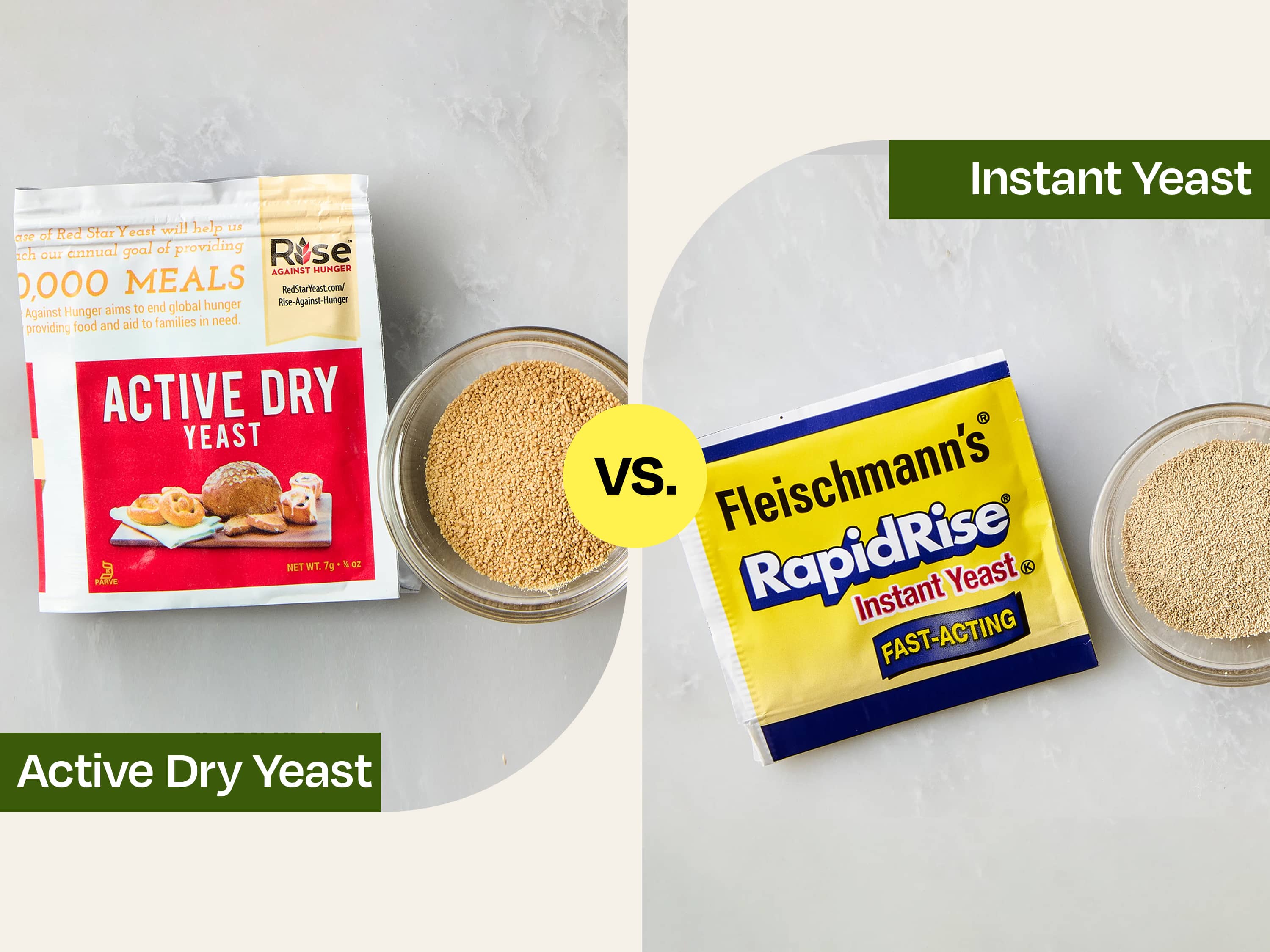
This article will delve into the distinctions between instant and active dry yeast, examining their activation processes, usage, and the impact they have on your baked goods. We’ll approach this topic through the lens of the domains that shape our modern world: Tech, Brand, and Money, highlighting how understanding these seemingly simple ingredients can reflect broader principles of efficiency, optimization, and smart decision-making.
The Science Behind the Rise: Understanding Yeast Activation
At its core, yeast is a living organism, a single-celled fungus. When provided with the right conditions – warmth, moisture, and food (sugar) – it consumes the sugars and produces carbon dioxide gas. This gas gets trapped within the gluten network of your dough, causing it to expand and create that characteristic airy texture. The primary difference between instant and active dry yeast lies in their physical form and, consequently, their activation requirements.
Active Dry Yeast: The Traditional Workhorse
Active dry yeast, as the name suggests, is in a dehydrated, granular form. Each granule contains millions of yeast cells that have been carefully dried to a dormant state. This drying process is crucial for preservation, allowing the yeast to have a long shelf life. However, this dormancy means that active dry yeast needs a bit of a wake-up call before it can get to work in your dough.
Activation: The Proofing Process
Before incorporating active dry yeast into your recipe, it’s essential to “proof” it. This involves dissolving the yeast granules in warm liquid – typically water or milk – that is between 105°F and 115°F (40°C to 46°C). This temperature range is critical; too cool and the yeast won’t activate effectively, too hot and you risk killing the delicate organisms.
Think of this activation process like booting up an older piece of technology. You need to provide the right input and environment to get it running. The warm liquid rehydrates the yeast cells and stimulates their metabolic activity. You’ll know the yeast is active when the mixture becomes foamy and bubbly, a visible sign that the yeast is alive and producing carbon dioxide. This typically takes about 5 to 10 minutes. If no foam appears, the yeast may be dead, and you’ll need to start over with fresh yeast.
Why the Proofing?
The proofing step serves a dual purpose. Firstly, it confirms the viability of your yeast. There’s nothing more frustrating than spending time kneading dough only to discover it hasn’t risen because your yeast was inactive. Secondly, it ensures that the yeast is evenly distributed throughout the liquid before being added to your dry ingredients. This leads to a more consistent rise in your final product.
Instant Yeast: The Modern, Streamlined Solution
Instant yeast, also known as rapid-rise or quick-rise yeast, represents a technological advancement in yeast production. It undergoes a more aggressive drying and milling process, resulting in significantly smaller, more porous granules. This enhanced structure allows instant yeast to rehydrate and activate much more quickly and efficiently.
Direct Incorporation: No Proofing Needed
The key differentiator for instant yeast is that it does not require proofing. Its fine granules can be mixed directly with dry ingredients, such as flour and salt, during the initial stages of dough preparation. When the wet ingredients are added, the moisture in the dough immediately begins to activate the yeast.
This direct incorporation mirrors the efficiency found in modern tech, where user interfaces are streamlined and complex processes are hidden from view. You don’t need to understand the intricate algorithms behind a smart app; you simply tap and it works. Similarly, with instant yeast, you bypass the proofing step and get straight to mixing.
The Advantages of Speed and Simplicity
The absence of proofing makes instant yeast incredibly convenient and time-saving. This is particularly appealing for busy bakers or those who want to whip up fresh bread without the extended waiting time. The smaller granules also mean that instant yeast can disperse more evenly throughout the dough, potentially leading to a more consistent texture.
Practical Application: Choosing and Using Your Yeast
The choice between instant and active dry yeast often comes down to recipe requirements, personal preference, and desired outcomes. Understanding their properties allows for informed decisions that can impact your baking efficiency and final product.
When to Use Active Dry Yeast
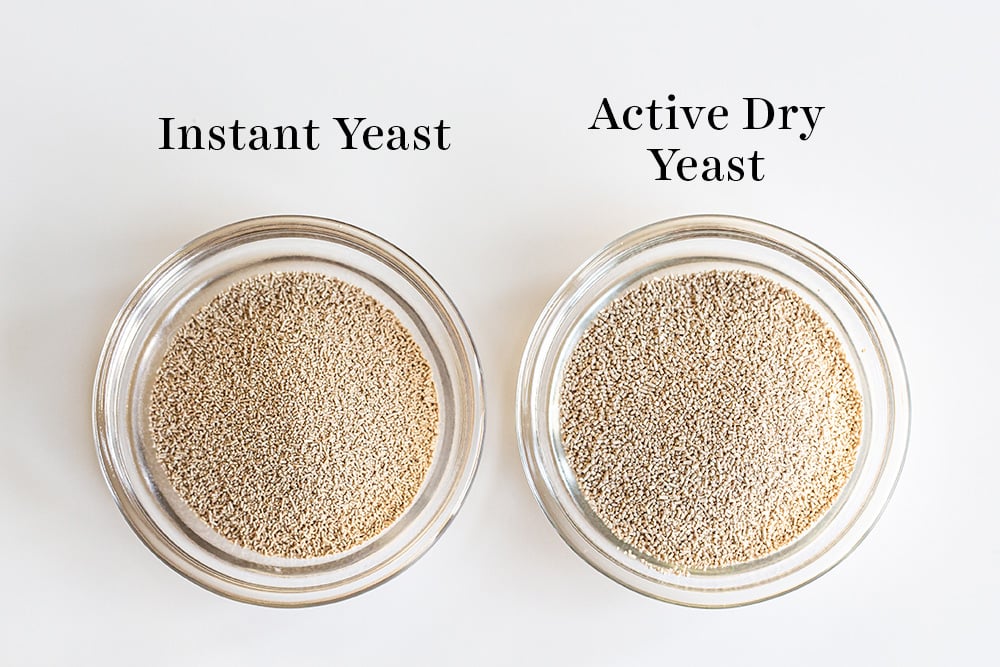
Active dry yeast is the traditional choice and is often specified in older recipes. Its proofing step provides a tactile and visual confirmation of yeast activity, which can be reassuring for some bakers. It’s a reliable option for recipes where a slightly longer fermentation time is desired, potentially contributing to more complex flavor development.
Key Considerations for Active Dry Yeast:
- Proofing is Essential: Always proof active dry yeast in warm liquid to ensure viability and even distribution.
- Temperature Sensitivity: Monitor liquid temperature carefully during proofing.
- Slightly Longer Fermentation: Recipes may be designed with a slightly longer rise time in mind.
When to Use Instant Yeast
Instant yeast is the go-to for speed and convenience. Its ability to be mixed directly with dry ingredients makes it ideal for quick breads, pizza dough, and recipes where time is a factor. It’s also a great option for bakers who prefer a simpler, more streamlined approach.
Key Considerations for Instant Yeast:
- Direct Mixing: Can be added directly to dry ingredients.
- Faster Rise Times: Often leads to quicker dough proofing.
- Adaptability: Can often be substituted 1:1 for active dry yeast in many recipes, although the proofing step will be omitted.
Substitution: A Strategic Decision
In many cases, instant yeast can be substituted for active dry yeast, and vice versa. If a recipe calls for active dry yeast, you can often use instant yeast by simply omitting the proofing step and adding it directly to your dry ingredients. Conversely, if a recipe calls for instant yeast, you can use active dry yeast, but you will need to proof it first.
This substitution strategy is akin to upgrading software or hardware. You might swap out an older component for a newer, more efficient one, but you need to understand how the new component integrates with the existing system. Similarly, when substituting yeast, consider the impact on fermentation time. Instant yeast’s faster activation might lead to a slightly quicker rise than a recipe originally intended for active dry yeast.
From a Brand perspective, the development of instant yeast represents a clear innovation aimed at improving user experience and efficiency, much like a tech company releasing a new version of their software with enhanced features and a simplified interface. The “brand” of instant yeast is built on convenience and speed, appealing to a modern consumer who values time-saving solutions. Active dry yeast, on the other hand, carries a more traditional, perhaps even artisanal, brand association, appealing to those who value process and a deeper connection to baking heritage.
The “Money” Behind the Rise: Cost and Efficiency
While the price difference between instant and active dry yeast is generally minimal, the choice can still have implications for Money and efficiency in your baking endeavors.
Cost-Effectiveness
Both types of yeast are relatively inexpensive, making them accessible for everyday baking. However, if you are a frequent baker, considering bulk purchases of either type can lead to cost savings. The primary economic consideration often boils down to minimizing waste.
Minimizing Waste and Maximizing Output
The proofing step for active dry yeast, while an important quality control measure, can sometimes lead to waste if the yeast is found to be inactive. This is akin to investing time and resources into a tech project that ultimately fails due to an unforeseen compatibility issue. Instant yeast, with its direct incorporation, reduces the risk of wasting other ingredients due to inactive yeast.
From an Online Income perspective, for those who sell baked goods, consistent results are paramount. Using instant yeast can contribute to a more predictable production schedule due to its reliable activation. This predictability can translate into more efficient workflow and potentially higher output, directly impacting profitability.
Shelf Life and Storage
Both instant and active dry yeast have a long shelf life when stored properly in a cool, dry place. However, once opened, it’s advisable to store them in an airtight container in the refrigerator or freezer to maximize their longevity. Understanding proper storage is a fundamental aspect of Personal Finance when it comes to pantry staples, preventing the premature spoilage of ingredients and saving money.
Conclusion: Mastering Your Microbial Assistants
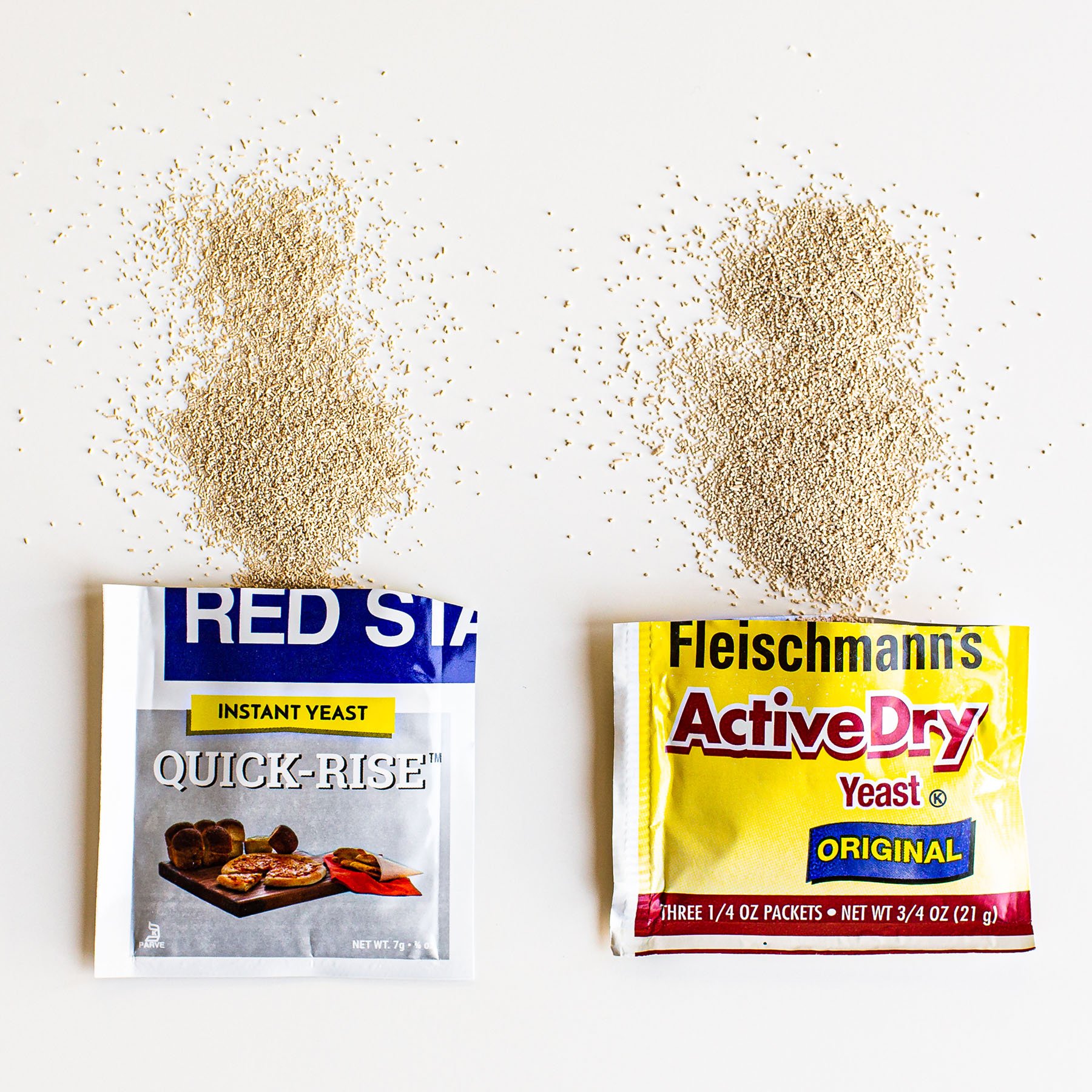
The difference between instant yeast and active dry yeast might seem subtle, but it has practical implications for your baking. Active dry yeast requires proofing, a deliberate step that confirms its vitality and ensures even distribution, offering a more traditional approach. Instant yeast, with its finer granules, can be mixed directly into dry ingredients, offering speed and convenience.
Understanding these differences allows you to make informed choices, optimize your baking process, and achieve consistent, delicious results. Whether you’re drawn to the methodical reassurance of proofing active dry yeast or the streamlined efficiency of instant yeast, both are powerful tools in your culinary arsenal. By viewing these ingredients through the lenses of Tech (efficiency and innovation), Brand (user experience and perception), and Money (cost-effectiveness and waste reduction), we can appreciate the deeper principles that guide not just our baking, but many aspects of our modern lives. So, the next time you reach for the yeast, you’ll do so with a clearer understanding of these tiny, yet mighty, marvels.
aViewFromTheCave is a participant in the Amazon Services LLC Associates Program, an affiliate advertising program designed to provide a means for sites to earn advertising fees by advertising and linking to Amazon.com. Amazon, the Amazon logo, AmazonSupply, and the AmazonSupply logo are trademarks of Amazon.com, Inc. or its affiliates. As an Amazon Associate we earn affiliate commissions from qualifying purchases.