
In the modern kitchen, the oven stands as a cornerstone appliance, a technological marvel that transforms raw ingredients into culinary delights. Yet, beneath the surface of seemingly simple heating, a significant evolution has taken place, leading to two primary oven types: the traditional “regular” oven and its more advanced counterpart, the convection oven. While both aim to cook food, their underlying technological approaches to heat distribution create vastly different cooking environments and results. Understanding these distinctions is crucial for anyone looking to optimize their cooking, whether they are a seasoned chef or a home cook looking to upgrade their kitchen tech. This article delves into the core technologies that define these ovens, highlighting their operational differences, specific use cases, and how they contribute to a smarter, more efficient cooking experience.
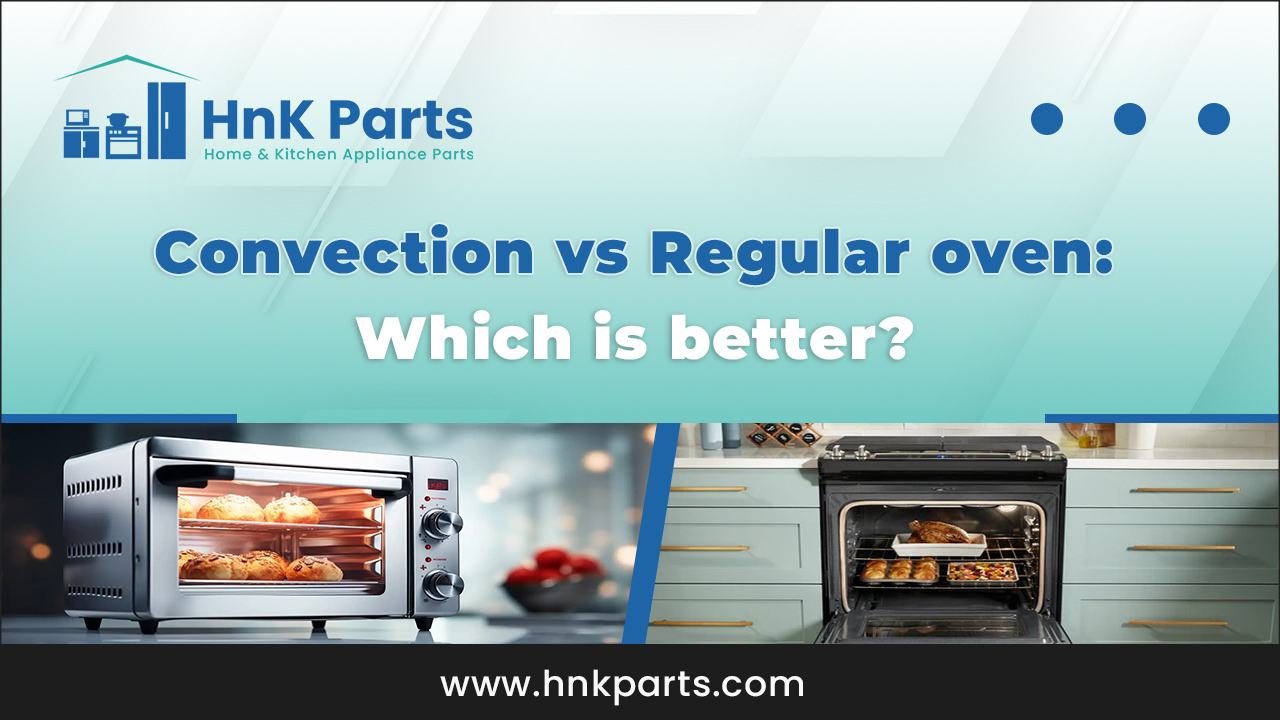
The Core Technology: How Regular Ovens Work
The regular, or traditional, oven operates on principles that have remained largely unchanged for decades, relying primarily on radiant heat and the natural phenomenon of convection. It’s a testament to enduring design, yet it comes with certain inherent limitations that modern cooking technologies aim to address.
Radiant Heat and Natural Convection
At the heart of a regular oven’s operation are its heating elements, typically located at the top and/or bottom of the oven cavity. When activated, these elements glow red-hot, radiating thermal energy directly onto the food and the oven’s interior surfaces. This direct transfer of heat is efficient for browning and searing surfaces that are in direct line of sight with the elements.
Simultaneously, the air within the oven cavity begins to heat up. Hot air, being less dense than cold air, naturally rises, while cooler air sinks. This continuous cycle of rising hot air and sinking cooler air creates a rudimentary form of heat distribution known as natural convection. This air movement helps to cook food more evenly than radiant heat alone, as it circulates the heated air around the food. However, this natural process is slow and often inefficient, leading to predictable patterns of temperature variation.
Temperature Fluctuation and Hot Spots
One of the most significant technical drawbacks of a regular oven is its tendency to develop “hot spots” and “cold spots.” Because radiant heat is strongest closer to the heating elements and natural convection is slow, the temperature within the oven cavity is rarely uniform. The top of the oven might be significantly hotter than the bottom, or the back might be hotter than the front.
Furthermore, traditional ovens often exhibit temperature fluctuations. When the oven door is opened, a significant amount of heat escapes, and the oven’s heating elements must work hard to bring the temperature back up. Even during normal operation, the thermostat might cycle on and off, leading to slight temperature swings. These inconsistencies necessitate practices like rotating baking sheets halfway through cooking to ensure even browning and doneness, which adds a layer of manual intervention to the cooking process. For delicate pastries or complex roasts, these temperature variances can be the difference between perfection and a failed dish.
Best Use Cases for Regular Ovens
Despite their limitations, regular ovens excel in certain culinary applications. Their gentler, less aggressive heating environment is ideal for dishes that require a stable, indirect heat or those that benefit from slower, more gradual cooking. Delicate baked goods like custards, soufflés, and cheesecakes, which can be sensitive to rapid air movement and quick drying, often fare better in a regular oven. The moist environment created by static air helps prevent them from drying out or cracking. Similarly, slow roasting meats, where a crisp exterior is not the primary goal but rather tender, succulent results are desired, can be perfectly achieved in a regular oven. They are also generally more affordable, making them a practical choice for those with simpler cooking needs or tighter budgets.
The Convection Advantage: Forced Air Technology
The convection oven represents a significant technological leap forward, addressing many of the inherent limitations of its traditional counterpart. Its innovation lies in the active, forced circulation of hot air, fundamentally altering the cooking environment and opening up new possibilities for efficiency and culinary precision.
The Fan and Exhaust System
The defining feature of a convection oven is its internal fan, typically located at the back of the oven cavity. This fan’s primary purpose is to circulate hot air rapidly and continuously throughout the oven. In some advanced “true convection” or “European convection” models, this fan is accompanied by a dedicated third heating element surrounding it, ensuring that the circulated air is already at the target temperature before it even enters the main cavity. This dedicated element provides an extra layer of thermal control and efficiency.
The fan works in conjunction with an exhaust system, which helps to vent some of the moist air out of the oven. This continuous movement and exhaust system create a dynamic cooking environment where heat is distributed much more uniformly than in a regular oven. It’s a sophisticated interplay of mechanics and thermodynamics designed to optimize cooking results.
Even Heat Distribution
The most immediate and profound benefit of a convection oven’s fan system is the elimination of hot spots and cold spots. By constantly moving the hot air, the fan ensures that every part of the oven cavity maintains a consistent temperature. This uniform heat distribution means that food cooks more evenly, regardless of its position on a rack. Cookies on the top rack will brown just as consistently as those on the bottom, and a roast will cook through evenly without needing constant rotation. This consistency is a major convenience for busy cooks and a critical factor for achieving professional-level results in baking and roasting.
Accelerated Cooking and Browning
The constant circulation of hot air in a convection oven does more than just distribute heat evenly; it also significantly speeds up the cooking process. Moving air transfers heat energy to food much more efficiently than static air. This means that convection ovens often cook food 25% faster than regular ovens, sometimes even more. For busy households, this efficiency translates into considerable time savings.
Furthermore, the accelerated air movement promotes better browning and crisping through what’s known as the Maillard reaction. This chemical reaction, responsible for the delicious flavor and golden-brown crust on many foods, occurs more rapidly and uniformly in a convection environment. Roasts develop a beautifully crisp skin, baked goods achieve a perfect golden hue, and roasted vegetables caramelize wonderfully, enhancing both their texture and flavor. This enhanced browning capability is a key reason why many professional kitchens favor convection technology.
Moisture Retention and Crisping

It might seem counterintuitive, but while convection ovens excel at crisping exteriors, they can also help retain moisture in the interior of certain foods. The rapid cooking time means that foods spend less time in the oven, reducing the overall moisture loss. For instance, a chicken roasted in a convection oven will often have a wonderfully crisp skin while remaining juicy and tender inside. The consistent air flow also helps to evaporate surface moisture quickly, which is essential for achieving a truly crispy texture on items like chicken wings, fries, or certain breads. The balance between surface crisping and interior succulence is one of the convection oven’s most celebrated attributes, making it a versatile tool for a wide range of dishes.
Technical Specifications and Operational Differences
Moving beyond the basic principles, a deeper dive into the technical specifics reveals how convection ovens demand a slightly different approach to cooking compared to their traditional counterparts. Understanding these nuances is key to fully leveraging the technology.
Temperature Adjustment and Conversion
One of the most common questions surrounding convection ovens is how to adapt existing recipes. Due to the efficient heat transfer of circulating air, food cooks faster and more thoroughly at the same temperature. As a general rule of thumb, when converting a recipe designed for a regular oven to a convection oven, you should either reduce the cooking temperature by 25°F (about 15°C) or shorten the cooking time by 25%. Many modern convection ovens come with an “auto-convert” feature that automatically adjusts the temperature when a regular oven recipe is entered, simplifying the process and making the technology more user-friendly. This integrated intelligence highlights the ongoing trend of smarter kitchen appliances.
Fan Modes: True Convection vs. Standard Convection
Not all convection ovens are created equal, and understanding the different fan modes is crucial for maximizing performance. This is a significant technological distinction:
- Standard Convection (or “Convection Bake”): These ovens feature a fan, typically located at the back, that circulates air heated by the existing top and bottom heating elements. While this provides better air distribution than a regular oven, the air still draws its heat from these primary elements, which can sometimes lead to slight temperature variations if those elements cycle on and off aggressively.
- True Convection (also known as “European Convection” or “Third-Element Convection”): This is the gold standard in convection technology. In addition to the fan, these ovens include a third heating element around the fan itself. This dedicated element pre-heats the air before it’s circulated into the oven cavity, ensuring truly uniform and consistent heat from the moment the air enters the cooking zone. This leads to superior evenness, faster cooking times, and more consistent results, especially when baking multiple trays of food simultaneously. This advanced design is a prime example of targeted engineering enhancing appliance functionality.
Some ovens also offer “convection roast” settings, which often utilize higher temperatures and a more powerful fan to create a searing effect for meats, while others might have “convection broil” for intense top-down browning. The versatility offered by these different modes underscores the sophisticated control systems embedded within modern convection ovens.
Energy Efficiency Considerations
From an energy consumption standpoint, the comparison is nuanced. Convection ovens generally cook food faster, which means they are operational for shorter periods. This reduced cooking time often translates to energy savings over the long run, even considering the energy required to power the fan and potentially a third heating element. The more efficient heat transfer means less energy is wasted. Additionally, because food cooks more evenly, there’s less need to open the oven door to check on progress or rotate dishes, further conserving heat and energy. While the upfront cost of a convection oven might be higher, the long-term energy savings and improved cooking performance can offset this initial investment, making it a more eco-conscious and economical choice for frequent users.
Installation and Maintenance
From an installation perspective, both oven types generally require similar electrical connections. However, convection ovens, particularly those with true convection, might have slightly more complex internal wiring for their additional heating elements and fan systems. Maintenance for a convection oven involves the standard cleaning of the oven cavity, but also includes occasional checks of the fan and its surrounding area to ensure no debris obstructs its operation. While not typically a user-serviceable part, awareness of its function is important. The internal components, while robust, are precision-engineered to withstand high temperatures and continuous operation, reflecting the durable design of modern kitchen appliances.
Deciding on Your Kitchen Tech: Convection vs. Regular
The choice between a convection and a regular oven ultimately boils down to individual cooking habits, culinary aspirations, and budget. Both technologies have their merits, and the “best” option is the one that aligns most closely with your specific needs and how you interact with your kitchen tech.
When a Regular Oven Suffices
For many households, a regular oven remains a perfectly adequate and reliable piece of kitchen equipment. If your cooking primarily involves baking simple casseroles, preparing frozen pizzas, or cooking dishes that benefit from a gentle, static heat – like delicate soufflés or slow-cooked stews – a regular oven will likely meet your needs. It’s also the more budget-friendly option upfront, making it a practical choice for those with less demanding culinary requirements or limited kitchen budgets. For occasional bakers or those who prefer traditional cooking methods, the simplicity and familiarity of a regular oven can be an advantage. There’s a certain charm in its predictability, and many cherished family recipes were developed with its unique characteristics in mind.
When to Upgrade to Convection
For serious home cooks, enthusiastic bakers, or anyone seeking to elevate their culinary game, upgrading to a convection oven is a compelling proposition. If you frequently roast meats and vegetables, bake multiple trays of cookies, or are often frustrated by uneven browning and long cooking times, convection technology offers a significant upgrade. The faster cooking, even heat distribution, and superior browning capabilities can transform your results, making cooking more efficient and enjoyable. From achieving perfectly crispy chicken skin to consistently baked pastries, a convection oven opens up a world of culinary possibilities. It’s an investment in efficiency, precision, and the overall quality of your cooked dishes, aligning with the growing trend towards performance-oriented kitchen gadgets.

Hybrid Models and Smart Features
The modern kitchen appliance market increasingly offers sophisticated solutions that blur the lines between traditional and advanced. Many contemporary ovens are hybrid models, offering both regular (conventional bake) and convection modes. This versatility allows users to choose the optimal cooking method for each dish, providing the best of both worlds. You can use the conventional mode for delicate items and switch to convection for roasting or batch baking.
Beyond just cooking modes, the latest generation of ovens often integrates smart features, further cementing their place within the “Tech” category. These can include:
- Wi-Fi Connectivity: Allowing remote preheating, temperature adjustment, and cooking notifications via a smartphone app.
- Recipe Integration: Built-in recipe databases that automatically set the correct temperature and time, often with an auto-convert feature for convection.
- Voice Control: Compatibility with smart home assistants like Amazon Alexa or Google Assistant for hands-free operation.
- Temperature Probes: Integrated probes that monitor the internal temperature of food and automatically shut off the oven when the desired doneness is reached, preventing overcooking.
- Self-Cleaning Cycles: Advanced pyrolysis or steam cleaning functions that simplify maintenance.
These smart functionalities transform the oven from a simple heating box into an intelligent cooking assistant, enhancing convenience, precision, and the overall user experience. They represent the cutting edge of kitchen technology, making cooking more intuitive and integrated into the broader smart home ecosystem.
In conclusion, the fundamental difference between convection and regular ovens lies in their approach to heat distribution: static radiant heat versus dynamic forced air. This technological distinction has profound implications for cooking time, food texture, and overall efficiency. While regular ovens remain a reliable choice for many, the advent of convection technology, especially true convection, offers a significant upgrade for those seeking more consistent, faster, and versatile cooking results. With the increasing availability of hybrid and smart-enabled models, understanding these core differences empowers consumers to choose the kitchen tech that best suits their culinary ambitions and lifestyle, making an informed decision that enhances their daily cooking experience.
aViewFromTheCave is a participant in the Amazon Services LLC Associates Program, an affiliate advertising program designed to provide a means for sites to earn advertising fees by advertising and linking to Amazon.com. Amazon, the Amazon logo, AmazonSupply, and the AmazonSupply logo are trademarks of Amazon.com, Inc. or its affiliates. As an Amazon Associate we earn affiliate commissions from qualifying purchases.