
The world of digital assets has rapidly evolved, introducing a lexicon often used interchangeably, leading to widespread confusion. One of the most common points of misunderstanding revolves around the terms “Bitcoin” and “crypto.” While frequently used as synonyms in casual conversation, especially within financial discussions, they represent distinct concepts within the broader ecosystem of digital finance. Understanding this fundamental difference is crucial for anyone looking to navigate, invest in, or simply comprehend the modern financial landscape.
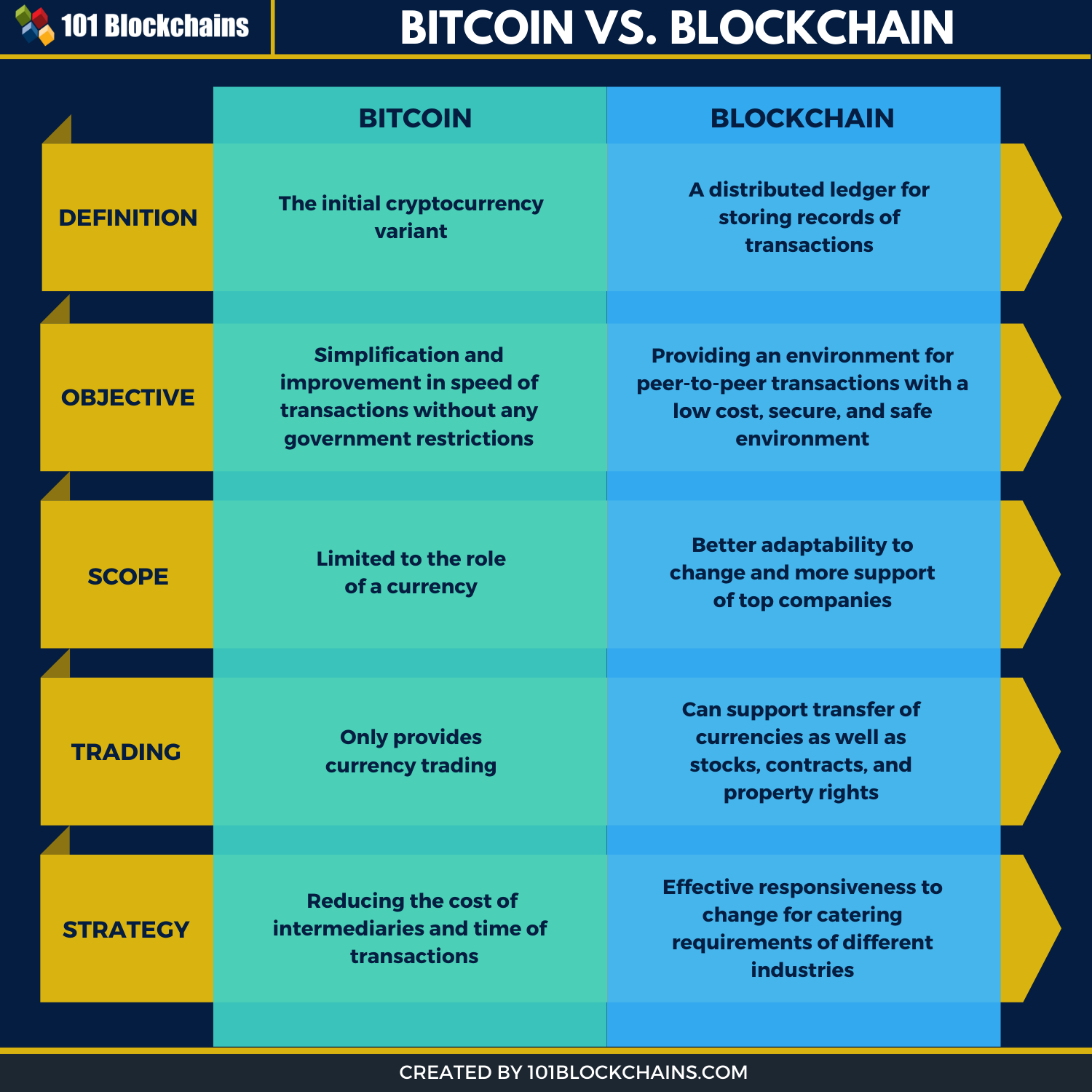
At its core, Bitcoin is a cryptocurrency, whereas “crypto” or “cryptocurrency” is the overarching term for all digital assets that utilize cryptography for security and operate on decentralized networks. Think of it like this: all squares are rectangles, but not all rectangles are squares. Similarly, Bitcoin is a specific type of cryptocurrency, but not all cryptocurrencies are Bitcoin. This distinction is paramount when analyzing investment opportunities, assessing market trends, or understanding the technological underpinnings that drive this new financial paradigm.
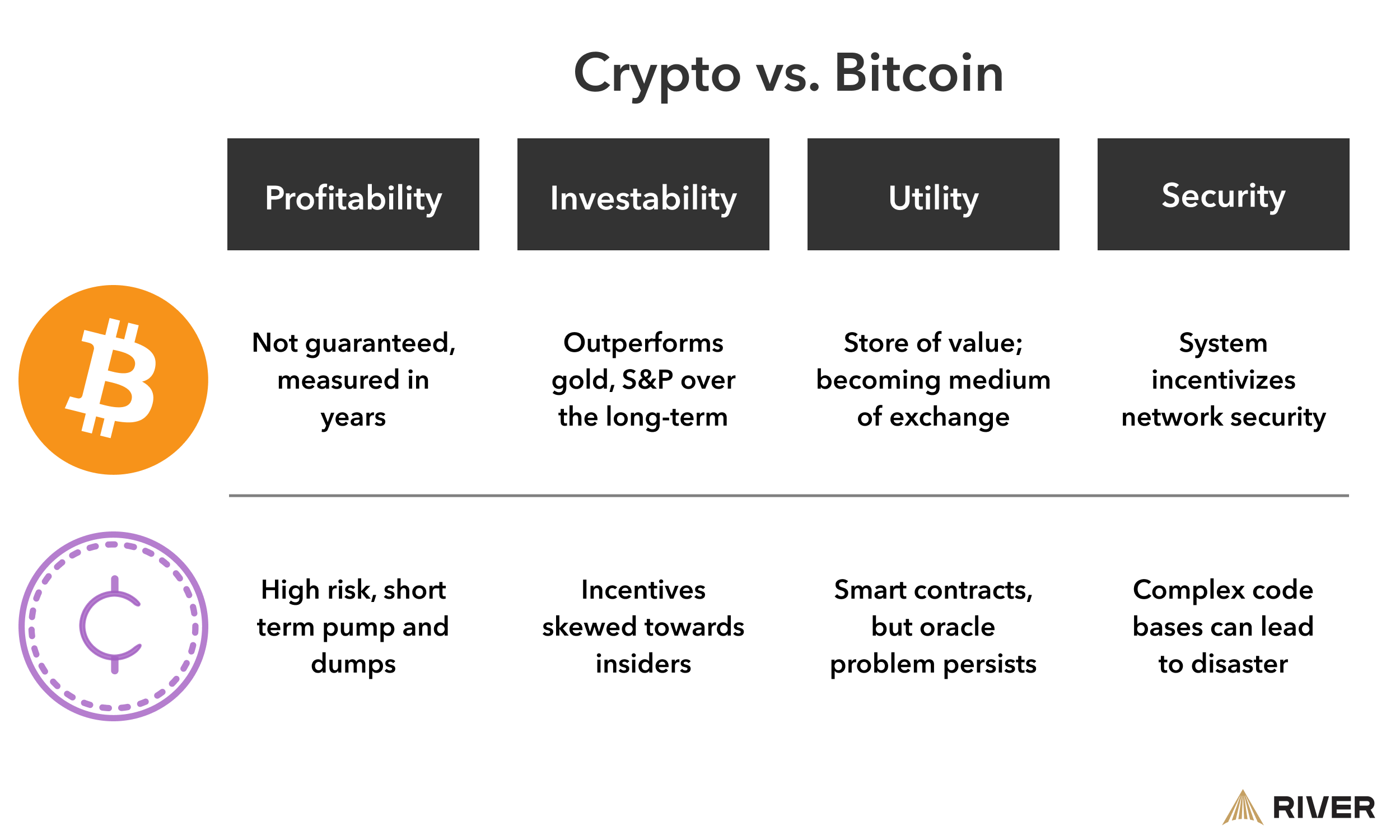
The Foundational Distinction: Bitcoin as the First, Crypto as the Category
To truly grasp the relationship between Bitcoin and crypto, one must first appreciate the historical context and the revolutionary nature of Bitcoin’s emergence. It was not merely another digital currency; it was the genesis of an entirely new financial asset class, paving the way for everything that followed.
Understanding Cryptocurrency as an Asset Class
Cryptocurrency, broadly defined, refers to digital or virtual currencies secured by cryptography, making them nearly impossible to counterfeit or double-spend. These assets are typically decentralized, meaning they are not subject to government or financial institution control. This decentralization, coupled with their underlying blockchain technology, offers a promise of transparency, immutability, and censorship resistance – qualities that stand in stark contrast to traditional fiat currencies and banking systems.
As an asset class, cryptocurrencies present a unique blend of characteristics. They can function as a medium of exchange, a unit of account, and a store of value, much like traditional money. However, their digital nature and reliance on distributed ledger technology introduce new dimensions of utility, programmability, and global accessibility. Investors often categorize them based on their market capitalization, technological sophistication, and intended use case, ranging from payment systems to complex decentralized applications (dApps). Understanding crypto as an asset class means recognizing its potential to diversify investment portfolios, hedge against inflation (in some cases), and provide exposure to cutting-edge technological innovation.
Bitcoin’s Genesis: A Monetary Revolution
Bitcoin was the first successful implementation of a cryptocurrency, launched in 2009 by an anonymous entity known as Satoshi Nakamoto. Its creation was a direct response to the global financial crisis of 2008, designed to be an electronic peer-to-peer cash system independent of centralized authorities. Bitcoin introduced several groundbreaking concepts that laid the groundwork for the entire crypto industry:
-
Decentralization: No single entity controls Bitcoin. Its network is maintained by a global community of users and miners, ensuring transactions are verified and the ledger is updated without intermediaries. This autonomy from banks and governments was a radical proposition.
-
Scarcity: Bitcoin has a fixed supply cap of 21 million coins, a design choice intended to emulate the scarcity of precious metals like gold. This programmed scarcity is a critical economic feature, designed to prevent inflation and preserve value over time.
-
Proof-of-Work (PoW): Bitcoin uses a PoW consensus mechanism, where “miners” compete to solve complex cryptographic puzzles to validate transactions and add new blocks to the blockchain. This process secures the network and issues new bitcoins as rewards.
From a financial perspective, Bitcoin’s launch represented not just a technological feat but a profound statement on monetary policy, trust, and the future of value exchange. It offered a glimpse into a world where individuals could control their wealth directly, free from the whims of centralized institutions, thereby initiating a monetary revolution that continues to unfold.
Bitcoin: The Digital Gold Standard and Macro-Asset
Bitcoin’s unique characteristics and pioneering status have positioned it as the de facto “digital gold” within the crypto space. It is often seen as a store of value and a hedge against economic uncertainty, attracting both retail and institutional investors seeking an alternative to traditional financial instruments.
Bitcoin’s Economic Model and Value Proposition
Bitcoin’s economic model is built on principles of scarcity, predictability, and censorship resistance. Its fixed supply ensures that its value is not diluted by arbitrary printing, a common concern with fiat currencies. The “halving” event, occurring approximately every four years, cuts the rate at which new bitcoins are created, reinforcing its scarcity and often leading to significant price appreciation. This predictable supply schedule, combined with growing demand, forms the basis of its store-of-value proposition.
Moreover, Bitcoin’s decentralized and borderless nature makes it a robust asset in an increasingly globalized and interconnected financial system. It offers individuals and businesses the ability to transfer value across international borders with relative ease and low cost, without relying on traditional banking infrastructure. This utility, coupled with its resistance to seizure or censorship, enhances its appeal as a safe haven asset during geopolitical or economic instability. For many investors, Bitcoin represents a long-term investment in a new monetary paradigm, a hedge against inflation, and a potential substitute for gold in the digital age.
Investment Profile: Bitcoin in a Diversified Portfolio
When considering investment, Bitcoin often stands apart from other cryptocurrencies. Its market dominance, longer track record, and relatively higher liquidity make it a primary entry point for many institutional investors and corporations. Companies like MicroStrategy and Tesla have added Bitcoin to their balance sheets, recognizing its potential as a reserve asset. Similarly, major financial institutions are now offering Bitcoin-related products, such as spot Bitcoin ETFs, making it more accessible to a broader range of investors within regulated frameworks.
For a diversified investment portfolio, Bitcoin can play several roles. Some view it as a high-growth asset, given its historical volatility and potential for significant returns. Others see it as a non-correlated asset that can help reduce overall portfolio risk, although its correlation with traditional markets has increased at times. Strategic allocation to Bitcoin often involves a long-term perspective, emphasizing its fundamental properties rather than short-term price fluctuations. Investors considering Bitcoin typically weigh its potential for capital appreciation against its inherent volatility, integrating it into a broader financial strategy that aligns with their risk tolerance and investment horizons.
The Diverse Ecosystem of “Crypto”: Altcoins and Their Financial Innovation
While Bitcoin established the initial framework, the “crypto” ecosystem has exploded with thousands of other cryptocurrencies, often referred to as “altcoins” (alternatives to Bitcoin). These altcoins are not merely clones of Bitcoin; they are innovative projects designed to address specific problems, offer new functionalities, or build entirely new decentralized financial systems. Their diversity underscores the vast potential of blockchain technology beyond just digital cash.
Ethereum and the Rise of Decentralized Finance (DeFi)
Perhaps the most significant altcoin is Ethereum (ETH). Launched in 2015, Ethereum introduced the concept of a “smart contract” platform, allowing developers to build decentralized applications (dApps) directly on its blockchain. Smart contracts are self-executing agreements with the terms of the agreement directly written into code. This innovation opened the floodgates for Decentralized Finance (DeFi).
DeFi aims to recreate traditional financial services—like lending, borrowing, trading, and insurance—without central intermediaries. On Ethereum, users can stake their crypto, earn interest, take out loans, exchange tokens, and participate in complex financial instruments, all governed by smart contracts and transparently recorded on the blockchain. Ethereum’s robust ecosystem, large developer community, and continuous innovation (like the transition to Proof-of-Stake with Ethereum 2.0) make it a cornerstone of the broader crypto financial landscape. Investing in Ethereum is often seen as an investment in the future of decentralized computing and the programmable economy.
Stablecoins: Bridging Traditional and Digital Finance
A crucial category of altcoins for financial stability and utility are stablecoins. These cryptocurrencies are designed to minimize price volatility by pegging their value to a “stable” asset, most commonly fiat currencies like the US dollar (e.g., USDT, USDC) or sometimes to commodities like gold. Stablecoins serve several critical financial functions:
-
Risk Mitigation: They allow crypto investors and traders to park their funds in a stable asset during periods of high market volatility without having to convert back to traditional fiat currency, avoiding conversion fees and delays.
-
Trading Pairs: Many cryptocurrency exchanges use stablecoins as base trading pairs, enabling efficient and fast trading against other volatile cryptocurrencies.
-
Remittances and Payments: Their stability makes them suitable for cross-border payments and remittances, offering a faster and cheaper alternative to traditional banking wires.
Stablecoins act as a vital bridge between the volatile world of cryptocurrencies and the stability of traditional finance, facilitating liquidity and enabling a wider range of financial activities within the digital asset space.
Utility Tokens and Specialized Financial Applications
Beyond major platforms like Ethereum and stablecoins, thousands of other altcoins exist, each with a specific utility or financial purpose. These include:
-
Governance Tokens: These tokens grant holders voting rights in the decentralized autonomous organizations (DAOs) that govern many DeFi protocols, allowing them to shape the future development and financial policies of the network.
-
Exchange Tokens: Issued by cryptocurrency exchanges (e.g., BNB for Binance), these tokens often provide holders with trading fee discounts, access to exclusive features, and participation in launchpads.
-
NFTs (Non-Fungible Tokens): While not currencies in the traditional sense, NFTs represent ownership of unique digital assets (art, collectibles, real estate) and have created a new market for digital property rights and speculative investment.
-
Layer-1 and Layer-2 Solutions: Many altcoins represent competing blockchain platforms (e.g., Solana, Cardano, Avalanche) or scaling solutions (e.g., Polygon) designed to improve transaction speed, reduce costs, and enhance the overall efficiency of decentralized networks, impacting their economic viability and adoption.
The vast array of altcoins showcases the ongoing innovation in digital finance, offering investors a broad spectrum of opportunities to engage with different technologies and economic models beyond Bitcoin.
Navigating the Investment Landscape: Risk, Opportunity, and Strategy
Investing in cryptocurrencies, whether Bitcoin or altcoins, presents a unique set of opportunities and challenges. The decentralized, nascent nature of the market necessitates a careful approach to risk management and strategic allocation.
Volatility and Risk Management in Crypto Investing
One of the most defining characteristics of the crypto market is its extreme volatility. Prices can fluctuate wildly within short periods, driven by market sentiment, regulatory news, technological developments, and macroeconomic factors. This volatility presents both significant opportunities for high returns and substantial risks of capital loss.
Effective risk management strategies are crucial for crypto investors:
-
Diversification: While Bitcoin offers a degree of stability compared to many altcoins, diversifying across different types of cryptocurrencies (Bitcoin, Ethereum, stablecoins, utility tokens) and even into traditional assets can help mitigate risk.
-
Dollar-Cost Averaging (DCA): Investing a fixed amount of money at regular intervals, regardless of the asset’s price, can help average out the purchase price over time and reduce the impact of volatility.
-
Position Sizing: Limiting the percentage of your total portfolio allocated to crypto assets, especially more speculative altcoins, is vital to protect against significant losses.
-
Long-Term Horizon: Many experienced crypto investors advocate for a long-term holding strategy, focusing on the fundamental value proposition of projects rather than succumbing to short-term market noise.
Regulatory Considerations and Market Maturity
The regulatory landscape for cryptocurrencies is still evolving globally. Different jurisdictions have adopted varying approaches, ranging from outright bans to embracing crypto innovation. Regulatory uncertainty can significantly impact market sentiment and the viability of certain projects. Investors must be aware of:
-
Taxation: How crypto gains and losses are taxed in their jurisdiction is a critical financial consideration.
-
Consumer Protection: The level of regulatory oversight impacts the protection offered to investors against fraud, market manipulation, and exchange failures.
-
Security: Safeguarding digital assets through secure wallets (hardware wallets, cold storage) and best practices is paramount, as the decentralized nature means individuals are solely responsible for their funds.
As the market matures, increased regulatory clarity is expected to bring more institutional money and wider adoption, potentially leading to reduced volatility and greater stability. However, understanding the current regulatory environment and its implications for investment decisions remains essential.
The Future of Digital Assets and Their Impact on Global Finance
The distinction between Bitcoin and the broader category of “crypto” is not just academic; it reflects the ongoing evolution of digital finance and its profound impact on the global economic system. Both Bitcoin and the diverse array of altcoins are collectively reshaping how we perceive, use, and interact with money and value.
Mainstream Adoption and the Integration with Traditional Financial Systems
The trajectory of digital assets points towards increasing mainstream adoption and deeper integration with traditional financial systems. Major payment processors now support crypto transactions, banks are exploring blockchain solutions, and central banks worldwide are investigating Central Bank Digital Currencies (CBDCs). This integration is multi-faceted:
-
Payment Rails: Cryptocurrencies, particularly stablecoins, are being explored as more efficient and cost-effective payment rails for international remittances and e-commerce.
-
Institutional Participation: Pension funds, hedge funds, and corporate treasuries are allocating capital to Bitcoin and other digital assets, signaling a growing acceptance and institutionalization of the asset class.
-
Tokenization of Assets: The ability to represent real-world assets (like real estate, stocks, or commodities) as digital tokens on a blockchain promises to revolutionize capital markets by increasing liquidity, transparency, and accessibility.
This growing synergy suggests a future where digital assets are not merely an alternative but an integral component of a more efficient, inclusive, and globally connected financial ecosystem.

The Long-Term Vision: Reshaping Economic Paradigms
Ultimately, the difference between Bitcoin and crypto highlights the scope of a transformative movement. Bitcoin laid the philosophical and technical groundwork for a decentralized, censorship-resistant form of money. The thousands of altcoins that followed expanded this vision, creating an entire ecosystem of programmable finance, digital ownership, and novel economic models.
This evolution is challenging established economic paradigms, questioning the role of central banks, traditional intermediaries, and nation-state controlled monetary policy. The long-term vision of digital assets extends to:
-
Financial Inclusion: Providing banking services to the unbanked and underbanked populations globally.
-
Enhanced Efficiency: Reducing the cost and time associated with financial transactions and settlement.
-
New Economic Models: Enabling peer-to-peer economies, micro-payments, and entirely new forms of digital entrepreneurship and value creation.
In conclusion, while “crypto” serves as the umbrella term for the vast universe of digital assets, Bitcoin stands as its genesis, its most recognized pioneer, and often its benchmark. Understanding this critical distinction is not merely a matter of semantics but a prerequisite for comprehending the financial innovations, investment opportunities, and the profound economic shifts that are defining the 21st century. As the digital asset space continues to mature, differentiating between the foundational digital gold and the expansive spectrum of digital financial tools will be ever more critical for informed decision-making in the evolving world of money.
aViewFromTheCave is a participant in the Amazon Services LLC Associates Program, an affiliate advertising program designed to provide a means for sites to earn advertising fees by advertising and linking to Amazon.com. Amazon, the Amazon logo, AmazonSupply, and the AmazonSupply logo are trademarks of Amazon.com, Inc. or its affiliates. As an Amazon Associate we earn affiliate commissions from qualifying purchases.