
In the world of cue sports, the terms “billiards” and “pool” are often used interchangeably by the casual observer. However, from a brand strategy and marketing perspective, these two terms represent vastly different identities, consumer demographics, and historical legacies. Understanding the difference between billiards and pool is not merely a lesson in physics or rulebooks; it is a masterclass in how nomenclature and brand positioning can define an entire industry.
For businesses, room owners, and equipment manufacturers, the choice of terminology dictates the “brand story” they are telling. One evokes images of smoke-filled European salons and aristocratic precision, while the other suggests the high-energy, social atmosphere of American mid-century recreation. To truly understand the market landscape of cue sports, we must dissect the brand identities that separate the two.
The Heritage Factor: Defining the Luxury Brand of Billiards
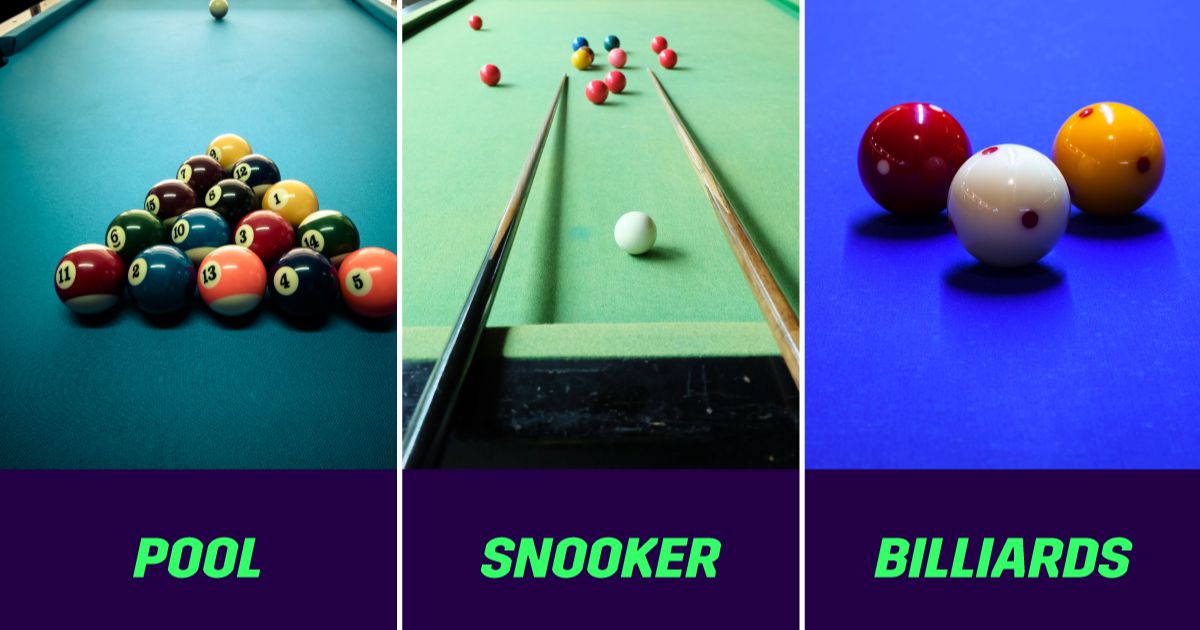
When we speak of “Billiards” in its strictest sense, we are often referring to Carom Billiards. This is the “heritage brand” of the cue sports world. Unlike pool, carom billiards is played on a table without pockets, using three balls. From a brand strategy perspective, Billiards positions itself as a pursuit of intellect, geometry, and refined skill.
The European Aristocratic Aesthetic
The brand identity of billiards is rooted in 15th-century European royalty. Originally an indoor version of a lawn game (similar to croquet), it was the “Sport of Kings.” This historical weight provides a “prestige” brand equity that pool often struggles to match. When a brand uses the word “Billiards” in its corporate identity, it is intentionally signaling luxury, tradition, and a slower, more contemplative pace of play. This is why high-end hotel lounges often feature a “Billiard Room” rather than a “Pool Hall”—the name itself elevates the perceived value of the space.
Material Quality as a Brand Signifier
In the branding of billiards, the equipment is the star. Carom tables are typically larger and often heated to reduce friction on the cloth, allowing the balls to glide with unnatural smoothness. The marketing of billiard equipment focuses on craftsmanship, slate quality, and precision engineering. For a brand strategist, this represents a “premium” market segment where the barrier to entry is high, and the consumer loyalty is based on the technical excellence of the product rather than social trends.
The Democratization of the Game: Pool as the Everyman’s Brand
While billiards represents the elite, “Pool” represents the masses. The brand of pool is built on accessibility, social interaction, and high-stakes excitement. Originating from “poolrooms” where people gathered to bet on horse races (and played billiards to pass the time), the term “pool” eventually stuck to the pocket-based version of the game.
Social Connectivity and Pub Culture
The brand strategy behind pool is centered on community. Pool is a “social brand.” It is designed to be played in bars, community centers, and recreational halls. Unlike the solitary, meditative nature of carom billiards, pool is a catalyst for conversation. Marketing efforts for pool halls focus on “vibe,” music, craft beer, and league play. The identity of pool is rugged, approachable, and inherently democratic. It is a brand that anyone can participate in, regardless of socioeconomic status, making it a highly scalable business model for entertainment venues.
Scalability in Marketing and Media
Pool is significantly easier to market to a modern audience than carom billiards. The presence of pockets provides a clear, visual “win state” that is easy for spectators to follow. This has allowed pool brands—such as the World Pool-Billiard Association (WPA)—to create televised formats like 9-Ball and 10-Ball that fit perfectly into the fast-paced requirements of modern sports broadcasting. From a branding perspective, pool is the “commercial” arm of the industry, capable of securing sponsorships from beverage companies and lifestyle brands.
Strategic Differentiation: How Rules and Equipment Shape Brand Identity
The distinction between these two brands is also found in their physical “product design.” A brand’s identity is often reinforced by the tangible elements the consumer interacts with. In cue sports, the table size, the ball diameter, and even the color of the cloth serve as brand touchpoints.
The Technicality of Carom vs. Pocket Games
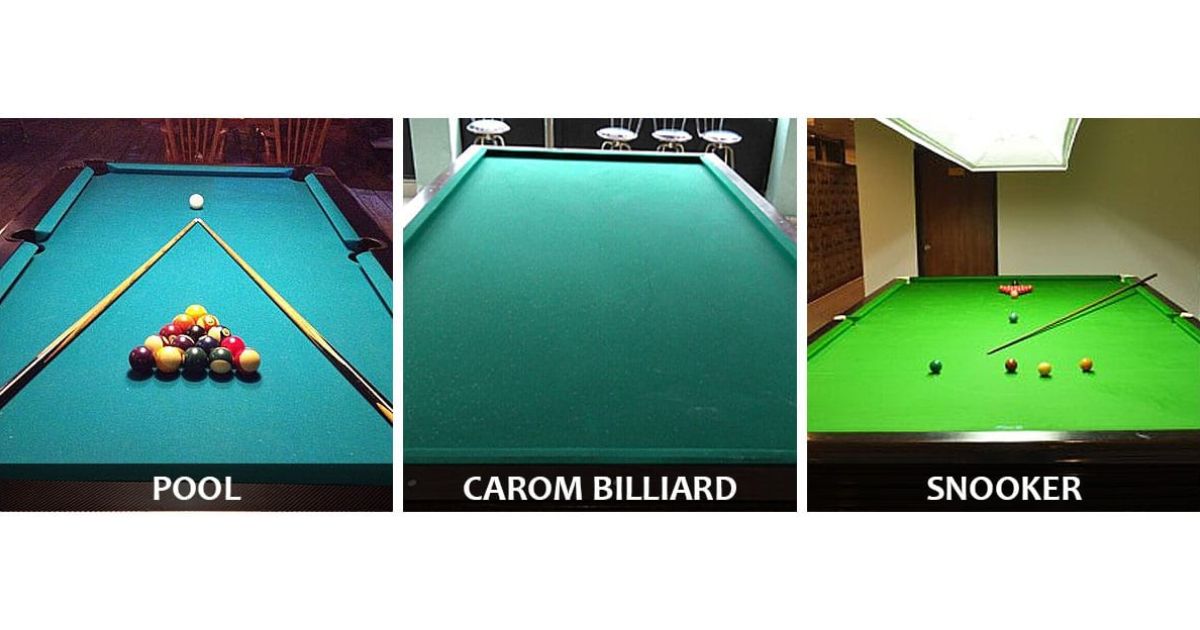
The “product” of billiards is complexity. Because there are no pockets, the player must use the cushions and the friction of the cloth to score points through “caroms” (hitting both object balls with the cue ball). This positions the brand as a “specialist” product. Conversely, pool’s product design—the six pockets—makes the game’s objective intuitive. This “user-friendly” design is a classic branding move to lower the learning curve and increase the total addressable market (TAM).
Visual Cues: Table Size and Felt Color
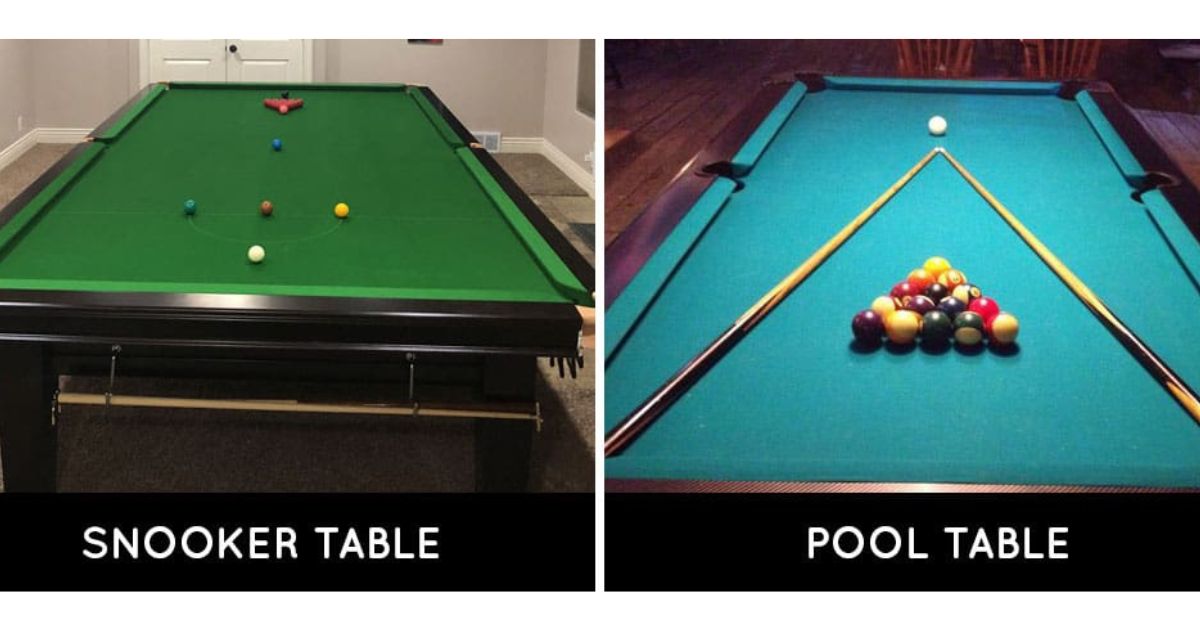
If you walk into a room, the visual branding tells you immediately which game is being played. Billiards tables are traditionally 10 feet long, while professional pool tables are 9 feet (with “bar boxes” at 7 feet). Even the felt color plays a role in brand perception. While green is the traditional “heritage” color for both, professional pool has shifted toward a specific shade of “tournament blue” for better visibility on digital screens. This shift represents a brand pivot from “tradition” to “performance and media-readiness.”
Modern Brand Reinvigoration: The New Identity of Cue Sports
In the 21st century, the lines between billiards and pool are being blurred by a new wave of “Cue Sports” branding. As the industry seeks to shed the “gritty pool hall” image of the 1970s, brands are focusing on professionalization, digital integration, and personal branding for athletes.
The Rise of Professional Tours and Corporate Identity
Organizations like the Matchroom Pool have revolutionized the branding of the sport. They have taken the “pool” product and wrapped it in the production value of a professional wrestling event or a Formula 1 race. This is a strategic brand repositioning. By using high-contrast lighting, walk-on music, and sleek jerseys, they are moving the brand away from “recreation” and toward “elite professional sport.” This attracts a different caliber of corporate sponsors—tech companies, watchmakers, and global logistics firms—who want to be associated with precision and high-pressure performance.
Leveraging Social Media for Niche Authority
The difference between billiards and pool is also being played out on digital platforms. “Billiards” creators on YouTube and TikTok often focus on “trick shots” and the “artistry” of the game, leaning into the brand of the “master craftsman.” Meanwhile, “Pool” influencers focus on “road player” stories, gambling matches (action), and instructional content for league players.
For a brand strategist, this represents two distinct content funnels. The billiards funnel is “Aspiration and Wonder,” while the pool funnel is “Participation and Improvement.” Both are highly effective, but they target different psychological triggers in the consumer.
Conclusion: Choosing the Right Brand Path
In conclusion, the difference between billiards and pool is a matter of market positioning. Billiards is the luxury, heritage brand defined by its history, technical difficulty, and pocketless tables. Pool is the lifestyle brand defined by its social accessibility, commercial viability, and pocket-based gameplay.
For businesses operating in this space—whether they are selling cues, opening a lounge, or launching a digital app—choosing the right terminology is the first step in their brand strategy. Are you selling the “Art of the Carom” or the “Thrill of the Rack”? By understanding the deep-seated brand identities associated with these two words, stakeholders can better target their audience, refine their messaging, and ultimately capture a larger share of the global cue sports market. Whether it is the quiet elegance of the billiard room or the vibrant energy of the pool hall, both brands offer unique value propositions in the landscape of modern entertainment.
aViewFromTheCave is a participant in the Amazon Services LLC Associates Program, an affiliate advertising program designed to provide a means for sites to earn advertising fees by advertising and linking to Amazon.com. Amazon, the Amazon logo, AmazonSupply, and the AmazonSupply logo are trademarks of Amazon.com, Inc. or its affiliates. As an Amazon Associate we earn affiliate commissions from qualifying purchases.