
The world of car rentals can often feel like navigating a labyrinth of options, each with its own set of implications for your budget. While the allure of a compact car for its fuel efficiency or a luxury SUV for its spaciousness is understandable, a critical category often sits squarely in the middle, offering a compelling balance of features and affordability: the intermediate car rental. But what exactly constitutes an intermediate car, and why should it be a significant consideration in your financial planning for travel and transportation needs? This exploration delves into the financial aspects of intermediate car rentals, examining their cost-effectiveness, their role in various financial scenarios, and how to make informed decisions to optimize your spending.

The Financial Advantages of the Intermediate Category
The intermediate car class represents a sweet spot in the rental market, often providing a superior value proposition compared to smaller or larger vehicle categories. This financial advantage stems from a combination of factors, including rental pricing, fuel economy, and overall utility for a wide range of travel needs.
Pricing and Value Proposition
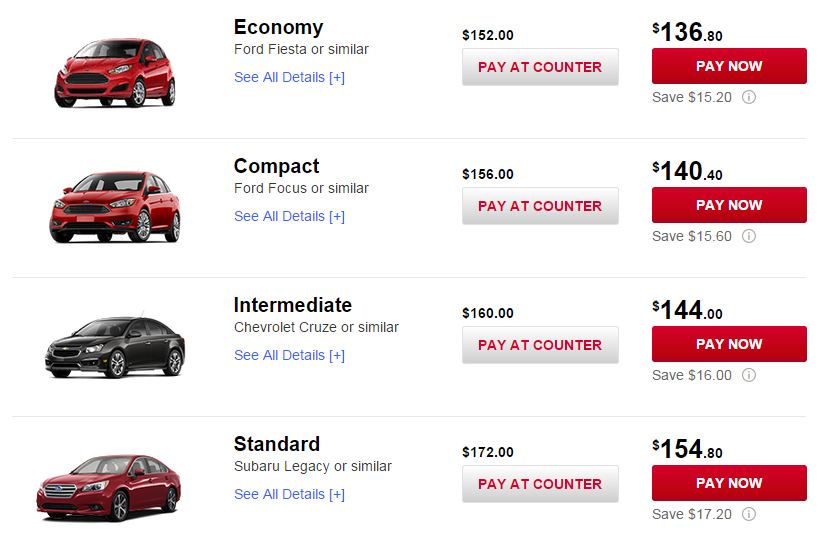
At its core, the rental price is often the most immediate financial consideration. Intermediate vehicles typically fall into a mid-range price bracket. They are generally more expensive than economy or compact cars but significantly cheaper than full-size sedans, premium cars, or SUVs. This difference can translate into substantial savings over the course of a rental period, especially for longer trips or when multiple vehicles are needed. Rental companies categorize vehicles based on size, features, and market demand, and the intermediate class is designed to meet the needs of a broad customer base. This wider appeal allows for greater fleet utilization, which can, in turn, contribute to more competitive pricing.
Consider a scenario where you’re planning a week-long family vacation. Opting for an economy car might save you a few dollars per day, but the cramped space could lead to discomfort and increased fatigue, potentially impacting the enjoyment of your trip and incurring additional costs for amenities to compensate for the lack of space. Conversely, a premium SUV might offer all the comfort you desire but at a price point that significantly strains your travel budget. The intermediate car, however, often provides ample legroom, a comfortable seating arrangement for four to five adults, and sufficient trunk space for luggage without commanding a premium price. This balance ensures that you are not overpaying for features you don’t need while still enjoying a comfortable and practical driving experience.
Furthermore, the perceived value of an intermediate car is often higher. You’re getting a vehicle that is typically a step up in terms of comfort, features, and performance from the most basic options, without the hefty price tag associated with the top-tier models. This “just right” positioning makes it a smart financial choice for many travelers who prioritize a good balance of cost and quality.
Fuel Efficiency and Running Costs
Beyond the initial rental fee, fuel costs are a significant component of the total expense associated with any vehicle. The intermediate car class often strikes an excellent balance between engine power and fuel efficiency. While they may not achieve the same mileage as subcompact or compact cars, they are considerably more economical than larger sedans, SUVs, or trucks. This is crucial for budget-conscious travelers who plan to cover significant distances.
For instance, an intermediate sedan might offer an EPA-estimated fuel economy in the range of 25-30 miles per gallon (MPG) combined. While a compact car might achieve 30-35 MPG, the difference per mile is often offset by the increased comfort and cargo capacity of the intermediate option, especially when factoring in the per-day rental cost savings. If you’re driving hundreds or even thousands of miles, even a few MPG difference can add up. However, the premium you pay for those extra MPG in a smaller car might not be worth the compromise in space and comfort, especially if the intermediate car’s fuel efficiency is still respectable.
The engine size in intermediate cars is typically optimized for a blend of power and efficiency. They are generally equipped with four-cylinder or smaller V6 engines that provide adequate acceleration for highway merging and passing, while still being mindful of fuel consumption. This contrasts with larger vehicles that might have more powerful engines, leading to higher fuel bills, or very small engines that can struggle under load, potentially prompting the driver to push them harder and thus reduce efficiency. Therefore, from a running cost perspective, the intermediate car often presents a financially prudent choice for maximizing your travel budget.
Intermediate Car Rentals in Diverse Financial Scenarios
The versatility of the intermediate car rental makes it suitable for a surprisingly broad spectrum of financial situations and travel purposes. Its ability to adapt to different needs without breaking the bank solidifies its position as a financially sound option.
Personal Travel and Vacations
For individuals and families embarking on vacations, the intermediate car is often the default choice for good reason. It caters to the common needs of travelers: carrying luggage, accommodating passengers comfortably, and navigating varied road conditions. The financial benefit here is straightforward: it allows travelers to allocate more of their vacation budget to experiences, accommodation, or dining rather than being forced to overspend on transportation.
Imagine a family of four on a road trip. They need space for two large suitcases, carry-on bags, and personal items. An economy car might require strategic packing and could leave passengers feeling cramped, especially on longer drives. An intermediate sedan, however, typically offers a generous trunk that can comfortably accommodate this luggage, along with rear seating that provides ample legroom for children or adults. The cost savings compared to a full-size sedan or an SUV translate directly into more disposable income for sightseeing, souvenirs, or perhaps a nicer hotel room.
Moreover, for those who are meticulous with their spending, booking an intermediate car in advance can often lock in competitive rates. Many rental companies offer discounts for early bookings, and the intermediate category, due to its popularity, is usually well-stocked, increasing the likelihood of securing the vehicle you want at a favorable price.
Business Travel and Corporate Needs
In the realm of business travel, efficiency and professionalism are paramount, but so is cost control. The intermediate car strikes an ideal balance, offering a respectable and comfortable vehicle that projects a professional image without incurring excessive corporate expenses. For business travelers, the cost of rentals often comes out of a company budget, making the financial implications of vehicle choice directly tied to departmental spending and overall profitability.
A sales representative traveling to meet clients might require a car that is reliable, comfortable for long drives, and presents a neat appearance. An intermediate sedan fits this bill perfectly. It’s not overly ostentatious, which can sometimes be perceived negatively, but it is certainly a step above the most basic rental options. The fuel efficiency also contributes to lower travel expenses for the company, and the comfortable interior reduces driver fatigue, leading to greater productivity during business trips.
Corporate car rental agreements can often be negotiated to include specific vehicle classes. When setting these agreements, procurement managers often look for options that offer the best value for money. The intermediate category typically emerges as a strong contender, providing a consistent level of comfort and functionality at a predictable price point. This predictability is highly valued in business finance, where budgeting and expense management are critical.
Budgeting for Shorter Trips and Local Use
Even for shorter trips or when needing a temporary vehicle locally, the intermediate car can offer unexpected financial benefits. Sometimes, the price difference between an economy car and an intermediate car for a single day or a weekend rental is marginal. In such cases, the upgrade to an intermediate vehicle can provide a significant improvement in comfort and driving experience for a minimal additional cost.
For example, if you need a car for a weekend to visit family a few hours away, and the price difference between an economy and an intermediate is only $10-$15 for the entire weekend, the added comfort, space, and potentially better features of the intermediate car can be well worth the small outlay. This is particularly true if the economy car in question is a very basic model. You might find yourself paying a bit more, but gaining significantly more utility and enjoyment from your rental.
This principle extends to situations where your personal vehicle is undergoing repairs. Instead of renting the absolute cheapest option, which might be uncomfortable or lack necessary features, opting for an intermediate car can ensure that your temporary transportation is not a source of stress or added expense beyond the rental fee itself. It allows you to maintain a certain level of comfort and functionality without derailing your personal finances.
Navigating the Rental Agreement and Avoiding Hidden Costs
While the intermediate car rental itself offers financial advantages, it’s crucial to approach the rental process with a keen eye for potential costs and to understand the rental agreement thoroughly to avoid unexpected expenses that can negate the initial savings.
Understanding the Rental Agreement’s Financial Clauses
Rental agreements are legal contracts that outline the terms and conditions of your rental, including all financial obligations. It’s imperative to read and understand these clauses before signing. Key areas to pay close attention to from a financial perspective include:
- Base Rate vs. Total Cost: The advertised daily rate is rarely the final price. Understand what is included and what is not. Taxes, fees, and surcharges can significantly increase the total cost.
- Insurance Options: Rental companies offer various insurance packages (Collision Damage Waiver – CDW, Loss Damage Waiver – LDW, Supplemental Liability Insurance – SLI, etc.). These can be expensive but may be necessary depending on your personal insurance coverage and risk tolerance. Carefully assess your existing coverage to avoid paying for redundant policies.
- Fuel Policies: Understand the fuel policy (e.g., “full to full,” “pre-purchase fuel”). The “pre-purchase fuel” option often comes at a premium and is rarely cost-effective unless you are absolutely certain you will return the vehicle with an empty tank. The “full to full” policy, where you return the car with the same fuel level as you received it, is generally the most financially prudent.
- Mileage Restrictions: While many rentals offer unlimited mileage, some may have limits. Exceeding these limits can incur substantial per-mile charges. For intermediate cars, which are often chosen for their suitability for longer trips, ensuring unlimited mileage is crucial for financial planning.
- Additional Driver Fees: If another person will be driving, inquire about fees for additional drivers.
- Late Return Fees: Returning the vehicle late can result in significant charges, often at an hourly or daily rate that far exceeds the standard rental rate.
By meticulously reviewing these clauses, you can gain a clear picture of the total financial commitment and prevent any surprises at the counter or upon return.
Strategies for Minimizing Ancillary Expenses
Beyond the rental agreement itself, several strategies can help minimize ancillary expenses associated with intermediate car rentals:
- Compare Rental Companies: Prices can vary significantly between different rental agencies for the same class of vehicle. Utilize comparison websites and check directly with rental companies to find the best rates.
- Utilize Loyalty Programs and Discounts: If you rent cars frequently, join loyalty programs offered by major rental companies. These can provide discounts, free upgrades, or waived fees. Also, look for discounts through AAA, AARP, credit card benefits, or corporate affiliations.
- Avoid Airport Rentals When Possible: Airport locations often have higher fees and taxes compared to off-airport locations. If feasible, consider picking up your rental from an off-airport branch.
- Inspect the Vehicle Thoroughly: Before driving off the lot, conduct a thorough inspection of the vehicle for any existing damage. Document any scratches, dents, or interior issues with photos or videos. This protects you from being charged for pre-existing damage upon return.
- Plan Your Route and Fuel Stops: If not opting for pre-paid fuel, plan your fuel stops strategically. Fuel prices can vary significantly by location. Filling up at stations away from major tourist attractions or airports can often yield savings.
- Pack Appropriately: While intermediate cars offer good space, overpacking can lead to a need for larger, more expensive vehicle categories. Pack efficiently to ensure all your belongings fit comfortably within the designated space.
By adopting these proactive measures, you can ensure that your intermediate car rental remains a financially sound decision, delivering the intended value without the burden of unforeseen costs. The intermediate car, when approached with financial diligence, stands out as a smart and practical choice for a wide array of rental needs.
aViewFromTheCave is a participant in the Amazon Services LLC Associates Program, an affiliate advertising program designed to provide a means for sites to earn advertising fees by advertising and linking to Amazon.com. Amazon, the Amazon logo, AmazonSupply, and the AmazonSupply logo are trademarks of Amazon.com, Inc. or its affiliates. As an Amazon Associate we earn affiliate commissions from qualifying purchases.