
In the dynamic landscape of hospitality, understanding the nuances between seemingly similar establishments is paramount for effective brand strategy. While “pub” and “tavern” are often used interchangeably, their historical roots, operational models, and ultimately, their brand identities, reveal significant distinctions. For businesses in the sector, defining whether they operate as a “pub” brand or a “tavern” brand dictates everything from interior design and menu selection to marketing strategies and target audience engagement.
Deconstructing Hospitality Brands: Pub vs. Tavern Archetypes
At their core, pubs and taverns represent distinct brand archetypes, each with a unique narrative and promise etched into their very names. These archetypes are not merely semantic differences but embody specific brand personas that resonate with different customer expectations and desires.
The Public House Brand: Community and Familiarity
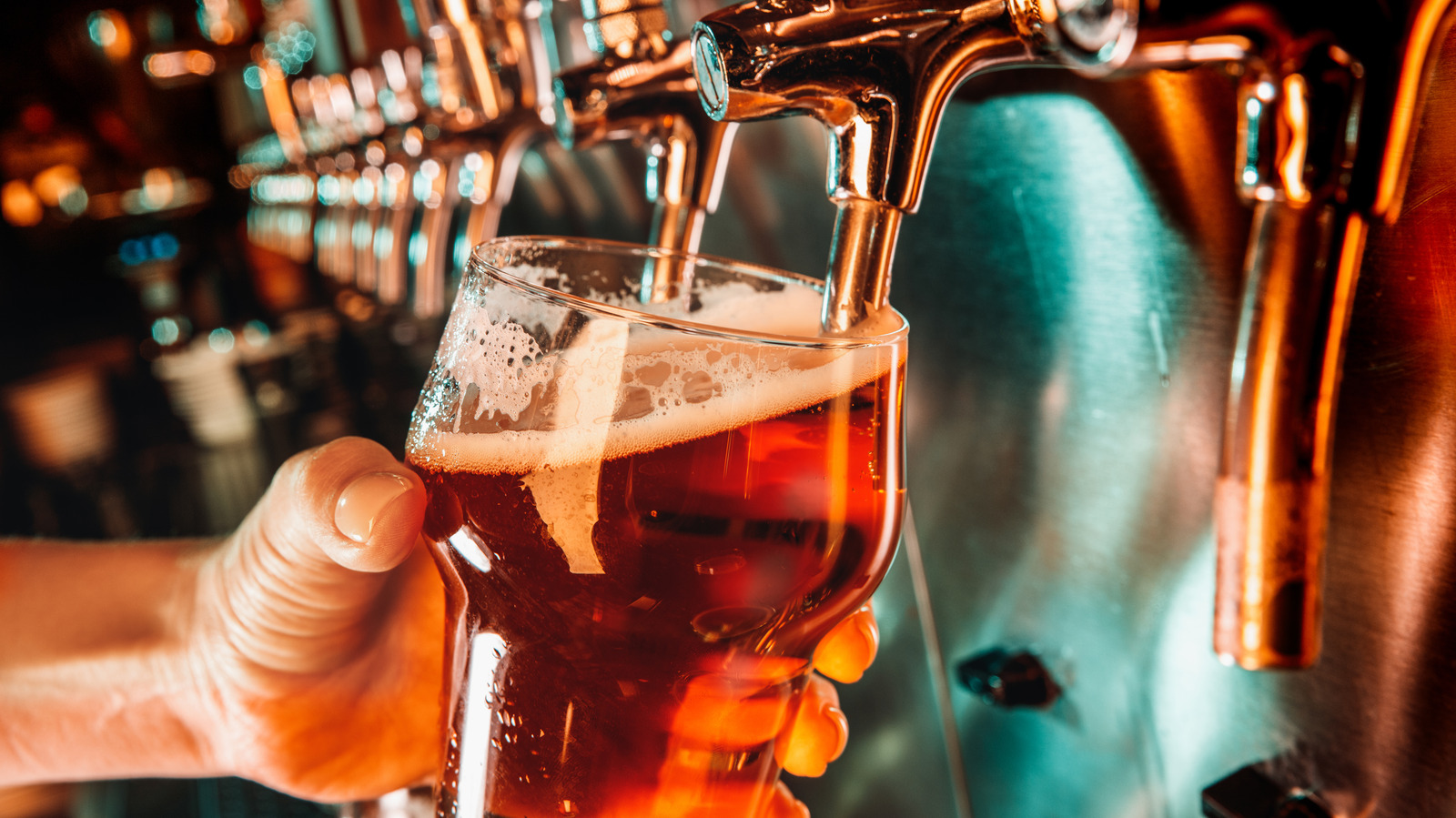
The term “pub” is a truncation of “public house,” a descriptor that immediately informs its brand identity. Originating in England, the public house was conceived as a communal living room, a democratic space where locals could gather, socialize, and partake in refreshments. This foundational identity imbues the pub brand with characteristics of community, familiarity, and tradition.
The brand promise of a pub is consistency and belonging. It’s a “local” where regulars are known, conversations flow easily, and the atmosphere is one of unpretentious comfort. The pub’s brand architecture is built upon pillars of continuity: often family-run or deeply embedded in local culture, pubs cultivate loyalty through routine and social cohesion. Their brand narrative emphasizes heritage, craftsmanship (especially in brewing), and the irreplaceable role they play as a social hub within a specific geographic community. From a branding perspective, a pub leverages emotional connection, positioning itself as an extension of home, a place of reliable comfort and connection, fostering a strong sense of local pride and ownership among its patrons.
The Tavern Brand: A Stop on the Journey
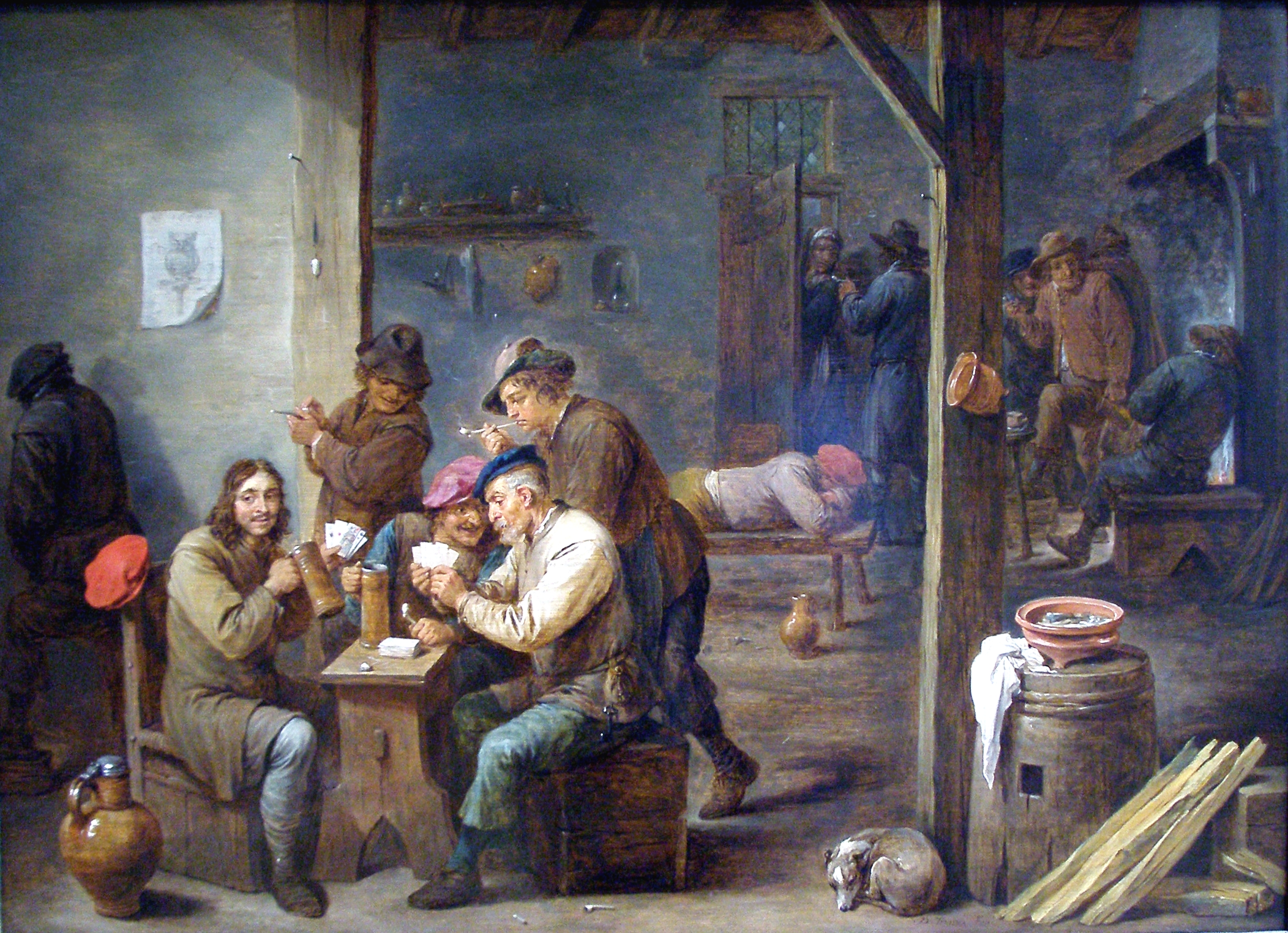
The word “tavern” has a broader, more ancient etymology, deriving from the Latin “taberna,” referring to a shop or shed, often a wine shop. Historically, taverns served as crucial waypoints for travelers, offering not just drink but also food and often lodging. This origin defines the tavern brand as a destination for sustenance and rest, a temporary sanctuary on a longer journey.
The brand promise of a tavern is that of refuge and provision. Unlike the pub, which is primarily a social hub for locals, the tavern’s brand DNA often implies a broader, more varied clientele. Its service extends beyond drinks to a more comprehensive offering of food, suitable for nourishing tired travelers. The tavern brand might also possess a more adventurous or robust quality, reflecting the diverse origins of its patrons and the essential services it provided. While a pub’s brand celebrates localism, a tavern’s brand often leans into themes of hospitality for the ‘other,’ a place of welcome for those passing through. In modern branding, this translates to an identity that might be more versatile, perhaps more focused on the culinary experience or themed entertainment, appealing to a wider demographic of casual diners and explorers rather than strictly local regulars.
Brand Identity and Customer Experience Design
The distinct brand archetypes of pubs and taverns naturally lead to divergent strategies in designing the customer experience, manifesting in everything from architecture and menu to service style and target audience engagement.
Architectural and Interior Design as Brand Pillars
The physical space is often the most immediate and tangible expression of a brand’s identity. Pubs and taverns utilize design to communicate their core promise.
A pub brand’s design emphasizes warmth, intimacy, and tradition. Expect cozy, often compartmentalized spaces like “snugs” or private corners, dark wood furnishings, brass accents, and a general sense of history. The decor often features local memorabilia, historical photographs, or traditional pub signage, all contributing to a cohesive brand narrative of heritage and community. The layout is designed to encourage lingering, conversation, and a sense of collective ownership among regulars. The architecture itself often reflects centuries of evolution, making the building a character in the brand’s story.
In contrast, a tavern brand’s design historically prioritized functionality and durability, built to withstand the rigors of travelers and provide essential services. Modern taverns might embrace a more rustic aesthetic, with exposed stone or brick, sturdy wooden tables, and perhaps a more open floor plan to accommodate larger groups or diverse activities. While still welcoming, the emphasis might be less on quaint intimacy and more on a robust, adaptable space. A tavern’s design often aims to convey authenticity and a sense of discovery, perhaps incorporating elements that hint at a broader history or a specific culinary focus, establishing its brand as a place for a distinct experience rather than just local familiarity.
Menu, Offerings, and Service: Reflecting Brand Promises
The tangible products and services offered are crucial brand touchpoints that reinforce the chosen identity.
Pub brands typically feature a core selection of ales, lagers, and ciders, often with a strong emphasis on local or traditional brews. The food menu, colloquially known as “pub grub,” generally consists of hearty, comforting, and familiar dishes like fish and chips, bangers and mash, or shepherd’s pie. These offerings are consistent with the pub’s brand promise of reliability and tradition. Service is usually friendly, informal, and focused on building rapport with regulars, fostering that sense of community. The bar staff often play a central role in maintaining the pub’s brand persona as a welcoming, familiar face.
Tavern brands, due to their historical role of providing for travelers, tend to offer a more diverse range of beverages, including a wider selection of spirits and wines in addition to beers. The food menu often goes beyond basic “grub,” perhaps featuring more sophisticated fare, regional specialties, or a greater emphasis on culinary quality, catering to varied tastes and potentially higher expectations. The service might be more formally structured, though still approachable, reflecting a broader clientele. A modern tavern brand might position itself as a culinary destination, using its menu to tell a story about ingredients, heritage, or innovation, thus distinguishing its brand from the simpler, more traditional pub offering.
Target Audience and Cultivating Brand Loyalty
Understanding the target audience is fundamental to building an effective brand strategy and fostering loyalty.
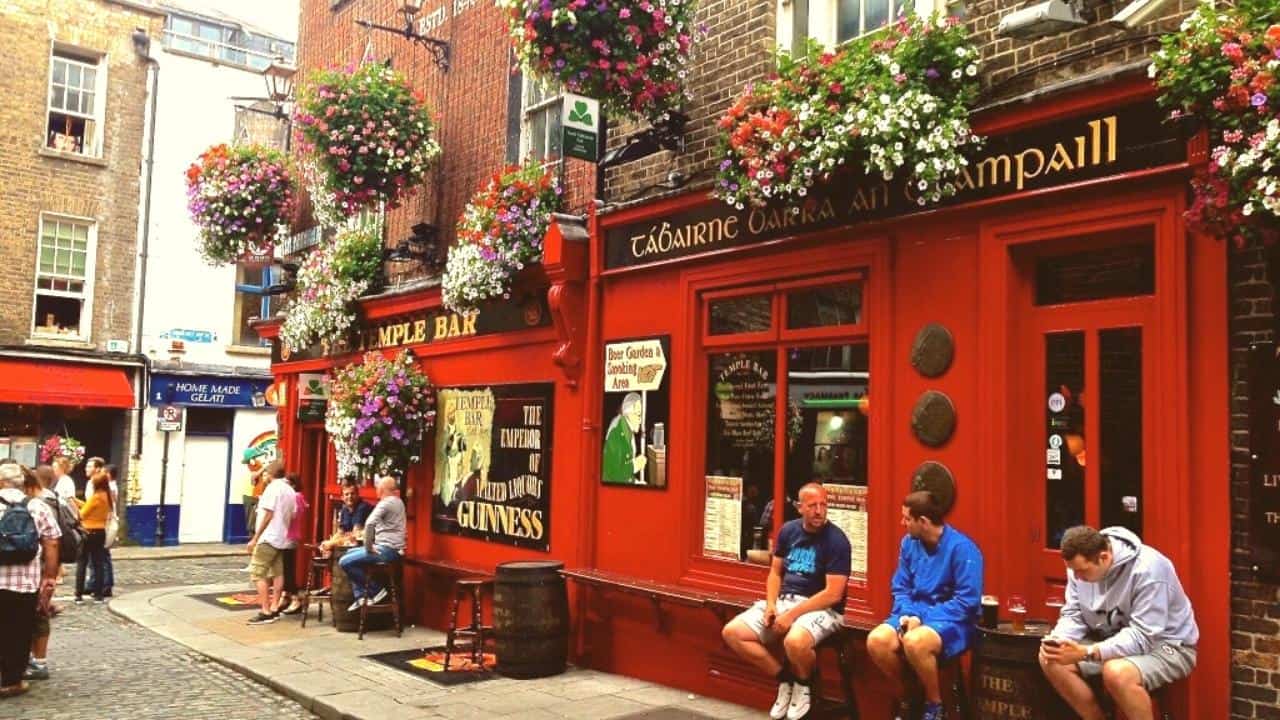
Pub brands primarily target local residents, established community groups, and individuals seeking a routine social outlet or a comfortable, familiar environment. Brand loyalty here is often built through consistent experience, personal recognition by staff, community events (e.g., quiz nights, dart leagues), and a strong sense of belonging. The pub’s brand message resonates with those who value tradition, local connections, and predictable comfort.
Tavern brands, in contrast, typically appeal to a broader demographic. This can include travelers, tourists, diners seeking a specific culinary experience, or groups looking for a more versatile venue. Brand loyalty for taverns might be cultivated through the uniqueness of their offerings, a memorable atmosphere, or exceptional food and beverage quality. Their brand message often highlights adventure, discovery, quality, and a welcoming atmosphere for all, irrespective of local ties. The tavern brand aims to create a compelling reason for people to choose it, even if it’s not their local regular spot.
Marketing and Positioning for Distinct Brands
The unique brand identities of pubs and taverns necessitate distinct marketing and positioning strategies to effectively reach and engage their target audiences.
Crafting the Unique Selling Proposition (USP)
A well-defined USP is the cornerstone of any strong brand. For a pub brand, the USP often revolves around its authenticity, its role as “your local,” “a home away from home,” or “the heart of the community.” Marketing campaigns emphasize this local connection, highlighting community events, the pub’s history, local produce, and the warmth of its regulars. The narrative is often one of heritage and enduring value.
For a tavern brand, the USP might focus on its unique culinary offerings, its historical narrative as a gathering point, its craft beverage selection, or a specific themed experience. Marketing efforts might highlight chef specials, unique historical connections, event programming (live music, tasting nights), or its role as a destination. The tavern’s brand narrative often emphasizes discovery, quality, and a distinct experience.
Digital Branding and Storytelling
In the digital age, a brand’s online presence is an extension of its physical space.
Pub brands often use digital platforms to reinforce their community focus. Social media content might feature local faces, updates on community events, traditional imagery, and warm, inviting language. Their website might highlight their history, local partnerships, and straightforward menus. The digital storytelling aims to evoke familiarity and belonging, extending the local pub experience online.
Tavern brands typically employ a more visually sophisticated digital presence. High-quality food photography, captivating imagery of the interior or themed elements, and engaging historical narratives are common. Their digital marketing might target a broader audience through SEO for specific cuisines or experiences, and social media content could focus on events, chef profiles, and testimonials. The digital storytelling aims to entice and inform, positioning the tavern as a destination worth seeking out.
Brand Messaging and Tone of Voice
The way a brand communicates is a direct reflection of its identity.
A pub brand’s message is often warm, friendly, informal, and rooted in tradition. The tone of voice is inviting and familiar, using language that speaks to community and shared experience.
A tavern brand’s message can be more varied, ranging from robust and authentic to adventurous and sophisticated, depending on its specific niche. The tone of voice might be more informative, highlighting culinary details or historical facts, or more evocative, encouraging exploration and discovery.
Evolution and Hybridization: The Modern Hospitality Brand
The lines between traditional pub and tavern identities are increasingly blurring as the hospitality industry innovates. Modern establishments often blend elements of both, creating hybrid brands that cater to evolving consumer preferences.
The Rise of the Gastropub and Boutique Tavern
The gastropub is a prime example of brand hybridization. It retains the informal, communal atmosphere of a traditional pub but elevates the culinary offering to a standard traditionally associated with a restaurant or a more food-focused tavern. The gastropub brand successfully marries the pub’s comfort and local appeal with a focus on high-quality, often innovative, food. Its brand promise combines familiarity with gourmet dining, appealing to those who desire both community and culinary excellence.
Similarly, the concept of a boutique tavern might emerge, where the historical aesthetic and welcoming spirit of a tavern are combined with a curated selection of craft beverages, artisanal food, and perhaps even modern lodging options. This brand seeks to offer a premium, unique experience while nodding to the historical utility and charm of the tavern archetype.
Maintaining Brand Authenticity in a Competitive Landscape
For any hospitality business, the challenge lies in leveraging historical brand equity while simultaneously innovating to stay relevant. The key is to maintain brand authenticity. A pub that suddenly tries to be a fine-dining establishment without a coherent brand strategy risks alienating its loyal customers and failing to attract new ones. Likewise, a tavern that loses its unique character in an attempt to be everything to everyone dilutes its brand identity.
Successful modern hospitality brands understand their core archetype – whether more pub-like or more tavern-like – and build their differentiation upon it. They might draw inspiration from the best aspects of both, but their fundamental brand identity remains clear. By consistently delivering on their unique brand promise across all touchpoints, from the physical space and menu to their digital presence and customer service, these establishments secure their position in a fiercely competitive market, ensuring their brand resonates deeply with their intended audience.
aViewFromTheCave is a participant in the Amazon Services LLC Associates Program, an affiliate advertising program designed to provide a means for sites to earn advertising fees by advertising and linking to Amazon.com. Amazon, the Amazon logo, AmazonSupply, and the AmazonSupply logo are trademarks of Amazon.com, Inc. or its affiliates. As an Amazon Associate we earn affiliate commissions from qualifying purchases.