
In an era of increasingly sophisticated e-commerce, a new contender has emerged from the digital ether, capturing global attention and market share with unprecedented speed: Temu. Owned by Chinese e-commerce giant PDD Holdings, the platform has become a household name, synonymous with ultra-low prices, an endless scroll of products, and an aggressive marketing blitz that seems to be everywhere. But beyond the viral ads and the irresistible bargains, “what’s the deal with Temu?” is a question that probes deeper into its brand strategy, its market identity, and the profound impact it’s having on the global retail landscape. This article will delve into Temu from a brand perspective, dissecting its rise, its strategic decisions, the controversies it navigates, and its potential future trajectory.

The Meteoric Rise: Temu’s Disruptive Brand Entry
Temu’s launch in the U.S. in September 2022 was less of an introduction and more of an explosion. It arrived with a clear, almost audacious, brand promise: to make shopping feel like a luxury experience, even on a budget. This immediate and intense brand push wasn’t accidental; it was a meticulously orchestrated entry designed to carve out a significant niche almost overnight.
The ‘Shop Like a Billionaire’ Mantra: Crafting an Identity
Temu’s slogan, “Shop like a billionaire,” is not merely a catchy phrase; it’s a powerful statement of its brand identity and value proposition. In a world where luxury is often equated with exclusivity and high prices, Temu subverts this notion, democratizing the concept of abundant shopping. This slogan directly addresses a consumer desire for perceived value and aspiration, suggesting that even on a tight budget, one can indulge in a vast array of goods. It positions Temu not just as a discount retailer, but as an enabler of a certain lifestyle – one where affordability doesn’t mean compromise on choice or quantity. This psychological branding tactic resonates deeply with a broad demographic, from budget-conscious families to Gen Z shoppers who prioritize trendy items without breaking the bank. The allure is in the sheer accessibility of seemingly endless products at prices that often defy conventional retail logic, creating a feeling of empowerment and freedom for the consumer.
Aggressive Marketing and Viral Growth: A Masterclass in Awareness
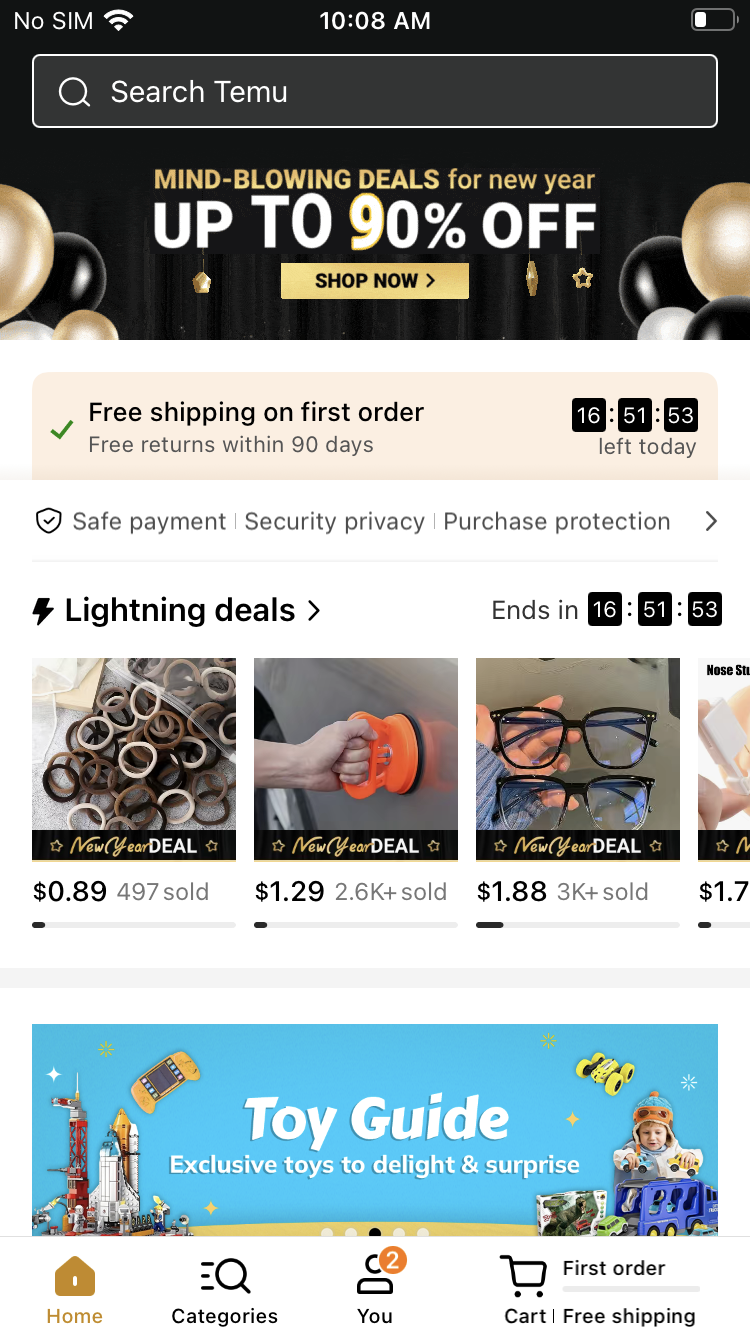
From Super Bowl ads to relentless social media campaigns, Temu’s marketing strategy has been nothing short of pervasive. Its approach is characterized by an almost unmatched investment in advertising, flooding digital channels and traditional media alike. This isn’t just about visibility; it’s about conditioning consumers to recognize and remember the brand. On platforms like TikTok, Instagram, and YouTube, Temu leverages influencer marketing, user-generated content, and highly targeted ads to create a sense of ubiquity. The gamified shopping experience, complete with flash sales, limited-time offers, and referral bonuses, taps into psychological triggers that encourage frequent engagement and sharing. This virality is not accidental; it’s engineered, designed to turn every transaction into an opportunity for further brand amplification through word-of-mouth and social proof. The result is an extraordinary level of brand awareness achieved in an incredibly short timeframe, making Temu a top-of-mind option for many online shoppers.
Gamification and the Pursuit of Engagement
Temu’s app experience is a masterclass in consumer psychology, blending shopping with elements typically found in mobile games. Users are constantly presented with spinning wheels, treasure hunts, limited-time discounts that refresh every few hours, and opportunities to earn free products by inviting friends. This gamification strategy transforms shopping from a utilitarian task into an engaging, almost addictive, activity. It encourages repeat visits, longer browsing sessions, and a higher likelihood of impulse purchases. From a brand perspective, this creates a strong bond with the user, fostering a sense of excitement and discovery that goes beyond the transactional nature of e-commerce. It leverages the “fear of missing out” (FOMO) and the thrill of the chase, making the act of shopping on Temu a unique and often compelling brand experience that differentiates it from more traditional online retailers.
Brand Strategy in Action: The Direct-to-Consumer Model and Pricing Power
At the core of Temu’s brand proposition is its ability to offer incredibly low prices. This isn’t just a discount tactic; it’s a fundamental aspect of its business model, deeply integrated into its brand identity and operations.
Bypassing Intermediaries: Efficiency as a Brand Pillar
Temu’s strategy is heavily reliant on a direct-from-manufacturer model, mirroring the success of its sister company, Pinduoduo, in China. By connecting consumers directly with manufacturers, Temu dramatically cuts out multiple layers of intermediaries – wholesalers, distributors, and traditional retailers – each of whom would add their own markup. This lean supply chain is not merely an operational efficiency; it’s a foundational pillar of Temu’s brand promise of affordability. The brand communicates this efficiency implicitly through its pricing, suggesting that the savings are a direct result of its innovative approach to commerce. This direct-to-consumer (D2C) model reinforces the “shop like a billionaire” ethos by making goods previously available through more expensive channels accessible to everyone. It positions Temu as a smart, modern alternative that challenges the established, often perceived as bloated, retail ecosystem.
The Allure of Ultra-Low Prices: Reshaping Consumer Expectations
The most compelling aspect of Temu’s brand is undoubtedly its pricing strategy. From a $1 pair of earrings to a $5 gadget, the prices on Temu are often astonishingly low, setting a new benchmark for affordability in the e-commerce space. This relentless focus on price creates a powerful brand pull, attracting a vast customer base primarily driven by value. Temu doesn’t just offer low prices; it celebrates them, making them a central part of its narrative and user experience. This strategy has a profound impact on consumer expectations, conditioning shoppers to anticipate rock-bottom prices for a wide range of goods. It effectively challenges the perceived value of products sold elsewhere, forcing other retailers to reconsider their own pricing models. For consumers, the brand becomes synonymous with unbeatable deals, making it difficult for competitors to match its unique selling proposition without significantly altering their own cost structures.
Supply Chain Integration: The Foundation of Cost-Effectiveness
Temu’s parent company, PDD Holdings, possesses a formidable supply chain infrastructure built over years of operating Pinduoduo. This extensive network of manufacturers, logistics partners, and data-driven insights allows Temu to source products directly and efficiently, often in bulk, further driving down costs. This deep supply chain integration is a silent, yet critical, enabler of Temu’s brand. While not explicitly advertised as a brand feature, the operational efficiencies it creates are directly translated into the prices consumers see, thus reinforcing the brand’s core promise. The ability to manage inventory, production, and shipping on such a massive scale provides a competitive advantage that is difficult for newer or less integrated e-commerce players to replicate. It underpins the entire “ultra-low price” brand identity, making it sustainable (at least in theory) by optimizing every step from factory floor to customer’s door.
Navigating Brand Perception and Controversy
While Temu’s rapid ascent is a testament to its aggressive brand strategy, its journey has not been without significant challenges related to brand perception, quality control, and ethical concerns. These issues pose critical questions about the long-term sustainability of its brand image.
Quality Concerns and Customer Service: Cracks in the Facade?
The promise of ultra-low prices often comes with a trade-off, and for Temu, this frequently manifests in concerns over product quality. Customer reviews and social media discussions often highlight inconsistencies, with some users delighted by their bargains and others expressing disappointment over items that don’t match descriptions or expectations. From a brand perspective, this creates a significant challenge. While the initial draw is price, sustained brand loyalty is built on trust and consistent quality. Similarly, customer service experiences can be mixed, with long shipping times, difficult return processes, or unresponsive support eroding confidence. For Temu to evolve beyond a transactional, discount-driven brand, it must address these perceptions of quality and service. Ignoring them risks pigeonholing the brand as a source of cheap, disposable goods rather than a reliable shopping destination, ultimately limiting its growth potential in markets that value quality as much as (or more than) price.
Data Privacy and Security: Trust as a Brand Challenge
Perhaps one of the most persistent and damaging controversies surrounding Temu, and by extension its brand, revolves around data privacy and security. Given its Chinese ownership by PDD Holdings (which previously faced scrutiny over its Pinduoduo app’s data collection practices), concerns about how Temu collects, uses, and protects user data have been widely reported. Allegations of excessive permissions requested by the app, combined with broader geopolitical tensions, fuel skepticism among consumers and regulators alike. For any e-commerce brand, trust is paramount, and these data privacy concerns directly undermine that trust. Even if the allegations are unfounded, the perception alone can deter potential customers and invite regulatory scrutiny, forcing the brand to invest heavily in rebuilding its reputation and demonstrating its commitment to data security. Addressing these fears transparently and effectively is crucial for Temu to cultivate a trustworthy and responsible brand image in Western markets.
Ethical Sourcing and Labor Practices: The Shadow Side of Low Costs
The extremely low prices on Temu inevitably raise questions about ethical sourcing and labor practices within its supply chain. Critics often point to the potential for exploitative labor conditions or environmentally unsustainable manufacturing processes when products are sold at such rock-bottom rates. While Temu asserts its commitment to ethical practices and forbids the use of forced labor, transparency in global supply chains is notoriously difficult. For a brand operating in an increasingly socially conscious global market, these concerns can significantly tarnish its image. Consumers, particularly in developed economies, are increasingly factoring corporate social responsibility into their purchasing decisions. Should definitive evidence of unethical practices emerge, it could lead to severe brand damage, consumer boycotts, and regulatory backlash, fundamentally challenging Temu’s “shop like a billionaire” promise by revealing a potential human or environmental cost behind the bargain.
Temu’s Impact on the E-commerce Landscape and Other Brands
Temu’s emergence has sent ripples across the e-commerce industry, forcing established players and smaller brands alike to reassess their strategies in the face of this formidable new competitor.
The “Temu Effect”: Price Wars and Market Shake-ups
The “Temu Effect” describes the significant downward pressure on prices across the e-commerce sector, driven by Temu’s aggressive low-cost model. Retailers, particularly those selling similar goods, find themselves in a precarious position: either compete on price, often at the expense of their margins, or differentiate on other values like quality, brand heritage, or unique offerings. This effect has initiated price wars in various categories, forcing many brands to rethink their entire pricing strategy. For consumers, it can be a boon, offering more affordable options. For businesses, however, it represents a substantial challenge, potentially leading to market consolidation or the demise of brands unable to adapt. The brand’s impact is so profound that it’s actively reshaping consumer expectations for affordability, creating a new competitive baseline that didn’t exist prior to its widespread adoption.
Redefining Value: A Challenge to Established Retailers
Temu doesn’t just offer low prices; it redefines what consumers perceive as “value.” In an era where many brands have focused on premiumization and aspirational marketing, Temu offers a different kind of aspiration: unlimited access to goods without financial strain. This challenges established retailers who have built their brands on quality, service, or curated selections. Luxury brands, niche players, and even mid-market retailers must now contend with a consumer base that has experienced the extreme end of affordability. This forces them to articulate their own value proposition more clearly and powerfully. Why should a consumer pay more for a similar item? The answer lies in demonstrating superior quality, ethical production, innovative design, unparalleled customer service, or a unique brand story that justifies the price difference. Temu’s brand strategy is effectively pushing the entire industry to be more explicit about where their value truly lies.
Lessons from Temu: Innovation in Brand Building and Customer Acquisition
Despite the controversies, Temu offers valuable lessons in modern brand building and customer acquisition. Its rapid rise demonstrates the power of:
- Extreme Value Proposition: Clearly defining and consistently delivering on a core promise (ultra-low prices).
- Aggressive, Multi-channel Marketing: Achieving unparalleled brand awareness through sheer volume and strategic channel selection.
- Gamified User Experience: Creating an engaging, almost addictive, shopping environment that fosters repeat visits.
- Supply Chain Innovation: Leveraging a direct-from-manufacturer model to enable competitive pricing.
Other brands, particularly new entrants, can learn from Temu’s ability to quickly establish a market presence and scale user acquisition, even if they choose to differentiate on factors other than price. The sheer audacity and effectiveness of Temu’s brand rollout serve as a case study in disruptive market entry.
The Future of Temu’s Brand: Sustainability and Evolution
As Temu matures and faces increased scrutiny, its long-term brand sustainability hinges on its ability to evolve beyond its initial disruptive phase and address the challenges inherent in its current model.
Building Long-Term Trust Beyond Transactions
For Temu to move past its reputation as solely a source of cheap goods, it must strategically invest in building long-term brand trust. This means consistently delivering on product quality, significantly improving customer service, and enhancing transparency around its data privacy and ethical sourcing practices. Trust is not built overnight; it’s forged through consistent, positive experiences and a demonstrated commitment to consumer well-being. A shift towards higher-quality control, more responsive support, and clearer communication on its operational practices will be crucial. The brand will need to cultivate a perception of reliability and responsibility, moving beyond the thrill of the bargain to become a genuinely dependable shopping destination. This evolution is essential for fostering customer loyalty and reducing churn, transforming transient shoppers into repeat customers.
Diversification and Value Proposition Refinement
Relying solely on ultra-low prices is a risky long-term strategy, as market conditions can shift, and competitors may eventually catch up or differentiate more effectively. Temu’s brand will likely need to diversify its value proposition. This could involve introducing more curated product lines, enhancing personalization, investing in unique product designs, or even exploring sustainable and ethically sourced collections that appeal to a broader, more discerning market segment. By refining its brand image to include elements beyond just price – such as convenience, variety, or specific product categories – Temu can expand its appeal and reduce its vulnerability to pure price competition. This diversification would allow the brand to appeal to a wider demographic, ensuring its relevance as consumer preferences evolve.

Adapting to Regulatory Scrutiny and Competitive Pressures
As Temu’s global footprint expands, it will inevitably face increasing regulatory scrutiny in various markets, particularly concerning data privacy, consumer protection, and intellectual property rights. The brand’s ability to adapt swiftly and transparently to these evolving legal and ethical frameworks will be paramount. Similarly, competitive pressures will intensify as established players counter its strategy and new disruptors emerge. Temu’s future success hinges on its agility in navigating these external challenges while maintaining its core appeal. This will require not only legal compliance but also a proactive approach to demonstrating corporate responsibility and transparency, which will, in turn, bolster its brand reputation and ensure its continued acceptance in diverse global markets. The brand must prove it can be a responsible global citizen, not just a dominant e-commerce force.
In conclusion, “what’s the deal with Temu?” is a multifaceted question with a compelling brand-centric answer. It’s a brand built on aggressive marketing, disruptive pricing, and an engaging user experience, leveraging a powerful direct-to-consumer model. While its rapid success is undeniable, its long-term endurance will depend on its ability to address critical challenges related to quality, trust, and ethical perceptions. Temu has not just entered the e-commerce arena; it has fundamentally reshaped brand expectations, forcing a re-evaluation of value and strategy across the retail spectrum. Its journey from viral sensation to sustainable global brand will be a definitive case study in modern commerce.
aViewFromTheCave is a participant in the Amazon Services LLC Associates Program, an affiliate advertising program designed to provide a means for sites to earn advertising fees by advertising and linking to Amazon.com. Amazon, the Amazon logo, AmazonSupply, and the AmazonSupply logo are trademarks of Amazon.com, Inc. or its affiliates. As an Amazon Associate we earn affiliate commissions from qualifying purchases.