
The term “rebreather mask” often conjures images of specialized environments, perhaps medical settings or extreme exploration. While these applications are certainly part of the rebreather mask’s story, its fundamental technology represents a fascinating intersection of engineering and physiology, primarily falling within the realm of Tech. This article will explore the core principles, operational mechanisms, and diverse technological applications of rebreather masks, shedding light on their sophisticated design and crucial role in enabling breathing in environments where traditional air supply is insufficient or impossible.
The Core Principle: Recycling Exhaled Breath
At its heart, a rebreather mask is a device designed to recycle a user’s exhaled breath, removing carbon dioxide and replenishing the oxygen content, before the user inhales it again. This contrasts sharply with open-circuit breathing systems (like standard scuba gear or a simple oxygen mask) where exhaled gas is released directly into the environment. This closed-loop or semi-closed-loop system offers significant advantages in specific scenarios.

How Carbon Dioxide is Removed
The key to rebreathing is the effective removal of carbon dioxide (CO2), a metabolic byproduct that becomes toxic at elevated concentrations. Rebreather masks achieve this through a chemical absorbent, typically a material like soda lime.
The Role of Chemical Absorbents
Soda lime is a mixture of calcium hydroxide and sodium hydroxide, with sometimes barium hydroxide added. When exhaled breath, which contains CO2, passes through a canister filled with soda lime, a chemical reaction occurs:
- Ca(OH)2 + CO2 → CaCO3 + H2O (Calcium hydroxide reacts with carbon dioxide to form calcium carbonate and water)
- 2NaOH + CO2 → Na2CO3 + H2O (Sodium hydroxide also reacts with carbon dioxide)
This reaction effectively scrubs the CO2 from the exhaled gas. The water produced can also contribute to humidifying the inhaled gas, which is beneficial in dry environments. The lifespan of the absorbent material is finite, dictated by its capacity to react with CO2. Once saturated, it can no longer effectively remove CO2, rendering the rebreather unusable without a fresh absorbent charge.
Oxygen Replenishment
While the absorbent removes CO2, the exhaled breath also contains a reduced amount of oxygen compared to the inhaled air. Rebreather systems must replenish this oxygen. There are several primary methods for oxygen replenishment:
Constant Mass Flow (CMF) Systems
In CMF systems, a small, precise flow of pure oxygen is continuously introduced into the breathing loop. This flow rate is carefully calculated to match the user’s metabolic oxygen consumption rate. The advantage is simplicity and reliability. However, it requires a continuous supply of oxygen, and the delivered oxygen concentration can vary slightly with exertion levels.
Demand Flow Systems
Demand flow systems are more sophisticated. They only deliver oxygen when the partial pressure of oxygen in the breathing loop drops below a certain threshold, as detected by a sensor. This “on-demand” delivery is more efficient, especially at lower exertion levels, as it conserves oxygen. However, it adds complexity and relies on accurate sensor readings.
Diluent Gas Management
In many rebreather systems, especially those used for deep diving, a diluent gas (often nitrogen or a helium-nitrogen mix like trimix) is used to dilute the oxygen to safe levels and to manage breathing resistance. This diluent is also added to the loop to maintain a constant volume and breathing effort, especially as ambient pressure changes.
Types of Rebreather Masks and Systems
The fundamental principle of recycling exhaled breath can be implemented in various configurations, leading to different types of rebreather masks and broader rebreather systems. These variations are driven by the specific demands of their intended applications, influencing factors like size, complexity, breathing gas mixture, and operational duration.
Semi-Closed Circuit Rebreathers (SCRs)
SCRs are a common type of rebreather. They maintain a relatively constant concentration of oxygen in the breathing loop by adding a controlled flow of oxygen and sometimes a diluent gas. A portion of the exhaled gas is vented to the environment to prevent the buildup of inert gases and to manage the total volume of gas.
Advantages and Limitations of SCRs
SCRs offer a good balance between efficiency and simplicity. They are generally lighter and less complex than fully closed-circuit systems. The controlled gas flow allows for predictable oxygen levels, making them suitable for a range of activities. However, they are less efficient in terms of gas consumption compared to CCRs, and the continuous venting of gas means they are not entirely “silent” in terms of gas bubbles, which can be a consideration in some tactical or wildlife observation scenarios.
Fully Closed-Circuit Rebreathers (CCRs)
CCRs are the most advanced and gas-efficient type of rebreather. They aim to maintain a precisely controlled oxygen partial pressure (PO2) within the breathing loop. They achieve this by using sophisticated electronic sensors to monitor the PO2 and precisely inject oxygen on demand. Exhaled CO2 is scrubbed, and the remaining gas is recycled. The volume of gas in the loop is maintained by injecting a diluent gas (like nitrogen or helium) as needed, especially during descent where ambient pressure increases and gas is compressed.
The Precision of Electronic Control
The defining feature of CCRs is their electronic control system. These systems continuously monitor PO2 levels and activate solenoid valves to inject precise amounts of oxygen. Many CCRs also incorporate features for monitoring and controlling breathing loop temperature and humidity. This level of control allows for very long dive times with minimal gas consumption and no exhaled bubbles.
Applications and Sophistication
CCRs are favored for extreme technical diving, military operations, and scientific research where extended underwater duration, silence, and minimal gas consumption are paramount. Their complexity means they require extensive training and meticulous maintenance.
Other Variations: Oxygen Masks and Anesthetic Rebreathers
While the term “rebreather mask” most commonly refers to scuba diving or military applications, the underlying technology is also found in other contexts.
Medical Oxygen Masks
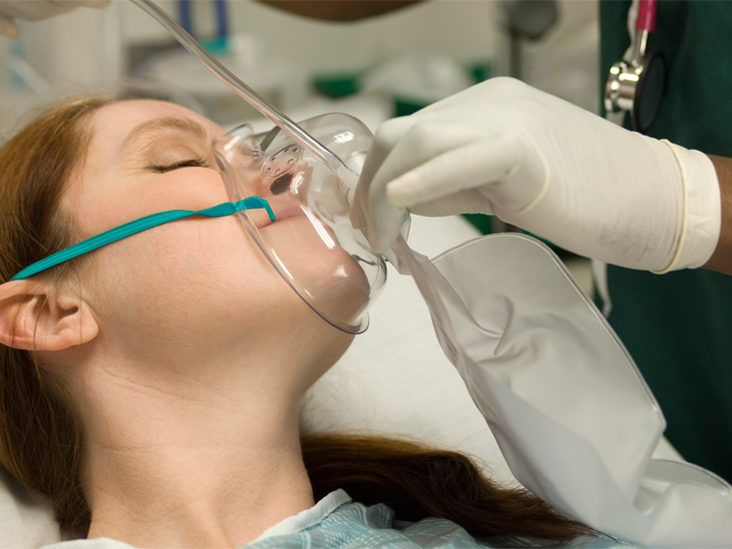
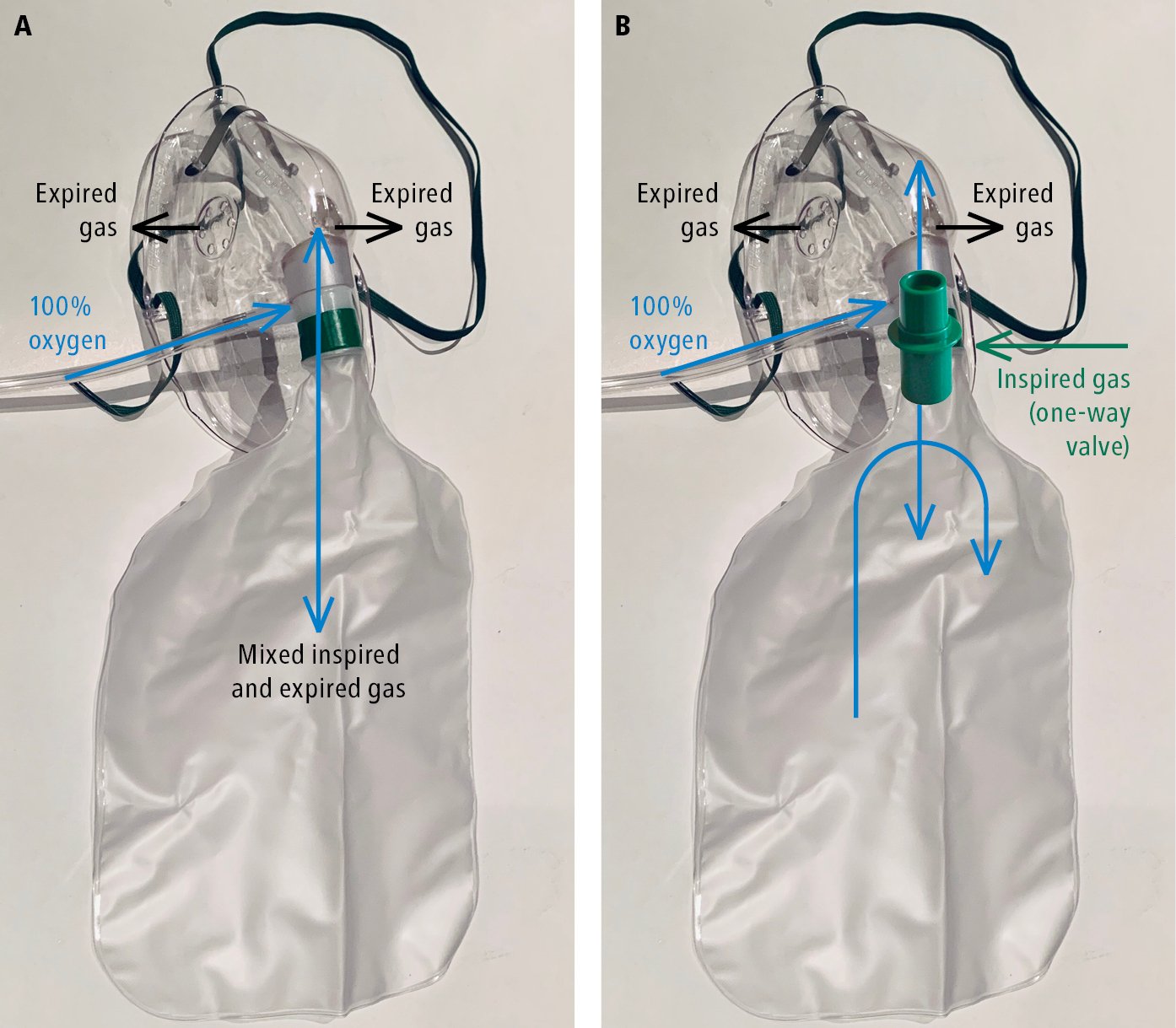
Certain medical oxygen masks utilize a rebreathing principle, particularly non-rebreather masks. These masks feature a reservoir bag that collects a portion of the exhaled breath. This collected gas, which still contains some oxygen, is then mixed with a fresh oxygen supply before being inhaled again. This allows for a higher concentration of oxygen to be delivered to the patient compared to a simple mask. However, the CO2 removal aspect is usually not as sophisticated as in diving rebreathers, and these are typically used for shorter durations.
Anesthetic Delivery Systems
In operating rooms, anesthetic machines often incorporate rebreathing circuits. These systems recycle exhaled anesthetic gases, reducing waste, cost, and environmental impact. CO2 is scrubbed from the exhaled gas, and fresh anesthetic gas and oxygen are added. This allows for precise control of anesthetic concentrations and reduces the total volume of gas consumed during a procedure.
Technological Advancements and Future Trends
The evolution of rebreather mask technology is a testament to continuous innovation in materials science, electronics, and physiological monitoring. These advancements aim to enhance safety, efficiency, and usability across diverse applications.
Miniaturization and Ergonomics
Early rebreather systems were often bulky and cumbersome. Modern designs focus on miniaturization, lighter materials, and ergonomic integration with the user. This includes streamlining the counterlungs (flexible bags that store the breathing gas), optimizing the placement of the scrubber and gas supply, and developing more comfortable headgear and mouthpieces.
Enhanced Safety Features and Monitoring
Safety is paramount in any breathing apparatus. Rebreather technology has seen significant improvements in safety features:
Redundant Sensors and Alarms
Electronic rebreathers (CCRs) are increasingly equipped with multiple redundant oxygen sensors. If one sensor fails or provides an erroneous reading, others can compensate, and the system will alert the user. Sophisticated alarm systems provide audible and visual warnings for critical parameters like low oxygen, high oxygen, scrubber failure, and battery depletion.
Data Logging and Performance Analysis
Many modern rebreathers incorporate data logging capabilities. This allows divers or operators to review their breathing gas history, oxygen levels, depth profiles, and other performance metrics after an operation. This data is invaluable for debriefing, troubleshooting, and refining operational techniques.
Intelligent Algorithms and User Interfaces
The integration of intelligent algorithms is transforming rebreather control. These algorithms can anticipate user needs, optimize gas delivery, and adapt to varying physiological conditions. User interfaces are also becoming more intuitive, often featuring high-resolution displays that provide clear and concise information about the rebreather’s status and the user’s physiological state.
Integration with Other Technologies
The future of rebreather technology likely involves greater integration with other emerging technologies. This could include:
- Biometric Sensors: Integrating sensors to monitor heart rate, respiration rate, and even blood oxygen saturation directly, providing even more comprehensive physiological data.
- Augmented Reality (AR) Displays: Overlaying critical rebreather data and environmental information onto a user’s field of vision through AR goggles or heads-up displays.
- AI-Powered Predictive Maintenance: Using artificial intelligence to predict potential equipment failures based on usage patterns and sensor data, enabling proactive maintenance and reducing the risk of in-field malfunctions.
As these technologies mature, rebreather masks will continue to evolve, pushing the boundaries of human exploration and operational capability in challenging environments.
Applications Beyond Scuba Diving
While scuba diving is perhaps the most widely recognized application for rebreather masks, their sophisticated technology lends itself to a surprising array of other critical uses, demonstrating their versatility and vital role in various high-stakes technical fields.
Military and Law Enforcement Operations
In military and law enforcement contexts, rebreather masks are indispensable for special operations. Their ability to provide silent, bubble-free breathing is crucial for covert insertions and extractions, reconnaissance, and tactical operations where minimizing detection is paramount.
Covert Infiltration and Exfiltration
The absence of exhaled bubbles makes rebreathers ideal for underwater infiltration and exfiltration. This allows teams to move undetected by surface patrols or sonar detection. The extended operational duration also enables longer missions without the need for frequent resupply of breathing gases.
Underwater EOD and Search and Rescue
For Explosive Ordnance Disposal (EOD) divers and search and rescue teams operating underwater, rebreathers offer extended bottom times and reduced gas consumption. This is vital for complex tasks requiring prolonged presence at a specific location or for comprehensive searches of underwater areas.
Scientific Research and Exploration
For scientists and researchers operating in challenging underwater environments, rebreathers are essential tools. They allow for extended periods of observation and data collection with minimal disturbance to marine ecosystems.
Marine Biology and Ecology Studies
Marine biologists can spend hours studying coral reefs, observing marine life, or collecting samples without the limitations of traditional scuba tanks. The quiet operation of rebreathers also minimizes the stress on sensitive marine creatures, leading to more natural and accurate observations.
Geological and Archaeological Surveys
Underwater geological surveys, mapping of the seabed, and archaeological investigations of submerged sites often require prolonged immersion. Rebreathers enable researchers to conduct these detailed and time-consuming tasks efficiently and safely.
Industrial Applications and Hazardous Environments
The controlled breathing environment provided by rebreather masks is also critical in various industrial and hazardous situations where the atmosphere may be toxic or lack sufficient oxygen.
Confined Space Entry and Hazardous Material Handling
In industries such as petrochemicals, manufacturing, and waste management, workers may need to enter confined spaces or handle hazardous materials. Rebreather technology can provide a safe and reliable source of breathable air in such environments, protecting workers from toxic fumes or oxygen-deficient atmospheres.
Emergency Response and Firefighting
While often associated with SCBA (Self-Contained Breathing Apparatus) in firefighting, certain specialized rescue operations or fire scenarios involving prolonged exposure to toxic smoke might benefit from the efficiency and duration offered by rebreather technology, especially in complex underwater fire suppression or rescue efforts.
The adaptability of rebreather technology, from the deep ocean to hazardous industrial sites, underscores its significance as a vital piece of advanced breathing apparatus. Its continued development promises even greater capabilities and expanded applications in the future.
aViewFromTheCave is a participant in the Amazon Services LLC Associates Program, an affiliate advertising program designed to provide a means for sites to earn advertising fees by advertising and linking to Amazon.com. Amazon, the Amazon logo, AmazonSupply, and the AmazonSupply logo are trademarks of Amazon.com, Inc. or its affiliates. As an Amazon Associate we earn affiliate commissions from qualifying purchases.