
Navigating the used car market can be a financially astute decision, offering significant savings compared to purchasing new. However, the pursuit of the “cheapest” site requires a nuanced understanding of cost, value, and the various financial implications involved. It’s not merely about finding the lowest sticker price but identifying platforms that facilitate the best overall financial outcome, considering hidden costs, negotiation leverage, and long-term ownership expenses. This exploration delves into the financial strategies and platforms that empower buyers to secure the most economical used vehicle purchase.
The Financial Landscape of Used Car Acquisition
The decision to buy a used car is inherently a financial one, driven by the desire to avoid the steep depreciation hit of a new vehicle and to maximize budget efficiency. Understanding the true cost of a vehicle extends beyond its initial purchase price, encompassing financing, insurance, maintenance, and fuel efficiency. A smart financial approach to used car buying begins with a clear understanding of these intertwined elements.

Understanding True Cost vs. Sticker Price
The sticker price advertised on any site is only one component of the total cost of ownership. Smart buyers factor in sales tax, registration fees, potential repair costs identified during pre-purchase inspections, and the interest accrued if financing is involved. A truly “cheap” car purchase minimizes these ancillary expenses, not just the initial outlay. Platforms that offer transparency on vehicle history, enable pre-purchase inspections, or foster direct seller communication can indirectly contribute to a lower true cost by mitigating future financial surprises.
The Financial Benefits of Strategic Used Car Purchases
Opting for a used car inherently offers several financial advantages. Depreciation, the most significant factor in new car ownership, is largely absorbed by the first owner. This means a used car often retains its value better over the short to medium term. Lower purchase prices also translate to lower insurance premiums and potentially reduced sales tax. The strategic buyer leverages these benefits by focusing on platforms and methods that enhance price discovery, negotiation power, and risk assessment, ultimately securing a better financial deal.
Top Platforms for Budget-Conscious Buyers
The digital age has democratized the used car market, offering a plethora of online sites where individuals can find vehicles. While some platforms prioritize convenience or selection, others inadvertently or explicitly cater to the financially astute buyer looking for the best possible deal.
Local Listings & Direct Sellers: Unearthing Hidden Gems
Platforms designed for direct peer-to-peer transactions often yield the lowest prices, primarily because they cut out dealership overheads and commissions.
Craigslist
Consistently ranks as one of the cheapest sites for used car purchases. Its minimalist interface and local focus make it a hotbed for private sellers looking to offload vehicles quickly. The absence of listing fees for basic ads means sellers are less inclined to inflate prices to cover costs. However, this environment demands significant buyer vigilance. Financial due diligence is paramount, including verifying seller identity, vehicle history (via VIN checks), and arranging independent inspections. The potential for scams is higher, requiring buyers to be financially savvy and cautious.
Facebook Marketplace
Similar to Craigslist, Facebook Marketplace leverages local networks and direct seller interactions. Its integrated messaging and profile visibility can sometimes offer a slightly more transparent interaction than anonymous listings. Many sellers list vehicles for sale here for free, often eager for a quick transaction, which can open doors for negotiation. Again, the buyer bears the responsibility for all financial vetting and safety precautions. This platform is excellent for finding vehicles from motivated sellers in your immediate vicinity, potentially reducing travel costs associated with viewing.
Aggregated Online Used Car Marketplaces: Balancing Price and Convenience
These platforms offer a more structured approach, aggregating listings from both private sellers and dealerships. While often providing more extensive search filters and vehicle history reports, prices may be slightly higher due due to service fees or dealership markups.
Autotrader & Cars.com
These are industry giants, offering vast inventories. While not typically the “cheapest” in terms of raw sticker price, they provide comprehensive information, often including dealer reviews and financing options. Their value for budget buyers lies in their search functionality, allowing users to filter by price range, mileage, and specific features, which helps in efficient comparison shopping. Savvy buyers can use these platforms to benchmark prices and identify outliers that might signal a good deal.
CarGurus
CarGurus distinguishes itself by using an algorithm to rate deals from “great” to “overpriced” based on market value, mileage, and other factors. This feature is invaluable for financially-conscious buyers, as it provides an objective assessment of whether a listing offers good value for money. While it might not always show the absolute lowest price, it helps identify the best value at a given price point, preventing buyers from overpaying.
Auction Sites & Government Sales: High Risk, Potentially High Reward
For the most aggressive cost savings, auction sites present opportunities, though they come with significant financial risks. These platforms typically cater to experienced buyers or those with mechanical knowledge.
Copart & IAAI (Insurance Auto Auctions)
These sites specialize in salvage and wrecked vehicles, often sold at incredibly low prices. While attractive to those with restoration skills or parts needs, they are generally unsuitable for the average consumer seeking a reliable daily driver without substantial repair investment. The financial risk is high due to unknown damage and limited inspection opportunities. Buyers must factor in significant repair costs and potential title issues.
GovDeals.com & Other Government Surplus Auctions
Government agencies often sell surplus vehicles, sometimes at incredibly competitive prices. These vehicles range from former police cars to maintenance trucks and administrative vehicles. While some may have high mileage, they are often well-maintained during their service life. Buyers need to be diligent about inspecting these vehicles and understanding auction terms, as sales are typically “as-is, where-is” with no warranties.
Strategies for Maximizing Savings on Any Platform
Regardless of the platform chosen, a set of financial strategies can further reduce the total cost of acquiring a used car. These strategies focus on diligence, negotiation, and understanding the financial ecosystem of car buying.
Due Diligence: Vehicle History Reports & Inspections
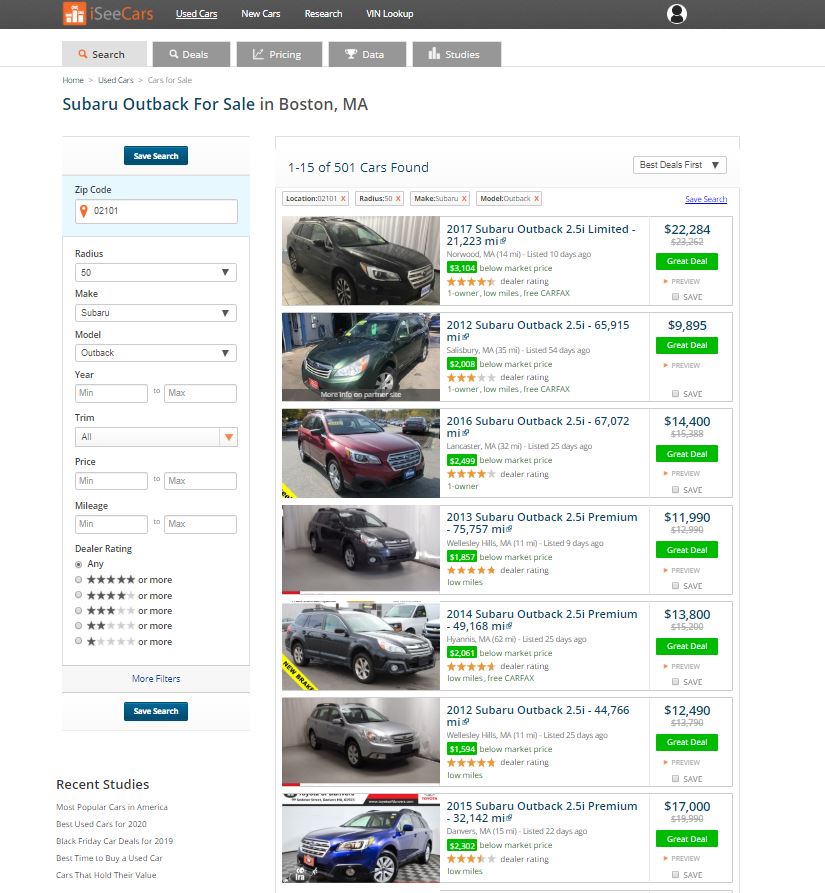
Before committing any money, financial prudence dictates thorough research.
Vehicle History Reports (CarFax, AutoCheck)
These reports provide invaluable data on a vehicle’s past, including accidents, service records, ownership changes, and title issues. Investing in a report can save thousands by preventing the purchase of a problematic vehicle. Some sellers or dealerships provide these free; if not, consider it a non-negotiable expense for any serious contender.
Pre-Purchase Inspections (PPI)
An independent mechanic’s inspection is arguably the best financial safeguard. For a modest fee, a mechanic can identify existing issues or impending repairs, giving you leverage for negotiation or helping you walk away from a money pit. The cost of a PPI is a minimal investment compared to potential repair bills.
The Art of Negotiation: Tips for a Better Deal
The “cheapest site” is also one where effective negotiation can take place.
Research Market Value
Before contacting a seller, understand the fair market value of the specific make, model, and year with similar mileage and condition. Sites like Kelley Blue Book (KBB) or Edmunds provide excellent valuation tools. This knowledge empowers you during price discussions.
Be Prepared to Walk Away
The most powerful negotiation tool is the willingness to disengage. If a seller is unwilling to meet a reasonable price or address concerns, don’t be afraid to walk away. There are always other vehicles.
Leverage Imperfections
Minor dents, scratches, or identified mechanical issues (from a PPI) are all valid points for negotiating a lower price. Quantify the cost of these repairs and deduct them from the asking price.
Understanding Financing Options and Hidden Fees
For many, financing is a necessity. Securing the lowest interest rate and understanding all associated fees are crucial for keeping the total cost down.
Pre-Approval from Banks/Credit Unions
Before stepping onto a dealership lot or finalizing a private sale, get pre-approved for a loan from your bank or credit union. This gives you a clear budget and negotiation power, as you won’t be reliant on the seller’s or dealer’s financing options, which may carry higher rates.
Scrutinize All Documents
Carefully review purchase agreements, loan documents, and any additional warranty contracts. Understand every fee, interest rate, and term. Don’t hesitate to ask questions about anything unclear. Hidden fees can significantly inflate the true cost of a vehicle.
Beyond the Initial Purchase Price: Long-Term Financial Considerations
A genuinely cheap used car purchase extends its financial benefits over its entire ownership period. The initial price is just the beginning; long-term costs dramatically influence the overall financial viability of a vehicle.
Maintenance, Insurance, and Fuel Efficiency
These ongoing costs can quickly erode initial savings. Research common maintenance issues for specific models, obtain insurance quotes before purchase, and consider fuel economy. A car that is “cheap” to buy but expensive to maintain, insure, or fuel may prove to be a financial burden in the long run. Prioritize reliable brands and models with readily available, affordable parts.
Resale Value and Depreciation
Even when buying used, future resale value is a financial consideration. Some models hold their value better than others. Purchasing a vehicle known for retaining its value means less depreciation loss when it’s time to sell, effectively lowering the total cost of ownership over its lifespan.
The Ultimate Decision: Balancing Price and Value
Ultimately, the “cheapest site” isn’t a single platform but a combination of effective strategies applied across various marketplaces. It’s about finding the intersection of low initial cost, manageable long-term expenses, and minimized financial risk.
When the ‘Cheapest’ Isn’t the Most Economical
Beware of deals that seem too good to be true, especially on platforms with limited buyer protection. A vehicle with an incredibly low sticker price but undisclosed mechanical issues or a salvage title can quickly become the most expensive option once repairs and administrative hurdles are factored in. Prioritizing a comprehensive inspection and vehicle history report is a wise financial investment against such pitfalls.

A Holistic Approach to Used Car Affordability
The truly financially savvy buyer considers all angles: research, negotiation, inspection, and long-term costs. While Craigslist or Facebook Marketplace might offer the lowest sticker prices, the additional legwork required for due diligence must be factored into the equation. For some, the added transparency and tools provided by sites like CarGurus, even with potentially slightly higher prices, might offer better overall financial value by reducing risk and uncertainty. The cheapest site is, therefore, the one that empowers the buyer with the information and opportunity to secure a vehicle that is not only inexpensive to acquire but also economical to own and operate, making it a sound financial investment.
aViewFromTheCave is a participant in the Amazon Services LLC Associates Program, an affiliate advertising program designed to provide a means for sites to earn advertising fees by advertising and linking to Amazon.com. Amazon, the Amazon logo, AmazonSupply, and the AmazonSupply logo are trademarks of Amazon.com, Inc. or its affiliates. As an Amazon Associate we earn affiliate commissions from qualifying purchases.