
Securing adequate funding is often the make-or-break factor for small businesses, whether they are just starting, looking to expand, or simply trying to navigate through lean periods. While the entrepreneurial spirit is vital, capital is the fuel that keeps the engine running. Many aspiring and existing small business owners find the process of obtaining a loan daunting, filled with complex terminology, strict requirements, and seemingly endless paperwork. However, with a clear understanding of the landscape, meticulous preparation, and a strategic approach, securing the necessary funding becomes a manageable and often successful endeavor. This guide will walk you through the essential steps, common loan types, and crucial preparations to boost your chances of getting a small business loan.
Understanding Your Small Business Funding Needs
Before you even begin to think about where to get a loan, you must first understand why you need one and how much you need. A clear picture of your funding requirements is the cornerstone of a successful loan application.
Why Do You Need Capital?
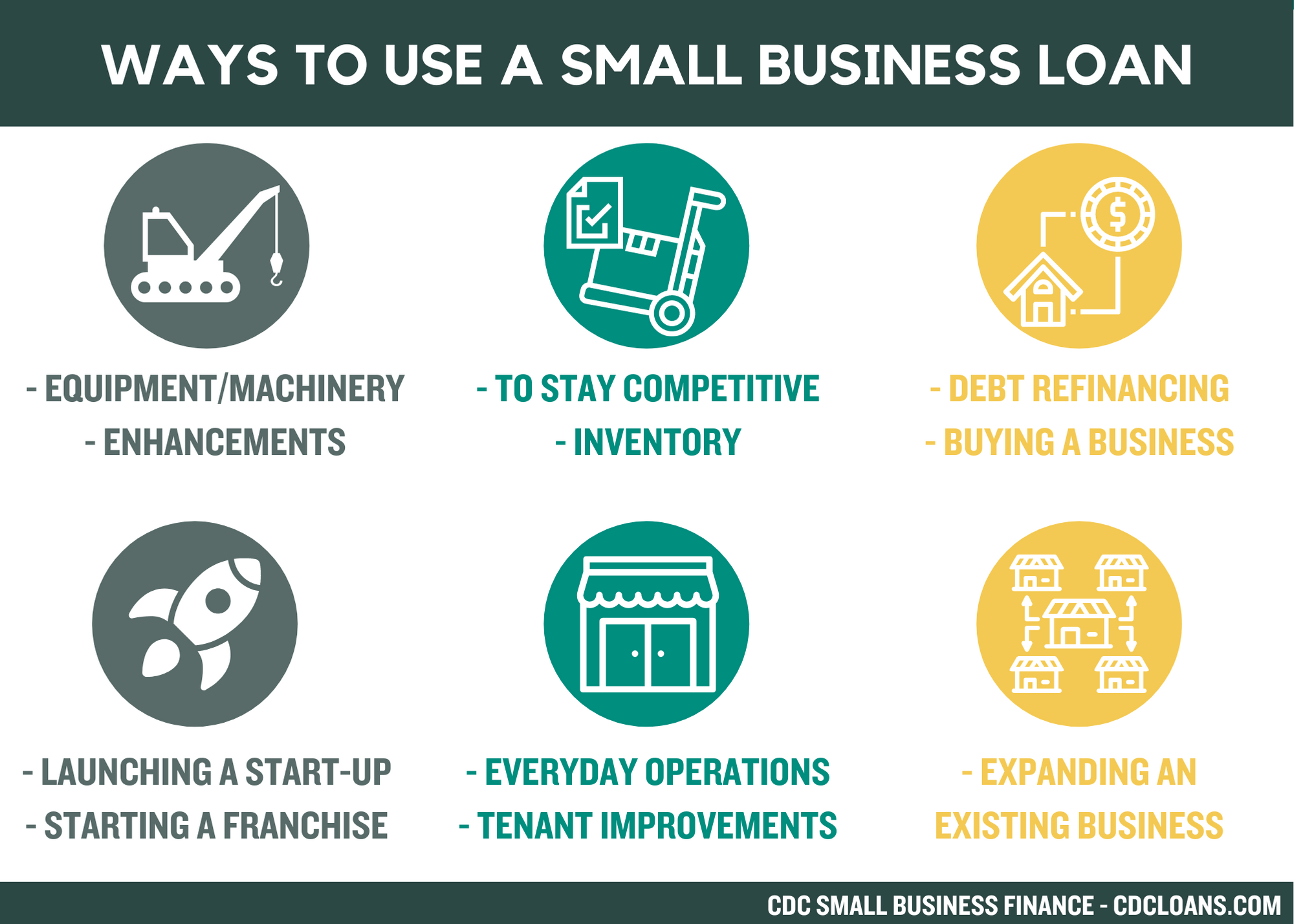
The reason behind seeking a loan significantly influences the type of loan you should pursue and how lenders will evaluate your request. Common reasons include:
- Startup Costs: Covering initial expenses like legal fees, permits, equipment, inventory, and marketing before revenue starts flowing.
- Expansion: Funding new locations, increasing production capacity, hiring more staff, or developing new products/services.
- Working Capital: Bridging cash flow gaps, paying for day-to-day operations, or managing seasonal fluctuations in business.
- Equipment Purchase: Buying specific machinery, vehicles, or technology essential for your operations.
- Inventory: Purchasing stock in bulk to meet demand, especially for retail or manufacturing businesses.
- Debt Refinancing: Consolidating existing high-interest debts into a single, more manageable loan.
- Emergency Funds: Having a financial cushion for unexpected expenses or downturns.
Clearly articulating your purpose demonstrates foresight and a solid business strategy to potential lenders.
How Much Capital Do You Need?
This is not a number to pull out of thin air. It requires thorough financial projections and a detailed business plan. Lenders want to see that you’ve done your homework.
- Detailed Financial Projections: Create realistic cash flow statements, profit and loss statements, and balance sheets for at least the next 1-3 years. Be conservative in your revenue estimates and thorough with your expense projections.
- Business Plan: Your business plan should clearly outline how the funds will be used and how they will generate a return that allows for repayment. This includes specific allocations for equipment, marketing, inventory, staffing, etc.
- Cash Flow Analysis: Understand your current and projected cash inflows and outflows. This helps determine how much working capital you need and your capacity to repay a loan.
Asking for too little might leave you short and needing more funding sooner than anticipated, while asking for too much could make you seem unrealistic or risky to a lender.
What is Your Business’s Financial Health?
Lenders assess risk, and your financial health is a primary indicator. Both your personal and business finances will be scrutinized.
- Credit Score: Your personal credit score (FICO) is often a critical factor for small business loans, especially for newer businesses without an established business credit history. A strong personal credit score (generally 680+) indicates responsible financial behavior.
- Business Credit Score: As your business grows, establishing a separate business credit score (e.g., Dun & Bradstreet PAYDEX score) becomes crucial. Lenders will check this to assess your business’s ability to handle debt.
- Revenue and Profitability: Lenders want to see a history of stable or growing revenue and, ideally, profitability. This demonstrates the business’s ability to generate income to cover loan payments.
- Assets and Liabilities: Your business’s balance sheet, showing its assets (what it owns) and liabilities (what it owes), provides a snapshot of its financial solvency. Strong assets can also serve as collateral.
Exploring Common Small Business Loan Types
The world of small business finance offers a diverse array of loan products, each with its own structure, requirements, and suitability for different business needs. Understanding these options is key to choosing the right fit.
Traditional Bank Loans
These are often the first port of call for many businesses, renowned for competitive interest rates and longer repayment terms, but they typically have the strictest eligibility criteria.
- Term Loans: A lump sum of money is provided, repaid over a set period with fixed interest rates. Best for significant, one-time investments like equipment purchases or expansion.
- Lines of Credit: Similar to a credit card, you can draw funds as needed up to a certain limit and only pay interest on the amount borrowed. Ideal for managing short-term cash flow gaps or unexpected expenses.
- Pros: Lower interest rates, longer repayment periods, established relationships with banks can be beneficial.
- Cons: Stringent eligibility requirements (strong credit, collateral, robust financial history), lengthy application process, often require a personal guarantee.
SBA Loans
Backed by the U.S. Small Business Administration (SBA), these loans are government-guaranteed, making it less risky for lenders to provide capital to small businesses that might not qualify for traditional loans.
- SBA 7(a) Loan Program: The most common SBA loan, offering flexible financing for a wide range of purposes, including working capital, equipment, real estate, and refinancing debt. Loan amounts can go up to $5 million.
- SBA 504 Loan Program: Designed for fixed asset purchases, such as real estate or heavy machinery, offering long-term, fixed-rate financing.
- SBA Microloan Program: Provides smaller loans (up to $50,000) for startups and small businesses, often with less stringent requirements, facilitated through non-profit community lenders.
- Benefits: Government guarantee reduces risk for lenders, making loans more accessible; longer repayment terms, competitive rates.
- Process: Applied for through participating banks or credit unions, not directly from the SBA. While the SBA guarantees a portion, the lender still assesses the borrower’s creditworthiness.
Alternative Lenders & Online Loans
In recent years, a burgeoning market of online and alternative lenders has emerged, offering faster access to capital, often with more flexible eligibility criteria than traditional banks.
- Online Lenders: Provide a variety of loan products, including term loans, lines of credit, and short-term loans. Known for quick application and approval processes, often funding within days.
- Merchant Cash Advances (MCAs): Businesses receive a lump sum in exchange for a percentage of their future credit card sales. While fast, MCAs can be very expensive, with high effective interest rates.
- Invoice Factoring/Financing: You sell your outstanding invoices to a third party at a discount for immediate cash. Useful for businesses with slow-paying clients.
- Equipment Financing: Loans specifically for purchasing business equipment, where the equipment itself serves as collateral.
- Pros: Faster access to capital, less stringent credit requirements, more flexible options for businesses with limited operating history or lower credit scores.
- Cons: Often come with higher interest rates, shorter repayment terms, and various fees, making them more expensive than traditional bank or SBA loans.
Crowdfunding & Peer-to-Peer Lending
These innovative funding models leverage technology to connect borrowers directly with individual investors or a large community.
- Crowdfunding (Debt-based/Equity-based): Raise capital from a large number of individuals. Debt-based crowdfunding involves borrowing money with a promise of repayment plus interest. Equity-based crowdfunding offers ownership shares in exchange for investment.
- Peer-to-Peer (P2P) Lending: Businesses borrow directly from individuals or groups of investors through online platforms, often with more favorable terms than some alternative lenders.
- Pros: Can access capital without traditional bank hurdles, engage a community, and sometimes receive more flexible terms.
- Cons: Can be time-consuming to set up and market, success is not guaranteed, and regulations vary.
Preparing Your Loan Application: Essential Documents and Information
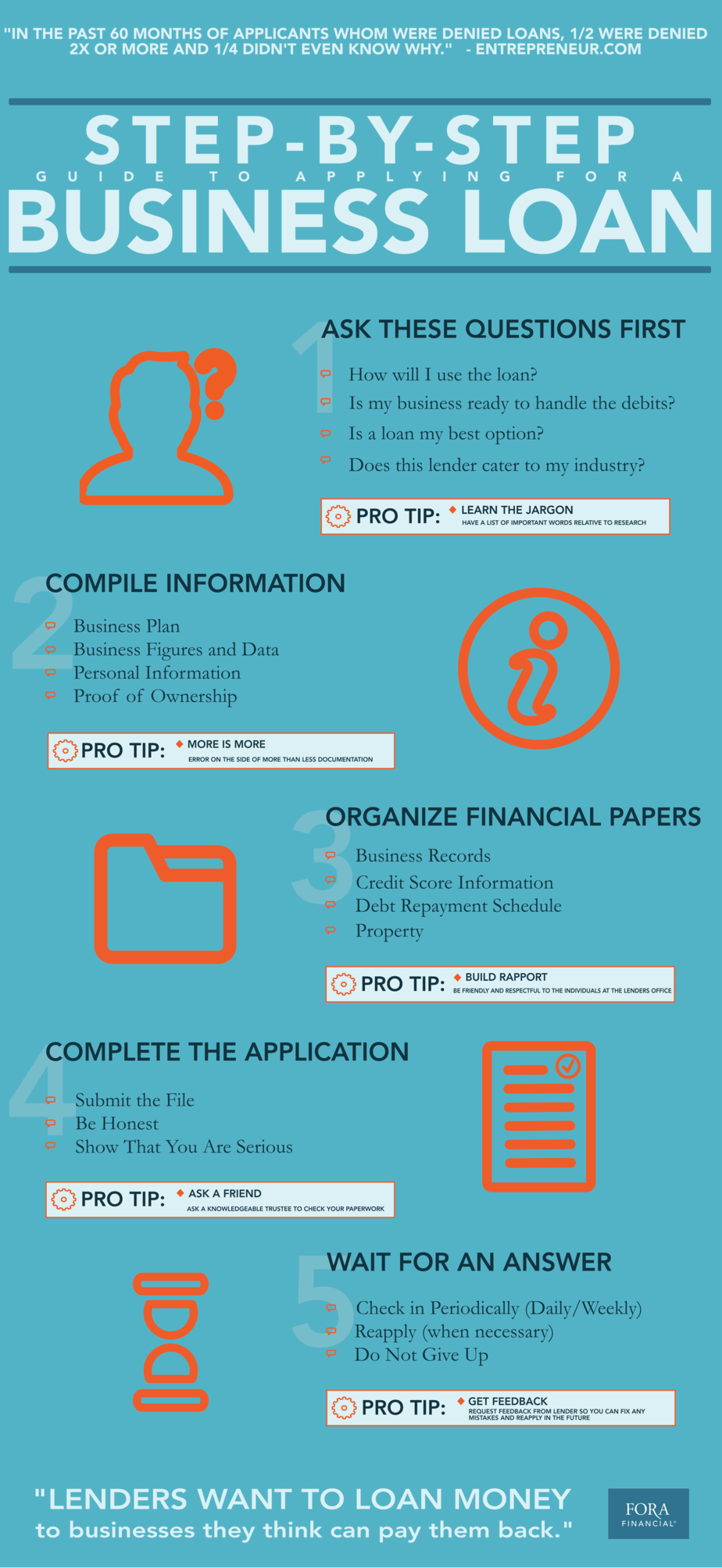
Regardless of the lender or loan type, a well-prepared application package is crucial. Lenders need comprehensive, accurate information to assess your business’s viability and your ability to repay the loan.
A Robust Business Plan
This isn’t just a formality; it’s your business’s roadmap and your pitch to the lender.
- Executive Summary: A concise overview of your business, its mission, products/services, target market, and financial projections.
- Company Description: Legal structure, history, and goals.
- Market Analysis: Understanding your industry, target market, competition, and how you differentiate yourself.
- Organization and Management: Details about your team, their experience, and legal structure.
- Service or Product Line: Description of what you sell and its unique value proposition.
- Marketing and Sales Strategy: How you will reach customers and generate revenue.
- Funding Request: Specifics on how much you need, how it will be used, and how it will lead to profitability.
- Financial Projections: The future financial health of your business, typically 3-5 years.

Comprehensive Financial Statements
Lenders need to see a clear picture of your past and projected financial performance.
- Profit & Loss (Income) Statements: Typically for the past 2-3 years, showing your revenues, costs, and profits/losses.
- Balance Sheets: For the past 2-3 years, detailing your assets, liabilities, and equity at a specific point in time.
- Cash Flow Statements: For the past 2-3 years, tracking the movement of cash into and out of your business.
- Projected Financials: Forecasts for the next 1-3 years, demonstrating your repayment capacity.
Having these professionally prepared and up-to-date is non-negotiable.
Personal Financial Information
Especially for small businesses, the owner’s personal financial health is often intertwined with the business’s.
- Personal Credit Report: Lenders will pull this to assess your personal financial responsibility. Ensure it’s clean and accurate.
- Personal Tax Returns: Usually for the past 2-3 years.
- Personal Financial Statement: A document listing your personal assets (savings, real estate, investments) and liabilities (mortgages, credit card debt, other loans).
Legal and Business Documents
Ensure all your legal and operational paperwork is in order.
- Business Legal Documents: Articles of incorporation/organization, partnership agreements, business licenses, and permits.
- Business Bank Statements: Recent statements, typically for the past 6-12 months.
- Tax Returns: Business tax returns for the past 2-3 years.
- Leases and Contracts: Any relevant commercial leases, vendor contracts, or client agreements.
Collateral and Guarantees
Lenders often seek ways to mitigate risk.
- Collateral: Assets that you pledge to the lender, which they can seize if you default on the loan. This can include real estate, equipment, inventory, or accounts receivable.
- Personal Guarantee: Many small business loans require a personal guarantee from the owner, meaning you are personally responsible for repaying the loan if the business cannot. Understand the implications of this.
The Application Process: From Submission to Approval
Once you have meticulously prepared your documentation, the next stage involves navigating the application process itself. This requires strategic decision-making and keen attention to detail.
Researching Lenders and Comparing Offers
Don’t settle for the first offer. Different lenders specialize in different areas and offer varying terms.
- Eligibility Requirements: Confirm you meet the basic criteria (e.g., time in business, annual revenue, credit score) before applying.
- Interest Rates and Fees: Compare Annual Percentage Rates (APR), origination fees, closing costs, and any prepayment penalties.
- Loan Terms: Look at the repayment period, frequency of payments, and flexibility of terms.
- Lender Reputation and Customer Service: Read reviews and choose a lender known for transparency and good support.
Consider a mix of traditional banks, credit unions, SBA-approved lenders, and reputable online platforms.
Submitting Your Application
Accuracy and completeness are paramount.
- Double-Check Everything: Ensure all information is accurate, consistent across documents, and up-to-date. Errors can lead to delays or rejection.
- Be Organized: Submit documents in a clear, logical order, preferably digitally if the lender accepts it.
- Be Responsive: Be prepared to answer follow-up questions promptly and provide additional information if requested.
The Underwriting Process
This is where the lender thoroughly evaluates your application.
- Financial Analysis: Underwriters will dissect your financial statements and projections to assess your repayment capacity.
- Credit Assessment: Both personal and business credit scores will be heavily weighted.
- Business Viability: They will evaluate your business plan, market conditions, management team, and overall risk profile.
- Collateral Review: If collateral is offered, it will be appraised to determine its value.
Be prepared for a detailed inquiry into every aspect of your business.
Negotiation and Closing
If approved, you’ll receive a loan offer outlining the terms.
- Review Terms Carefully: Understand all aspects of the loan agreement, including interest rates, fees, repayment schedule, covenants (conditions you must meet), and default clauses.
- Seek Legal Counsel: It’s often wise to have an attorney review the loan documents, especially for larger or more complex loans, to ensure you understand your obligations.
- Negotiate: Don’t be afraid to negotiate certain terms if you believe they are unfavorable. While not all terms are negotiable, some lenders may have flexibility.
What to Do if You’re Denied
A denial is not the end of your funding journey.
- Seek Feedback: Ask the lender for specific reasons for the denial. This feedback is invaluable for improving future applications.
- Improve Your Profile: Address the weaknesses identified (e.g., improve credit score, strengthen your business plan, increase revenue).
- Explore Alternatives: Consider other loan types or lenders with different criteria. Small, short-term loans or microloans might be an option to build a repayment history.
Managing Your Business Loan Responsibly
Securing a loan is a significant achievement, but the responsibility doesn’t end there. Effective management of your loan is crucial for your business’s financial health and future funding opportunities.
Adhering to Repayment Schedules
This is the most critical aspect of responsible loan management.
- Automate Payments: Set up automatic payments to avoid missed deadlines and late fees.
- Monitor Cash Flow: Continuously track your business’s cash flow to ensure you always have sufficient funds to cover loan payments.
- Understand Consequences of Default: Missing payments can severely damage your business and personal credit scores, leading to higher interest rates on future loans, collection actions, and potential seizure of collateral.
Monitoring Your Business Performance
The loan should be a tool for growth, not a burden.
- Track Key Metrics: Regularly review your financial statements, comparing actual performance against your projections.
- Ensure Funds are Used Effectively: Verify that the loan funds are being utilized as outlined in your business plan, leading to the expected return on investment.
- Adjust Strategy as Needed: If your business isn’t performing as expected, adapt your operations or marketing strategy to ensure you can meet your financial obligations.
Building a Strong Financial History
Your current loan repayment behavior will influence your ability to secure funding in the future.
- Maintain Good Credit: Consistently making on-time payments builds a positive credit history for your business, opening doors to better terms and larger loans down the line.
- Cultivate Lender Relationships: A positive relationship with your current lender can be an asset for future financing needs.
In conclusion, getting a loan for your small business is a detailed process that demands careful planning, thorough preparation, and a deep understanding of your options. By clearly defining your needs, exploring suitable loan products, assembling a robust application, and managing your debt responsibly, you can successfully navigate the complexities of business finance and secure the capital required to fuel your small business’s growth and success. While challenges may arise, persistence, an analytical approach, and a commitment to financial discipline will pave the way for a brighter financial future for your enterprise.
aViewFromTheCave is a participant in the Amazon Services LLC Associates Program, an affiliate advertising program designed to provide a means for sites to earn advertising fees by advertising and linking to Amazon.com. Amazon, the Amazon logo, AmazonSupply, and the AmazonSupply logo are trademarks of Amazon.com, Inc. or its affiliates. As an Amazon Associate we earn affiliate commissions from qualifying purchases.