
In an increasingly globalized world, air travel has become more accessible than ever, yet the quest for the “cheapest airline” remains a perennial challenge for budget-conscious travelers. It’s a question that, on the surface, seems straightforward, but its answer is profoundly complex, influenced by a myriad of dynamic factors from route demand and booking windows to ancillary fees and airline business models. For the astute financial planner and the savvy traveler, understanding the intricate economics of air travel is not just about finding a low fare; it’s about mastering the art of value, minimizing unnecessary expenses, and ultimately, making intelligent financial decisions that extend beyond the initial ticket price.
This article delves into the strategies and insights necessary to navigate the often-turbulent waters of airline pricing. We’ll dismantle the myth of a single “cheapest airline,” revealing instead a landscape where the true cost of travel is a sum of many parts. Our focus will be squarely on personal finance, empowering you with the knowledge to make economically sound choices, whether you’re planning a spontaneous weekend getaway or a meticulously budgeted international adventure. By understanding the underlying mechanics of airline pricing and equipping yourself with proven financial tactics, you can transform the daunting task of finding affordable airfare into an empowering exercise in fiscal responsibility.
The Elusive “Cheapest Airline”: A Deeper Dive into Pricing Dynamics
The concept of a perpetually “cheapest airline” is largely a myth. Unlike consumer goods with fixed price tags, airfare is a fluid commodity, its cost fluctuating moment-to-moment based on algorithms designed to maximize airline revenue. To truly find the most economical option, one must first grasp the intricate forces that dictate these prices. It’s not about identifying a single low-cost carrier, but about understanding when and how to leverage the competitive marketplace to your financial advantage.
Beyond the Base Fare: Understanding Hidden Costs
The sticker price for a flight can often be a deceptive initial figure. Airlines, particularly budget carriers, have perfected the art of unbundling services, stripping down the base fare to its bare minimum. This strategy allows them to advertise incredibly low prices, drawing in cost-sensitive travelers. However, the true cost quickly escalates once “hidden” or optional fees are factored in. These often include charges for checked baggage, carry-on bags that exceed a minimal size, seat selection (especially for aisle or window seats), in-flight meals and entertainment, priority boarding, and even printing a boarding pass at the airport. For the financially savvy traveler, scrutinizing these potential add-ons before booking is paramount. A flight advertised at $50 could easily double or triple in price once all necessary amenities are included, potentially making a seemingly more expensive full-service airline a better value proposition in the long run. A careful line-item comparison of total expected costs, not just the base fare, is a critical step in prudent travel budgeting.
The Dynamic Pricing Algorithm: Why Fares Fluctuat
Airline pricing is a masterclass in dynamic economics, driven by sophisticated algorithms that analyze a multitude of real-time data points. Demand is arguably the most significant factor: flights during peak seasons (holidays, summer months), popular routes, and high-demand times (e.g., Friday evenings, Sunday afternoons) invariably command higher prices. Conversely, off-peak travel during shoulder seasons or mid-week flights often present significant savings. The “booking window” also plays a crucial role; generally, booking too early or too late can result in higher fares. The sweet spot often lies several weeks to a few months in advance for domestic flights and further out for international journeys. Competitor pricing, fuel costs, available seat inventory, and even the time of day a search is conducted can all influence the price you see. Understanding this fluidity empowers travelers to adopt a strategic approach, knowing that patience, flexibility, and timing are as valuable as the comparison site itself.
Low-Cost Carriers vs. Full-Service Airlines: A Cost-Benefit Analysis
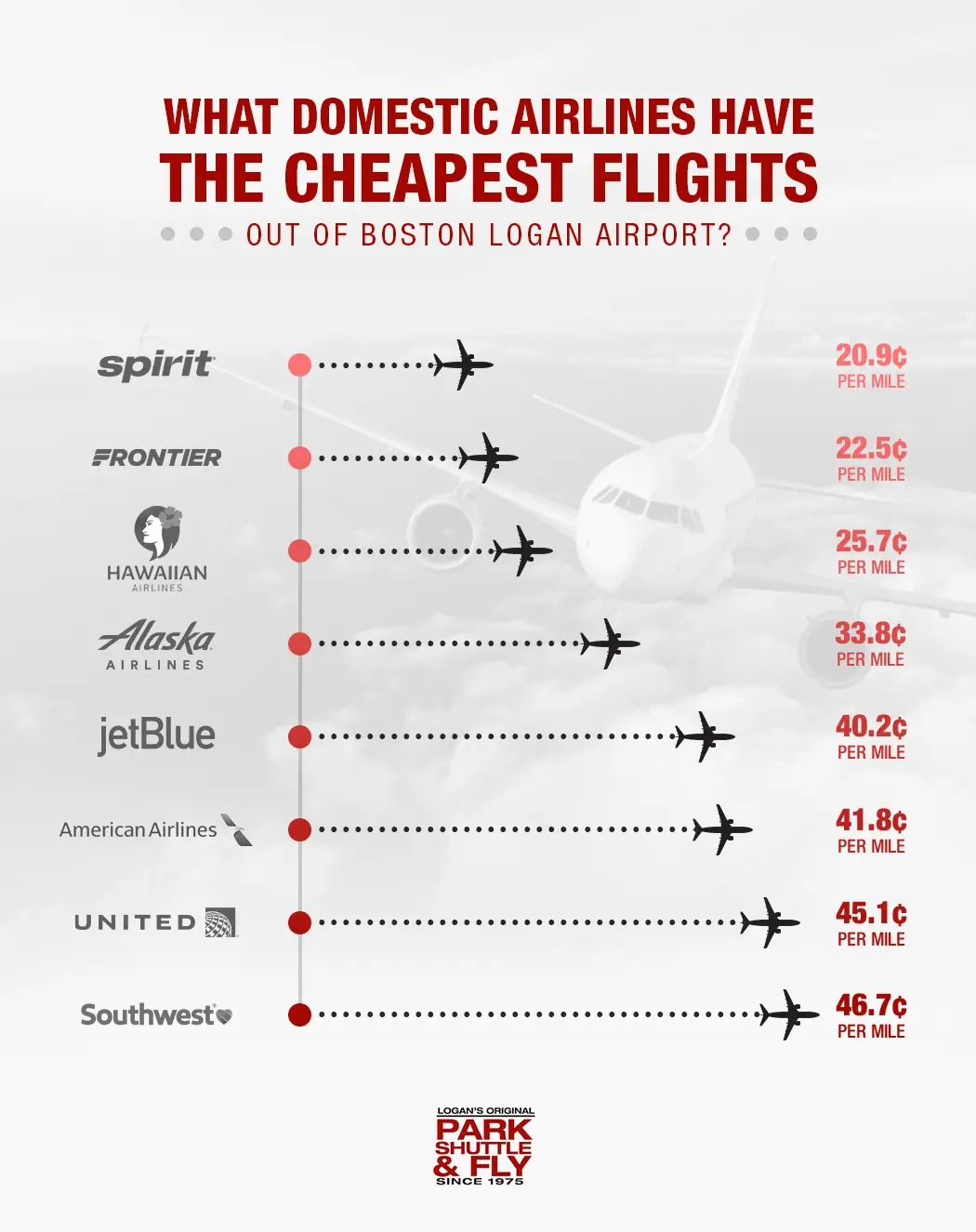
The airline industry is broadly segmented into low-cost carriers (LCCs) and full-service airlines (FSAs), each with distinct business models that directly impact their pricing structure. LCCs like Spirit, Frontier, Ryanair, or EasyJet focus on efficiency, no-frills service, and point-to-point routes, passing on savings to passengers through their unbundled fare structure. They are often ideal for short trips, light packers, or those who prioritize the lowest possible fare above all else. However, for longer journeys, family travel, or those who value comfort and inclusions, the accumulated fees on an LCC can quickly surpass the cost of a full-service airline ticket. FSAs, such as Delta, United, British Airways, or Lufthansa, typically include baggage allowances, in-flight meals, entertainment, and seat selection in their base fare, offering a more predictable and often more comfortable travel experience. A thorough cost-benefit analysis, considering your specific travel needs, baggage requirements, and desired amenities, is essential. The “cheapest” option isn’t always the one with the lowest initial price; it’s the one that delivers the best overall financial value for your particular journey.
Strategies for Identifying and Securing the Best Airfare Deals
Navigating the labyrinthine world of airline pricing requires more than just luck; it demands a strategic, informed approach. For the financially astute traveler, securing the best airfare deals is a game of skill, involving the intelligent use of online tools, a degree of flexibility, and a deep understanding of market dynamics. These strategies are not just about finding cheap flights; they are about optimizing your travel budget to maximize your financial health and travel experiences.
Leverage Flight Comparison Websites and Aggregators
Flight comparison websites and aggregators (e.g., Google Flights, Skyscanner, Kayak, Expedia) are indispensable financial tools for any budget-conscious traveler. These platforms scour thousands of potential flights from various airlines and online travel agencies (OTAs), presenting a consolidated view of available options and prices. They allow for easy comparison across carriers, dates, and even nearby airports. However, it’s crucial to use them effectively and understand their limitations. Always cross-reference prices directly on the airline’s own website, as some LCCs or exclusive deals might not always appear on aggregators, or the airline might offer a slightly better price directly. Furthermore, these sites often provide useful features such as price alerts, historical price trends, and flexible date search options, which are invaluable for identifying the optimal booking window. Treating these aggregators as sophisticated financial dashboards for travel allows you to make data-driven decisions about your airfare purchases.
The Power of Flexible Travel Dates and Destinations
Flexibility is arguably the most potent weapon in a budget traveler’s arsenal. Airfares are heavily influenced by demand, which fluctuates dramatically based on the day of the week, time of year, and major holidays. Flying mid-week (Tuesday to Thursday) or during the “shoulder seasons” (spring and fall for many destinations, avoiding peak summer or winter holidays) can yield significant savings. Similarly, being open to alternative airports near your desired destination can unlock cheaper routes or even different airlines that might not serve the primary airport. Many aggregators offer “flexible date” or “explore” features, allowing you to view prices across an entire month or even suggest destinations based on your budget. For instance, if you’re merely looking for a getaway, rather than having a fixed destination, asking “where can I go for X amount?” can lead to unexpectedly affordable adventures. This level of flexibility transforms the travel planning process from a restrictive quest to an expansive exploration of financial opportunities.
Set Fare Alerts and Be Patient (But Not Too Patient)
The volatile nature of airfare means that prices can change multiple times within a single day. To capitalize on these fluctuations, setting fare alerts through comparison websites or direct airline apps is a smart financial move. These alerts notify you via email or push notification when the price for a specific route drops or rises, allowing you to monitor the market without constant manual checking. This strategy is particularly effective when you have a general travel window but are not tied to an exact date. Patience, however, must be balanced with decisiveness. While waiting for the lowest possible price is tempting, prices can also rebound quickly, leading to missed opportunities. General guidance suggests booking domestic flights 1-3 months in advance and international flights 2-8 months out, but these are guidelines, not rigid rules. Leverage historical price data, often provided by comparison tools, to gauge what constitutes a “good deal” for your specific route and be prepared to act when an attractive price appears.
Consider Budget Airlines: When They Make Sense (and When They Don’t)
Budget airlines, as discussed, are designed to offer the absolute lowest base fare, but they come with a distinct set of trade-offs. They make financial sense when:
- You’re a minimalist packer: Traveling with only a small personal item avoids baggage fees.
- It’s a short-haul flight: Less time in the air means fewer needs for comfort, meals, or entertainment.
- You’re flexible with airport location: Many budget airlines fly into smaller, secondary airports which might be further from your final destination but offer cheaper fares.
- You prioritize cost over comfort/amenities: You’re willing to forgo seat selection, priority boarding, and in-flight services.
However, they might not be the most financially prudent choice when:
- You have significant baggage: Multiple checked bags or even larger carry-ons can quickly erode savings.
- It’s a long-haul flight: The discomfort of cramped seating and lack of amenities can detract significantly from the travel experience.
- You’re traveling with family or specific needs: Managing multiple baggage fees, seat assignments, and potential connection hassles can be stressful and costly.
- You value predictability: Full-service airlines often have more lenient policies regarding delays or cancellations.
Always perform a comprehensive calculation of the total cost, including all potential fees, before deciding if a budget airline truly offers the “cheapest” and most sensible option for your financial and travel needs.
Maximizing Value: Smart Booking Tactics Beyond Just Price
While finding the lowest sticker price is often the initial goal, a truly financially savvy approach to air travel involves maximizing overall value. This means looking beyond the immediate cost of the ticket to consider the broader financial ecosystem of travel, leveraging loyalty programs, strategic routing, and bundling opportunities. These tactics transform air travel from a simple transaction into an intelligent investment in experiences, often resulting in significant long-term savings and enhanced travel benefits.

Loyalty Programs and Credit Card Rewards: Flying for Less
For frequent flyers, or even those who travel a few times a year, engaging with airline loyalty programs and travel-focused credit cards is an invaluable financial strategy. Accumulating miles or points through specific airline programs (e.g., American AAdvantage, Delta SkyMiles) or through general travel rewards credit cards (e.g., Chase Sapphire, American Express Platinum) can significantly reduce future travel costs. These points can be redeemed not just for flights, but often for upgrades, hotel stays, or other travel perks. The key is strategic accumulation and redemption. Understanding which cards offer the best sign-up bonuses, category spending multipliers, and redemption rates is crucial. While annual fees on premium travel cards can seem steep, the benefits — such as lounge access, travel insurance, free checked bags, and statement credits — can easily offset these costs, making them a net financial gain for the frequent traveler. This requires a disciplined approach to credit card usage and a clear understanding of points values, effectively turning everyday spending into future travel savings.
The Art of the Layover: Longer Journeys, Lower Prices
Direct flights, while convenient, often come with a premium price tag. For travelers with flexible schedules and a keen eye for savings, embracing the layover can unlock significantly cheaper airfares. Airlines often price routes with connections lower to fill less direct or less popular segments of their network. A longer layover, or one in a less common connecting city, typically translates to greater savings. This strategy, however, requires careful planning. Consider the trade-offs: the additional time spent traveling versus the financial savings. For some, a multi-hour layover might even present an opportunity to explore a new city for a few hours, transforming a utilitarian stop into a mini-adventure. However, extended layovers, especially across different airlines, increase the risk of missed connections and lost luggage, which could incur additional costs if not properly managed (e.g., travel insurance). Evaluating the financial benefit against the potential inconvenience and risk is critical for smart decision-making.
Bundle Deals and Package Savings: When to Explore Options
Sometimes, the “cheapest airline” isn’t found by booking a flight in isolation, but by purchasing it as part of a larger travel package. Online travel agencies (OTAs) and tour operators frequently offer bundled deals that combine flights with hotel stays, car rentals, or even entire vacation packages at a lower overall cost than booking each component separately. This is because these companies often negotiate bulk rates with airlines and hotels, passing some of those savings onto consumers. While it might seem counterintuitive to book more services to save money on a flight, these bundles can offer exceptional value, particularly for common vacation destinations. However, vigilance is required. Always compare the bundled price against the cost of booking each element individually to ensure genuine savings. These deals often come with less flexibility for changes or cancellations, so understanding the terms and conditions is paramount for managing financial risk. For certain types of trips, exploring these package options can be a highly effective way to stretch your travel budget further.
Decoding Airline Fees: What to Look Out For to Avoid Surprises
Airline fees represent a significant component of the true cost of air travel, often turning a seemingly cheap base fare into a surprisingly expensive endeavor. For the financially savvy traveler, understanding and anticipating these charges is paramount to avoiding unwelcome surprises and effectively budgeting for a trip. A deep dive into the common fee structures allows for proactive planning, ensuring that the initial “cheapest” option doesn’t become the most expensive one post-booking.
Baggage Fees: Carry-on vs. Checked vs. Personal Item
Baggage fees are perhaps the most ubiquitous and often the most contentious of all airline charges. While full-service airlines typically include one checked bag (and sometimes a carry-on) in their standard fares, most budget airlines charge for every piece of luggage beyond a small “personal item” that fits under the seat. These fees can vary dramatically based on the airline, route, bag size, weight, and whether you pay in advance online or at the airport (the latter almost always being more expensive). For the financially prudent, this means:
- Understanding classifications: Know the exact dimensions and weight limits for personal items, carry-ons, and checked bags for your specific airline.
- Packing strategically: If possible, travel light with only a personal item. If a carry-on is needed, ensure it meets the airline’s specific size requirements to avoid gate-check fees.
- Pre-paying: If you anticipate needing a checked bag, almost always pre-pay for it online during booking or check-in, as airport counter or gate fees are substantially higher.
- Weighing bags: Invest in a small luggage scale to avoid overweight baggage fees, which can be exorbitant.
The choice between a low base fare with baggage fees and a slightly higher fare that includes baggage should always involve a full calculation of the total baggage cost.
Seat Selection and Priority Boarding: Are They Worth It?
Another common unbundled service is seat selection. Many budget airlines, and increasingly full-service carriers with their “basic economy” fares, charge extra to select a specific seat. If you don’t pay, you’ll be assigned a seat randomly at check-in or the gate, which can lead to middle seats, separation from travel companions, or even an involuntary upgrade or downgrade depending on availability. Priority boarding, which allows passengers to board before general boarding groups, is also often an extra charge.
For many, the cost of seat selection is a small price to pay for comfort or to ensure sitting with family, particularly on longer flights or with young children. For solo travelers on short flights, foregoing seat selection might be a worthwhile saving. Priority boarding, while offering the convenience of overhead bin space and settling in early, is largely a luxury rather than a necessity, unless you have specific needs that require early access. The financial decision here lies in weighing the cost against your personal comfort, specific travel needs, and the potential inconvenience of random assignment. For basic economy fares, be acutely aware that seat selection fees are almost guaranteed, and for families, this can add a significant, often unavoidable, expense.
Change and Cancellation Policies: Understanding the Fine Print
Life happens, and travel plans can change unexpectedly. Understanding an airline’s change and cancellation policies is a critical financial safeguard. While many airlines have relaxed their change fees in recent years, particularly for mainline fares, basic economy tickets often remain non-changeable and non-refundable. If changes are permitted, there may still be a fare difference to pay, which can be substantial. For cancellations, the policy dictates whether you receive a refund (full or partial) or a flight credit, often with an expiration date.
For travelers who anticipate potential changes or cancellations, it might be financially prudent to:
- Opt for flexible fares: Many airlines offer “flexible” or “economy plus” options that allow changes without a fee, though these typically come at a higher initial price.
- Purchase travel insurance: For expensive trips or those with complex itineraries, travel insurance can protect against unforeseen circumstances leading to cancellation or interruption, recouping non-refundable expenses.
- Understand airline-specific policies: Policies vary wildly, so always read the fine print before booking. Some airlines offer a 24-hour grace period for free changes/cancellations.
Ignoring these policies can lead to significant financial losses if plans change. Factor the potential cost of changes into your overall travel budget, and consider it an investment in peace of mind.
Budgeting for Air Travel: A Holistic Financial Approach
Finding the “cheapest airline” is just one piece of the puzzle when it comes to financially responsible travel. A holistic approach to travel budgeting integrates airfare costs into a broader personal finance strategy, ensuring that your adventures don’t derail your financial goals. It’s about looking beyond the plane ticket to the entire economic footprint of your trip, utilizing smart planning and financial tools to maintain control.
Incorporating Travel into Your Personal Finance Plan
For many, travel is a significant discretionary expense, and as such, it deserves a dedicated place within your personal finance plan. Rather than viewing travel as an impulse purchase, integrating it into your regular budgeting process transforms it into an achievable financial goal. This means:
- Setting specific savings goals: Determine how much you want to spend on travel annually or for a particular trip, and then establish a sinking fund or dedicated savings account. Regularly contributing a small amount to this fund makes large travel expenses manageable without dipping into emergency savings or going into debt.
- Prioritizing travel spending: Evaluate your overall budget and identify areas where you can cut back temporarily to allocate more funds towards travel. This might mean fewer restaurant meals, less entertainment spending, or optimizing other discretionary expenses.
- Utilizing automated transfers: Set up automatic transfers from your checking account to your travel savings fund on a regular basis. This “pay yourself first” approach ensures consistent progress towards your travel goals.
By treating travel as a planned financial objective rather than an unplanned expenditure, you align your desire for exploration with your broader financial well-being.
The True Cost of a Trip: Beyond the Flight Ticket
The flight ticket, no matter how cheap, is only one component of the total financial outlay for a trip. A common mistake is to underestimate or entirely overlook the “true cost” once the plane lands. A comprehensive travel budget must account for:
- Accommodation: Hotels, hostels, Airbnb, and other lodging can quickly become the largest expense after flights.
- Food and drink: From daily meals to snacks and celebratory dinners, dining expenses add up.
- Local transportation: Taxis, ride-shares, public transport, car rentals, and fuel all contribute.
- Activities and entertainment: Entrance fees to attractions, tours, shows, and other experiences.
- Shopping and souvenirs: Gifts for loved ones or mementos for yourself.
- Travel insurance: An often-overlooked but crucial expense for financial protection.
- Visa fees and vaccinations: For international travel, these can be significant.
- Emergency fund: Always advisable to have a buffer for unforeseen expenses.
Failure to budget for these elements can lead to overspending, credit card debt, and a negative financial impact post-trip. A detailed spreadsheet or budgeting app, breaking down costs by category, is an invaluable tool for this holistic approach.
Financial Tools and Apps for Travel Budgeting
In the digital age, a plethora of financial tools and apps can simplify and streamline the travel budgeting process. These resources empower travelers to track spending, manage savings, and stay within their financial limits:
- Budgeting Apps: Tools like YNAB (You Need A Budget), Mint, or Personal Capital allow you to create specific travel budget categories, track expenses in real-time, and monitor your progress towards savings goals. Many can link directly to your bank accounts for automated tracking.
- Expense Trackers: Simpler apps like TravelSpend or TripCoin are designed specifically for travel, allowing you to record expenses on the go, often in different currencies, and even split costs with travel companions.
- Spreadsheets: For those who prefer a more manual approach, a well-structured Excel or Google Sheets document can serve as a powerful custom budgeting tool, allowing for detailed planning and tracking.
- Currency Converters: Essential for international travel, apps like XE Currency provide real-time exchange rates, helping you understand the true cost of purchases abroad.
- Price Prediction Tools: Websites like Hopper use historical data to predict future price changes for flights and hotels, advising you on the best time to book or whether to wait for a price drop.
Leveraging these tools transforms budgeting from a chore into an empowering element of travel planning, providing clarity and control over your finances throughout your journey.

Conclusion: Flying Smart, Not Just Cheap
The quest for the “cheapest airline” is, at its core, a financial endeavor that extends far beyond simply finding the lowest fare. As we’ve explored, true savings and value in air travel are the result of a multifaceted strategy rooted in financial literacy and proactive planning. There is no single airline that reigns supreme as perpetually the cheapest; rather, the most economical option is a dynamic target, shaped by your flexibility, booking savvy, and willingness to understand the nuanced pricing models of the airline industry.
By moving beyond the base fare to dissect ancillary costs, leveraging the power of dynamic pricing through strategic timing and comparison tools, and critically assessing the value proposition of budget versus full-service carriers, you transform from a passive consumer into an empowered financial decision-maker. Furthermore, integrating air travel into your holistic personal finance plan – from dedicated savings goals to meticulous budgeting for the entire trip – ensures that your adventures enhance, rather than compromise, your financial well-being.
Ultimately, flying smart means more than just saving a few dollars on a ticket. It means optimizing every aspect of your travel spending, utilizing financial tools, and understanding the intricate web of costs and benefits. It’s about making informed choices that align with your financial goals, allowing you to explore the world without sacrificing your peace of mind. In mastering the economics of air travel, you gain not just access to cheaper flights, but the invaluable confidence that comes from being in complete control of your travel finances.
aViewFromTheCave is a participant in the Amazon Services LLC Associates Program, an affiliate advertising program designed to provide a means for sites to earn advertising fees by advertising and linking to Amazon.com. Amazon, the Amazon logo, AmazonSupply, and the AmazonSupply logo are trademarks of Amazon.com, Inc. or its affiliates. As an Amazon Associate we earn affiliate commissions from qualifying purchases.