
In the complex tapestry of brand communication, symbols serve as powerful shorthand, conveying deep-seated meanings and evoking specific emotions without the need for extensive explanation. Among the myriad of natural elements, wheat stands out as a symbol rich with historical, cultural, and emotional resonance. Understanding its multifaceted symbolism can provide an invaluable toolkit for brand strategists looking to craft an identity that speaks to core human values and aspirations. By dissecting what wheat represents, brands can strategically weave these ancient connotations into their visual identity, messaging, and overall market positioning.

The Enduring Legacy of Wheat in Human History and Culture
Wheat’s journey is inextricably linked with the development of human civilization. From its origins as a wild grass, its domestication marked a pivotal shift from nomadic hunter-gatherer societies to settled agricultural communities. This deep historical connection has imprinted a fundamental set of meanings onto the grain, making it a universal symbol recognized across diverse cultures and geographies.
Foundation of Civilization and Sustenance
Wheat was not merely a food source; it was the bedrock upon which early societies were built. Its cultivation led to surplus food, enabling population growth, the development of specialized labor, and the rise of villages and cities. This historical role imbues wheat with a symbolism of foundation, essentialism, and the very sustenance of life. For a brand, associating with wheat can signify reliability, core necessity, and a fundamental promise of enduring value. It speaks to a product or service that is not just an add-on, but an indispensable component of the consumer’s life or business operation.
Cycle of Life and Renewal
The annual cycle of sowing, growing, harvesting, and replanting wheat mirrors the fundamental rhythms of life, death, and rebirth. This constant renewal makes wheat a potent symbol of continuity, resilience, and the cyclical nature of existence. Brands seeking to convey longevity, adaptability, or a commitment to sustainable practices can draw upon this aspect of wheat’s symbolism. It suggests a brand that understands natural cycles, respects the process, and is built to last and regenerate.
Core Symbolic Meanings of Wheat in Brand Contexts
Beyond its historical role, wheat encapsulates several powerful abstract concepts that resonate deeply with human experience. These concepts are ripe for strategic application in branding.
Abundance and Prosperity
Perhaps the most universally recognized symbolism of wheat is that of abundance and prosperity. A bountiful harvest signifies good fortune, sufficiency, and wealth. Fields of golden wheat stretching to the horizon evoke images of limitless provision and success. Brands aiming to position themselves as providers of plentiful solutions, financial growth, or a rich lifestyle can effectively leverage this imagery. From financial institutions promising growth to luxury goods emphasizing lavishness, wheat can visually or narratively underpin messages of affluence and well-being.
Growth, Life, and Fertility
The act of a tiny seed sprouting, growing into a mature stalk, and bearing grain is a powerful metaphor for growth, life, and fertility. Wheat fields are vibrant ecosystems, teeming with life and promise. This symbolism is particularly effective for brands in agriculture, health and wellness, education, or personal development. It conveys a commitment to nurturing, fostering progress, and enabling flourishing. For instance, a wellness brand might use wheat imagery to suggest natural vitality and life-giving properties, while an educational platform could imply intellectual growth and the sowing of knowledge.
Community and Unity
The communal effort involved in planting, tending, and harvesting wheat historically fostered strong community bonds. Shared labor and shared bounty created a sense of collective purpose and mutual support. In many cultures, bread, made from wheat, is a staple that brings people together around a table. This aspect makes wheat a symbol of community, unity, and shared experience. Brands focused on social connection, family values, or collective action can utilize wheat to symbolize togetherness and belonging. Food brands, in particular, often tap into this, positioning their products as central to family meals and social gatherings.
Tradition, Heritage, and Authenticity
As an ancient crop passed down through generations, wheat inherently symbolizes tradition, heritage, and a connection to the past. It speaks to authenticity, time-honored methods, and a natural, unspoiled quality. Brands that emphasize craftsmanship, legacy, or natural ingredients can effectively use wheat to communicate these values. A company boasting a long history, a commitment to traditional recipes, or products made with genuine, wholesome components will find wheat to be an ideal symbolic anchor.
Resilience and Endurance
Wheat is known for its hardiness, capable of growing in various climates and enduring diverse conditions to produce a harvest. This resilience makes it a potent symbol of strength, perseverance, and the ability to thrive despite challenges. For brands seeking to convey reliability, durability, or a steadfast commitment to their mission, wheat imagery can be highly effective. It suggests a brand that is robust, enduring, and built to withstand the test of time, appealing to consumers looking for stability and trustworthiness.
Strategic Brand Application: Weaving Wheat’s Symbolism into Your Identity
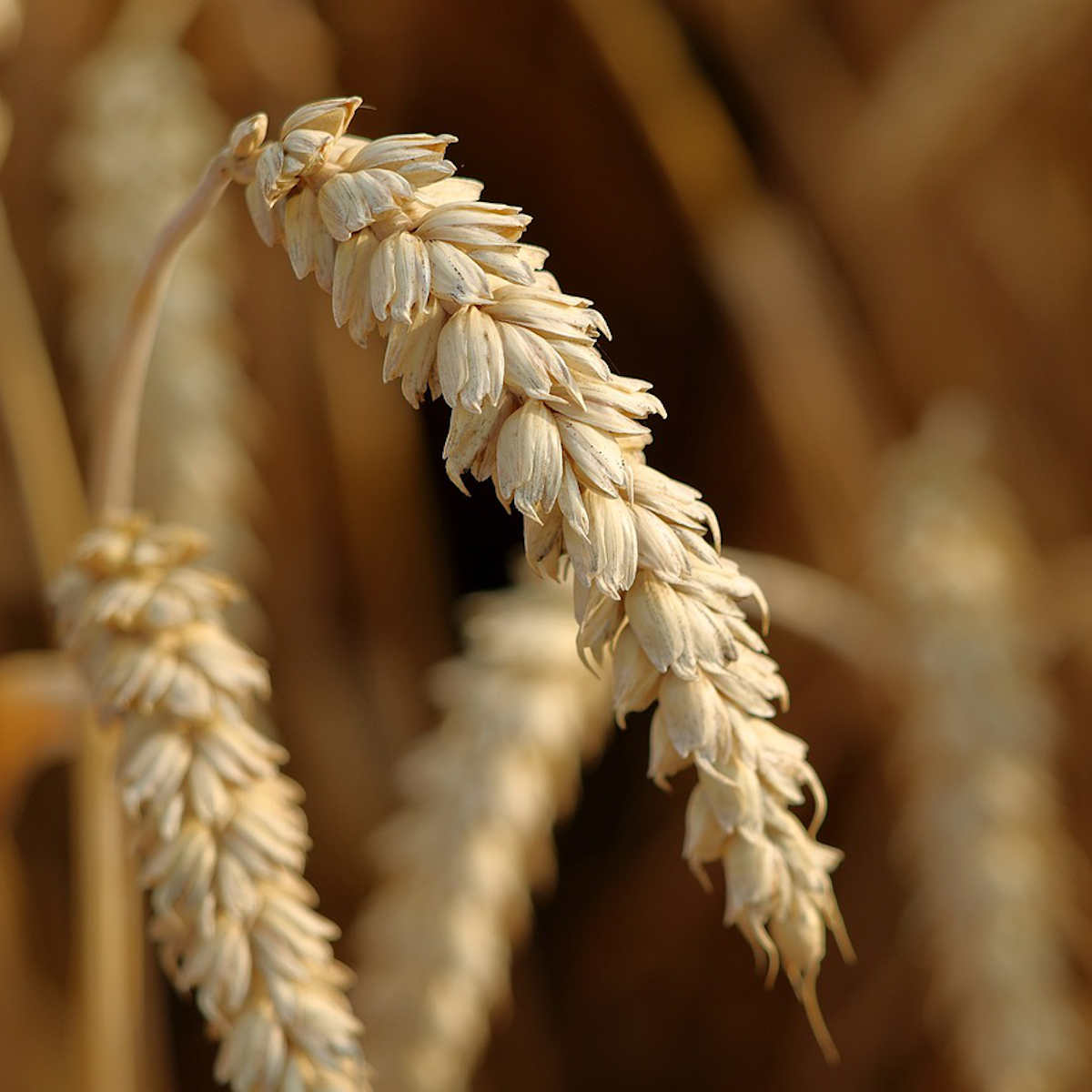
Translating these rich symbolic meanings into a tangible brand identity requires careful thought and strategic execution.
Visual Branding: Logos and Aesthetics
The most direct application of wheat symbolism is through visual branding. A stylized wheat stalk, a sheaf of grain, or even abstract representations of wheat fields can be incorporated into logos, packaging, and advertising. For instance, a banking logo might feature a wheat sheaf to signify financial growth and security, while a bakery’s logo might use a single elegant stalk to suggest natural ingredients and artisanal quality. The golden hue often associated with ripe wheat can also be a dominant color palette, reinforcing warmth, naturalness, and prosperity.
Messaging and Storytelling
Beyond visuals, wheat’s symbolism can be deeply embedded in a brand’s narrative. Marketing copy can speak of “sowing the seeds of success,” “cultivating relationships,” or “harvesting the fruits of labor.” A brand’s origin story might connect to its foundational values, much like wheat is the foundation of sustenance. Storytelling that leverages the journey of growth, resilience, or community building can forge a strong emotional connection with the audience, making the brand’s message more memorable and impactful.
Product Naming and Packaging
Integrating wheat symbolism into product names, descriptions, or packaging can instantly communicate key attributes. “Golden Harvest Bread,” “Prosperity Grains Cereal,” or a skincare line featuring “Wheat Germ Elixir” immediately convey naturalness, sustenance, and quality. Packaging design can use textures, colors, and imagery reminiscent of wheat fields or grains to enhance the sensory experience and reinforce the brand’s core message.
Target Audience Alignment
The choice to use wheat symbolism should align with the brand’s target audience and their values. For an audience that prioritizes natural products, health, sustainability, or traditional values, wheat’s symbolism will resonate deeply. Conversely, for a highly futuristic, tech-driven brand, wheat might not be the primary symbol, unless it’s used to contrast or ground the innovation in fundamental human needs. Understanding the demographic and psychographic profile of the target market is crucial for effective symbolic deployment.
Case Studies and Industries Best Suited for Wheat Symbolism
While wheat symbolism is versatile, certain industries naturally align with its core meanings.
Food and Beverage Sector
This is arguably the most direct application. From bakeries and pasta makers to breweries and breakfast cereal companies, wheat is a primary ingredient and therefore a natural symbol. Brands like King Arthur Flour, General Mills, or various craft breweries often incorporate wheat imagery to emphasize quality, tradition, and wholesome ingredients.
Financial Services and Investment
For banks, investment firms, or financial advisors, wheat can symbolize growth, stable returns, and long-term prosperity. It suggests a reliable foundation for wealth building and a steady, abundant future. Some investment funds might use names or imagery that evoke a “harvest” of returns or the “growth” of capital.
Lifestyle and Wellness Brands
Companies offering organic products, natural remedies, sustainable fashion, or holistic living solutions can use wheat to convey health, vitality, and an earth-friendly ethos. The connection to nature, life, and purity resonates strongly with consumers seeking a balanced and healthy lifestyle.
Educational and Community Initiatives
Organizations focused on learning, personal development, or community building can leverage wheat’s symbolism for growth, nurturing, and collective effort. A charity focused on food security, for instance, might use wheat to symbolize sustenance and hope.

Avoiding Misinterpretations and Ensuring Authenticity
While potent, symbolic branding requires careful consideration to avoid misinterpretations or appearing inauthentic. Brands must ensure that the values they espouse through wheat symbolism are genuinely reflected in their practices, products, and corporate culture. A brand claiming natural authenticity through wheat imagery but using artificial ingredients will quickly face consumer backlash. Similarly, understanding cultural nuances is important; while broadly positive, specific regional interpretations might exist that require sensitivity.
Ultimately, wheat offers a profound, multifaceted symbol that transcends generations and geographies. For brands seeking to build a strong, resonant identity based on core human values like sustenance, abundance, growth, tradition, and community, understanding and strategically deploying the symbolism of wheat can be an incredibly powerful tool for authentic connection and lasting impact.
aViewFromTheCave is a participant in the Amazon Services LLC Associates Program, an affiliate advertising program designed to provide a means for sites to earn advertising fees by advertising and linking to Amazon.com. Amazon, the Amazon logo, AmazonSupply, and the AmazonSupply logo are trademarks of Amazon.com, Inc. or its affiliates. As an Amazon Associate we earn affiliate commissions from qualifying purchases.