
In the modern era, the question “What is the capital of Palestine?” is not merely a matter of historical or geopolitical debate; it is a complex data problem. For software engineers, GIS (Geographic Information System) specialists, and SEO experts, the answer depends heavily on the parameters of the database being queried, the API being utilized, and the algorithmic logic of the platform providing the information. In the digital realm, a capital city is a high-authority data node that anchors national identity, and for Palestine, the technical representation of its capital—Jerusalem (Al-Quds) in claim and Ramallah in administrative function—presents a unique case study in digital cartography and information architecture.
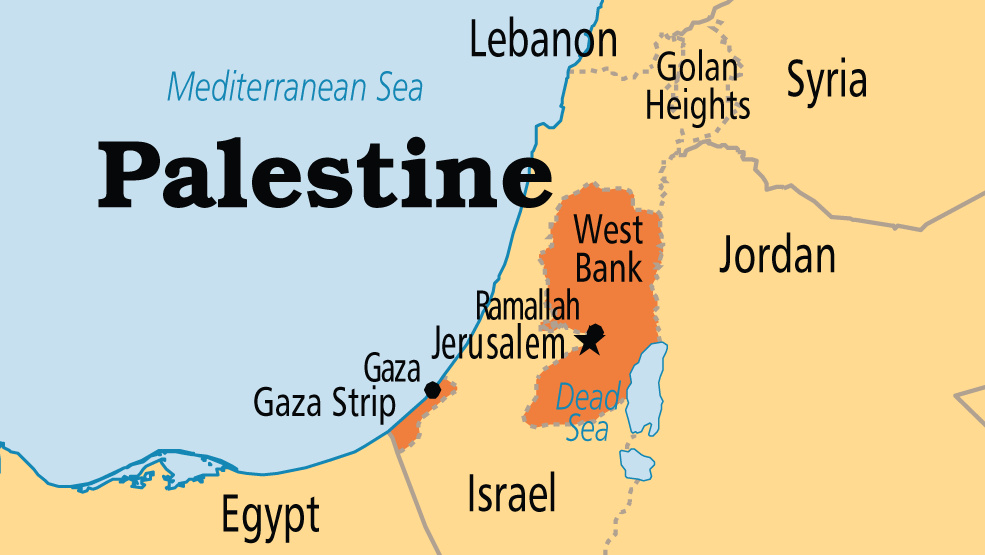
Geolocation APIs and the Politics of Digital Cartography
Digital maps are the primary interface through which the global population understands geography. However, these maps are not objective mirrors of reality; they are products of specific software engineering choices and data sourcing strategies. When a user searches for the capital of Palestine, the backend logic of the mapping service must navigate a web of conflicting international standards and localized legal requirements.
The Algorithm of Sovereignty
For major tech giants like Google, Apple, and Microsoft, determining how to display a capital city involves a complex hierarchy of data layers. Geopolitical datasets are often segmented into “official,” “de facto,” and “internationally recognized” categories. In the case of Palestine, tech companies often employ “geofencing” techniques for their results. This means that a user searching for the capital from within the Palestinian Territories might see a different label or boundary line than a user searching from the United States or Europe. This algorithmic flexibility allows tech firms to comply with local regulations while maintaining a global database, but it complicates the concept of a single “digital truth.”
Why Google Maps and Apple Maps Differ
The divergence between major map providers often stems from their primary data sources. Google Maps relies heavily on a combination of satellite imagery and third-party data providers, whereas Apple Maps has historically integrated more localized government data where available. When identifying the capital of Palestine, these platforms must decide whether to pin the “Capital” icon on East Jerusalem, which is the designated capital under the Palestinian Basic Law, or on Ramallah, which serves as the administrative and governmental hub. Technical documentation for these APIs often reveals “boundary disputes” flags in the code, which trigger specific rendering rules that might omit a capital star entirely to remain “neutral,” a technical workaround for a deeply complex socio-technical issue.
Data Sovereignty and the .ps Top-Level Domain
Beyond physical maps, the digital identity of a nation is rooted in its infrastructure and its presence on the World Wide Web. For Palestine, the technical management of its digital borders is overseen by the Palestinian National Internet Naming Authority (PNINA), which manages the .ps Country Code Top-Level Domain (ccTLD).
Managing Digital Infrastructure in Disputed Zones
The management of the .ps domain is a masterclass in maintaining data sovereignty under technical constraints. While the physical capital is a point of contention, the “digital capital” of the Palestinian web is a robust infrastructure that ensures websites for government ministries, educational institutions, and businesses remain accessible. From a network engineering perspective, routing traffic to and from a region with contested physical borders requires sophisticated BGP (Border Gateway Protocol) management and a reliance on international IXPs (Internet Exchange Points). The resilience of the .ps domain demonstrates how technology can maintain a sense of national unity and “capital” presence even when physical movement is restricted.
The Tech Hub of Ramallah: A Silicon Wadi Alternative?
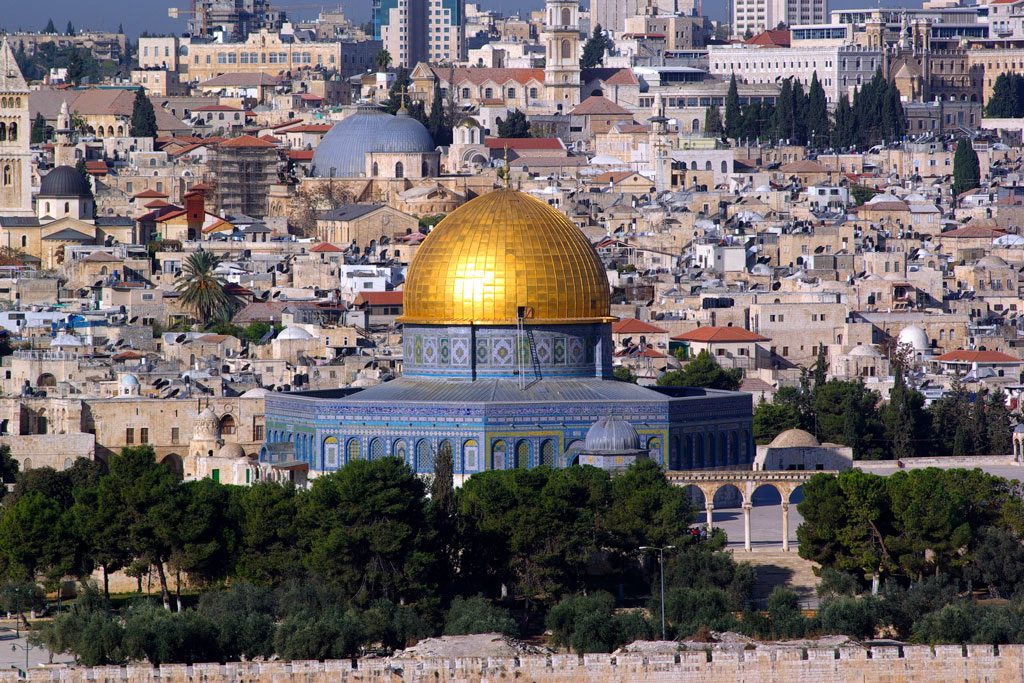
While Jerusalem remains the constitutional capital in the eyes of the Palestinian Authority, Ramallah has evolved into the “de facto” technical capital. This city houses the servers, the startups, and the telecommunications headquarters that power the Palestinian digital economy. The concentration of tech talent in Ramallah has led to a burgeoning ecosystem that mirrors “Silicon Wadi” in its innovation but operates under vastly different technical and regulatory hurdles. For software developers in this region, “the capital” is the place where high-speed fiber optics are being laid and where the first Palestinian data centers are being constructed, creating a functional center of gravity for the nation’s future.
SEO and Information Retrieval: How Search Engines Define Capitals
When a user types “What’s the capital of Palestine?” into a search bar, they are interacting with an Information Retrieval (IR) system. These systems, powered by Large Language Models (LLMs) and Knowledge Graphs, must synthesize vast amounts of conflicting web content to provide a concise “featured snippet” or “knowledge panel” response.
Knowledge Graphs and the Authority of Fact
Search engines use Knowledge Graphs to connect entities—such as “Palestine,” “Capital,” “Jerusalem,” and “Ramallah.” The weight given to these connections is determined by the authority of the source material. Academic papers, official government websites, and international bodies like the United Nations are prioritized. However, because different authoritative bodies recognize different cities as the capital, the Knowledge Graph often experiences a “collision.” Engineers mitigate this by using a “multi-perspective” UI component, where the search result might state: “Jerusalem is the proclaimed capital, while Ramallah serves as the administrative center.” This technical solution reflects the difficulty of condensing complex geopolitical data into a binary search result.
Content Moderation and Geopolitical Sensitivity
In the age of AI, the training data used for models like GPT-4 or Gemini plays a crucial role in how a capital is identified. If the training set is biased toward Western diplomatic stances, the AI might provide one answer; if it includes a broader range of Global South perspectives, it might provide another. Tech companies must implement rigorous “safety layers” and “fact-checking” modules to ensure that the AI does not inadvertently spread misinformation or take a stance that violates corporate neutrality policies. This process involves human-in-the-loop (HITL) fine-tuning, where developers specifically instruct the model on how to handle sensitive queries regarding national capitals and borders.
Cyber-Security and Communication Infrastructure
The technical definition of a capital also involves the security of its communications. A capital city is typically the “root” of a nation’s secure communications network. In the Palestinian context, this involves a complex interplay between local infrastructure and international gateways.
The Gateway to the Global Web
For a capital to function effectively in the 21st century, it must have secure, high-bandwidth connections to the rest of the world. Palestine’s internet traffic often passes through international switches, making the “digital capital” vulnerable to external throttling or surveillance. Tech initiatives aimed at building independent Palestinian IXPs are essential for data sovereignty. By keeping local traffic local, these technical infrastructures ensure that even if the physical capital is contested, the digital communication between Palestinian citizens and their government remains secure and efficient.
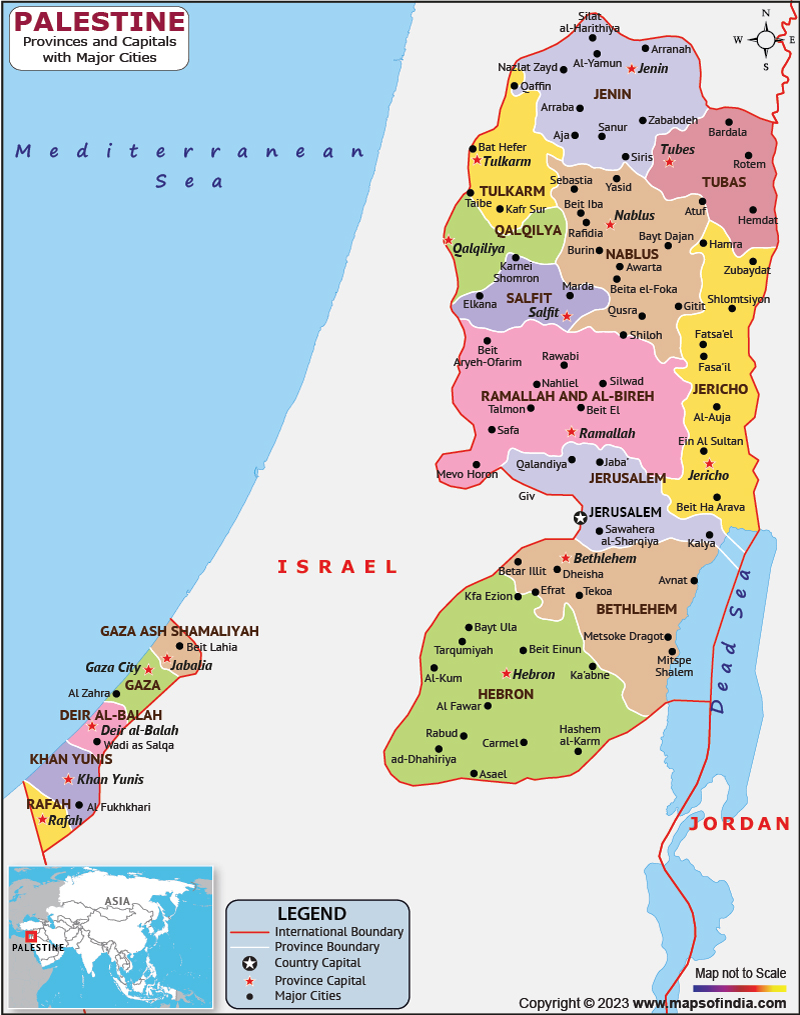
Future-Proofing Palestinian Digital Identity
As we move toward a future of Web3 and decentralized identity, the concept of a “capital” may shift from a physical coordinate to a digital consensus. Blockchain technology offers the potential for “digital twin” cities or decentralized registries of statehood that are not dependent on the approval of centralized map providers. For the Palestinian tech community, leveraging these emerging technologies is not just an academic exercise; it is a way to solidify their national identity in a space where code is law. By building decentralized applications (DApps) and sovereign identity protocols, the technical architects of Palestine are ensuring that their capital—be it Jerusalem or the digital hubs of Ramallah—remains a permanent fixture in the global digital landscape.
In conclusion, while the physical map may remain a subject of intense debate, the technical map of Palestine is being drawn every day through lines of code, domain registrations, and server deployments. The “capital” of Palestine in the digital age is an evolving entity—partly defined by the algorithms of global tech giants and partly by the resilient infrastructure built by local engineers. Understanding this digital geography is essential for anyone navigating the intersection of technology, data, and national identity.
aViewFromTheCave is a participant in the Amazon Services LLC Associates Program, an affiliate advertising program designed to provide a means for sites to earn advertising fees by advertising and linking to Amazon.com. Amazon, the Amazon logo, AmazonSupply, and the AmazonSupply logo are trademarks of Amazon.com, Inc. or its affiliates. As an Amazon Associate we earn affiliate commissions from qualifying purchases.