
The question “What’s the best sport?” is as old as sport itself, sparking countless debates in living rooms, pubs, and digital forums. It’s a question laden with personal preference, cultural bias, and often, fierce loyalty. Is it the raw power of rugby, the strategic chess of basketball, the global ballet of soccer, or the individual drama of tennis? While personal preference will always reign supreme for fans, from a strategic business and cultural standpoint, the concept of “best” takes on an entirely new dimension: branding.
In the modern era, sports are far more than mere games; they are meticulously crafted global brands, vying for attention, loyalty, and significant commercial investment. Leagues, teams, and even individual athletes operate as sophisticated brands, each with unique identities, narratives, and target audiences. To truly understand “what’s the best sport,” we must pivot our perspective from personal enjoyment to the robust frameworks of brand strategy, market penetration, cultural resonance, and commercial viability. This article delves into the attributes that elevate certain sports to global brand powerhouses, exploring how their identity, marketing, and fan engagement strategies define their “best-in-class” status in the highly competitive world of entertainment and commerce.

Defining “Best” Through a Branding Lens
To assess the “best sport” from a branding perspective, we must move beyond subjective rulesets or athletic prowess alone. Instead, we examine a sport’s ability to create a compelling identity, cultivate a loyal global following, attract significant investment, and sustain relevance across generations. It’s about more than just popularity; it’s about the depth and breadth of its brand equity.
The Pillars of a Powerful Sport Brand
A truly impactful sport brand is built upon several foundational pillars that collectively contribute to its strength, recognition, and enduring appeal:
- Legacy and Narrative: Every great sport brand possesses a rich history, iconic moments, and compelling rivalries that form its foundational narrative. These stories are the bedrock upon which new legends are built, providing context and emotional depth for fans. Think of the storied history of the Olympic Games or the epic rivalries in any major league; these narratives are meticulously woven into the brand fabric.
- Athleticism and Spectacle: At its core, sport is about human achievement and breathtaking performance. The inherent drama, skill, and physical prowess displayed by athletes are fundamental to a sport’s appeal. A sport that consistently delivers high-stakes, visually engaging spectacle naturally builds a stronger brand.
- Fan Engagement and Community: A strong sport brand fosters a deep sense of belonging and community among its fans. This goes beyond passive viewing to active participation, whether through merchandise, fantasy leagues, social media interaction, or attending live events. The ability to create a shared identity and collective experience is paramount.
- Cultural Impact and Universality: The “best” sports often transcend their immediate playing fields to become integral parts of cultural identity. They influence fashion, language, art, and even national pride. A sport’s ability to translate across diverse cultures and resonate with a universal audience significantly bolsters its global brand power.
- Marketability and Commercial Appeal: Ultimately, a powerful sport brand translates into significant commercial value. This includes lucrative media rights deals, diverse sponsorship opportunities, merchandising, and the ability to attract top talent. The financial ecosystem surrounding a sport is a direct indicator of its brand strength and perceived value.
Measuring Brand Value in Sports
Quantifying the brand value of a sport is a complex but crucial exercise for leagues, investors, and marketers. It’s not just about ticket sales, but a holistic assessment of its market footprint:
- Audience Reach and Demographics: Understanding how many people consume a sport (live, broadcast, digital) and who those people are (age, gender, income, geographic location) is fundamental. Global reach and diverse appeal indicate a stronger, more resilient brand.
- Media Rights Value: The billions paid for broadcast rights by networks and streaming services are perhaps the clearest indicator of a sport’s market power. These deals reflect anticipated viewership and advertiser interest.
- Sponsorship Deals and Brand Partnerships: The caliber and volume of corporate sponsors a sport attracts speak volumes about its perceived image, audience demographic, and ROI for advertisers. Premium brands typically align with premium sport brands.
- Merchandising and Licensing: The global sales of jerseys, equipment, video games, and other licensed products demonstrate fan loyalty and the sport’s penetration into everyday consumer culture.
- Digital Footprint and Social Media Engagement: In the digital age, a sport’s presence and engagement on social platforms (followers, interactions, trending topics) are critical metrics for measuring its relevance and ability to connect with younger audiences.
Case Studies in Sporting Excellence: Analyzing Top Contenders
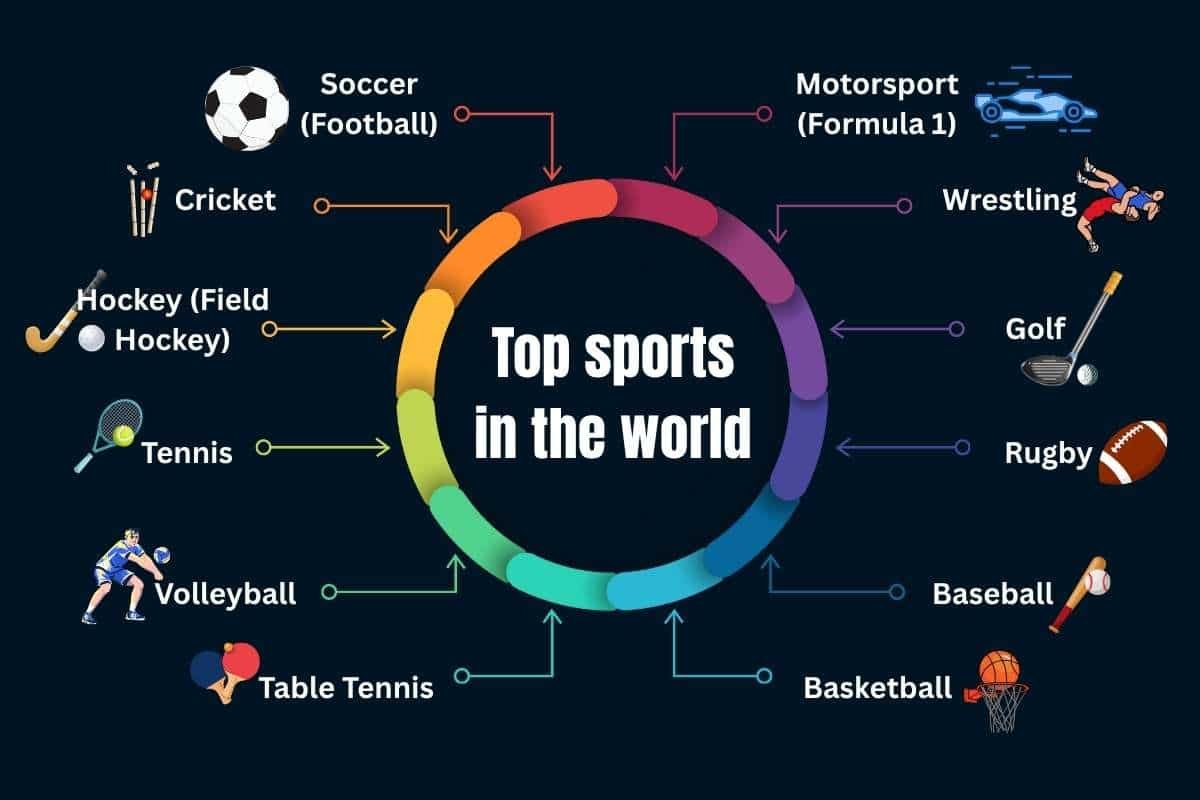
When we apply this branding lens, certain sports clearly stand out as global behemoths, each leveraging unique attributes to build unparalleled brand equity.
Football (Soccer): The Universal Language of Sport
Undisputably, association football, or soccer, holds the crown as the world’s most popular sport, and consequently, one of its strongest global brands. Its strength lies in its:
- Simplicity and Accessibility: The rules are relatively straightforward, and it can be played almost anywhere with minimal equipment, making it universally accessible from urban favelas to rural villages. This low barrier to entry fosters grassroots participation globally.
- Global Reach and Major Tournaments: With FIFA boasting more member countries than the UN, soccer is truly a global phenomenon. Events like the FIFA World Cup and the UEFA Champions League are monumental cultural events, transcending sport to become shared global experiences that captivate billions.
- Iconic Athletes and Club Brands: From Pelé and Maradona to Messi and Ronaldo, soccer has produced unparalleled global icons whose personal brands amplify the sport’s reach. Furthermore, clubs like Real Madrid, Manchester United, and FC Barcelona are themselves multi-billion-dollar global brands with legions of fans far beyond their home cities.
- Passionate Fan Culture: Soccer elicits an unparalleled level of passion, loyalty, and emotional investment from its fans, creating an intense, engaged audience that translates into immense commercial value.
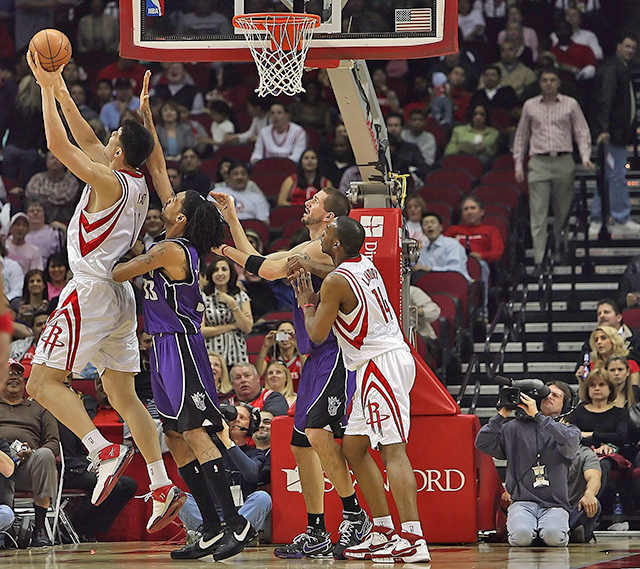
Basketball: Global Pop Culture Icon
Basketball’s meteoric rise, particularly over the last 40 years, positions it as a dominant force in global sport branding, especially among younger demographics. Its brand strength is driven by:
- Dynamic and Visually Appealing Play: The fast-paced, high-scoring nature of basketball, combined with its verticality and spectacular dunks, makes it inherently exciting and easily digestible for television and digital audiences.
- Player-Centric Narratives and Personal Brands: The NBA, in particular, has mastered the art of promoting its individual stars. Icons like Michael Jordan, LeBron James, and Stephen Curry are global celebrities, whose influence extends into fashion, music, and philanthropy, becoming powerful ambassadors for the sport.
- Urban Appeal and Lifestyle Integration: Basketball is deeply embedded in urban culture worldwide, influencing fashion, music, and streetwear. Its association with aspiration, style, and athleticism gives it a distinct lifestyle brand identity.
- Digital and Social Media Prowess: The NBA has been a pioneer in leveraging social media and digital platforms to engage fans, share highlights, and promote player personalities, making it highly relevant to younger, digitally native audiences.
American Football & Cricket: Regional Giants with Global Aspirations
While not possessing the same universal reach as soccer or basketball, sports like American Football (NFL) and Cricket demonstrate immense brand power within their respective strongholds and are actively pursuing global expansion.
- American Football (NFL): A commercial juggernaut in North America, the NFL brand is synonymous with high-stakes drama, incredible athleticism, and strategic complexity. Its brand strength is built on:
- Massive Media Rights Deals: The NFL commands unparalleled broadcast revenues within the US, reflecting its dominance in the national sports landscape.
- Super Bowl as a Cultural Event: More than just a game, the Super Bowl is an annual cultural phenomenon, a prime-time spectacle of sport, entertainment, and advertising.
- Fantasy Sports Integration: The rise of fantasy football has deeply embedded the sport into daily fan engagement, creating additional layers of interaction and loyalty.
- Strategic Internationalization: Efforts to expand into markets like the UK, Germany, and Mexico, albeit slow, show a clear branding strategy for global growth.
- Cricket: A cultural cornerstone in countries like India, Pakistan, Australia, England, and the Caribbean, cricket boasts a massive, dedicated following, particularly in the Indian subcontinent. Its brand value is defined by:
- Deep Cultural Roots: Cricket is woven into the social fabric of its primary markets, carrying historical and nationalistic significance.
- T20 Revolution: The advent of Twenty20 (T20) cricket has revitalized the sport, offering a faster, more exciting, and more commercially viable format that appeals to wider audiences and has driven huge investment (e.g., IPL).
- Massive Fan Base in Key Markets: The sheer population size of its primary markets, especially India, translates into an enormous aggregate audience, making it incredibly attractive for advertisers and investors.
Individual Sports: Tennis & Golf – Brands of Elegance and Precision
Individual sports often rely heavily on the personal brands of their stars to drive overall sport brand value.
- Tennis: The brand of tennis is built on athleticism, elegance, global tournaments (the Grand Slams), and above all, its iconic rivalries and individual stars. The likes of Federer, Nadal, Djokovic, and Serena Williams have transcended the sport to become global fashion, lifestyle, and philanthropic icons, drawing in millions who follow their personal journeys. The Grand Slams themselves are premium global brands.
- Golf: Golf’s brand is often associated with precision, mental fortitude, natural beauty, and a strong corporate connection. While participation is more niche, the sport’s major tournaments (the Majors) are globally recognized, and stars like Tiger Woods have had an almost unparalleled impact on its visibility and commercial appeal. The recent emergence of LIV Golf highlights the sport’s high financial stakes and ongoing brand evolution.
The Dynamic Landscape of Sport Branding: Emerging Trends and Challenges
The “best” sport brand is not static; it must continuously adapt to evolving consumer behaviors, technological advancements, and societal values.
Digitalization and Fan Engagement
The digital revolution has transformed how sports brands interact with their audiences. Live streaming, interactive apps, virtual reality, and esports are no longer nascent technologies but integral parts of a comprehensive branding strategy. Sports that effectively leverage these tools to create immersive, personalized, and accessible experiences will maintain their competitive edge. The rise of esports, for instance, represents a new frontier where digital brands are built entirely on competitive gaming, attracting massive, young audiences.
Inclusivity, Diversity, and Social Impact
Modern brands, including sport brands, are increasingly expected to reflect and champion societal values. Sports that embrace inclusivity (gender, race, disability), promote diversity in their leadership and participation, and actively engage in social impact initiatives (e.g., environmental sustainability, community development) are building stronger, more resonant brands that appeal to a broader, more conscious consumer base. “Woke washing” is a risk; authenticity is key.
Navigating Sponsorship and Commercialization
While commercial revenue is vital, sports brands face the delicate challenge of balancing lucrative sponsorship deals with maintaining authenticity and fan trust. Over-commercialization can alienate core fans, while ethical scrutiny of sponsors is increasingly important. The “best” brands carefully select partners that align with their values and enhance the fan experience rather than detract from it.
Crafting a Winning Sport Brand: Lessons for Leagues and Organizations
For any league, team, or sport aiming for “best-in-class” brand status, several strategic lessons emerge from the global powerhouses.
Storytelling and Narrative Development
Invest in compelling storytelling. Highlight rivalries, celebrate underdog journeys, document personal triumphs and setbacks. These narratives are what connect fans emotionally and transform statistics into captivating drama. Consistent, high-quality content creation around these stories is crucial for digital engagement.
Cultivating Athlete Personal Brands
Recognize that athletes are powerful brand ambassadors. Support them in developing their personal brands, leveraging their unique personalities and stories. This not only benefits the individual but also amplifies the sport’s overall reach and appeal, creating multiple points of connection for fans.
Building Community and Loyalty
Go beyond merely selling tickets or merchandise; cultivate a genuine sense of community. This involves active fan engagement through social media, fan clubs, interactive events, and creating spaces where fans can connect with each other and the sport. Loyalty programs and exclusive content can further deepen this bond.
Conclusion
The question “what’s the best sport?” is ultimately subjective at a personal level. However, through a branding lens, “best” is measurable, strategic, and profoundly impactful. The “best” sports are those that have successfully built robust brand equity, characterized by deep cultural resonance, massive global reach, unwavering fan loyalty, and significant commercial value. From the universal appeal of soccer to the lifestyle integration of basketball, and the regional dominance of American football and cricket, each powerhouse offers a masterclass in brand building.
As the landscape of entertainment continues to evolve, the sports that will maintain and grow their “best” status will be those that remain agile, embrace technological innovation, champion inclusivity, and never lose sight of the compelling human stories and spectacular athleticism that lie at their very core. It’s not just about the game itself, but the entire ecosystem of identity, experience, and connection that a sport brand meticulously creates and sustains.
aViewFromTheCave is a participant in the Amazon Services LLC Associates Program, an affiliate advertising program designed to provide a means for sites to earn advertising fees by advertising and linking to Amazon.com. Amazon, the Amazon logo, AmazonSupply, and the AmazonSupply logo are trademarks of Amazon.com, Inc. or its affiliates. As an Amazon Associate we earn affiliate commissions from qualifying purchases.