
In the vast and intricate world of technology, where countless components, devices, and systems interlock, precision and clarity are paramount. From the smallest resistor to the most complex server, every piece of hardware has an identity. Among the most crucial of these identifiers is the Manufacturer Part Number, or MPN. Often overlooked by the casual user, the MPN is the silent hero behind the scenes, ensuring that the right components find their way into the right products, that supply chains run smoothly, and that consumers receive exactly what they expect. This unique alphanumeric code is the bedrock of product identification, serving as a universal language for manufacturers, distributors, retailers, and even the most discerning tech enthusiasts. Understanding what an MPN is, its purpose, and its implications is fundamental to navigating the technological landscape effectively.
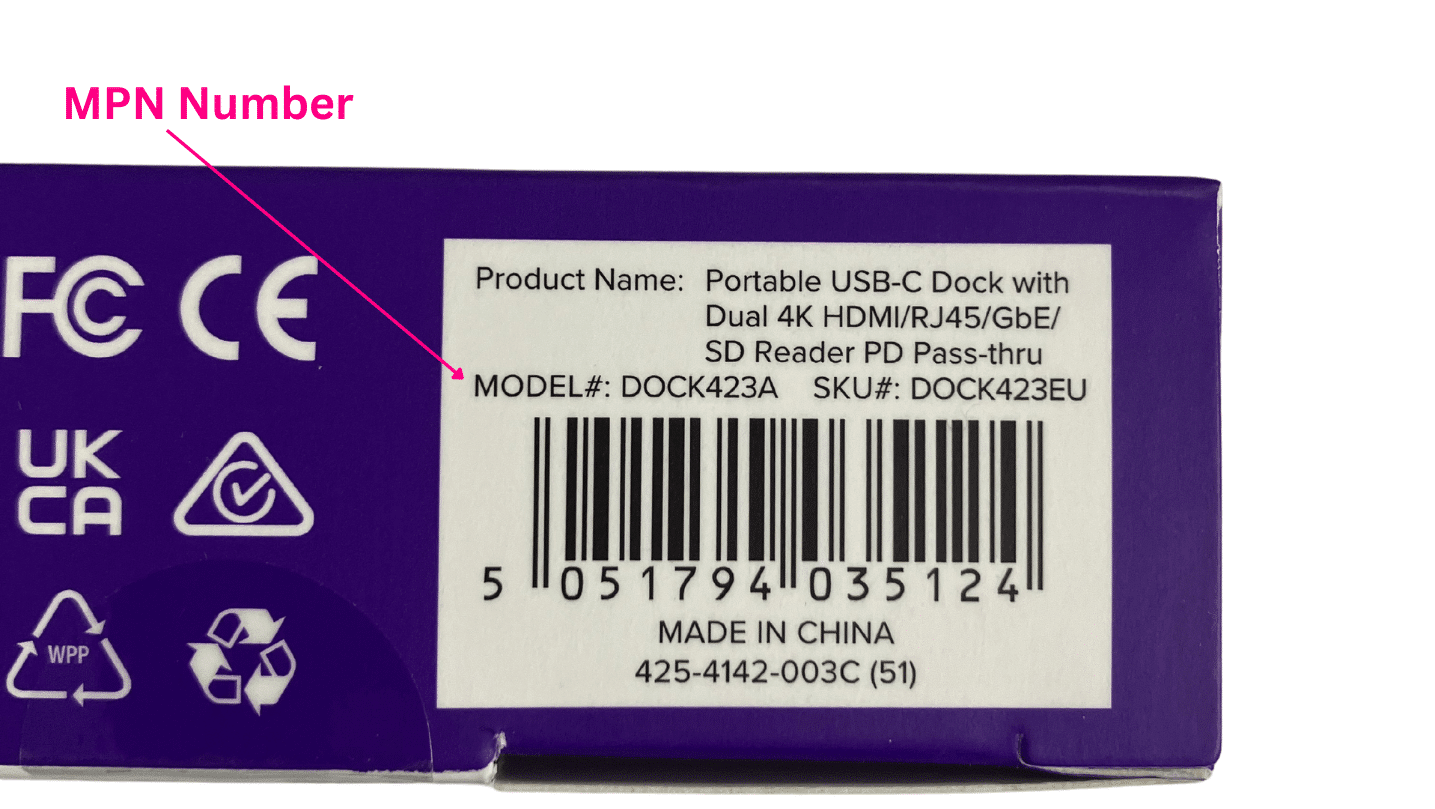
The Core Concept of an MPN
At its heart, an MPN is more than just a string of characters; it’s a critical piece of information that encapsulates a product’s essence. It’s the manufacturer’s definitive statement about a particular item, distinguishing it from every other product they produce.
Defining the MPN
A Manufacturer Part Number (MPN) is a specific, alphanumeric code assigned by the original equipment manufacturer (OEM) to identify a unique product or component. Its primary purpose is to differentiate one item from another, irrespective of its appearance or general description. Think of it as a product’s genetic code, providing an unambiguous reference to its exact specifications, revisions, and capabilities.
For instance, two RAM modules might both be “8GB DDR4-2666MHz.” However, one might be Crucial part number “CT8G4DFRA266” and another “CT8G4DFD8266.” While both are 8GB DDR4-2666, the subtle difference in the MPN could indicate different timings, chip configurations, or even minor revisions that are crucial for compatibility with specific motherboards or systems. The MPN cuts through generic descriptions to provide definitive identification. It’s the ultimate arbiter when determining if a specific component is truly compatible, if a software driver is correct, or if a replacement part will function as intended.
The MPN differentiates a product from its siblings, variations, and even subsequent revisions. Unlike a generic description, which can apply to many items, an MPN points to one singular item, down to its precise specifications and manufacturing details. This precision is vital across all stages of a product’s lifecycle, from design and production to distribution, sales, and aftermarket support.
Anatomy of an MPN
There is no universal standard format for MPNs across all industries or even within all manufacturers. Each company typically devises its own internal system for generating these codes. However, common patterns and elements frequently emerge:
- Alphanumeric Structure: MPNs are almost always a combination of letters and numbers. This allows for a vast number of unique combinations, accommodating large product portfolios.
- Length Variation: MPNs can range from short, concise codes to lengthy strings, depending on the complexity of the product and the manufacturer’s internal coding scheme.
- Meaningful Segments: Many manufacturers embed meaning within different segments of their MPN. For example:
- Prefixes: Often denote product families, brands, or major categories (e.g., “INTEL-I7-XXXX” for an Intel Core i7 processor, or “Cisco-Catalyst-XXXX” for a Cisco Catalyst switch).
- Core Identifiers: The central part of the MPN typically identifies the specific model or version of the product.
- Suffixes: Can indicate revisions, color variations, packaging types, regional versions, or special features (e.g., “REV-A,” “-BL” for blue, “-BULK” for bulk packaging).
- Examples in Tech:
- CPUs: An Intel Core i7-12700K might have an MPN like “BX8071512700K.” Here, “BX” might signify a boxed retail product, “80715” could be an internal series identifier, and “12700K” directly references the processor model.
- SSDs: A Samsung 970 EVO Plus 1TB SSD could be identified by “MZ-V7S1T0BW.” “MZ” might be a Samsung storage prefix, “V7S” for the 970 EVO Plus series, and “1T0BW” indicating 1TB capacity and perhaps a retail version.
- Networking Gear: A Cisco Catalyst 9200 switch might have “C9200-24P-E” as its MPN, where “C9200” is the series, “24P” means 24 PoE+ ports, and “E” denotes the Network Essentials license.
The structured yet diverse nature of MPNs reflects the individual strategies of manufacturers to manage their product portfolios efficiently. This internal logic, while not always obvious to external parties, provides a consistent and robust system for identifying and managing products throughout their lifecycle.
Why MPNs are Indispensable in the Tech Ecosystem
The true value of an MPN becomes evident when considering its pervasive impact across various critical functions within the tech industry. From factory floors to customer support centers, MPNs are the backbone of efficiency and accuracy.
Supply Chain and Logistics
The global tech supply chain is a complex web of procurement, manufacturing, distribution, and retail. MPNs are the primary mechanism for navigating this complexity.
- Inventory Management: MPNs enable precise tracking of inventory levels. Warehouses rely on MPNs to know exactly what items they have in stock, how many, and where they are located. This prevents overstocking of slow-moving items and shortages of high-demand components.
- Procurement and Sourcing: When purchasing components or finished goods, MPNs ensure that the correct items are ordered. A small deviation in an MPN can lead to ordering incompatible parts, halting production lines, or incurring significant financial losses due to returns and reorders. Buyers use MPNs to specify exactly what they need from suppliers, eliminating ambiguity.
- Warehouse Operations: For efficient storage, picking, and packing, MPNs are crucial. They facilitate rapid identification of items, minimizing errors and speeding up order fulfillment. Automated warehouses and robotic systems are heavily reliant on MPN data for precise material handling.
- Traceability: In cases of product recalls, quality issues, or intellectual property disputes, MPNs provide an essential link to manufacturing batches, dates, and locations. This traceability allows manufacturers to quickly identify affected products, contain issues, and conduct root cause analysis, protecting both consumers and brand reputation.
Product Identification and Compatibility
For anyone dealing with tech products, from system builders to IT professionals to end-users seeking replacement parts, MPNs are the ultimate arbiter of compatibility.
- Accurate Sourcing and Replacement: If a component fails (e.g., a laptop screen, a power supply, or a specific circuit board), the MPN is the most reliable way to find an exact or compatible replacement. Generic descriptions are often insufficient and can lead to purchasing incorrect parts that don’t fit or function.
- Compatibility Checks: When upgrading or building a system, ensuring compatibility between components is critical. For example, a CPU, motherboard, and RAM must all be compatible. Manufacturers often list compatible MPNs on their product specifications, allowing users to verify before purchase. This prevents frustrating and costly trial-and-error.
- Preventing Errors: In large-scale deployments or intricate system integrations, even minor differences between components can have significant repercussions. Using MPNs rigorously helps prevent installation errors, performance bottlenecks, and system instability by guaranteeing that all specified parts are identical.
- Customer Support and Troubleshooting: When a customer contacts technical support with an issue, providing the MPN of the faulty device or component allows support agents to quickly pull up exact specifications, known issues, and relevant troubleshooting guides. This dramatically streamlines the support process and improves resolution rates.
Quality Control and Warranty
MPNs play a pivotal role in maintaining product quality and managing after-sales services.
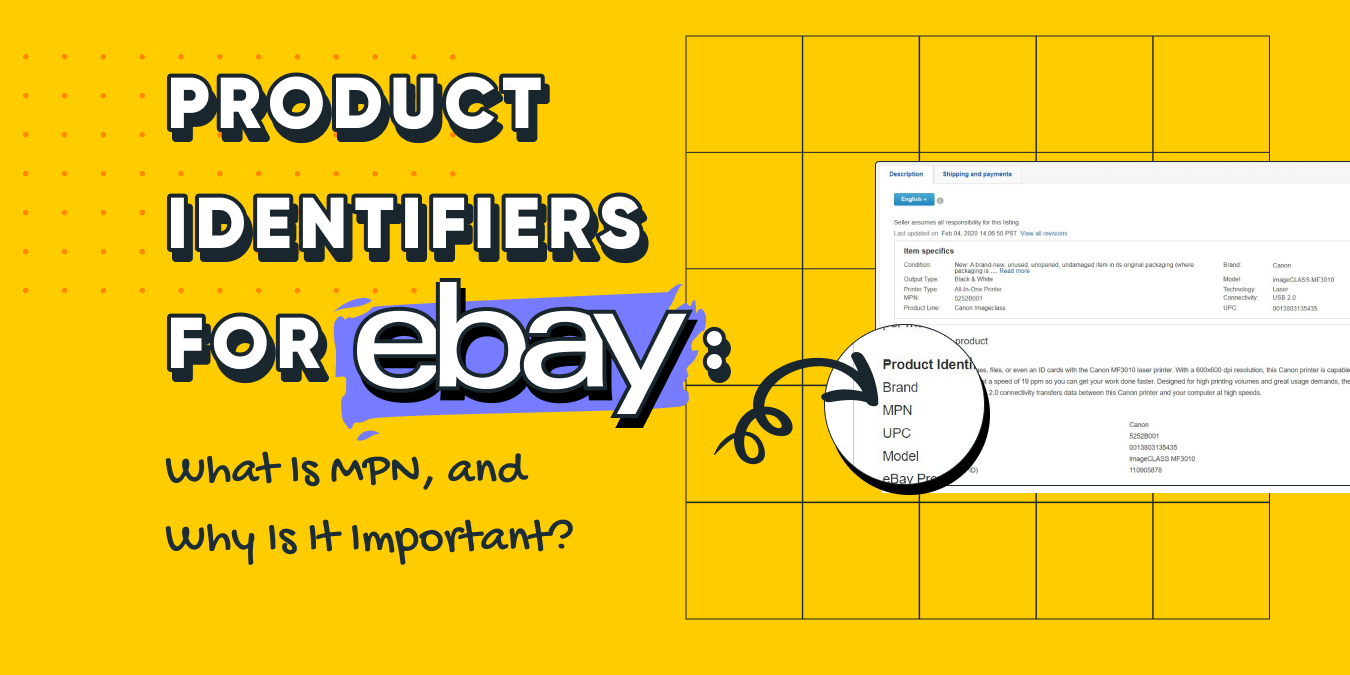
- Tracking Product Revisions: Manufacturers often release minor revisions or updates to their products without changing the model name. A revised MPN (or a distinct suffix within the MPN) helps distinguish these versions, which might have different internal components, firmware, or performance characteristics. This is vital for quality control and ensuring that specific revisions with known issues are identifiable.
- Warranty Validation: When a product is returned under warranty, the MPN, often in conjunction with a serial number, links the product to its original manufacturing specifications and purchase date. This allows manufacturers to verify if the product is covered under warranty and process claims accurately.
- Recall Management: If a widespread defect is discovered in a specific batch of products, the MPN (alongside batch codes or serial number ranges) allows manufacturers to efficiently identify and recall only the affected units, minimizing disruption and cost while maximizing consumer safety.
MPNs vs. Other Product Identifiers
The tech world uses several identifiers, and it’s common to confuse them with MPNs. Understanding the distinctions is crucial for proper product management and consumer clarity.
MPN vs. SKU (Stock Keeping Unit)
- MPN (Manufacturer Part Number): Assigned by the manufacturer. It is globally consistent for that specific product from that manufacturer, regardless of where or by whom it is sold. It identifies the type of product.
- SKU (Stock Keeping Unit): Assigned by a retailer or distributor for internal inventory tracking. SKUs are unique to a particular vendor and often include information relevant to their internal systems (e.g., store location, color, size, vendor code). The same MPN can have different SKUs at different retailers. For example, a “Samsung 970 EVO Plus 1TB” SSD (MPN: MZ-V7S1T0BW) might have an SKU of “SS970EVO1TB” at one retailer and “SAM-970EVO-PLUS-1TB” at another.
MPN vs. UPC/EAN (Universal Product Code/European Article Number)
- MPN: Identifies a specific product or component at its most granular level.
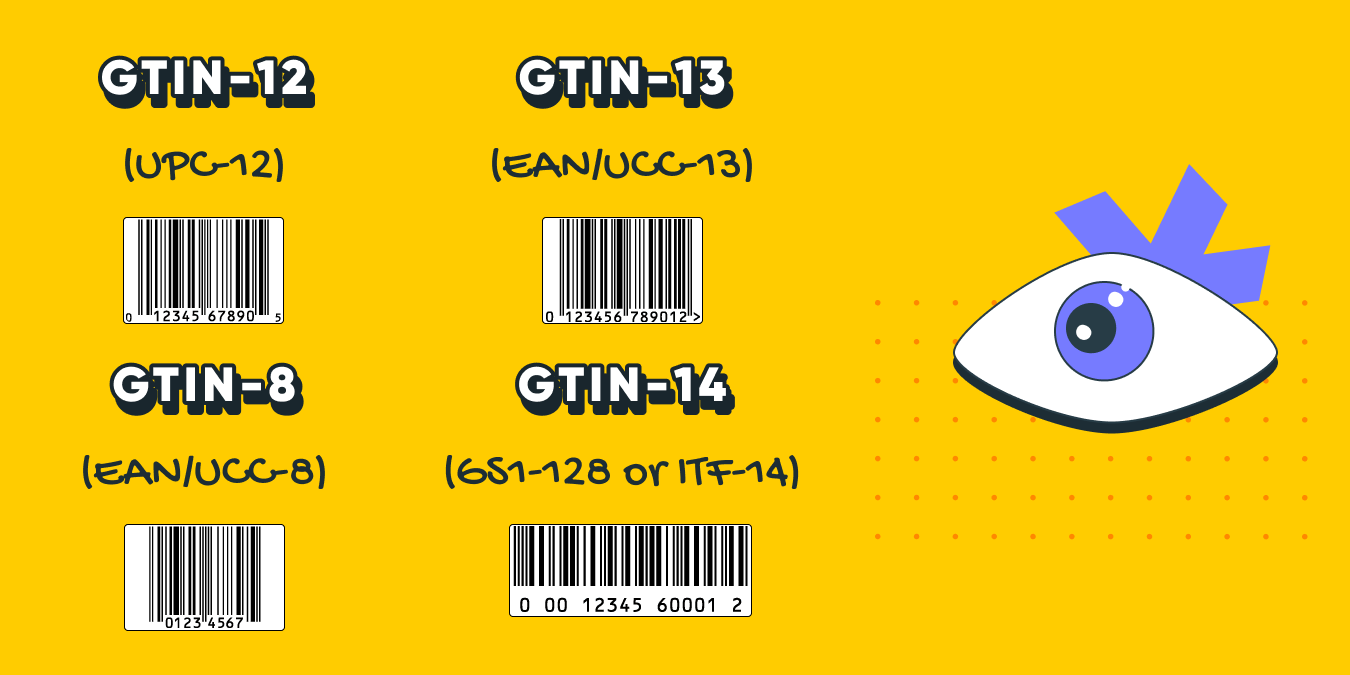
- UPC (North America) / EAN (Europe & Rest of World): These are numerical codes represented by barcodes, primarily used for retail checkout and inventory management of consumer-ready products. A UPC/EAN typically identifies a packaged product and its variation (e.g., a specific color or size of a finished good). While a product with a specific MPN will have an associated UPC/EAN for its retail packaging, the MPN often identifies the component within that packaging, or an individual component not sold directly to consumers. A single MPN might be sold in different package types, each with its own UPC.
MPN vs. Serial Number
- MPN: Identifies the type or model of a product. All identical units of a given product will share the same MPN.
- Serial Number: Identifies a specific, individual unit of a product. Every single item produced has a unique serial number, much like a vehicle identification number (VIN) on a car. Serial numbers are used for warranty tracking, theft prevention, and tracking individual product lifecycles. For example, a batch of 100 identical “Intel Core i7-12700K” CPUs will all share the same MPN (“BX8071512700K”), but each CPU will have its own unique serial number.
Challenges and Best Practices with MPNs
While indispensable, MPNs are not without their complexities. Both manufacturers and consumers face challenges that necessitate careful management and informed practices.
The Evolving Landscape of MPNs
- Lack of Universal Standardization: There is no single global standard for MPN formats. This makes cross-referencing products between different manufacturers or industries a challenge. What one company considers a significant change requiring a new MPN, another might simply incorporate as a revision.
- Manufacturer Changes and Revisions: Manufacturers often make minor changes to products (e.g., a different capacitor supplier, a slight firmware tweak, a new PCB layout) that do not warrant a full model number change but might affect compatibility or performance. These are sometimes denoted by a suffix in the MPN (e.g., “Rev A” to “Rev B”) or, confusingly, can sometimes occur without an explicit MPN change, requiring deeper investigation by savvy users.
- Counterfeit Goods: The prevalence of counterfeit components and products in the tech market poses a significant threat. Authentic MPNs are often mimicked on fake products, making it difficult to distinguish genuine articles from counterfeits without careful scrutiny and sourcing from reputable channels.
Best Practices for Businesses
Businesses operating within the tech supply chain must adopt robust practices for MPN management.
- Accurate Data Entry and Management: Maintaining meticulous records of MPNs across all enterprise resource planning (ERP) and product lifecycle management (PLM) systems is critical. Errors in MPN data can cascade through the supply chain, leading to costly mistakes.
- System Integration: Integrating MPN data across procurement, inventory, manufacturing, sales, and customer support systems ensures a consistent single source of truth. This reduces manual errors and improves operational efficiency.
- Staff Training: Educating procurement specialists, warehouse staff, sales teams, and customer support personnel on the importance and correct usage of MPNs is essential. Understanding the nuances prevents misidentification and ensures smooth operations.
- Leveraging PDM/PLM Tools: Product Data Management (PDM) and Product Lifecycle Management (PLM) software solutions are designed to manage product information, including MPNs, throughout the entire product lifecycle. These tools help maintain data integrity, control revisions, and streamline engineering and manufacturing processes.
Advice for Consumers and Enthusiasts
For individuals building PCs, upgrading components, or troubleshooting devices, careful attention to MPNs can save time, money, and frustration.
- Always Verify MPNs: When purchasing replacement parts or upgrades, do not rely solely on generic descriptions or model names. Always cross-reference the exact MPN of your existing component or the recommended MPN from the manufacturer against the MPN of the product you intend to buy.
- Locate MPNs Directly: MPNs are typically found on product labels, printed directly on circuit boards, or listed in the product’s specifications manual. For internal components like RAM, look on the sticker attached to the module. For motherboards, it’s often printed near the CPU socket or PCIe slots.
- Utilize Manufacturer’s Resources: The official websites of component manufacturers (e.g., Intel, AMD, Crucial, Samsung, NVIDIA, ASUS) are invaluable resources. They often provide detailed specifications, compatibility lists, and even tools to verify MPNs or find suitable replacements.
The Future of Product Identification in Tech
As technology advances, so too will the methods of product identification. The foundational role of MPNs is unlikely to diminish, but their integration with emerging technologies promises even greater accuracy, traceability, and efficiency.
Role of Digital Twins and Blockchain
The concept of a “digital twin” – a virtual replica of a physical product – can be enriched by MPN data. Each component within a digital twin could be linked to its specific MPN, allowing for real-time monitoring of performance, maintenance history, and lifecycle status. Blockchain technology offers the potential for immutable records of MPNs and their associated journey through the supply chain, enhancing traceability, verifying authenticity, and combating counterfeiting by providing an unalterable history for every product and component.
Smart Manufacturing and IoT Integration
In smart factories, where IoT devices monitor every stage of production, MPNs will be central to automated tracking. Components can be identified, tracked, and even authenticated wirelessly, reducing human error and increasing efficiency. This real-time data flow, powered by MPNs, will enable highly agile and responsive manufacturing processes.
AI-driven Supply Chain Optimization
Artificial intelligence will increasingly leverage vast datasets of MPN information to optimize supply chains. AI can predict demand more accurately based on historical MPN sales, identify potential supply bottlenecks by analyzing component MPNs from various vendors, and even suggest alternative compatible MPNs in case of shortages, making the supply chain more resilient and responsive.
In conclusion, the Manufacturer Part Number is far more than just a random code. It is an indispensable identifier that underpins accuracy, efficiency, and reliability across the entire technology ecosystem. From ensuring the precise assembly of complex electronics to facilitating seamless customer support, MPNs are the unsung heroes that keep the gears of the tech world turning smoothly. As technology continues its relentless march forward, the importance of these unique identifiers will only grow, integrating with new paradigms to ensure an ever more transparent, efficient, and reliable future for products and components worldwide.
aViewFromTheCave is a participant in the Amazon Services LLC Associates Program, an affiliate advertising program designed to provide a means for sites to earn advertising fees by advertising and linking to Amazon.com. Amazon, the Amazon logo, AmazonSupply, and the AmazonSupply logo are trademarks of Amazon.com, Inc. or its affiliates. As an Amazon Associate we earn affiliate commissions from qualifying purchases.