
The Strategic Foundation of the Perfect Fried Rice
When analyzing the culinary landscape through the lens of brand strategy, few dishes represent a more compelling case study in product consistency and operational efficiency than fried rice. At its core, fried rice is a classic example of “value-added” production—taking a commodity-level ingredient (leftover rice) and transforming it into a high-margin menu staple. However, the success of this brand asset hinges entirely on the quality of the raw material. In the restaurant industry, the choice of rice is not merely a preference; it is a tactical decision that impacts the final deliverable, customer satisfaction, and brand reputation.
To position your fried rice as a premium offering, you must understand the chemistry of the grain. Much like a business strategy, your foundation must be solid. If the structural integrity of your grain is compromised before it hits the wok, no amount of seasoning or technique can salvage the end product. For professionals, the “best” rice is not a subjective choice—it is a performance-based selection driven by starch content, moisture absorption, and thermal resistance.
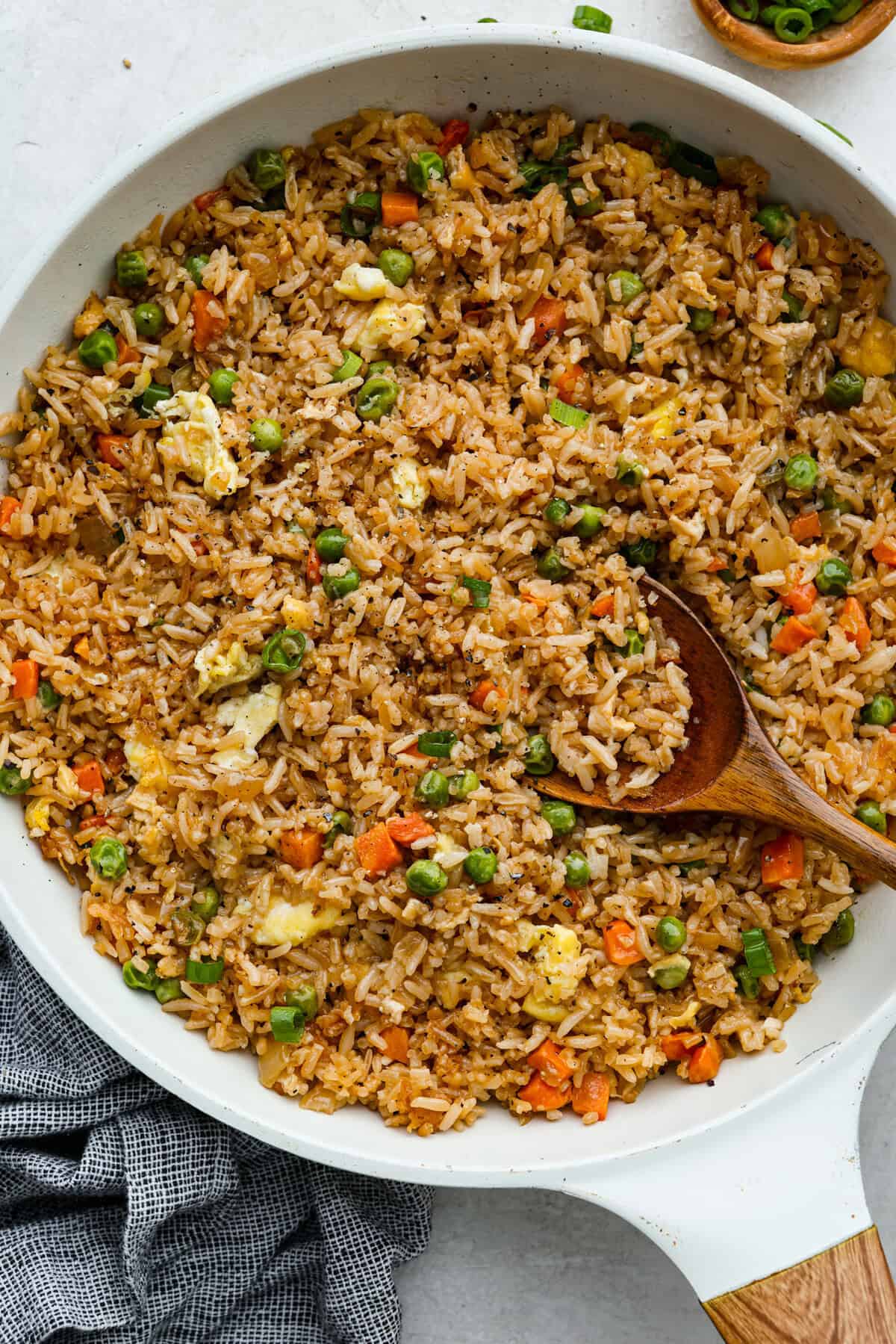
The Chemistry of Starch: Selecting the Superior Grain
In the hierarchy of ingredients, long-grain white rice sits at the top for fried rice applications. This is not arbitrary; it is rooted in the structural properties of amylose and amylopectin.
Understanding Amylose vs. Amylopectin
Long-grain rice, such as Jasmine or traditional long-grain white, contains a higher proportion of amylose. This starch molecule does not gelatinize as easily as amylopectin, which is prevalent in short-grain or sticky rice. From a operational standpoint, higher amylose ensures that the grains remain distinct, firm, and separated under the intense heat of the wok. When you are scaling your kitchen output, consistency is key; using a high-amylose rice prevents the “clumping” phenomenon that can degrade the perceived value of your dish.
The Problem with Short-Grain Options
Short-grain rice, or sushi rice, is heavily laden with amylopectin. While excellent for applications requiring adhesion—such as nigiri or rice balls—it is catastrophic for fried rice. Attempting to fry short-grain rice often results in a starchy, gummy texture that lacks the “bite” that customers expect from a high-quality dish. If your brand relies on the promise of an authentic, elevated dining experience, the choice of a short-grain variety will undermine your brand authority, signaling a lack of technical expertise to the discerning consumer.
The Logistics of Moisture: The “Day-Old” Methodology
The most common mistake in culinary operations is the failure to account for moisture management. Fried rice is, by definition, a dehydration process. You are introducing high heat to evaporate excess water, allowing the grain to toast and absorb aromatics.
The Economics of Leftover Rice
Using freshly cooked, steaming hot rice is a recipe for failure. Fresh rice contains too much interstitial moisture. When introduced to a hot wok, this moisture turns into steam, effectively “boiling” your ingredients rather than frying them. This leads to soft, mushy rice that loses its structural integrity.
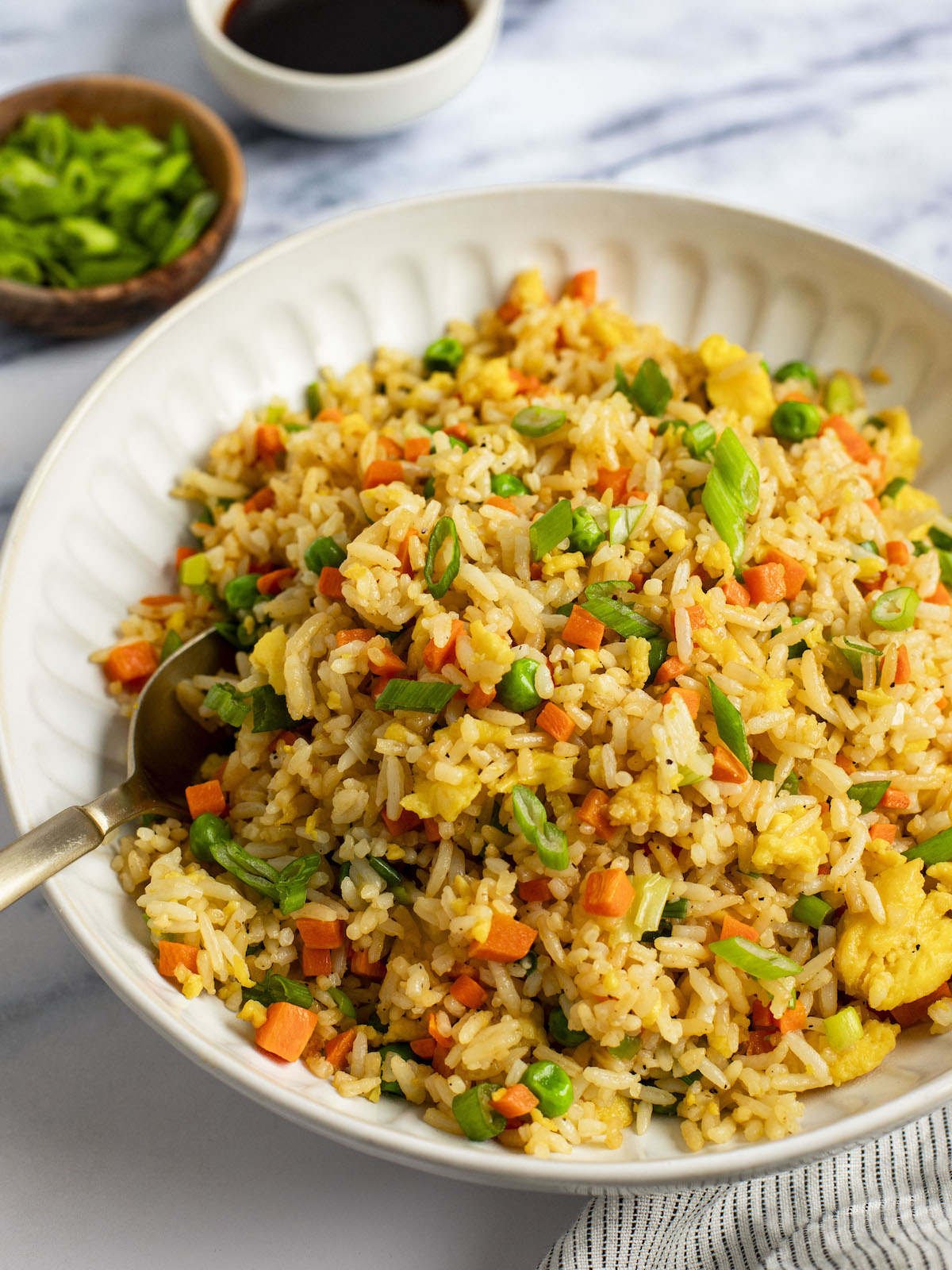
From a strategic perspective, the practice of using day-old rice is a masterclass in waste reduction and quality control. By refrigerating cooked rice overnight, you allow the moisture to redistribute and evaporate, causing the exterior of the grain to harden slightly. This “curing” process makes the rice resilient enough to withstand the volatile environment of a 15,000 BTU burner.
Artificial Dehydration Techniques
For commercial kitchens that cannot afford the wait time for natural aging, there are alternative methodologies to achieve the same result. Spreading freshly cooked rice onto a sheet pan and placing it in a blast chiller or a high-powered walk-in cooler can mimic the aging process. The goal is to lower the surface moisture to a point where the grain can be “fried” in oil rather than “steamed” in its own juices. This is an operational requirement for maintaining a high-velocity, high-quality production line.
Strategic Variations: Jasmine vs. Basmati
While long-grain white rice is the industry standard, there is room for nuance depending on the specific “brand personality” of your menu.
The Fragrance of Jasmine
Jasmine rice is the gold standard for Southeast Asian fried rice. Its floral aroma is a brand differentiator, providing a sensory experience that is immediately recognizable to the customer. When sourcing, look for aged Jasmine rice. Older crops have less moisture and are naturally drier, making them the superior choice for high-end fried rice production. The slight chewiness of Jasmine provides a tactile experience that enhances the overall mouthfeel.
The Complexity of Basmati
Basmati rice, known for its extreme length and distinct, nutty flavor, is a wildcard. It is less sticky than almost any other variety, which makes for a beautiful, distinct-grain finish. However, its delicate structure makes it prone to breaking during the aggressive tossing process required in wok cooking. Use Basmati only if your brand emphasizes refinement and elegance. It requires a gentle hand and precise heat control, representing a high-skill application that can be a hallmark of a specialized culinary brand.
Quality Control and Procurement Strategy
The final element of your fried rice strategy involves the sourcing of your raw inputs. In the business of food, supply chain management is synonymous with quality assurance.
Assessing Grain Integrity
When purchasing rice in bulk, inspect the bag for “broken grains.” A high percentage of broken grains is an indicator of poor milling quality. These broken pieces will turn into starch paste during the frying process, regardless of how long you age the rice. For a premium brand, you should consistently source high-quality, long-grain rice with a low breakage percentage. This small detail significantly elevates the final texture of the dish.
The Role of Parboiled Rice
For high-volume operations, parboiled rice is often considered. Parboiling involves partially boiling the rice in the husk, which hardens the grain and retains more nutrients. While some chefs swear by the durability of parboiled rice, it often retains a specific “toothy” texture that some consumers find unappealing. If your brand strategy is centered on accessibility and volume, parboiled rice offers a consistent, foolproof option. If your brand is centered on authentic, artisanal quality, stick to standard long-grain white or Jasmine.
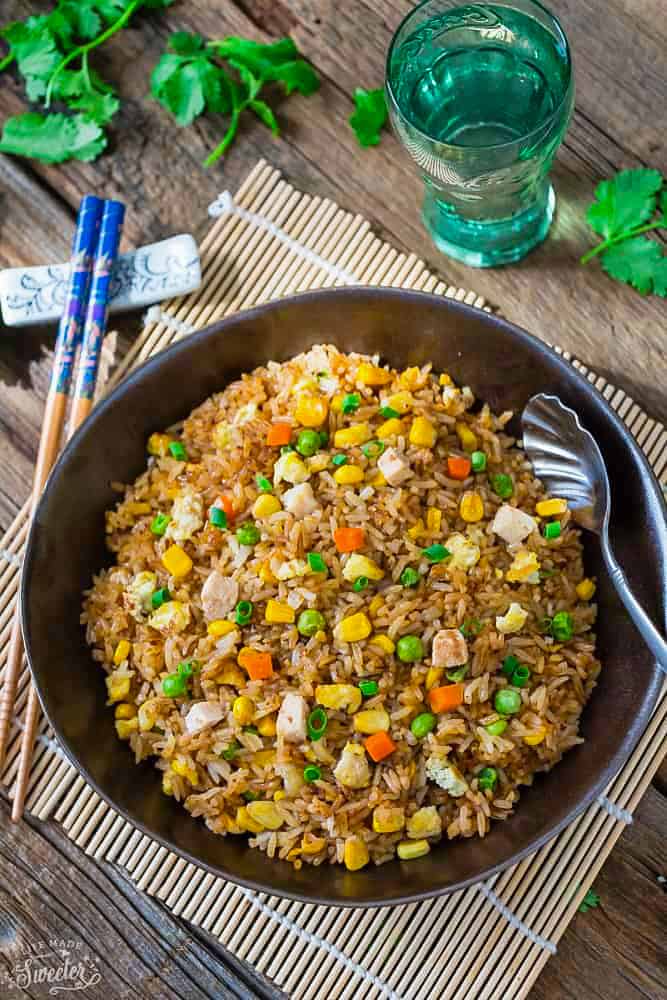
Conclusion: Executing the Vision
The selection of rice for fried rice is a fundamental decision that dictates the success of your final product. By choosing a high-amylose, long-grain variety, managing moisture through strategic aging, and maintaining a strict procurement policy, you ensure that your dish meets the highest standards of culinary execution. Treat the grain as the primary asset in your menu portfolio—invest in its quality, manage its preparation with professional rigor, and you will command the market through consistent, high-performing output. In the competitive arena of the hospitality industry, excellence is not a coincidence; it is the result of strategic ingredient selection and disciplined operational control.
aViewFromTheCave is a participant in the Amazon Services LLC Associates Program, an affiliate advertising program designed to provide a means for sites to earn advertising fees by advertising and linking to Amazon.com. Amazon, the Amazon logo, AmazonSupply, and the AmazonSupply logo are trademarks of Amazon.com, Inc. or its affiliates. As an Amazon Associate we earn affiliate commissions from qualifying purchases.