
The quest to identify the “best” investment company is a journey many individuals embark on, often early in their financial planning or at pivotal moments of wealth accumulation. The truth, however, is that “best” is a deeply subjective term in the financial world, dependent on an individual’s unique goals, risk tolerance, investment knowledge, and financial situation. There isn’t a single, universally superior investment company that fits every investor perfectly. Instead, the optimal choice is a highly personalized one, requiring a comprehensive understanding of what different companies offer and how those offerings align with your specific needs.
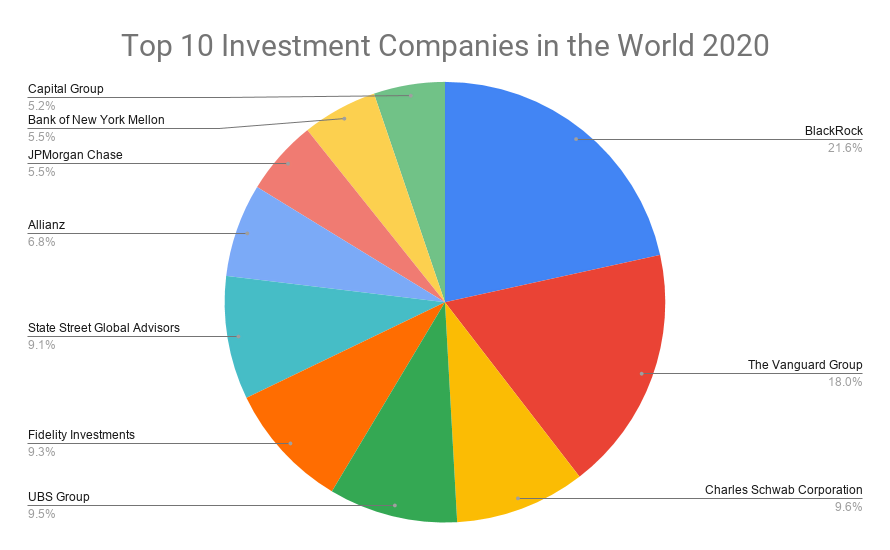
This article aims to demystify the process, providing a robust framework for evaluating investment companies. We will explore the critical factors that define excellence, dissect the diverse landscape of financial service providers, highlight essential features to prioritize, and ultimately guide you toward making an informed decision that resonates with your personal financial aspirations. By the end, you’ll possess the insights needed to confidently answer the question for yourself: “What’s the best investment company for me?”
Defining “Best”: Crucial Factors for Evaluating Investment Companies
To move beyond the subjective, we must establish objective criteria for evaluating investment companies. A truly excellent firm distinguishes itself across several key dimensions, each playing a vital role in an investor’s experience and financial outcomes.
Performance and Track Record
While past performance is never a guarantee of future returns, a consistent, long-term track record of achieving solid returns relative to benchmarks and peers is a strong indicator of an investment company’s expertise and robust investment strategies. It’s crucial to look beyond short-term surges and evaluate performance across different market cycles. Investors should examine the performance of specific funds, portfolios, or strategies offered, considering both raw returns and risk-adjusted returns to understand the efficiency of their gains.
Fees and Costs: A Deep Dive
Fees are arguably one of the most significant detractors from long-term investment returns. Even seemingly small percentages can erode substantial portions of wealth over decades. Investment companies charge various fees, including management fees (expense ratios for funds), trading commissions, advisory fees, account maintenance fees, and administrative charges. The “best” company often strikes a balance between competitive pricing and the value of services provided. Transparent fee structures are paramount, allowing investors to clearly understand all potential costs upfront without hidden surprises.
Accessibility and User Experience
In the digital age, the ease of access and the quality of the user experience are non-negotiable. This includes intuitive online platforms, robust mobile apps, and streamlined processes for opening accounts, executing trades, and monitoring portfolios. A clunky, complicated, or unreliable platform can quickly become a source of frustration, even if the underlying investment performance is satisfactory. The “best” companies invest heavily in technology that makes investing accessible, efficient, and user-friendly for all levels of investors.
Range of Investment Products
A diverse offering of investment products allows investors to build well-diversified portfolios tailored to their risk profiles and objectives. This can include stocks, bonds, mutual funds, exchange-traded funds (ETFs), options, futures, cryptocurrencies, and alternative investments. The “best” companies provide a broad spectrum of choices, from low-cost index funds to actively managed portfolios and specialized investment vehicles, catering to both novice and sophisticated investors. The availability of diverse asset classes and geographies is also critical for global diversification.
Customer Service and Support
When questions arise, or issues occur, responsive and knowledgeable customer service is invaluable. This includes access to financial advisors, dedicated support teams, and multiple channels for communication (phone, email, chat). The quality of customer service can significantly impact an investor’s peace of mind and ability to navigate their investments effectively. Companies that offer personalized guidance and readily available expertise often rank higher in investor satisfaction.
Transparency and Regulation
Trust is fundamental in financial relationships. A reputable investment company operates with utmost transparency, clearly disclosing its investment strategies, potential risks, fee structures, and regulatory compliance. Being regulated by relevant financial authorities (e.g., SEC, FINRA in the US) provides an essential layer of protection for investors, ensuring adherence to strict standards and ethical practices. The “best” companies are forthright in their dealings and fully compliant with all legal and ethical requirements.
Navigating the Landscape: Types of Investment Companies and Platforms
The investment industry is diverse, featuring various types of companies and platforms designed to serve different segments of the market. Understanding these distinctions is crucial for identifying which model best fits your investment style and needs.
Traditional Brokerage Firms
These firms, like Charles Schwab or Fidelity, offer a comprehensive suite of services, including self-directed trading platforms, a wide range of investment products (stocks, bonds, mutual funds, ETFs, options), and access to research tools. They often provide varying levels of advisory services, from basic educational resources to full-service financial planning. They cater to investors who prefer to manage their own portfolios but also want access to professional guidance when needed.
Robo-Advisors: Automated Investing
Robo-advisors utilize algorithms to construct and manage diversified portfolios based on an investor’s risk tolerance, financial goals, and time horizon. Companies like Betterment and Wealthfront exemplify this model. They are typically low-cost, highly accessible, and ideal for hands-off investors or those just starting. They often offer features like automatic rebalancing, tax-loss harvesting, and goal-based planning. While they lack the human touch, their efficiency and affordability make them a compelling option for many.
Discount Brokerage Firms
These firms prioritize low costs and commission-free trading, often at the expense of extensive advisory services or in-depth research tools. Robinhood is a prime example, appealing to active traders and those seeking minimalist platforms. While attractive for their low fees, investors using discount brokers are largely responsible for their own investment decisions and research, making them more suitable for experienced or highly self-reliant investors.
Full-Service Wealth Management Firms
Geared towards high-net-worth individuals and families, these firms offer highly personalized, comprehensive financial planning services. This extends beyond investment management to include estate planning, tax optimization, retirement planning, philanthropic advising, and more. Firms like Merrill Lynch or UBS provide dedicated financial advisors who build deep relationships with clients, offering tailored strategies and a high level of personalized attention. The fees for such services are typically higher, reflecting the bespoke nature of their offerings.

Specialty Platforms
The market also features niche platforms catering to specific investment interests. Examples include platforms focused on ESG (Environmental, Social, Governance) investing, those specializing in real estate crowdfunding, or platforms enabling fractional share ownership to make high-priced stocks accessible to smaller investors. These platforms serve specific needs but might require investors to use them in conjunction with a broader brokerage for a fully diversified portfolio.
Key Features and Services: What to Prioritize
Beyond the fundamental offerings, specific features and services can significantly enhance your investment experience and outcomes. Prioritizing these based on your individual requirements is a critical step in selecting the “best” investment company.
Portfolio Diversification Tools
Effective diversification is the cornerstone of risk management. The best investment companies offer tools and resources to help investors build and maintain diversified portfolios. This includes access to various asset classes, geographical regions, and industry sectors. Some platforms provide portfolio analysis tools that identify over-concentration or suggest ways to improve diversification, while robo-advisors automatically manage this aspect.
Educational Resources and Research
For many investors, especially those who are self-directed, access to high-quality educational content and comprehensive research is invaluable. This includes articles, webinars, tutorials, market commentary, analyst reports, and screening tools for stocks, funds, and ETFs. An investment company that empowers its clients with knowledge helps them make more informed decisions and grow their financial literacy over time.
Tax-Loss Harvesting and Efficiency
Tax efficiency can significantly boost after-tax returns, especially for investors in taxable accounts. Some investment companies, particularly robo-advisors, offer automated tax-loss harvesting strategies, where losing investments are sold to offset capital gains and ordinary income, then repurchased after a waiting period to maintain portfolio allocation. Other platforms provide tools and reports to help investors manage their tax liabilities more effectively.
Account Minimums and Tiered Services
Investment companies often have varying account minimums for different account types (e.g., standard brokerage, IRA, managed portfolios) or for accessing certain premium services. While some platforms offer no-minimum accounts, others might require substantial initial deposits. Understanding these thresholds is important to ensure you can access the services you need without being priced out or forced into an unsuitable tier. Tiered services might offer enhanced research, dedicated advisors, or lower fees for higher asset levels.
Digital Tools and Mobile Access
In an increasingly mobile-first world, the quality of digital tools and mobile applications is paramount. This includes secure, intuitive apps for portfolio monitoring, trading, and account management from anywhere. Features like biometric login, customizable dashboards, real-time alerts, and seamless integration with other financial tools contribute to a superior digital experience. Companies that embrace technological innovation provide convenience and control to their clients.
Making Your Choice: A Personalized Approach to Finding Your Ideal Partner
Given the diverse offerings and individual considerations, the process of selecting the “best” investment company ultimately boils down to a personalized assessment. There’s no one-size-fits-all answer, but by following a structured approach, you can confidently identify the firm that best aligns with your financial journey.
Assess Your Investment Goals and Risk Tolerance
Before evaluating any company, clearly define your investment goals (e.g., retirement, home purchase, education savings) and your comfort level with risk. Are you seeking aggressive growth, steady income, or capital preservation? Your objectives will dictate the types of investments and services you need. Similarly, your risk tolerance will influence whether you prefer actively managed funds, conservative bonds, or a more automated, diversified approach. A company that supports your specific goals and respects your risk appetite is a fundamental requirement.
Consider Your Investment Knowledge and Time Commitment
How much do you know about investing, and how much time are you willing to dedicate to managing your portfolio? If you’re a novice or prefer a hands-off approach, a robo-advisor or a full-service advisor might be ideal. If you’re experienced and enjoy making your own investment decisions, a self-directed brokerage with robust research tools might be more suitable. Your level of engagement should guide your choice.
Review Fee Structures Against Services Provided
Carefully compare the fee structures of potential companies against the services they offer. A low-cost provider might be “best” if you primarily need a platform for self-directed trading. However, if you require comprehensive financial planning, tax advice, or personalized guidance, paying higher fees for a full-service firm might represent better value. Understand the total cost of ownership, including management fees, trading costs, and any additional charges, and weigh them against the tangible benefits received.
Test Drive Platforms (Where Possible)
Many investment companies offer demo accounts or trial periods that allow you to explore their platforms and tools without committing funds. Take advantage of these opportunities to assess the user experience, ease of navigation, and access to resources. A hands-on experience can reveal whether a platform genuinely meets your expectations and workflow.
The Importance of Due Diligence
Finally, conduct thorough due diligence. Read independent reviews, check regulatory filings, and look for any complaints or disciplinary actions against the firm. Speak to existing clients if possible. Ensure the company is well-established, financially stable, and regulated by appropriate authorities. Your investments are too important to entrust to an unvetted provider.

Conclusion
The question “what’s the best investment company?” doesn’t have a singular answer, but rather a constellation of factors that coalesce into a personalized ideal. The optimal choice is not about finding the company with the highest returns or the lowest fees in isolation, but rather the one that most effectively aligns with your financial goals, risk profile, desired level of involvement, and budget.
By systematically evaluating performance, fees, accessibility, product range, and customer support, while carefully considering the different types of investment platforms available, you empower yourself to make a truly informed decision. Ultimately, the “best” investment company is the one that serves as a reliable, transparent, and effective partner in your unique journey toward financial prosperity and security. Your financial future deserves this thoughtful and personalized approach.
aViewFromTheCave is a participant in the Amazon Services LLC Associates Program, an affiliate advertising program designed to provide a means for sites to earn advertising fees by advertising and linking to Amazon.com. Amazon, the Amazon logo, AmazonSupply, and the AmazonSupply logo are trademarks of Amazon.com, Inc. or its affiliates. As an Amazon Associate we earn affiliate commissions from qualifying purchases.