
For many financially savvy individuals, American Express cards represent a pinnacle of premium financial tools, offering unparalleled rewards, benefits, and customer service. As one delves deeper into the world of personal finance and strategic credit management, a natural question arises: just how many American Express cards can one person possess? The answer, while not a simple number, is a nuanced exploration of creditworthiness, strategic financial planning, and American Express’s sophisticated underwriting philosophy.
This article delves into the intricacies of building and managing an American Express card portfolio, providing insights into the factors that influence your capacity, the strategic advantages of holding multiple cards, and the essential considerations for responsible financial stewardship. Our aim is to equip you with the knowledge to make informed decisions about expanding your relationship with American Express, ensuring it aligns perfectly with your personal finance goals.
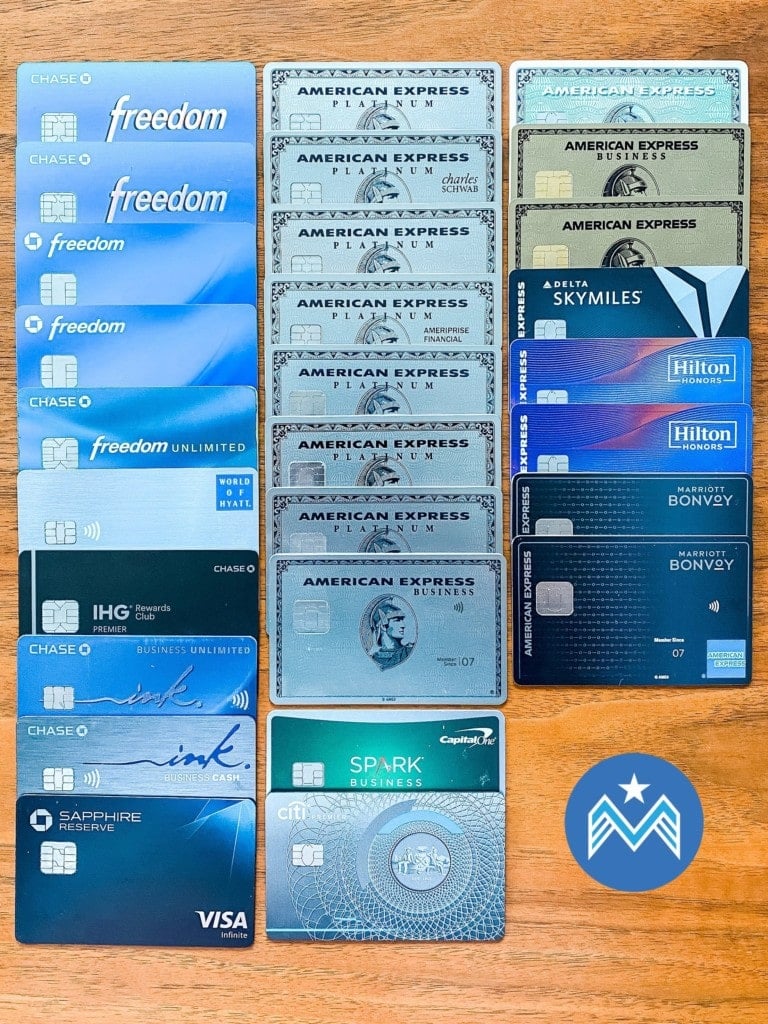
Unpacking Amex’s Card Portfolio Philosophy: Is There a Hard Limit?
The immediate urge to find a definitive “number” for how many American Express cards one can hold often leads to frustration, as Amex, unlike some other issuers, does not publicize a hard, fixed limit. Instead, their approach is far more dynamic, rooted in a comprehensive assessment of an applicant’s financial health and their existing relationship with the company.
The Elusive “Hard Limit” Myth vs. Reality
Dispelling the myth of a universal hard limit is crucial. While anecdotal evidence and forum discussions sometimes point to numbers like four or five credit cards and an additional two charge cards, these are often observations rather than official policies. American Express evaluates each application individually, meaning that what is possible for one person may not be for another. Factors such as your credit score, income, debt-to-income ratio, payment history, and even the types of cards you already hold play a significant role.
The reality is that American Express assesses your overall credit risk and your ability to manage additional credit or spending power. They are looking for responsible cardholders who will utilize their products wisely and meet their financial obligations. Therefore, instead of a static number, think of it as a dynamic capacity that fluctuates based on your financial standing and behavior.
Differentiating Between Charge Cards and Credit Cards
A critical distinction in understanding your Amex capacity lies between charge cards and traditional credit cards. American Express offers both, and they are treated differently in terms of underwriting and your overall card count.
-
Charge Cards: These cards, such as The Platinum Card® or the Gold Card®, typically have no pre-set spending limit. However, they require you to pay your balance in full each month. While this offers immense flexibility for high spenders, it also demands rigorous financial discipline. Historically, charge cards have been viewed as distinct from credit cards in Amex’s internal counting, potentially allowing cardholders to possess more of them alongside their credit cards.
-
Credit Cards: These cards, like the Blue Cash Preferred® Card or various co-branded airline and hotel cards, come with a specific credit limit and allow you to carry a balance month-to-month, subject to interest charges. These are more aligned with traditional credit products from other issuers.
Understanding this differentiation is key, as your capacity might involve a mix of both types, rather than being confined to one category.
The Concept of “Open Card Slots”
Within the American Express ecosystem, many experienced cardholders refer to a concept of “open card slots.” While not an official term, it helps explain that Amex often has an internal, non-public guideline for the maximum number of credit cards (those with a revolving credit limit) an individual can hold. This number tends to hover around 4-5 credit cards, separate from charge cards. Your ability to fill these “slots” depends entirely on your financial profile and how you manage your existing Amex products. If you are a high-value customer with excellent payment history and a strong financial standing, Amex might be more flexible. Conversely, if your credit profile shows signs of strain, they might be reluctant to issue further credit.
Key Factors Influencing Your Amex Card Capacity
Beyond the general philosophy, several concrete financial indicators directly impact how many American Express cards you can realistically obtain. Understanding these factors is paramount for any strategic cardholder.
The Cornerstone of Excellent Credit
Your credit score is arguably the most significant determinant. American Express primarily targets individuals with excellent credit — generally FICO scores in the high 700s and above. A strong credit history demonstrates responsibility in managing debt, making timely payments, and avoiding excessive borrowing. If your credit score is pristine, Amex views you as a lower risk, increasing their willingness to extend additional credit or charge card privileges. Conversely, a history of missed payments, high credit utilization on other cards, or past bankruptcies will severely limit your chances, regardless of income.
Income and Financial Stability: More Than Just Numbers
While a high income doesn’t automatically guarantee unlimited cards, it plays a crucial role. American Express needs to be confident that you have the financial capacity to handle the spending power associated with their premium products, especially charge cards with no pre-set limits. Your income helps Amex assess your ability to pay balances in full or manage revolving credit responsibly. They look for consistent, stable income sources, which can include employment income, business profits, investment dividends, or even reliable retirement income. Furthermore, American Express often performs “financial reviews” for existing cardholders who apply for new products, particularly if their spending patterns or income levels have changed.
Your Existing Relationship with American Express
Your history with American Express is a powerful factor. If you’ve been a loyal Amex cardholder for years, consistently paying on time, utilizing your cards responsibly, and maintaining good standing, you build trust with the issuer. This positive relationship can significantly enhance your chances of approval for additional cards. Amex often values existing customers who demonstrate financial reliability. They have an internal view of your spending patterns, payment behavior, and overall credit risk profile that is more comprehensive than a simple credit report.
Debt-to-Income Ratio and Credit Utilization
These two metrics are vital indicators of your current financial leverage.
-
Debt-to-Income (DTI) Ratio: This ratio compares your total monthly debt payments to your gross monthly income. A low DTI indicates that you have ample income left after covering your debts, suggesting you can comfortably manage additional financial obligations. A high DTI, on the other hand, signals that you might be overextended, making Amex hesitant to issue more credit.
-
Credit Utilization: This refers to the amount of credit you’re using compared to your total available credit. Keeping your credit utilization low (ideally below 30% across all your accounts) demonstrates responsible credit management and positively impacts your credit score, making you a more attractive candidate for new Amex cards. High utilization suggests you are heavily reliant on credit, which can be a red flag for lenders.
Strategic Reasons for Holding Multiple American Express Cards
For many, acquiring multiple American Express cards is not about simply collecting plastic; it’s a sophisticated financial strategy designed to maximize rewards, optimize spending, and manage various aspects of their personal and business finances.
Maximizing Rewards Across Spending Categories
American Express offers a diverse array of cards, each tailored to specific spending habits and reward preferences. By holding multiple cards, you can strategically align your spending to earn the highest possible rewards on every dollar.

- Example: You might use an Amex Gold Card for dining and groceries (earning 4x points), a Blue Cash Preferred Card for U.S. supermarkets and streaming services (earning 6% cash back), and The Platinum Card for travel purchases and specific luxury benefits. This “points optimization” strategy ensures you’re always getting the best return on your expenditures, leading to significantly higher overall rewards accumulation.
Diversifying Benefits and Perks (Travel, Shopping, Business)
Beyond earning points or cash back, Amex cards come loaded with a variety of benefits. Having multiple cards allows you to tap into a broader spectrum of perks that might not be available on a single card.
-
Travel Perks: The Platinum Card offers extensive lounge access, hotel elite status, and travel credits. A co-branded airline card (e.g., Delta SkyMiles) provides free checked bags, priority boarding, and discounted inflight purchases. Combining these ensures a more luxurious and cost-effective travel experience.
-
Shopping Protections: Many Amex cards offer purchase protection, extended warranty, and return protection, safeguarding your purchases.
-
Business Benefits: Dedicated business cards provide expense tracking, business-specific rewards, and separation of personal and business finances, simplifying accounting and tax preparation.
Building and Managing Credit Responsibly
For those with excellent credit, acquiring additional credit lines (and managing them responsibly) can further strengthen their credit profile. Each new account, if handled well, adds to your credit history, increases your total available credit (which can lower your overall utilization), and diversifies your credit mix. This demonstrates to other lenders that you are a reliable borrower capable of managing multiple credit products.
Separating Personal and Business Expenses
A common and highly recommended strategy for entrepreneurs and small business owners is to maintain separate personal and business credit cards. American Express offers an excellent suite of business cards that are ideal for this purpose. This separation simplifies bookkeeping, streamlines tax preparation, provides a clearer picture of business cash flow, and protects personal assets in case of business liabilities. It’s a fundamental step towards professional financial management for any business owner.
Navigating the Downsides and Practical Considerations
While the benefits of an expansive Amex portfolio can be substantial, it’s crucial to approach this strategy with a clear understanding of the potential downsides and practical challenges. Responsible financial management is paramount.
The Burden of Annual Fees
Many premium American Express cards come with significant annual fees, which can range from hundreds to over a thousand dollars per year for some top-tier offerings. While these fees are often justified by the value of the benefits they provide, accumulating too many fee-bearing cards can quickly erode your net rewards if you’re not fully utilizing each card’s perks. Before applying for another card, always conduct a cost-benefit analysis: do the rewards and benefits you expect to receive truly outweigh the annual fee?
Managing Multiple Payment Dates and Balances
Each additional card introduces another statement date, another due date, and potentially another balance to track. Juggling multiple accounts can become complex and, if not managed meticulously, can lead to missed payments. Missed payments not only incur late fees but also significantly harm your credit score and relationship with American Express. Utilizing budgeting apps, setting up automatic payments, and regularly reviewing your statements are essential practices to mitigate this risk.
Potential Impact on Credit Score (Hard Inquiries, Credit Utilization)
Each application for a new credit card typically results in a “hard inquiry” on your credit report. While a single hard inquiry usually has a minimal and temporary impact on your score, multiple inquiries in a short period can signal to lenders that you are desperate for credit, potentially lowering your score. Furthermore, while increasing your total available credit can lower your utilization ratio (a good thing), opening too many new accounts rapidly can also be viewed as a risk factor, especially if you start carrying high balances. It’s important to pace your applications and ensure you can responsibly manage any new credit lines.
The Risk of Over-Leveraging
The most significant danger of holding too many credit cards, especially those with high spending power, is the temptation to overspend. While American Express cards offer fantastic rewards, they are still a form of credit. If you consistently carry high balances, accrue interest charges, or struggle to pay off charge card balances in full, the financial costs can quickly outweigh any rewards earned. Responsible cardholders view their cards as financial tools, not as an extension of their income.
Best Practices for Expanding Your Amex Card Portfolio
For those looking to strategically grow their American Express card collection, adopting a disciplined and informed approach is key to success and maintaining financial health.
Reviewing Your Credit Health Regularly
Before even considering a new application, take an honest look at your current credit standing. Check your credit score and full credit report from all three major bureaus (Equifax, Experian, Transunion). Look for any errors, identify areas for improvement (e.g., reducing credit utilization on existing cards), and ensure your payment history is spotless. Understanding your current credit health will give you a realistic expectation of your approval odds.
Strategic Timing for Applications
Avoid applying for multiple credit cards within a very short timeframe. As mentioned, numerous hard inquiries can negatively impact your credit score. Many experts suggest waiting at least 3-6 months between applications for cards from the same issuer, and sometimes even longer. This allows your credit score to recover from the inquiry and demonstrates to Amex that you are not excessively seeking credit. Consider applying for a new card when you have a specific financial goal in mind, such as an upcoming large purchase or travel plans that could benefit from a specific card’s welcome bonus or features.
Leveraging Amex’s Pre-Approval Tools
American Express often offers a “Check for Pre-Qualified Credit Card Offers” tool on its website. This allows you to see which cards you might be pre-approved for without incurring a hard inquiry on your credit report. While a pre-approval doesn’t guarantee final approval, it significantly increases your chances and can guide your application strategy. This is an excellent way to gauge Amex’s current assessment of your creditworthiness without risk.

Understanding the “Once Per Lifetime” Rule (or similar variations)
American Express is known for its stringent welcome bonus eligibility rules. Often referred to as the “once per lifetime” rule (or a similar variation that specifies a period of 7 years or more), it generally means you can only receive the welcome bonus for a specific card product once. This rule applies even if you close the card and reapply later. Therefore, if you’re strategizing around welcome bonuses, it’s crucial to choose wisely and ensure you’re applying for new product types that you haven’t held before, or for which the eligibility window has reset. This ensures you maximize the value from each new card acquisition.
In conclusion, while there isn’t a simple numerical answer to “how many American Express cards can you have,” the possibilities are significant for those with excellent credit and a responsible approach to personal finance. By understanding Amex’s nuanced underwriting, strategically managing your existing cards, and continually monitoring your financial health, you can build a powerful Amex portfolio that maximizes rewards, enriches your lifestyle, and supports your long-term financial goals. The key is always to view these powerful tools as a means to enhance your financial well-being, not as a license for unmanaged spending.
aViewFromTheCave is a participant in the Amazon Services LLC Associates Program, an affiliate advertising program designed to provide a means for sites to earn advertising fees by advertising and linking to Amazon.com. Amazon, the Amazon logo, AmazonSupply, and the AmazonSupply logo are trademarks of Amazon.com, Inc. or its affiliates. As an Amazon Associate we earn affiliate commissions from qualifying purchases.