
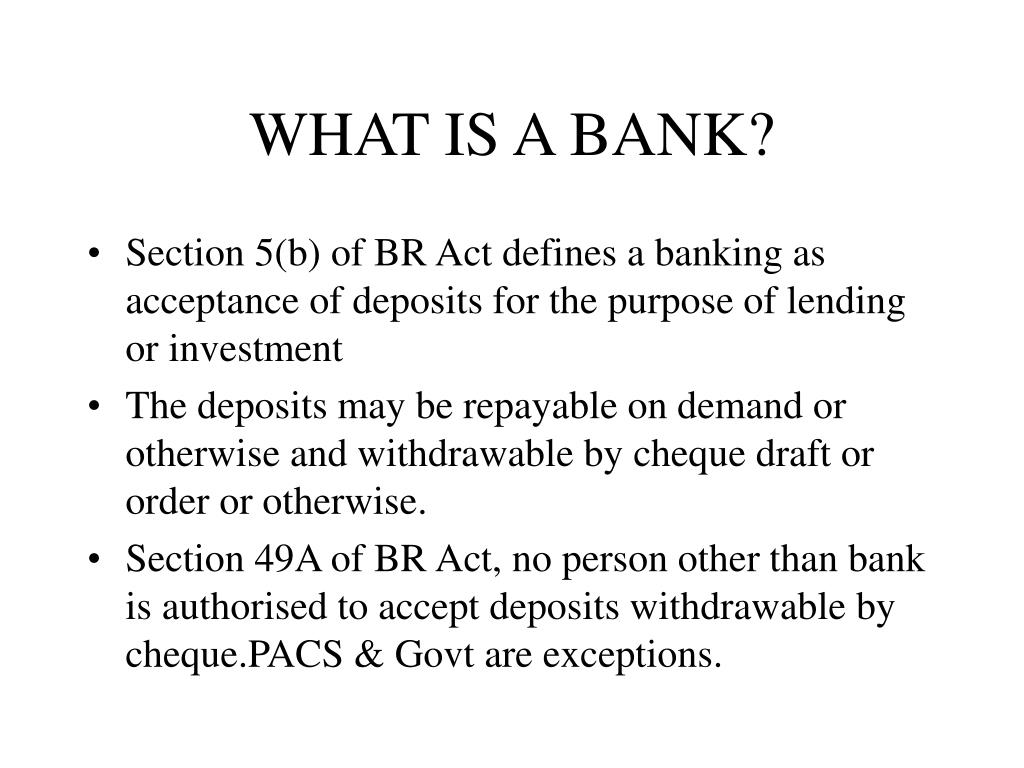
The term “bank” is ubiquitous, a cornerstone of modern society, yet its fundamental nature and multifaceted roles are often taken for granted. Beyond a building with ATMs or a digital interface on our phones, a bank is a complex financial institution that acts as the circulatory system of the global economy. At its core, a bank is an entity that deals with money and credit, accepting deposits from the public, creating credit, and performing a myriad of financial services. Understanding “what’s the bank” delves into its historical evolution, its core functions, the diverse types of banks that exist, its critical role in the economy, and the considerations individuals and businesses should make when engaging with these powerful institutions.
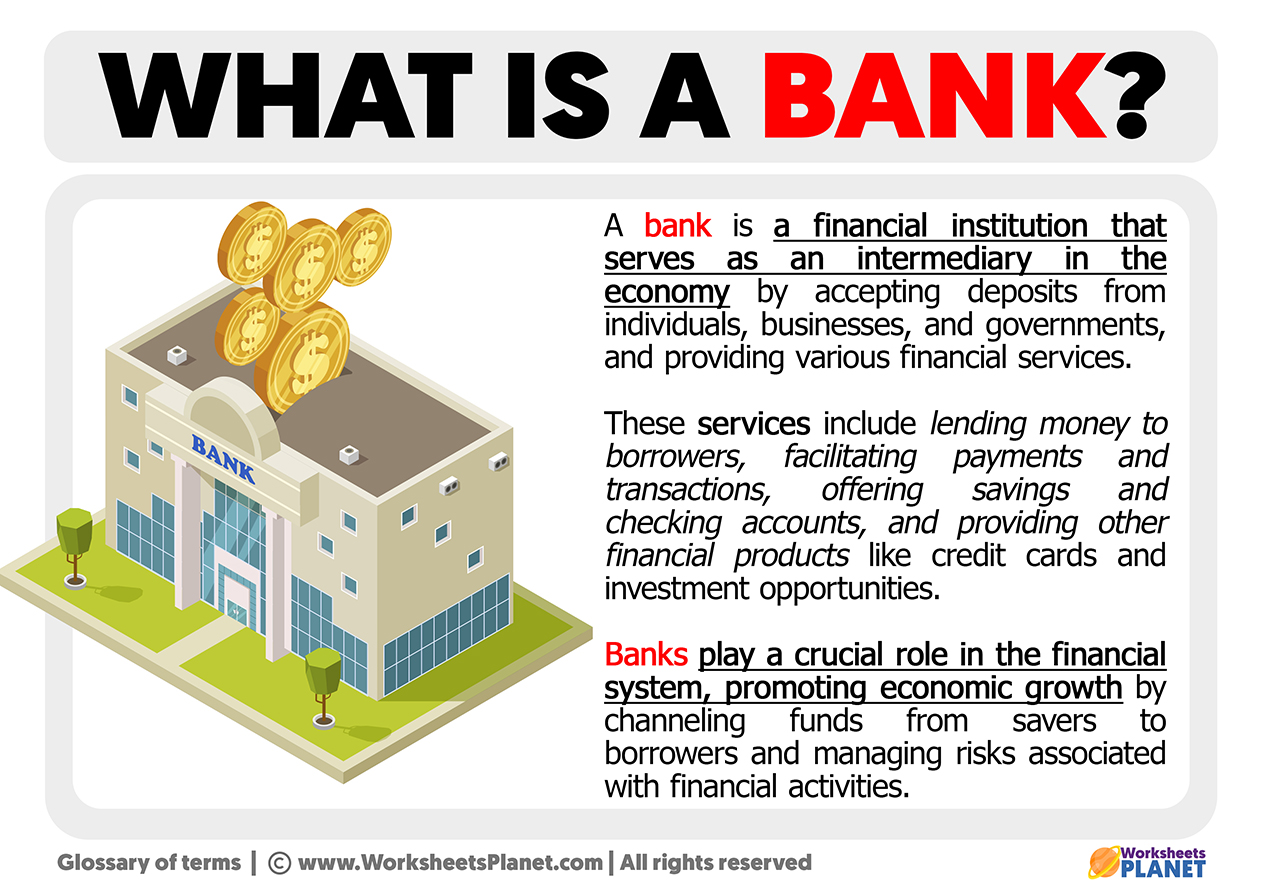
The evolution of banking traces back to ancient civilizations, where merchants and moneylenders performed rudimentary financial services. From the grain loans of Mesopotamia to the money changers of biblical times, the concept of managing and lending capital has always been vital. The modern banking system, however, began to take shape during the Renaissance in Italian city-states, evolving through the centuries to become the sophisticated, regulated, and technologically advanced industry we know today. Its continuous adaptation to economic changes, technological innovations, and societal needs underscores its enduring importance as a pillar of financial stability and economic growth.
The Foundational Pillars: Core Functions of a Bank
At its essence, a bank performs several indispensable functions that facilitate economic activity and empower individuals and businesses to manage their finances. These functions are not merely transactional; they are integral to wealth creation, risk management, and the efficient allocation of capital throughout the economy.
Deposit-Taking: The Lifeblood of Banking
One of the most fundamental roles of a bank is to accept deposits from the public. This service provides a secure place for individuals and businesses to store their money, protecting it from theft, loss, and the risks associated with holding large sums of cash. Banks offer various types of deposit accounts, each designed to meet different financial needs:
-
Checking Accounts: These are transactional accounts designed for daily spending, bill payments, and easy access to funds through debit cards, checks, and electronic transfers. They typically offer low or no interest but prioritize liquidity.
-
Savings Accounts: Intended for accumulating funds, savings accounts usually offer a modest interest rate, encouraging long-term saving. Access is generally less frequent than checking accounts.
-
Money Market Accounts (MMAs): Hybrid accounts that combine features of both checking and savings accounts. MMAs often require higher minimum balances, offer better interest rates than standard savings accounts, and may provide limited check-writing privileges.
-
Certificates of Deposit (CDs): These are time deposits where a fixed sum of money is deposited for a specified period at a fixed interest rate. CDs typically offer higher interest rates than savings accounts but penalize early withdrawals.
By aggregating these deposits, banks accumulate a substantial pool of capital, which forms the basis for their lending activities and fuels economic growth.
Lending and Credit Creation: Fueling Economic Activity
Perhaps the most impactful function of a bank is its role as a lender. Banks transform the deposits they receive into loans, extending credit to individuals, businesses, and even governments. This process of credit creation is vital for economic expansion:
-
Personal Loans: Banks provide loans for various personal needs, such as home renovations, medical expenses, or debt consolidation.
-
Mortgages: A cornerstone of homeownership, mortgages are long-term loans secured by real estate, making property acquisition accessible to a broader population.
-
Business Loans: From small business loans for startups to large corporate financing for expansion and operations, banks provide the capital necessary for businesses to grow, innovate, and create jobs.
-
Lines of Credit & Credit Cards: These offer revolving credit, allowing individuals and businesses flexible access to funds up to a certain limit, which can be repaid and reused.
Through lending, banks essentially facilitate investment and consumption, translating inert savings into productive capital that drives innovation, infrastructure development, and overall economic prosperity.
Payment and Transaction Services: Facilitating Commerce
In an increasingly digital and interconnected world, banks are indispensable for facilitating secure and efficient transactions. They provide the infrastructure that allows money to move seamlessly between parties, both domestically and internationally:
-
Electronic Fund Transfers (EFTs): Services like wire transfers, ACH transfers, and online bill payments enable rapid movement of money.
-
Debit and Credit Cards: These payment instruments are central to modern commerce, allowing consumers to make purchases easily and securely, both in physical stores and online.
-
Checks and Drafts: While less prevalent than in the past, checks still serve as a method for payments, especially in certain business contexts.
-
Currency Exchange: Banks facilitate international trade and travel by allowing individuals and businesses to exchange one currency for another.
These services underpin the smooth functioning of markets, enabling timely payments for goods and services, and reducing the friction associated with financial exchanges.
A Spectrum of Services: Types of Banks
The banking landscape is diverse, comprising various types of institutions, each with a distinct focus and serving specific segments of the market. While there’s often overlap, understanding these distinctions helps to appreciate the breadth of the financial industry.
Commercial Banks and Retail Banking
Commercial banks are the most common type of bank, serving individuals, small businesses, and large corporations. They specialize in deposit-taking, lending (including mortgages, personal loans, and business loans), and providing a wide range of payment and financial services. Retail banking, a significant component of commercial banking, focuses specifically on individual consumers, offering checking and savings accounts, personal loans, credit cards, and wealth management services. These are the banks most people interact with daily.
Investment Banks
In contrast to commercial banks, investment banks primarily serve corporations, governments, and institutional investors. Their core activities revolve around capital raising, acting as intermediaries between companies seeking to raise funds and investors willing to provide them. Key services include:
-
Underwriting: Assisting companies in issuing stocks and bonds (IPOs and secondary offerings).
-
Mergers and Acquisitions (M&A): Advising companies on mergers, acquisitions, and divestitures.
-
Securities Trading: Facilitating the buying and selling of financial instruments for clients and proprietary trading.
-
Financial Advisory: Providing strategic advice on complex financial matters.

Investment banks play a crucial role in corporate finance and capital markets, enabling large-scale transactions and investment.
Central Banks
Every major economy has a central bank, which is a national financial institution responsible for maintaining monetary and financial stability. Unlike commercial banks, central banks do not typically deal with the general public. Their primary functions include:
-
Monetary Policy: Controlling the money supply and credit conditions through interest rate adjustments (e.g., setting the federal funds rate), quantitative easing, and other tools to influence inflation, employment, and economic growth.
-
Banker to the Government: Managing government accounts, issuing government debt, and advising on financial policy.
-
Banker to Banks: Providing financial services to commercial banks, including holding their reserves, clearing checks, and acting as a “lender of last resort” during liquidity crises.
-
Financial Regulation: Overseeing and regulating the banking system to ensure its stability and protect consumers.
The Federal Reserve in the U.S., the European Central Bank (ECB), and the Bank of England are prominent examples of central banks, wielding immense influence over national and global economies.
Other Specialized Banking Institutions
-
Credit Unions: Member-owned financial cooperatives that operate on a not-for-profit basis. They typically offer services similar to commercial banks but often with more favorable rates and fees, with profits being returned to members in the form of dividends or lower service charges.
-
Development Banks: Government-owned or public-private institutions focused on providing financing for economic and social development projects, often in developing countries or specific sectors.
-
Online Banks/Neobanks: These banks operate exclusively online or through mobile apps, often lacking physical branches. They leverage technology to offer streamlined services, lower fees, and innovative digital tools, representing a significant shift in how banking services are delivered.
The Bank’s Indispensable Role in the Economy
Beyond their individual functions, banks collectively play a macro-economic role that is critical for the stability, growth, and proper functioning of any modern economy.
Financial Intermediation
Banks act as vital financial intermediaries, channeling funds from savers (surplus units) to borrowers (deficit units). Without this intermediation, it would be difficult for individuals and businesses with excess funds to find suitable borrowers, and vice versa. Banks efficiently match capital supply with demand, reducing information asymmetry and transaction costs, thereby optimizing resource allocation.
Facilitating Economic Growth and Stability
By providing credit, banks enable investments in new businesses, infrastructure, education, and innovation, which are fundamental drivers of economic growth. They also contribute to stability by managing risk through diversification and careful lending practices. A robust and well-regulated banking system is essential for preventing financial crises and ensuring a resilient economy.
Implementing Monetary Policy
As discussed, central banks utilize commercial banks to implement monetary policy. When a central bank adjusts interest rates or the money supply, these changes propagate through the commercial banking system, affecting lending rates, consumer spending, and business investment. This mechanism allows for the control of inflation and the stimulation or cooling of economic activity.
Navigating the Banking Landscape: Choosing the Right Bank
For individuals and businesses, selecting the right bank or combination of banking services is a crucial financial decision. The “best” bank is subjective and depends heavily on specific needs, preferences, and financial goals.
Factors to Consider
-
Fees and Charges: Banks charge various fees for account maintenance, transactions, overdrafts, and specific services. Understanding these fees is critical to avoid unnecessary costs.
-
Interest Rates: Compare interest rates offered on savings accounts, CDs, and loans. Even small differences can accumulate significantly over time.
-
Accessibility and Convenience: Consider branch locations, ATM networks, online banking platforms, and mobile app functionality. For many, digital convenience is paramount.
-
Range of Services: Evaluate if the bank offers all the services you need, such as investment options, wealth management, international transfers, or specialized business banking.
-
Customer Service: The quality of customer support, whether online, by phone, or in person, can greatly impact your banking experience.
-
Security and Insurance: Ensure the bank is regulated and deposits are insured (e.g., by the FDIC in the U.S.) to protect your funds.
-
Technological Offerings: Look for user-friendly mobile apps, online bill pay, budgeting tools, and integration with other financial platforms.
Aligning Needs with Offerings
A student might prioritize a checking account with no monthly fees and a robust mobile app, while a small business owner would look for specialized business accounts, merchant services, and accessible credit lines. An investor might seek a bank offering integrated brokerage services and wealth management advice. It’s often beneficial to have different banking relationships for different needs, perhaps a traditional bank for certain services and an online-only bank for higher-yield savings.
The Future Trajectory of Banking
The question “what’s the bank” continues to evolve rapidly, particularly with the advent of digital technologies and changing consumer expectations. The future of banking is characterized by hyper-personalization, increasing integration with other financial services, and a deeper reliance on data analytics and artificial intelligence. Neobanks and FinTech companies are challenging traditional models, pushing incumbents to innovate or risk obsolescence. Blockchain technology and cryptocurrencies also present both opportunities and threats, potentially reshaping how value is transferred and stored.
However, the core functions of deposit-taking, lending, and facilitating payments will remain essential. The bank of the future will likely be more nimble, customer-centric, and embedded in daily digital life, providing seamless financial experiences. Yet, its fundamental role as a trusted intermediary, a guardian of wealth, and a catalyst for economic activity will endure, adapting its form but retaining its intrinsic value to society. Understanding “what’s the bank” today is therefore not just about its current state, but also about appreciating its dynamic journey and its indispensable role in shaping our financial future.
aViewFromTheCave is a participant in the Amazon Services LLC Associates Program, an affiliate advertising program designed to provide a means for sites to earn advertising fees by advertising and linking to Amazon.com. Amazon, the Amazon logo, AmazonSupply, and the AmazonSupply logo are trademarks of Amazon.com, Inc. or its affiliates. As an Amazon Associate we earn affiliate commissions from qualifying purchases.