
In the sprawling landscape of digital commerce, few platforms command as much influence and recognition as Shopify. For many, the name conjures images of online stores, direct-to-consumer brands, and seamless shopping experiences. But beneath the user-friendly interfaces and vibrant product pages lies a sophisticated technological infrastructure that powers millions of businesses worldwide. At its core, Shopify is not just a website builder; it’s a comprehensive Software-as-a-Service (SaaS) platform designed to provide the essential internet infrastructure for commerce, enabling entrepreneurs, small businesses, and large enterprises alike to start, run, market, and manage their retail operations efficiently and at scale. It represents a paradigm shift in how businesses access and leverage cutting-edge technology without needing deep technical expertise, democratizing the path to online entrepreneurship.
The Core Technology Behind Shopify’s Ecosystem
Shopify’s fundamental strength lies in its robust technological architecture, meticulously engineered to simplify the complexities of online retail. It abstracts away the daunting tasks of server management, security protocols, and intricate coding, allowing merchants to focus on their products and customers.
A SaaS Foundation for Online Retail
At the heart of Shopify is its Software-as-a-Service (SaaS) model. This means that users subscribe to Shopify’s service rather than purchasing software to install and maintain on their own servers. The implications of this model are profound for merchants:
- Accessibility: Shopify stores are accessible from any internet-connected device, eliminating the need for specific hardware or operating systems. The platform handles all the underlying infrastructure, server maintenance, software updates, and security patches.
- Scalability: The SaaS model inherently provides superior scalability. As a merchant’s business grows, Shopify’s cloud-based infrastructure can seamlessly accommodate increased traffic, transactions, and product catalogs without requiring the merchant to invest in additional hardware or complex IT solutions. This elastic scaling is a critical advantage, especially during peak sales periods like Black Friday or holiday seasons.
- Maintenance-Free Operation: Merchants are liberated from the technical burden of managing web servers, databases, and network security. Shopify’s expert teams manage these critical components, ensuring high uptime and reliable performance, allowing businesses to operate with peace of mind regarding their technological backbone.
Building and Hosting Your Online Store
Shopify’s intuitive interface belies the powerful technology driving its store-building capabilities. It offers a comprehensive toolkit for constructing and hosting professional-grade e-commerce websites:
- Drag-and-Drop Website Builder: The platform provides a highly visual and intuitive drag-and-drop interface, empowering users with no coding knowledge to design aesthetically pleasing and functional online stores. This abstraction layer uses modern front-end web technologies (HTML, CSS, JavaScript) to translate user actions into a fully rendered, responsive website.
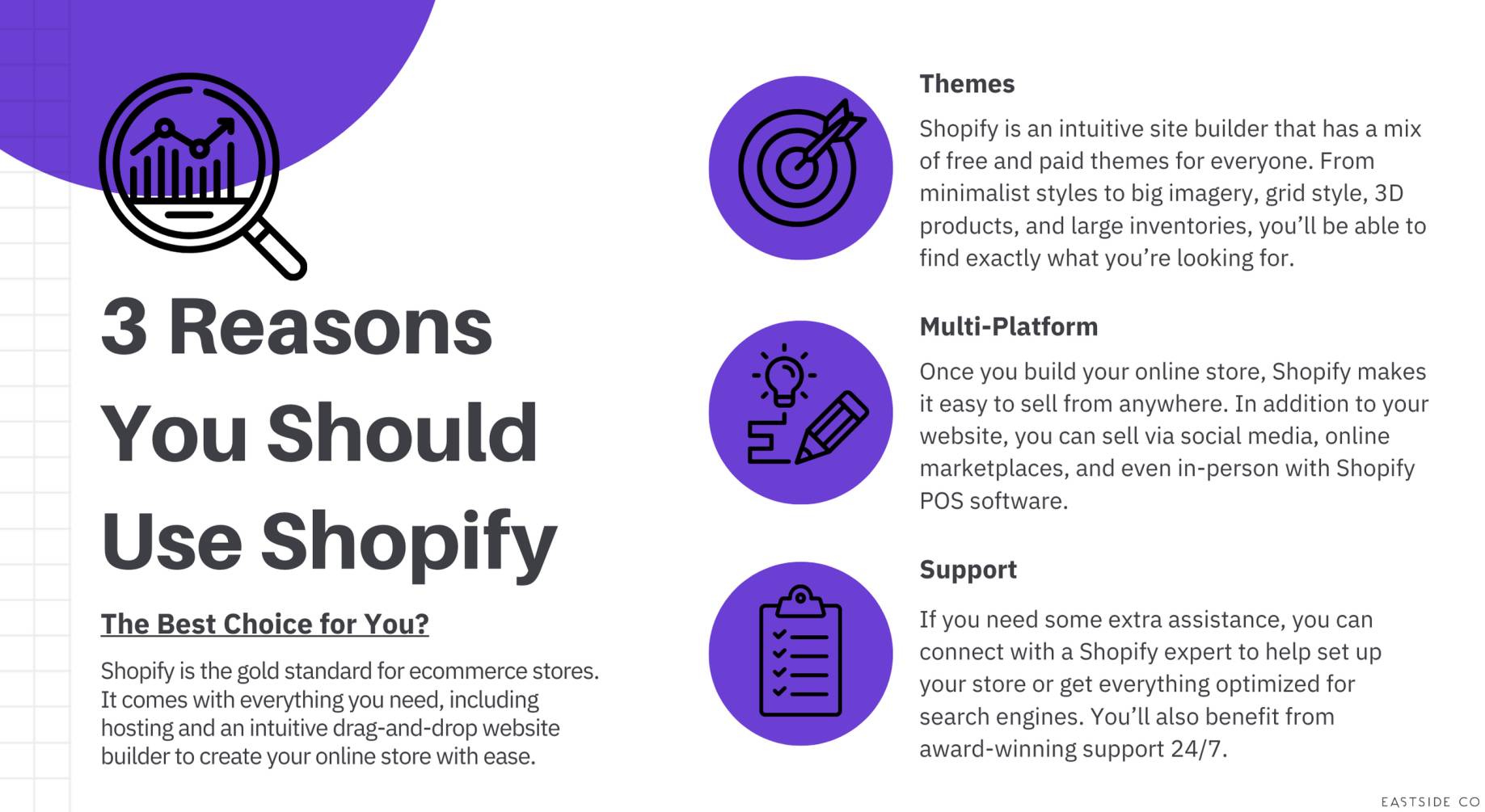
- Themes and Customization (Front-End Technology): Shopify’s theme store offers a vast array of professionally designed templates, built with a proprietary templating language called Liquid (developed by Shopify, based on Ruby on Rails). These themes are highly customizable, allowing merchants to modify layouts, colors, fonts, and incorporate branding elements. The underlying technology ensures these customizations translate into optimized and mobile-responsive web pages across various devices.
- Secure Hosting and CDN for Performance: Every Shopify store is hosted on Shopify’s global cloud infrastructure, which includes Content Delivery Networks (CDNs). CDNs strategically distribute website content (images, videos, static files) across servers worldwide. When a customer visits a Shopify store, content is delivered from the server geographically closest to them, significantly reducing load times and enhancing the user experience. This robust hosting environment is critical for speed, reliability, and security.
Integrated Commerce Tools
Beyond the storefront, Shopify integrates a suite of essential back-end tools crucial for managing a successful retail operation. These tools are often built directly into the platform or available through its extensive app ecosystem, ensuring seamless data flow and operational efficiency.
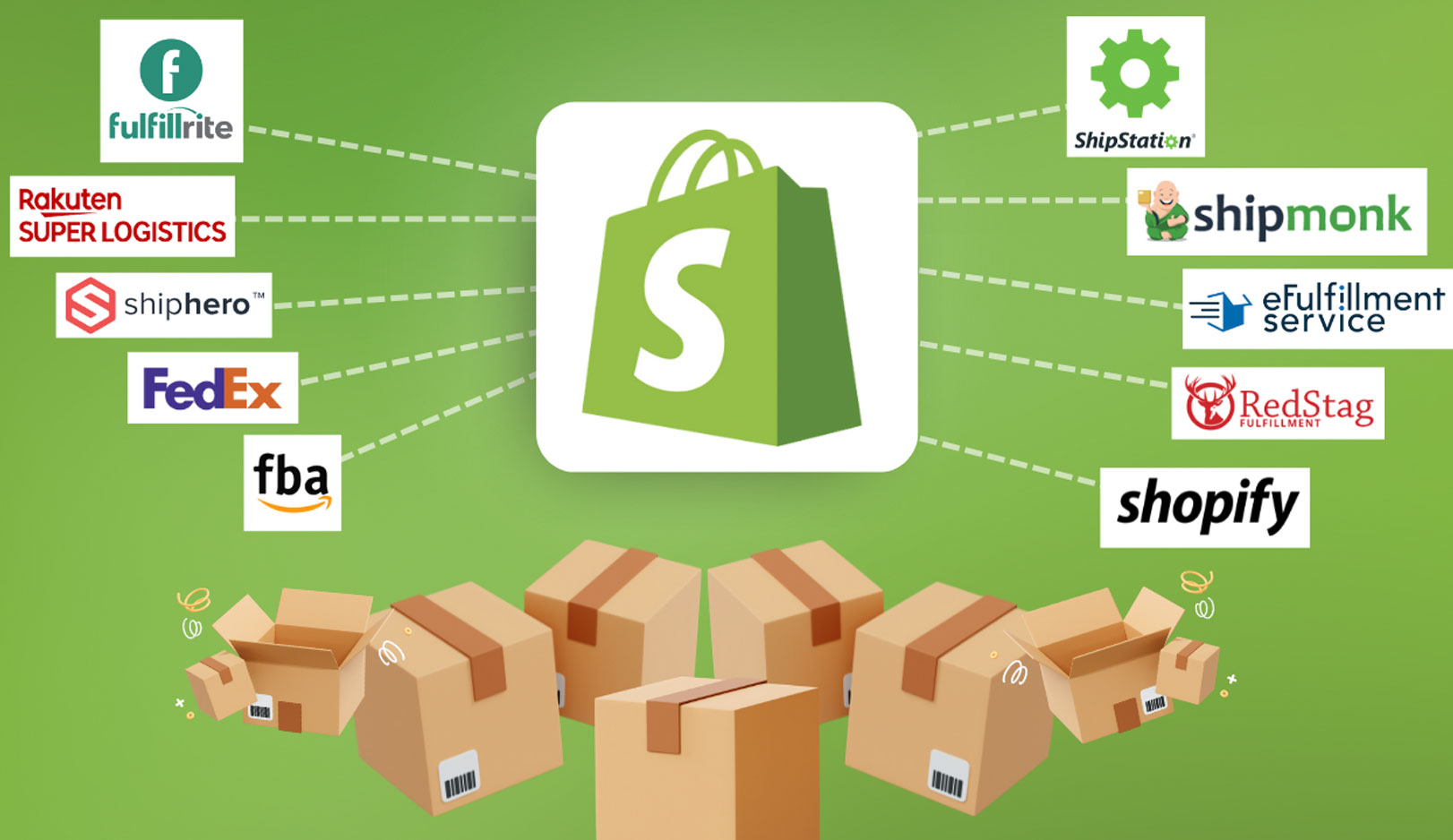
- Inventory Management Systems: Shopify provides a sophisticated, real-time inventory tracking system. This technology allows merchants to monitor stock levels, manage product variants (size, color), track incoming inventory, and even integrate with third-party logistics (3PL) providers for automated stock updates.
- Order Processing and Fulfillment Features: From the moment a customer places an order, Shopify’s technology kicks in. It automates order confirmation, processes payments, generates shipping labels through integrated carriers, and provides tracking information. Merchants can manage orders, fulfill them, and handle returns efficiently, all from a centralized dashboard.
- Customer Relationship Management (CRM) Light Features: While not a full-fledged CRM, Shopify includes built-in functionalities to manage customer data. Merchants can view order history, communication records, and customer segments. This data is leveraged to personalize experiences and streamline customer service interactions, often integrating with dedicated CRM tools via APIs for deeper engagement.
The Technological Architecture Enabling Global Commerce
Shopify’s success as a global commerce platform hinges on its sophisticated underlying architecture, designed for resilience, security, and broad interoperability.
Robust Payment Gateway Integration
Payment processing is a critical component of any e-commerce operation, and Shopify has invested heavily in creating a secure and versatile payment ecosystem.
- Shopify Payments as a Native Solution: Shopify Payments, powered by Stripe, is the platform’s proprietary payment gateway. It’s fully integrated into the Shopify admin, simplifying setup, management, and reconciliation. This technology provides merchants with competitive transaction rates, expedited payouts, and seamless compliance with global payment standards.
- Integration with Third-Party Payment Providers: Recognizing the diverse needs of its global merchant base, Shopify also integrates with hundreds of third-party payment gateways, including PayPal, Square, Authorize.net, and various local payment solutions. This flexibility is enabled through robust API integrations that adhere to stringent security protocols.
- Security Protocols (PCI DSS Compliance) and Encryption for Transactions: Security is paramount in online transactions. Shopify is PCI DSS (Payment Card Industry Data Security Standard) compliant, meaning it adheres to the highest industry standards for protecting cardholder data. All sensitive information is encrypted using industry-standard protocols (SSL/TLS) during transmission, safeguarding customer financial data from interception and misuse.
Scalability and Performance Engineering
The ability to handle massive transactional volumes and high traffic without performance degradation is a hallmark of Shopify’s engineering excellence.
- How Shopify Handles Traffic Spikes for Millions of Merchants: Shopify’s infrastructure is built to be horizontally scalable, utilizing a microservices architecture. This allows different parts of the platform to be scaled independently. During major sales events, when traffic can surge exponentially across millions of stores simultaneously, Shopify’s distributed systems automatically allocate more resources, ensuring continuous operation and responsiveness.
- Distributed Systems, Load Balancing, Global Server Network: The platform operates on a globally distributed network of servers and data centers. Load balancers intelligently distribute incoming traffic across these servers to prevent any single point of failure and ensure optimal performance. This geographic distribution also minimizes latency for customers worldwide.
- Uptime Guarantees and Reliability: Shopify engineers prioritize high availability. Through redundant systems, automated failovers, and continuous monitoring, the platform consistently maintains a high uptime, ensuring merchants’ stores are virtually always open for business, minimizing lost sales due to technical issues.
API-First Approach and Developer Ecosystem
A significant driver of Shopify’s flexibility and extensibility is its API-first design philosophy, which fosters a vibrant ecosystem of developers and applications.
- Explanation of Shopify’s Open API: Shopify provides a rich set of open APIs (Application Programming Interfaces) that allow external applications and services to interact with the platform’s data and functionalities. These APIs expose data points for products, orders, customers, inventory, and more, allowing for deep integration and automation.
- How Developers Build Apps (App Store) and Custom Integrations: Thousands of third-party developers leverage Shopify’s APIs to build applications that extend the platform’s capabilities. These apps, ranging from marketing automation and accounting to shipping and customer service, are available through the Shopify App Store. Merchants can install these apps to tailor their store’s functionality without needing custom development.
- The Role of GraphQL and REST APIs: Shopify offers both REST (Representational State Transfer) and GraphQL APIs. REST APIs are widely used for various integrations, while GraphQL, a newer query language for APIs, allows developers to request exactly the data they need, making integrations more efficient and reducing data over-fetching. This dual approach provides flexibility for developers to choose the best technology for their specific integration needs.
Shopify’s Advanced Features and Future-Proofing Technology
Shopify is not static; it continuously evolves, integrating cutting-edge technologies to keep its merchants ahead of the curve in a rapidly changing digital landscape.
Omnichannel Commerce Capabilities
Modern retail is no longer confined to a single channel. Shopify’s technology facilitates a true omnichannel experience, allowing businesses to sell wherever their customers are.
- Integrating Online Stores with Physical Retail (POS System Technology): Shopify POS (Point of Sale) is a hardware and software solution that allows merchants to manage their brick-and-mortar sales and inventory in sync with their online store. This unified system provides a single source of truth for inventory, customer data, and sales analytics across all channels.
- Social Media Selling Integrations (Facebook, Instagram, TikTok Shops): Shopify provides deep integrations with major social media platforms. Merchants can list products directly on these platforms, enabling customers to discover and purchase items without leaving their social feeds. This involves sophisticated API connections that sync product catalogs, inventory, and order information between Shopify and the social commerce platforms.
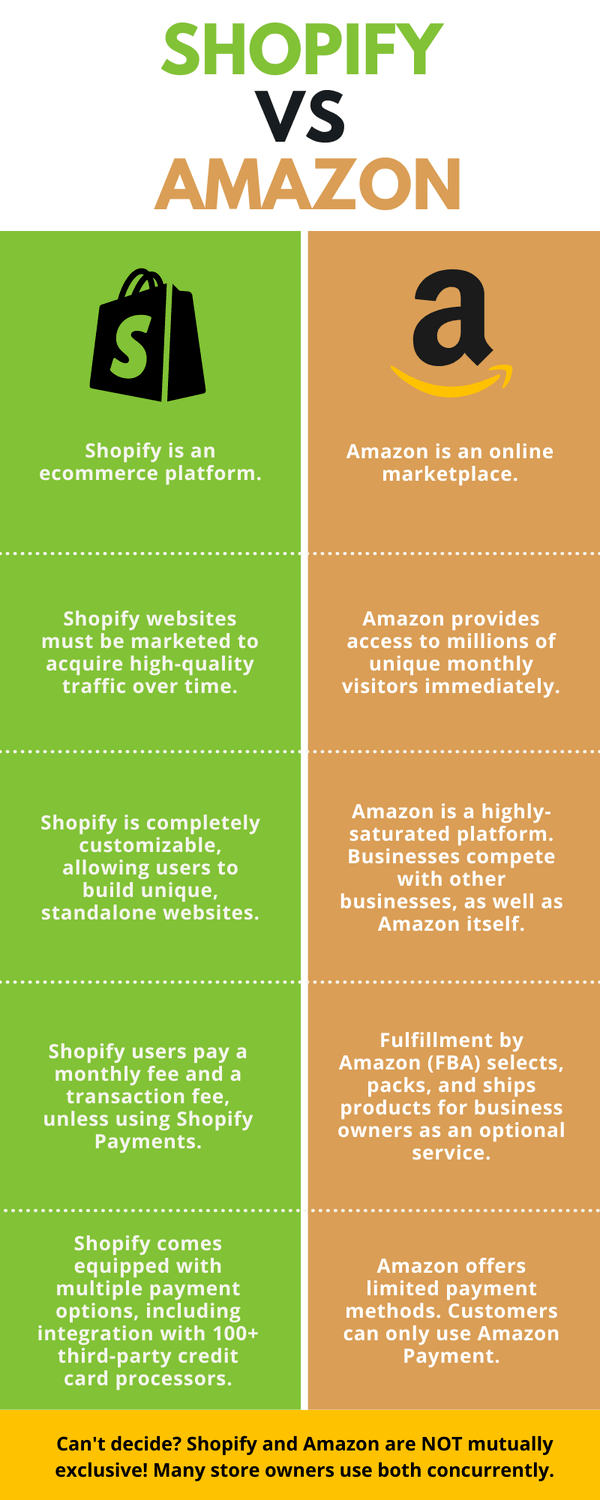
- Marketplace Integrations (Amazon, eBay): Through native integrations or third-party apps, Shopify allows merchants to extend their reach to major online marketplaces like Amazon and eBay. This technology synchronizes product listings, pricing, and inventory across multiple sales channels, simplifying cross-platform selling.
Leveraging AI and Data for Merchant Success
Data is the new oil, and Shopify leverages advanced analytics and artificial intelligence to provide actionable insights and automation.
- Personalization Engines (Recommendations): Shopify employs machine learning algorithms to power product recommendation engines. By analyzing customer browsing behavior, purchase history, and product attributes, these algorithms suggest relevant products, enhancing the shopping experience and increasing conversion rates.
- Fraud Detection Algorithms: To protect merchants from fraudulent transactions, Shopify uses advanced AI-driven fraud analysis. These algorithms analyze various data points (IP addresses, billing/shipping mismatches, purchase patterns) in real-time to flag suspicious orders, helping merchants mitigate financial risk.
- Analytics and Reporting Tools for Business Intelligence: The platform provides a comprehensive suite of analytics and reporting tools. Merchants can monitor sales performance, customer behavior, marketing campaign effectiveness, and more. This data, processed and presented through intuitive dashboards, empowers businesses to make data-driven decisions.
Emerging Technologies and the Future of E-commerce
Shopify consistently explores and integrates emerging technologies to define the future of commerce.
- Web3 Commerce Initiatives (NFTs, Blockchain Integration): Shopify has ventured into Web3, enabling merchants to sell NFTs (Non-Fungible Tokens) directly from their stores and exploring blockchain integrations for enhanced transparency and ownership verification in commerce. This involves integrating with cryptocurrency payment gateways and blockchain protocols.
- Augmented Reality (AR) for Product Visualization: Shopify facilitates the use of Augmented Reality (AR) to enhance the online shopping experience. Merchants can upload 3D models of their products, allowing customers to use their smartphone cameras to visualize products in their own environment before purchasing, blurring the lines between physical and digital shopping.
- Voice Commerce and Smart Assistant Integrations: As voice-activated technology becomes more prevalent, Shopify is exploring integrations with smart assistants like Amazon Alexa and Google Assistant, potentially enabling customers to shop using voice commands, further expanding the channels of commerce.
Shopify’s Impact on the Technology Landscape
Shopify’s technological advancements and strategic approach have had a profound and lasting impact not just on e-commerce, but on the broader technology landscape.
Democratizing E-commerce Technology
One of Shopify’s most significant contributions is its role in leveling the playing field for businesses of all sizes.
- Lowering the Barrier to Entry for Online Businesses: Before Shopify, setting up an online store required considerable technical expertise, significant investment in server infrastructure, and ongoing IT support. Shopify’s SaaS model and intuitive interface drastically reduced these barriers, allowing individuals and small businesses to launch professional online stores with minimal technical knowledge and capital.
- Empowering Entrepreneurs Without Coding Knowledge: By providing a fully managed, user-friendly platform, Shopify has empowered a new generation of entrepreneurs to bring their ideas to market. It has shifted the focus from web development to product development, marketing, and customer experience, enabling millions to participate in the digital economy.
Driving Innovation in Cloud Commerce
Shopify isn’t just a follower; it’s often a leader in setting new standards for cloud-based commerce platforms.
- Setting Industry Standards for Platform Features and Stability: Through its continuous investment in R&D, robust infrastructure, and developer-friendly APIs, Shopify has pushed the boundaries of what an e-commerce platform can offer in terms of features, scalability, and reliability, influencing competitors and raising industry expectations.
- Continuous Development and Feature Rollout: Shopify’s agile development methodology ensures a constant stream of new features, updates, and improvements. This continuous innovation cycle keeps the platform at the forefront of technological advancements, providing merchants with access to the latest tools and capabilities.
A Catalyst for the Creator Economy
The rise of the creator economy has found a powerful ally in Shopify.
- How Content Creators and Individuals Leverage Shopify to Monetize Their Audience Directly: From YouTubers selling merchandise to artists selling prints and musicians selling albums, Shopify provides a direct-to-consumer channel that allows creators to monetize their audience and brand without relying on third-party marketplaces that often take a larger cut or dictate terms. This technological empowerment gives creators full control over their brand, customer relationships, and revenue streams.
In conclusion, Shopify is far more than just a platform for building websites. It is a comprehensive technological ecosystem, a sophisticated SaaS solution that bundles complex infrastructure, advanced software tools, and cutting-edge innovations into an accessible package. From its cloud-based foundation and robust security to its omnichannel capabilities and embrace of emerging technologies like AI and Web3, Shopify stands as a pivotal force in the digital age. It continues to democratize commerce, empower entrepreneurs, and shape the future of how businesses operate and interact with customers in the ever-evolving global marketplace.
aViewFromTheCave is a participant in the Amazon Services LLC Associates Program, an affiliate advertising program designed to provide a means for sites to earn advertising fees by advertising and linking to Amazon.com. Amazon, the Amazon logo, AmazonSupply, and the AmazonSupply logo are trademarks of Amazon.com, Inc. or its affiliates. As an Amazon Associate we earn affiliate commissions from qualifying purchases.