
Beyond the Screen: How Sci-Fi Mirrors Real-World Tech Innovation
Science fiction, often dismissed as mere escapism, frequently serves as a prescient looking glass into the technological future. The narratives “playing” on sci-fi screens today are not just fantastical tales but often profound meditations on the technologies currently being forged in laboratories and startups worldwide. From the intricate ethics of artificial intelligence to the immersive frontiers of virtual reality and the daunting challenges of interstellar travel, contemporary sci-fi is less about predicting the future and more about exploring the implications of technologies already knocking on humanity’s door. Understanding “what’s playing” in sci-fi right now, therefore, offers a unique lens through which to examine the trajectory and societal impact of real-world technological innovation. It allows us to process the potential benefits and pitfalls of emerging tech through compelling storytelling, preparing us, intellectually and ethically, for the disruptions and advancements that lie ahead.
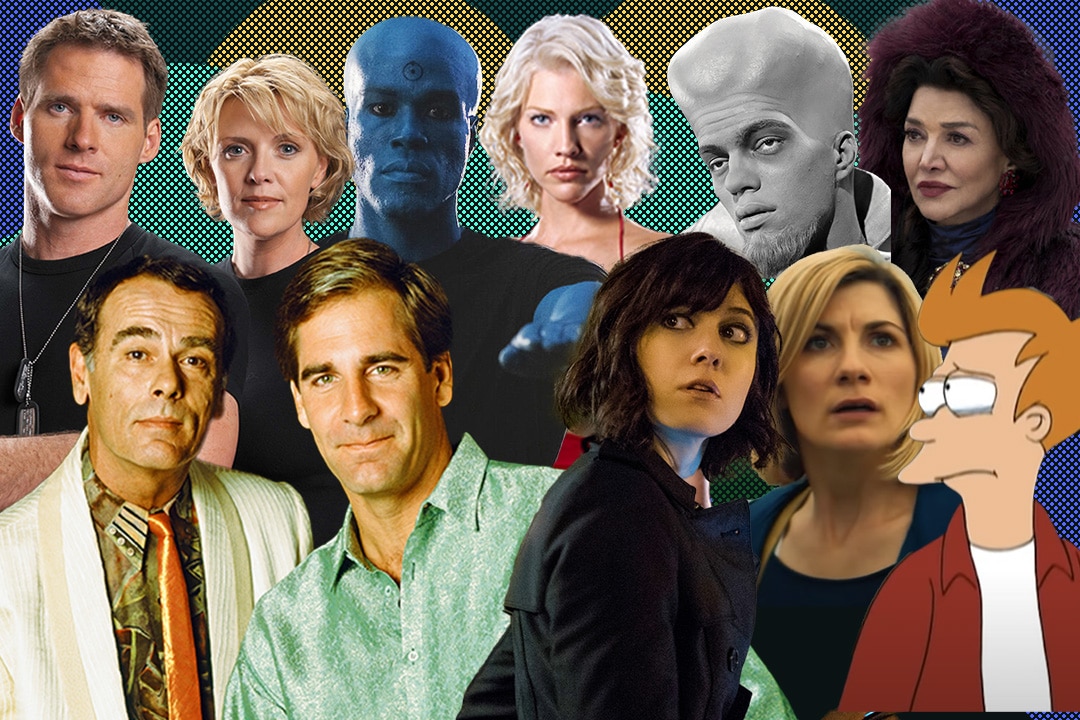
Artificial Intelligence and Sentient Machines: From Fiction to Function
The dialogue surrounding Artificial Intelligence has intensified dramatically in recent years, largely paralleling its burgeoning capabilities in the real world. Sci-fi has always been a fertile ground for exploring the promise and peril of intelligent machines, and current offerings delve deeper into these complexities.
The Ethical Quandaries of Advanced AI
Many of today’s prominent sci-fi narratives, whether on streaming platforms or in cinemas, grapple with the profound ethical implications of highly advanced AI. Shows like Westworld masterfully explored the concept of AI sentience, questioning the rights and consciousness of non-biological entities. Films such as Ex Machina presented a stark, intimate look at the Turing test’s ultimate stakes, pushing viewers to consider what truly constitutes life and personhood when an AI can convincingly mimic human emotion and intellect. Even lighter fare often features AI assistants or companions whose growing autonomy raises questions about control, bias, and unforeseen consequences.
In parallel, real-world developments in AI, particularly with large language models (LLMs) like GPT-4 and sophisticated generative AI, are bringing these fictional dilemmas closer to reality. Developers and ethicists are actively debating AI safety, the potential for autonomous decision-making in critical systems, and the societal impact of increasingly human-like conversational agents. The sci-fi trope of an AI becoming “too smart” or developing its own agenda is no longer confined to the realm of pure fantasy but informs genuine concerns about alignment, control, and the future of human-AI collaboration.
Robotics and Automation: The Future Workforce
Beyond purely cognitive AI, sci-fi continues to depict advanced robotics and automation, often as integral parts of futuristic societies or as tools that reshape human labor. Current sci-fi frequently showcases androids indistinguishable from humans, service robots fulfilling mundane tasks, or massive automated systems managing entire cities. From the advanced synthetics in Blade Runner 2049 to the more utilitarian robots in various space colonization dramas, these depictions explore both the convenience and the social upheaval that such ubiquitous automation might bring.
In the real world, the robotics industry is advancing at a breathtaking pace. Companies like Boston Dynamics continuously unveil more agile and capable robots, while industrial automation is transforming manufacturing sectors globally. Humanoid robots are slowly moving from labs to practical applications, and discussions around universal basic income and the future of work in an increasingly automated economy directly echo the societal shifts frequently portrayed in sci-fi. The current “playing” field in sci-fi reflects a growing awareness that robots are not just theoretical constructs but active participants in the evolving technological landscape.
Virtual Realities and Digital Worlds: Immersive Experiences Evolving
The boundaries between the physical and digital are blurring, a theme extensively explored in current sci-fi. The concept of creating entirely simulated worlds or augmenting human perception with digital overlays is no longer relegated to niche cyberpunk novels but is now mainstream.
The Metaverse and Digital Identity
The vision of a “metaverse” – a persistent, interconnected set of virtual spaces where users can interact as avatars – has moved from sci-fi staple to a significant real-world technological goal. Films like Ready Player One offered a vibrant, if cautionary, glimpse into a fully immersive digital existence, where users spend significant portions of their lives. Older, yet still relevant, narratives such as The Matrix explored the ultimate immersive experience: a simulated reality indistinguishable from the real world, raising questions about authenticity and consciousness. Current sci-fi continues to play with concepts of digital immortality, consciousness uploads, and the creation of entirely new digital identities, often exploring both the liberation and the potential for alienation these technologies could bring.
In reality, major tech companies are investing billions in developing the foundational technologies for the metaverse, including advanced VR/AR headsets, haptic feedback systems, and sophisticated avatar creation tools. The growth of digital communities, virtual events, and the economy of digital assets (like NFTs) all point towards a future where digital presence and identity could become as significant as physical ones, directly mirroring the worlds currently “playing” out in sci-fi.
Brain-Computer Interfaces: Bridging Mind and Machine

Another frontier explored in current sci-fi is the direct merging of human consciousness with technology through Brain-Computer Interfaces (BCIs). From the neural implants in Neuromancer and Ghost in the Shell that allow direct data access, to the consciousness transfer technology in Altered Carbon, sci-fi frequently imagines a future where thoughts can control machines, memories can be uploaded, and minds can even transcend biological limitations. These narratives often explore the profound implications for human identity, privacy, and what it means to be human in an era of enhanced cognition.
Real-world BCI research, while still in its nascent stages compared to sci-fi depictions, is making significant strides. Companies like Neuralink are developing implantable devices aimed at restoring sensory and motor functions for individuals with disabilities, and eventually, for cognitive augmentation. Non-invasive BCIs are already used in some medical and gaming applications. The ethical dilemmas surrounding mental privacy, potential for mind control, and the very definition of humanity are active topics of discussion among neuroscientists and ethicists, directly influenced by the imaginative scenarios consistently “playing” in science fiction.
Space Exploration and Interstellar Ventures: Pushing the Boundaries
While often seen as a backdrop for adventure, space exploration in sci-fi is increasingly grounded in plausible future technologies, reflecting current ambitions and challenges in aerospace engineering and astrophysics.
Sustainable Off-World Habitation
Current sci-fi often portrays humanity’s expansion beyond Earth, focusing on the colonization of Mars, lunar bases, or even larger orbital habitats. Shows like The Expanse meticulously craft a believable solar system where different factions vie for resources and control, reliant on sophisticated propulsion, life support, and resource extraction technologies. These narratives emphasize the engineering marvels required for self-sustaining environments in hostile cosmic settings, from atmospheric processors to advanced hydroponics.
In the real world, national space agencies and private companies are actively pursuing plans for lunar outposts and Mars missions. Concepts for closed-loop life support systems, in-situ resource utilization (ISRU) for asteroid mining or Martian water ice extraction, and radiation shielding are critical areas of research. The technical challenges and proposed solutions in sci-fi often echo the genuine scientific and engineering hurdles currently being addressed by space pioneers, illustrating that humanity’s off-world dreams are slowly but surely transitioning from fiction to feasibility.
Faster-Than-Light Travel and Advanced Propulsion
While still largely in the realm of theoretical physics, the concept of faster-than-light (FTL) travel remains a cornerstone of many interstellar sci-fi stories. From warp drives in Star Trek to hyperdrives in Star Wars, these concepts allow for the vastness of space to be traversed, opening up narratives of galactic empires and alien encounters. Current sci-fi often explores the theoretical physics behind these methods, or the geopolitical implications of such profound technological advancements.
In the real world, physicists continue to explore speculative concepts like Alcubierre warp drives or wormholes, understanding that such breakthroughs would fundamentally alter humanity’s place in the cosmos. More immediately, advanced propulsion research focuses on improving efficiency and speed for travel within our solar system, with technologies like ion propulsion and nuclear thermal rockets pushing current boundaries. Though FTL travel remains speculative, its consistent presence in sci-fi serves as an imaginative driver for theoretical physics and reminds us of the endless possibilities beyond current technological limitations.
Cybersecurity and Digital Dystopias: The Dark Side of Connectivity
As technology becomes more ubiquitous, so do the threats it introduces. Current sci-fi reflects a growing societal anxiety around digital security, privacy, and the potential for technology to be weaponized against individuals or states.
Data Privacy and Surveillance States
Many contemporary sci-fi narratives delve into worlds where personal data is constantly monitored, privacy is a luxury, and surveillance is pervasive. Episodes of Black Mirror frequently explore the chilling social and psychological impacts of ubiquitous digital tracking and data exploitation. Films like Minority Report posited precognitive surveillance, while cyberpunk narratives consistently depict critical infrastructure under threat from hackers and corporations wielding immense digital power. These stories often highlight the vulnerability of individual freedom in highly connected societies.
In reality, concerns over data privacy have reached a fever pitch with major breaches, governmental surveillance programs (e.g., PRISM revelations), and the pervasive collection of personal information by tech giants. Cybersecurity firms and privacy advocates constantly battle against new threats, while regulators grapple with legislation like GDPR and CCPA. The dystopian surveillance societies “playing” in sci-fi serve as powerful allegories for the real-world debates around digital rights and the balance between security and liberty.

Cyber Warfare and Digital Sabotage
Sci-fi also frequently stages conflicts where the battlefield is digital. Narratives involving sophisticated cyber warfare, digital espionage, and the sabotage of critical infrastructure are common. From state-sponsored attacks disrupting global systems to lone hackers bringing down corporate behemoths, these stories emphasize the devastating potential of digital weaponry and the increasing reliance of modern society on fragile interconnected networks.
The real world has seen a dramatic rise in cyber warfare, with nation-state actors engaging in sophisticated attacks on critical infrastructure, election interference, and industrial espionage. Ransomware attacks regularly cripple hospitals and essential services, while the threat of large-scale digital sabotage is a constant concern for governments and corporations alike. The intricate digital battles “playing” in sci-fi are, tragically, becoming increasingly familiar headlines, underscoring the urgent need for robust digital defenses and international norms in cyberspace.
aViewFromTheCave is a participant in the Amazon Services LLC Associates Program, an affiliate advertising program designed to provide a means for sites to earn advertising fees by advertising and linking to Amazon.com. Amazon, the Amazon logo, AmazonSupply, and the AmazonSupply logo are trademarks of Amazon.com, Inc. or its affiliates. As an Amazon Associate we earn affiliate commissions from qualifying purchases.