
When a traveler or a local searches for “what’s playing on Broadway NYC,” they are usually looking for a schedule of performances or a guide to the latest musical sensations. However, behind the velvet curtains and neon lights lies one of the most complex, high-stakes, and fascinating financial ecosystems in the world. Broadway is not just a collection of theaters; it is a multi-billion dollar industry that serves as a cornerstone of New York City’s economy.
Understanding what is playing on Broadway from a “Money” perspective requires an analysis of capitalization, risk management, dynamic pricing models, and the massive ancillary revenue streams that fuel the “Great White Way.” To truly understand the value of a ticket, one must look at the fiscal machinery that keeps the lights on at the 41 professional theaters that comprise this legendary district.

The Investment Structure of a Broadway Production
The journey of a Broadway show begins long before the first ticket is sold. From a financial standpoint, a Broadway production is a startup company with a high burn rate and an incredibly high risk of failure. Investors, often referred to as “Angels,” provide the capital necessary to move a show from a workshop or regional theater into a Broadway house.
Capitalization and the Role of Limited Partners
Capitalizing a Broadway show is an expensive endeavor. In the current market, a play might require an initial investment of $3 million to $6 million, while a large-scale musical can cost anywhere from $10 million to $25 million—and in outliers like Spider-Man: Turn Off the Dark, upwards of $75 million. This capital covers sets, costumes, rehearsals, theater deposits, and marketing.
Most Broadway shows are structured as Limited Liability Companies (LLCs) or Limited Partnerships. The General Partners (producers) manage the day-to-day operations, while the Limited Partners (investors) provide the funds. For the investor, the allure is the potential for a massive payout; however, the reality is that roughly 75% to 80% of Broadway shows do not recoup their initial investment.
Recoupment and the “Hit or Miss” Reality
Recoupment is the “holy grail” of Broadway finance. This is the point where the production has paid back its initial investors in full and begins to generate “net profits.” Once a show recoups, the profit sharing usually shifts, often resulting in a 50/50 split between the producers and the investors.
What’s playing on Broadway today is often a mix of “Tentpole” hits like The Lion King or Wicked—which have been in the profit phase for decades—and new ventures that are struggling to reach that weekly “nut” (the break-even point for weekly operating costs). The weekly nut includes salaries for actors, stagehands, and musicians, theater rent, and ongoing marketing expenses. If a show’s weekly box office intake falls below this number for several consecutive weeks, the “Stop Clause” in the theater lease may be triggered, leading to the show’s closure.
Revenue Streams: Beyond the Box Office
While the box office is the most visible source of income, the financial viability of a modern Broadway show depends on a diversified portfolio of revenue streams. When we look at what’s playing on Broadway, we are looking at intellectual property (IP) that can be monetized in dozens of ways.
Merchandising and Licensing Rights
For many productions, the sale of $40 t-shirts, $25 programs, and $15 cast recordings represents a significant profit margin. For a “mega-musical,” merchandising can account for 10% to 15% of total weekly revenue.
More importantly, the long-term wealth in Broadway is found in licensing. Once a show has completed its Broadway run, the rights are licensed to international productions, national tours, and eventually to thousands of high schools and community theaters via companies like Music Theatre International (MTI). For a successful show, the licensing revenue can far exceed the total profits earned during the original Broadway run, providing a continuous stream of passive income for the original investors and creators.
Touring Productions and Global Royalties
The “road” is where the real money is often made. A successful Broadway run acts as a prestigious marketing campaign for the North American tour. National tours often have lower operating costs than Broadway—primarily due to different union contracts and theater rental structures—allowing them to generate significant weekly profits.
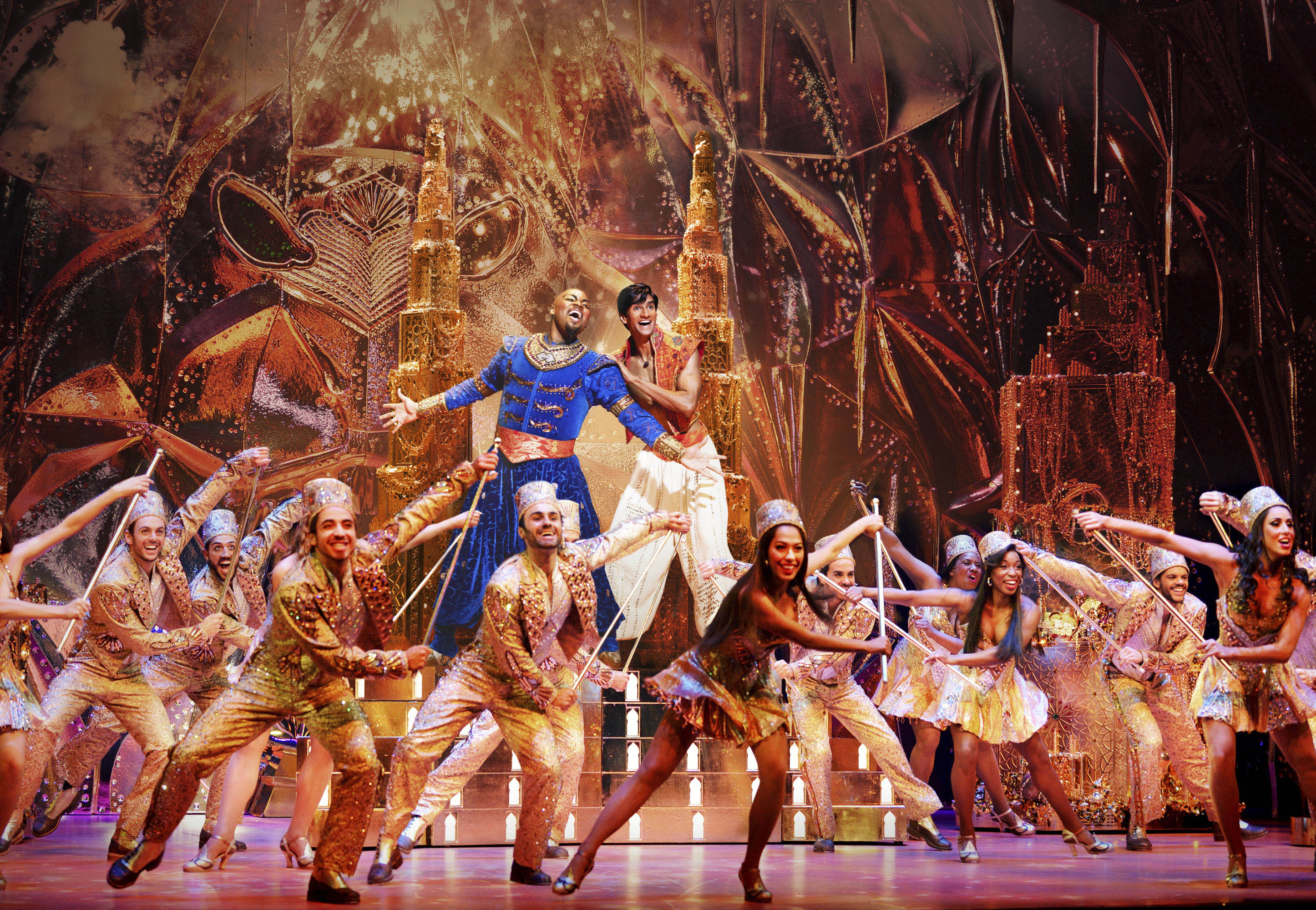
Furthermore, the globalization of Broadway has opened markets in London’s West End, Germany, Japan, and Australia. A hit show “playing on Broadway” today is often the flagship of a global brand, with multiple “sit-down” productions around the world all feeding royalties back to the New York-based parent company.
Pricing Strategies and Market Demand
The price of a Broadway ticket is rarely fixed. In the modern era, Broadway has adopted sophisticated “Dynamic Pricing” models similar to those used by airlines and hotels. This financial strategy ensures that the production maximizes revenue based on real-time demand.
Dynamic Pricing and the TKTS Effect
When you look at what’s playing on Broadway, the price you see for a seat can change by the hour. Algorithms track sales velocity; if a Saturday night performance of a hit musical is selling out quickly, the remaining “Premium” seats may be priced at $500 or more. Conversely, if a Tuesday night performance is lagging, the system may release lower-priced tickets or send inventory to the TKTS booth in Times Square.
The TKTS booth, operated by the Theatre Development Fund (TDF), is a vital component of the Broadway economy. By offering 20% to 50% discounts on same-day performances, it allows shows to fill seats that would otherwise go empty. Since a seat in a theater is a “perishable inventory”—once the curtain goes up, the value of an empty seat drops to zero—discounting is a necessary tool for managing cash flow and ensuring the theater remains “hot.”
The Secondary Market and Resale Economics
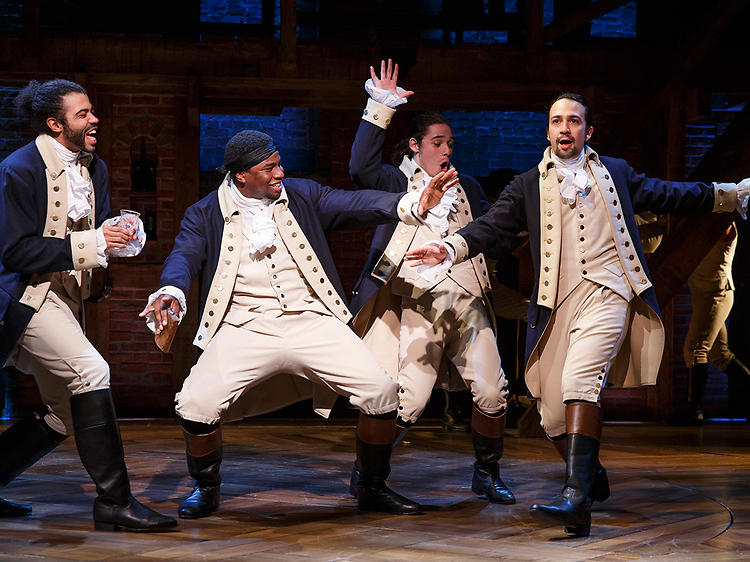
The financial landscape of Broadway is also heavily influenced by the secondary market (resale platforms like StubHub and Ticketmaster Verified Resale). For “impossible” tickets like Hamilton at its peak, the secondary market can see ticket prices reach several thousand dollars.
While producers historically did not see a dime of this secondary profit, the industry has shifted. Many shows now price their own “Premium” seats at market rates to capture that revenue directly, rather than letting it go to independent brokers. This shift has significantly increased the weekly grosses of top-tier shows, sometimes pushing a single theater’s weekly revenue above $3 million.
The Macroeconomic Impact of Broadway on NYC
To understand the full scope of “what’s playing on Broadway,” one must look at its impact on the city’s treasury. Broadway is a massive engine for tax revenue and job creation, influencing sectors far beyond the stage.
Tourism Dollars and Ancillary Spending
According to the Broadway League, in a typical season, Broadway attendance contributes over $12 billion to the New York City economy on top of ticket sales. This is known as ancillary spending.
Statistics show that for every dollar spent on a Broadway ticket, visitors spend an additional $3 to $4 on dining, hotels, transportation, and retail within the city. Many tourists cite “seeing a Broadway show” as their primary reason for visiting New York. Consequently, the financial health of Broadway is directly correlated with the health of the NYC hospitality industry. When Broadway “is playing,” the city’s hotels are full, and its restaurants are bustling.
Employment and the Creative Economy
Broadway is a major employer. The industry supports approximately 97,000 jobs in New York City. This includes not only the visible talent—the actors and musicians—but also a vast network of skilled tradespeople: carpenters, electricians, wardrobe mistresses, press agents, and accountants.
The payroll taxes generated by these thousands of employees, combined with the sales tax on millions of tickets and the corporate taxes paid by production companies, provide a vital stream of income for the city and state. From a business perspective, Broadway is an essential utility for New York City; its cultural output is the “software” that makes the “hardware” of the city’s infrastructure valuable to global investors and tourists alike.
Conclusion
When we ask “what’s playing on Broadway NYC,” we are engaging with a complex financial narrative. Each marquee represents a high-stakes gamble, a sophisticated branding exercise, and a significant contributor to the city’s GDP. While the art provides the soul of the performance, the money provides the means. From the venture-capital-style risk of initial investments to the algorithmic precision of dynamic pricing, Broadway stands as a testament to the enduring power of live entertainment as a viable and vibrant asset class. Whether a show is a “flop” that loses millions or a “smash” that earns billions, its presence on the Broadway stage is a critical heartbeat in the financial life of New York City.
aViewFromTheCave is a participant in the Amazon Services LLC Associates Program, an affiliate advertising program designed to provide a means for sites to earn advertising fees by advertising and linking to Amazon.com. Amazon, the Amazon logo, AmazonSupply, and the AmazonSupply logo are trademarks of Amazon.com, Inc. or its affiliates. As an Amazon Associate we earn affiliate commissions from qualifying purchases.