
Palladium, a lustrous silvery-white metal, is more than just another element on the periodic table; it is a critical industrial commodity and a significant player in the world of finance and investment. Often overshadowed by its more famous precious metal cousins, gold and platinum, palladium has carved out a unique and increasingly prominent niche due to its unparalleled catalytic properties and a complex interplay of supply and demand dynamics. Understanding what palladium is, therefore, requires delving deep into its industrial utility, its market drivers, and its role as a potentially valuable, albeit volatile, investment asset. For investors, businesses, and economists alike, unraveling the mysteries of palladium is key to comprehending a vital component of the global economy and a compelling asset class.

The Allure of a Scarce Metal: An Introduction to Palladium
Discovered in 1803 by William Hyde Wollaston, palladium quickly earned its place among the platinum group metals (PGMs) due to its remarkable properties. For centuries, its primary applications were limited, often seen as a minor sibling to platinum. However, the latter half of the 20th century and the dawn of the 21st have seen a dramatic shift, elevating palladium to a precious metal of immense economic significance, particularly in the automotive and technological sectors. Its scarcity and the concentrated nature of its production make it susceptible to geopolitical shifts and market speculation, reinforcing its allure for those seeking diversification or exposure to specific industrial trends.
Defining Palladium: Beyond a Precious Metal
While palladium shares characteristics with other precious metals—it’s rare, durable, and aesthetically pleasing enough for jewelry—its core identity in the economic sphere is defined by its industrial utility. Palladium boasts extraordinary catalytic properties, meaning it can accelerate chemical reactions without being consumed in the process. This specific attribute makes it indispensable in various manufacturing processes. Unlike gold, which is primarily held for its monetary value and aesthetic appeal, or silver, which has a broader range of industrial uses but less specific catalytic power, palladium’s economic fate is intrinsically tied to a very particular set of industrial demands. It is a commodity whose value is driven less by abstract notions of wealth preservation and more by the tangible needs of global manufacturing, particularly the automotive industry.
A Brief History of its Economic Significance
For many decades, palladium played a secondary role to platinum in industrial applications, particularly in catalytic converters. However, its lower cost relative to platinum for a significant period made it an attractive substitute. As environmental regulations tightened globally, demanding stricter emissions standards, the demand for catalytic converters surged. Palladium’s effectiveness in reducing harmful emissions from gasoline-powered vehicles propelled its market value. The metal saw significant price appreciation, especially in the late 1990s and again in the 2010s, demonstrating its sensitivity to industrial output and regulatory shifts. These periods of rapid price growth underscored its emergence as a standalone investment commodity, distinct from other precious metals, with its own unique market dynamics driven by specific industrial consumption patterns.
The Pillars of Palladium’s Value: Industrial Demand and Scarcity
The valuation of palladium is fundamentally rooted in the balance between its limited supply and robust industrial demand. Unlike gold, which maintains a substantial portion of its value through investment and jewelry, palladium’s price is predominantly dictated by its role in critical industrial applications. This industrial reliance makes its market highly sensitive to global economic health, manufacturing trends, and technological advancements. Understanding these demand drivers and supply constraints is paramount for anyone evaluating palladium from a financial perspective.
Automotive Catalyst: The Dominant Driver
The most significant demand sector for palladium, accounting for over 80% of its annual consumption, is the automotive industry, specifically in catalytic converters for gasoline-powered vehicles. Catalytic converters are devices that convert toxic pollutants in exhaust gas from an internal combustion engine into less toxic pollutants by catalyzing redox reactions. Palladium’s superior ability to facilitate these reactions efficiently, especially in gasoline engines, makes it irreplaceable in the current vehicle production landscape. As global emissions standards become increasingly stringent, particularly in major automotive markets like China, Europe, and North America, the demand for palladium continues to escalate. This makes the health of the auto industry, vehicle sales figures, and the evolution of environmental regulations direct and powerful determinants of palladium prices. Any slowdown in global car sales or a shift in regulatory focus could have a profound impact on its market.
Beyond the Exhaust Pipe: Other Industrial Uses
While automotive catalysts dominate, palladium’s unique properties lend themselves to several other important industrial applications, contributing to its overall market demand. In the electronics sector, palladium is used in multi-layer ceramic capacitors (MLCCs), plating for connectors, and hybrid integrated circuits, valued for its conductivity, corrosion resistance, and stability. The dental industry utilizes palladium in various alloys for crowns, bridges, and inlays due to its biocompatibility and durability. Furthermore, its aesthetic appeal, coupled with its hardness, makes it a popular choice for jewelry, particularly for settings and as an alternative to platinum. Each of these sectors, though smaller than automotive, provides a foundational layer of demand and contributes to the metal’s overall market stability, diversifying its industrial reliance to a degree.
Supply Dynamics: Mining, Geopolitics, and Recycling
The supply side of palladium is characterized by its concentrated geographical production and its nature as a by-product. The vast majority of the world’s newly mined palladium comes from just two countries: Russia and South Africa, often as a by-product of nickel and platinum mining, respectively. This geographical concentration makes the market vulnerable to geopolitical instability, labor disputes, and policy changes in these regions. Any disruption in mining operations or export channels from these major producers can swiftly impact global supply, leading to price spikes. Additionally, unlike gold, a significant portion of palladium supply also comes from recycling, predominantly from scrapped catalytic converters. As palladium prices have risen, the economic incentive for recycling has increased, leading to a growing secondary supply channel. Understanding these primary and secondary supply dynamics is crucial for forecasting market trends and assessing investment risks.
Palladium as an Investment Asset: Opportunities and Risks
For investors, palladium presents a unique proposition within the commodities market. Its strong industrial demand, limited supply, and historical price volatility offer both significant opportunities for capital appreciation and considerable risks. Approaching palladium as an investment requires a clear understanding of its market drivers, the various avenues available for investment, and the specific factors that influence its price movements. It is not a “set it and forget it” asset but rather one that demands active monitoring and a nuanced perspective.
Why Invest in Palladium? Diversification, Inflation Hedge, and Growth Potential
Investing in palladium can serve several strategic purposes within a diversified portfolio. As a physical commodity with intrinsic industrial value, it can act as a hedge against inflation, as its price often rises in tandem with broader commodity markets during inflationary periods. Its low correlation with traditional financial assets like stocks and bonds also makes it an attractive tool for portfolio diversification, potentially reducing overall portfolio risk and enhancing returns. Furthermore, given its critical role in the automotive industry and the global push for cleaner emissions, palladium offers exposure to structural growth trends in manufacturing and environmental technology. For investors bullish on global economic growth and continued automotive demand, palladium represents a direct stake in these macro-economic narratives, offering growth potential distinct from other precious metals.
Ways to Invest: Physical Metal, ETFs, Futures, and Mining Stocks
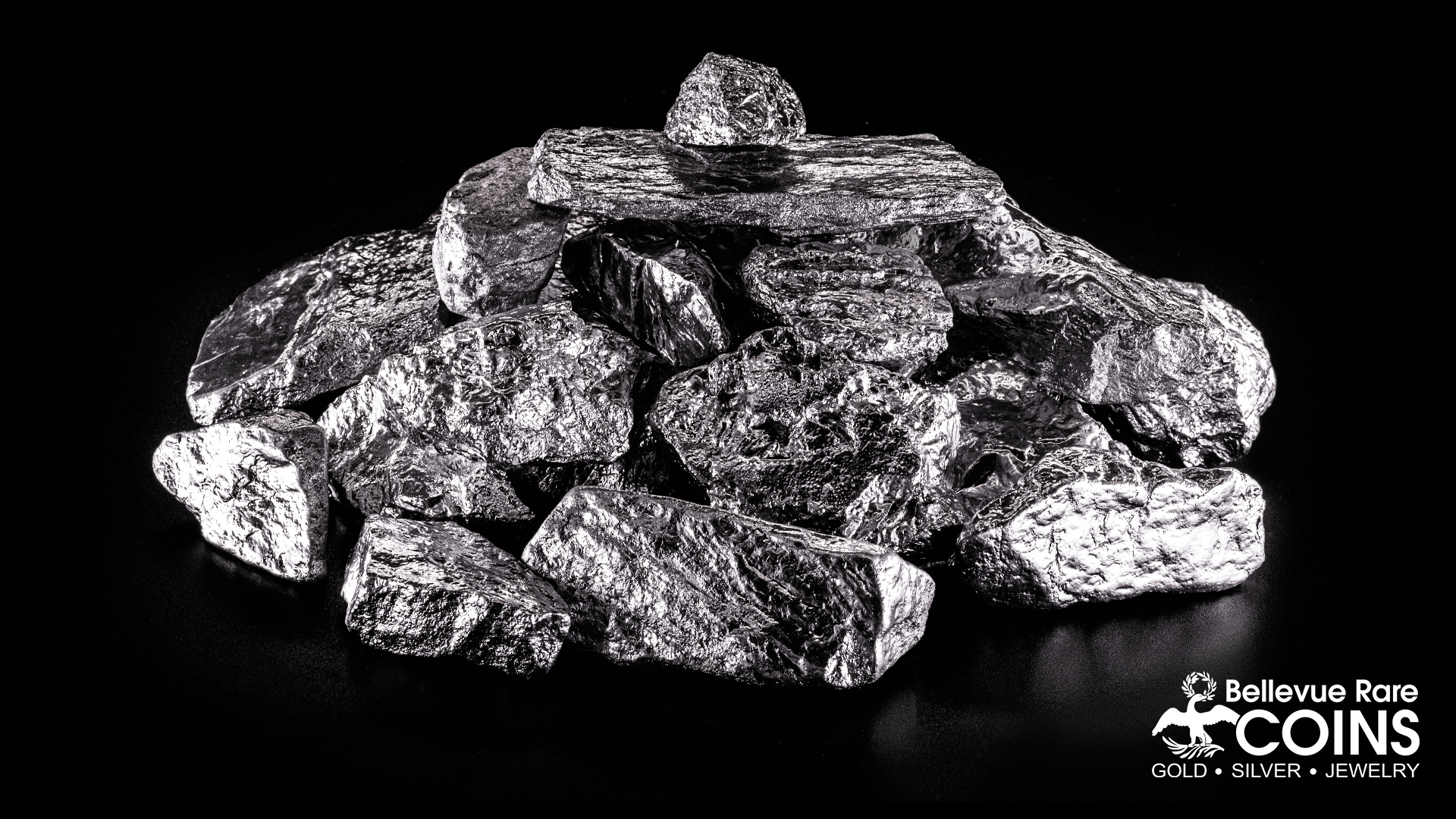
Investors interested in palladium have several avenues to gain exposure to its price movements. The most direct method is purchasing physical palladium, typically in the form of bars or coins, from reputable dealers. This offers direct ownership but comes with storage and insurance costs. For a more liquid and accessible option, Exchange Traded Funds (ETFs) that track palladium prices or hold physical palladium are popular. These instruments offer ease of trading and lower transaction costs compared to physical metal. More experienced investors might consider futures contracts, which allow speculation on future price movements with leverage but entail higher risk. Finally, investing in mining stocks of companies that produce palladium (e.g., Norilsk Nickel or Anglo American Platinum) offers indirect exposure. This route also introduces company-specific risks (management, operational efficiency, geopolitical risk) in addition to commodity price risk, but can offer greater upside if the company performs well. Each method carries its own risk-reward profile and suitability for different investor types.
Understanding Market Volatility and Price Drivers
Palladium is known for its significant price volatility, which can lead to substantial gains or losses. Its price is influenced by a confluence of factors. Economic growth directly impacts industrial demand, particularly automotive production. Geopolitical events in major producing nations (Russia, South Africa) can disrupt supply. Environmental regulations, especially those related to vehicle emissions, create structural demand. Currency fluctuations also play a role, as palladium is priced in U.S. dollars, meaning a weaker dollar can make it more attractive for international buyers. Furthermore, the supply-demand balance for its sister metal, platinum, can also affect palladium, as auto manufacturers sometimes switch between the two depending on price differentials and specific catalytic requirements. Monitoring these interconnected drivers is essential for making informed investment decisions and navigating the inherent volatility of the palladium market.
Navigating the Palladium Market: Factors Influencing Price
The price of palladium is a dynamic reflection of a multitude of global forces, ranging from macroeconomic trends to specific technological shifts. For investors and businesses operating within sectors that consume or produce palladium, a comprehensive understanding of these influencing factors is critical for strategic planning, risk management, and market forecasting. The sensitivity of palladium’s price to these variables means that successful navigation of its market requires constant vigilance and an ability to interpret complex global signals.
Economic Growth and Industrial Output
At its core, palladium is an industrial metal, meaning its price is highly correlated with global economic growth and, more specifically, industrial output. When economies are expanding, demand for new vehicles typically rises, directly increasing the need for palladium in catalytic converters. Manufacturing activity across various sectors, including electronics and dentistry, also tends to strengthen during periods of economic expansion, further boosting overall demand. Conversely, economic slowdowns or recessions can lead to reduced vehicle sales and industrial production, consequently dampening palladium demand and exerting downward pressure on prices. Investors often look to leading economic indicators, such as manufacturing PMIs (Purchasing Managers’ Indices), GDP growth forecasts, and automotive sales data, as proxies for future palladium demand.
Geopolitical Stability and Supply Chain Disruptions
As highlighted earlier, the highly concentrated nature of palladium production in Russia and South Africa makes its supply inherently vulnerable to geopolitical instability. Labor strikes, political unrest, changes in mining regulations, or international sanctions in these key producing regions can rapidly constrict global supply, leading to sharp price increases. Furthermore, broader supply chain disruptions, such as global shipping bottlenecks or energy price spikes affecting mining operations, can also impact availability and cost. Investors must closely monitor political developments in these countries and be aware of potential Black Swan events that could suddenly alter the supply landscape. The recent past has offered ample evidence of how geopolitical tensions can translate almost immediately into significant price volatility for critical commodities like palladium.
Regulatory Landscape and Environmental Policies
The demand for palladium is inextricably linked to environmental regulations, particularly those governing vehicle emissions. Governments worldwide are continually tightening standards to combat air pollution and climate change. This regulatory push mandates the use of highly efficient catalytic converters, which in turn drives the demand for PGMs like palladium. Policies promoting cleaner internal combustion engines or even hybrid vehicles, which still rely on catalytic converters, support palladium demand. Conversely, sudden shifts in regulatory focus, such as rapid acceleration towards a fully electric vehicle (EV) mandate that eliminates internal combustion engines entirely, could pose a long-term threat to demand. However, the transition is gradual, and interim steps to reduce emissions from existing and new gasoline vehicles continue to underpin significant palladium consumption.
Substitution and Innovation
While palladium’s catalytic properties are exceptional, its high price has historically incentivized research into potential substitutes, primarily platinum. Auto manufacturers can sometimes substitute palladium for platinum in catalytic converters, depending on the relative prices and technical specifications for specific engine types. This interchangeability means that a significant price differential between the two metals can lead to “thrifting,” where manufacturers adjust their PGM usage to optimize costs. Furthermore, ongoing research into new materials or technologies that could reduce or eliminate the need for PGMs in catalysts represents a long-term risk. However, to date, no readily scalable and equally effective substitute has emerged to displace palladium significantly across all its major applications, maintaining its critical role in the short to medium term.
The Future Outlook for Palladium: Sustained Demand or Shifting Tides?
The trajectory of palladium’s market value is subject to several powerful forces that will shape its future. While its industrial applications currently enjoy robust demand, particularly from the automotive sector, the global shift towards electrification and continuous innovation present both opportunities and challenges. Predicting palladium’s long-term future requires a careful assessment of these evolving dynamics and their potential impact on both supply and demand.
The EV Transition and its Long-Term Impact
Perhaps the most significant long-term question for palladium is the global transition to electric vehicles (EVs). Battery Electric Vehicles (BEVs) do not have internal combustion engines and, therefore, do not require catalytic converters. As the adoption of BEVs accelerates, the long-term demand for palladium in the automotive sector is expected to decline. However, this transition is not instantaneous. Hybrid electric vehicles (HEVs), which combine an electric motor with a gasoline engine, still utilize catalytic converters and are expected to remain a significant market segment for years to come. Moreover, the sheer scale of the existing global fleet of internal combustion engine vehicles, which will remain on roads for decades, ensures continued demand for replacement parts and new vehicle production in many regions. The pace and scale of EV adoption will dictate the timeline and severity of any future decline in automotive palladium demand, making it a critical factor for investors to monitor.
Emerging Industrial Applications
While the automotive sector faces long-term uncertainty, research and development continue to explore new industrial applications for palladium. Its unique catalytic properties are valuable in various chemical processes, hydrogen purification, and even in some fuel cell technologies. As industries seek more efficient and sustainable manufacturing methods, palladium’s role in green chemistry or advanced materials could potentially open new avenues of demand, helping to offset declines in traditional sectors. While these emerging applications are unlikely to match the scale of current automotive demand in the near term, they represent potential diversification for palladium’s market and could provide a floor for its future value as technology progresses.

Recycling’s Growing Role
As palladium prices have climbed to significant heights, the economic viability of recycling has substantially increased. A considerable amount of palladium is contained within end-of-life catalytic converters, and robust recycling infrastructure is expanding globally to recover this valuable metal. Recycling provides a “secondary supply” that can cushion the impact of mining disruptions and reduce reliance on new primary supply. As the global fleet of gasoline-powered vehicles eventually gives way to EVs, the stock of palladium in existing catalysts will represent a significant future resource. The efficiency and scale of recycling operations will play an increasingly important role in the overall supply-demand balance and could act as a moderating factor on price volatility, ensuring that a significant portion of the metal remains in circulation even as primary demand patterns shift.
In conclusion, palladium stands as a fascinating case study in the world of commodities—a metal whose value is intricately woven into the fabric of global industry, environmental policy, and financial markets. Its journey from a relatively obscure element to a critically important industrial and investment asset underscores the dynamic nature of commodity markets. While the long-term shadow of electrification looms, palladium’s immediate future remains tied to gasoline vehicle production, stringent emissions standards, and its indispensability in various high-tech applications. For those in finance, understanding “what’s palladium” means appreciating its dual identity as a crucial industrial input and a volatile, yet potentially rewarding, investment. Its story is far from over, poised between persistent industrial utility and the transformative shifts of the 21st century.
aViewFromTheCave is a participant in the Amazon Services LLC Associates Program, an affiliate advertising program designed to provide a means for sites to earn advertising fees by advertising and linking to Amazon.com. Amazon, the Amazon logo, AmazonSupply, and the AmazonSupply logo are trademarks of Amazon.com, Inc. or its affiliates. As an Amazon Associate we earn affiliate commissions from qualifying purchases.