
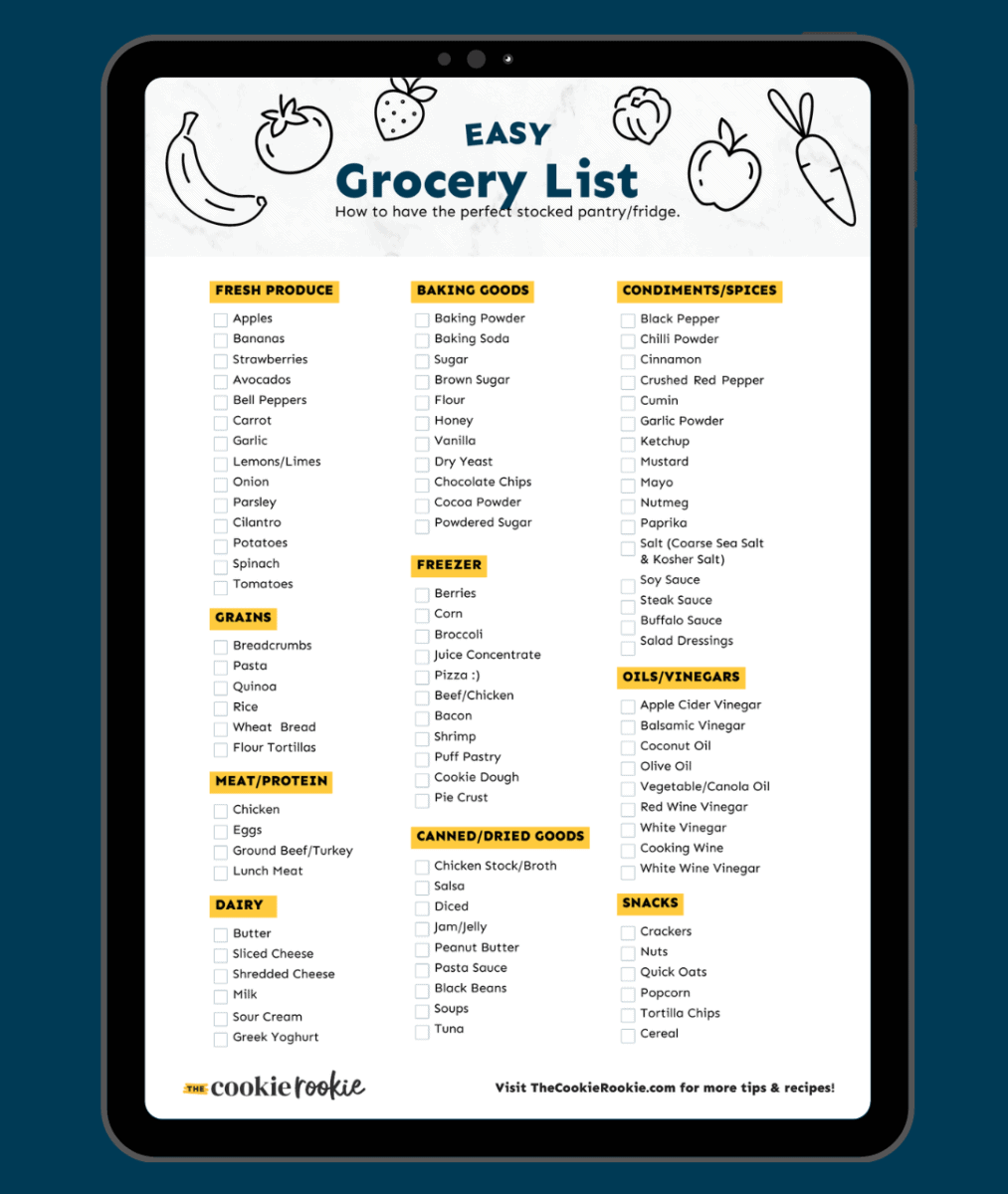
The seemingly simple question, “What’s on my shopping list?”, belies a complex and deeply personal financial strategy. For many, a shopping list is a mere precursor to a grocery run or a quick trip to the hardware store. However, when viewed through the lens of personal finance, that list transforms into a powerful tool – a tangible representation of our financial goals, our spending habits, and our potential for growth. This article will delve into how to construct and leverage a “shopping list” not just for immediate needs, but as a strategic instrument for achieving long-term financial well-being. We will explore how to meticulously plan purchases, understand the psychological underpinnings of our spending, and ultimately, how to make our shopping lists work for us, rather than against us.

The Art of Strategic Acquisition: Beyond the Impulse Buy
A well-crafted shopping list is the antithesis of the impulse purchase. It’s about intentionality, about aligning our acquisitions with our financial objectives. This isn’t just about saving money; it’s about maximizing the value derived from every dollar spent.
Defining Your Financial Priorities: What Truly Matters?
Before a single item can be added to a strategic shopping list, a clear understanding of one’s financial priorities is paramount. This involves an honest assessment of your current financial situation, your short-term needs, and your long-term aspirations.
Needs vs. Wants: A Foundational Distinction
The most fundamental step in strategic acquisition is differentiating between needs and wants. Needs are essential for survival and well-being – food, shelter, essential utilities, basic clothing, and necessary healthcare. Wants, on the other hand, are desires that enhance comfort or enjoyment but are not strictly necessary. While acknowledging the role of wants in a fulfilling life, a strategic approach prioritizes needs, especially when financial resources are constrained. This distinction informs every item considered for inclusion on your shopping list, forcing a pause and a question: “Is this truly essential for my current financial health and future goals?”
Setting SMART Financial Goals
To imbue your shopping list with true strategic power, it must be tethered to specific, measurable, achievable, relevant, and time-bound (SMART) financial goals. Whether it’s saving for a down payment on a home, paying off debt, building an emergency fund, or investing for retirement, these goals provide the framework for your purchasing decisions. For instance, if your goal is to save $10,000 for a down payment in two years, your shopping list will be curated to minimize non-essential spending that detracts from this objective. This might mean foregoing a new gadget or dining out less frequently, consciously redirecting those funds towards your goal.
The Role of Budgeting in List Creation
A budget is the blueprint upon which your strategic shopping list is built. It allocates specific amounts of money to different spending categories. Your shopping list should then be a reflection of what fits within these allocated budgets. If your budget for discretionary spending is $200 for the month, your shopping list for entertainment and non-essential items must adhere strictly to that limit. This prevents overspending and ensures that your purchasing decisions are grounded in reality, not wishful thinking. Regularly reviewing your budget in conjunction with your shopping list allows for adjustments and keeps you on track towards your financial targets.
Deconstructing the Psychological Landscape of Spending
Understanding why we buy what we buy is as crucial as understanding what we are buying. The psychological drivers behind our spending decisions can often derail even the most meticulously planned financial strategies.
The Neuroscience of Desire: Why We Crave
Our brains are hardwired for reward. The anticipation of a purchase, the act of acquiring something new, and the subsequent positive feeling can trigger dopamine releases, creating a cycle of desire. This is particularly true for items that offer immediate gratification or social signaling. Recognizing these innate psychological tendencies is the first step in mitigating their impact on our financial decisions.
Emotional Spending and its Pitfalls
Many purchases are driven by emotions rather than logic. Stress, boredom, loneliness, or even happiness can lead to impulse buys. We might shop to self-soothe, to celebrate, or to fill a perceived void. This emotional spending can be a significant drain on finances, as these purchases often lack long-term value and can lead to regret. Identifying your emotional triggers for spending is key to developing healthier purchasing habits. When you feel the urge to buy something out of emotion, pause and ask yourself if this purchase will genuinely improve your situation or if it’s a temporary fix.
The Social Contagion of Consumption
We are social creatures, and our purchasing decisions are often influenced by those around us. Advertising, social media, and the visible consumption of peers can create a sense of urgency or inadequacy, prompting us to buy things we might not otherwise consider. This “fear of missing out” (FOMO) can be a powerful motivator for unnecessary spending. A strategic shopping list, informed by your personal goals, acts as a bulwark against this social contagion. It reminds you of your unique financial journey and helps you resist the pressure to conform to external consumption trends.
Behavioral Economics: Nudges and Biases
Behavioral economics offers insights into how subtle psychological cues and cognitive biases influence our financial choices. Understanding these can help you make more rational decisions.
Anchoring Bias and Price Perception
The anchoring bias is the tendency to rely too heavily on the first piece of information offered (the “anchor”) when making decisions. In shopping, this often manifests as being swayed by the initial price displayed, even if it’s inflated, making a subsequent discount seem more appealing. A strategic shopper will research fair market values and understand true value beyond the advertised price, ensuring they are not falling prey to manipulative pricing tactics.
Loss Aversion and the Fear of Missing a Deal
Loss aversion describes our tendency to prefer avoiding losses to acquiring equivalent gains. This can make us feel compelled to buy something simply because it’s on sale, fearing we’ll “miss out” on the savings. However, if the item wasn’t needed in the first place, the “savings” are illusory, and the purchase represents a loss of money that could have been allocated elsewhere. Your shopping list helps counteract this by ensuring you only consider purchases that were already on your radar and aligned with your needs.
Optimizing Your Shopping List for Maximum Financial Impact
A shopping list is not static; it’s a dynamic tool that should be regularly reviewed and optimized to ensure it’s serving your financial goals effectively.
The Power of Planning and Research
Proactive planning and thorough research are the cornerstones of an optimized shopping list. This goes beyond simply jotting down items; it involves a strategic approach to acquisition.
Pre-Purchase Due Diligence: Reviews, Comparisons, and Alternatives
Before committing to any significant purchase, a diligent shopper will conduct thorough research. This includes reading independent reviews, comparing prices across different retailers, and exploring alternative options. For larger purchases like electronics or appliances, understanding product longevity, warranty terms, and potential repair costs is also essential. This due diligence ensures you are not only getting the best price but also the best value for your money.
The Value of Waiting: Deferred Gratification
The ability to defer gratification is a hallmark of financial discipline. Instead of buying something immediately, consider adding it to a “wish list” or a “later” category on your shopping list. This pause allows you to reassess its true necessity and to save up for it, potentially avoiding interest payments on credit cards. The act of waiting can also reveal that the initial desire has faded, saving you money and decluttering your life.
Leveraging Technology and Tools for Smarter Shopping
In the digital age, a wealth of tools and technologies can assist in creating and managing smarter shopping lists.
Digital List Management and Budgeting Apps
Numerous apps are designed to help you create, organize, and track your shopping lists. Many of these integrate with budgeting tools, allowing you to see in real-time how your planned purchases align with your financial allocations. Features like price tracking, coupon aggregation, and shared list capabilities can further enhance your efficiency and savings. By centralizing your financial planning and shopping, you gain a clearer overview and maintain better control.
Loyalty Programs, Cashback, and Discount Strategies
Maximizing the return on your spending can be achieved through strategic use of loyalty programs, cashback offers, and discount codes. Understanding how these programs work and which ones are most beneficial for your regular purchases can lead to significant savings over time. However, it’s crucial to ensure these incentives don’t lead to unnecessary purchases; always revisit your core needs and financial goals before redeeming a coupon or loyalty reward.
The Evolving Shopping List: Adapting to Life’s Changes
Your financial life is not static, and neither should your shopping list strategy be. As your circumstances evolve, so too should your approach to planning and making purchases.
Seasonal Adjustments and Anticipatory Purchases
Certain purchases are best made during specific seasons or promotional periods. For example, buying winter clothing in spring or summer can yield substantial discounts. Anticipatory purchasing, when done strategically and within budget, can be a powerful way to save money on items you will eventually need. This requires foresight and a disciplined approach to avoid impulse buys during these opportune times.

The Role of a “Future Me” Shopping List
Beyond immediate needs, a “future me” shopping list can be a vital component of long-term financial planning. This list comprises items that will support your future self – investments in education, retirement savings, or even tools that will enhance your future earning potential. This forward-thinking approach shifts the focus from immediate gratification to the creation of long-term wealth and well-being, ensuring that your present spending aligns with your vision for the future. Ultimately, what’s on your shopping list is a reflection of your financial present and a blueprint for your financial future. By approaching it with strategy, awareness, and a commitment to your goals, you can transform a simple list into a powerful engine for financial success.
aViewFromTheCave is a participant in the Amazon Services LLC Associates Program, an affiliate advertising program designed to provide a means for sites to earn advertising fees by advertising and linking to Amazon.com. Amazon, the Amazon logo, AmazonSupply, and the AmazonSupply logo are trademarks of Amazon.com, Inc. or its affiliates. As an Amazon Associate we earn affiliate commissions from qualifying purchases.