
The modern electoral process in New York City has undergone a profound digital transformation. No longer are voters reliant solely on physical mailers or neighborhood posters to understand their choices. Today, the question of “what’s on my ballot” is answered through a sophisticated ecosystem of software, data APIs, and civic-tech platforms designed to bring transparency to the most complex municipal voting system in the United States. From the official Board of Elections portals to third-party open-source tools, the technology facilitating NYC’s ballot awareness is a masterclass in high-traffic web architecture and user-centric design.
Navigating the Software Ecosystem of NYC Elections
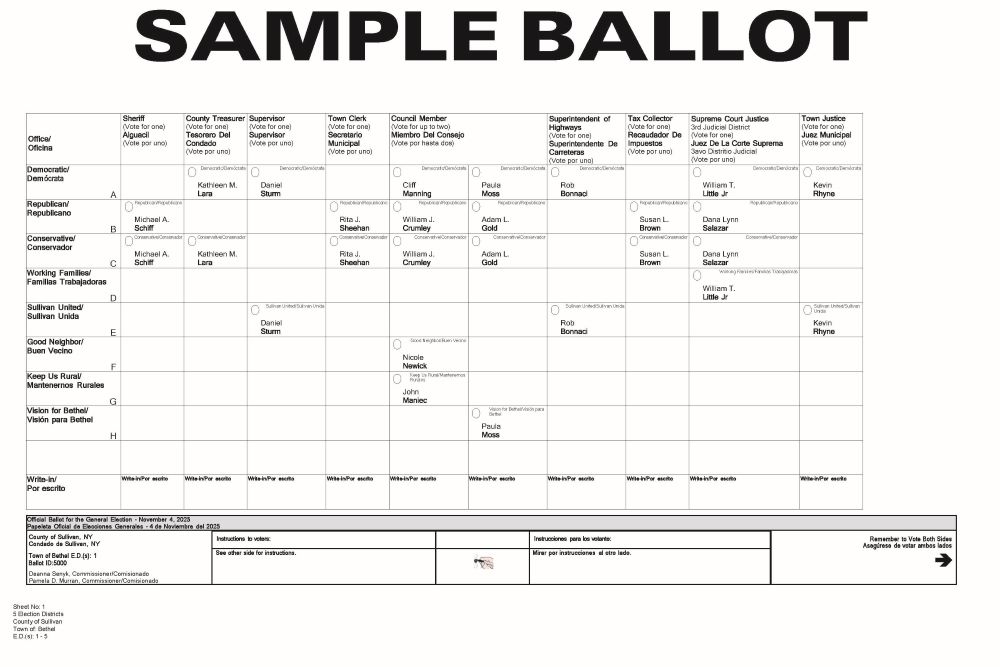
At the core of the digital voter experience in New York City is a multi-layered software stack that translates legislative data into user-friendly interfaces. The primary entry point for most residents is the NYC Board of Elections (BOE) Poll Site Locator and Sample Ballot tool. This web application utilizes geographic information systems (GIS) to map a user’s registered address to specific political boundaries, including Assembly Districts, State Senate Districts, and City Council Districts.
Geospatial Mapping and Address Validation APIs
The accuracy of a “what’s on my ballot” query depends entirely on the precision of GIS data. NYC’s infrastructure leverages the City’s Geosupport System, a robust geocoding software suite that provides detailed information about locations within the five boroughs. When a user inputs their address, the application calls an API that validates the location against the city’s tax lots and administrative boundaries. This ensures that the software displays the correct local candidates, rather than a generic city-wide list. For developers in the civic tech space, integrating these APIs is the first step in building any tool that assists voters in navigating the localized nature of NYC politics.
The Rise of Third-Party Civic Tech Platforms
While official government portals serve as the authoritative source, third-party platforms like BallotReady and Vote411 have revolutionized the user experience through advanced data aggregation. These platforms use automated web scraping and direct API integrations with election boards to compile comprehensive candidate profiles. Unlike the basic lists provided by official sites, these apps incorporate multimedia elements, social media feeds, and historical voting records. The challenge for these developers lies in “data normalization”—taking unstructured information from hundreds of local election offices and converting it into a standardized schema that can be easily navigated on a smartphone.
The Role of AI and Natural Language Processing in Voter Education
One of the most significant hurdles for NYC voters is the dense, often impenetrable language used in ballot measures and city charter revisions. Technology is now bridging this gap through Natural Language Processing (NLP) and Artificial Intelligence. In recent election cycles, AI tools have been deployed to “translate” legal jargon into plain language, making the “what’s on my ballot” experience more accessible to a broader demographic.
Summarization Engines and Semantic Search
Modern civic apps are increasingly integrating Large Language Models (LLMs) to provide instant summaries of complex propositions. For instance, if a ballot includes a multi-paragraph amendment regarding municipal bond issuance, an AI-powered tool can distill the core impact into three bullet points. This is not merely a convenience; it is a critical piece of accessibility software. By using semantic search, these tools allow voters to ask questions like “How does this ballot affect local parks?” and receive a filtered view of relevant candidates and measures based on keywords and policy stances identified by AI analysis.
Algorithmic Verification and Fact-Checking
As the digital footprint of candidates grows, AI is also being utilized for real-time fact-checking and consistency analysis. Sophisticated software can cross-reference a candidate’s current ballot platform against their previous legislative votes or public statements. For the tech-savvy NYC voter, this creates a layer of “algorithmic accountability.” Developers are building browser extensions and mobile widgets that overlay this data directly onto sample ballots, providing a high-tech “cheat sheet” that goes far beyond the names on the screen.

Cybersecurity and Data Integrity in Digital Ballot Tools
As more New Yorkers turn to digital tools to research their ballots, the security of the underlying data becomes paramount. The “What’s on My Ballot” query is a high-value target for misinformation campaigns and DDoS (Distributed Denial of Service) attacks. Ensuring that the information presented to a voter is authentic requires a robust cybersecurity framework that protects both the government servers and the third-party apps that relay the data.
End-to-End Encryption and API Security
Official NYC election tools utilize Transport Layer Security (TLS) to encrypt the data transmitted between the voter’s device and the server. This prevents “man-in-the-middle” attacks where a malicious actor could intercept the request and alter the list of candidates shown to the user. Furthermore, the APIs that feed ballot data to third-party apps are often protected by strict rate-limiting and authentication protocols. This prevents automated bots from scraping the data at a rate that could crash the system, ensuring that the service remains available during the high-traffic hours of Election Day.
The Potential for Blockchain in Ballot Verification
While still in the experimental phase for municipal elections, blockchain technology offers a compelling vision for the future of ballot transparency. By hosting sample ballots and candidate information on a decentralized ledger, the city could provide an immutable “source of truth.” This would make it virtually impossible for any centralized entity or external hacker to modify the details of a ballot measure without detection. In a tech-forward city like NYC, the transition from centralized databases to distributed ledgers represents the next frontier in digital security for civic engagement software.
UI/UX Design Challenges for a Diverse Electorate
The efficacy of “what’s on my ballot” technology is ultimately measured by its usability. New York City is home to a digitally diverse population, with varying levels of tech literacy and access to hardware. Designing software that serves 8 million people requires a “mobile-first” and “accessibility-first” approach.
Responsive Design and Progressive Web Apps (PWAs)
Given that a large percentage of New Yorkers access ballot information on the go—often while standing in line at a polling place—the responsiveness of these web tools is critical. Many developers are opting for Progressive Web Apps (PWAs) which provide an app-like experience within a mobile browser. These PWAs are lightweight, can work in low-bandwidth environments, and do not require the user to download a heavy file from an app store. This technical choice is essential for reaching voters in areas with spotty cellular coverage or those using older smartphone models.
Accessibility and Multilingual Support Software
NYC’s ballot tools must adhere to strict ADA (Americans with Disabilities Act) compliance and Section 508 standards. This involves complex front-end engineering, including screen reader optimization, high-contrast UI modes, and keyboard-only navigation. Furthermore, the software must be architected for “i18n” (internationalization). In a city where dozens of languages are spoken, the code must support dynamic localized strings that allow the entire ballot experience—from candidate bios to technical instructions—to be toggled between English, Spanish, Chinese, Bengali, and more at the click of a button.

The Future of Civic Tech: Toward a Fully Digital Ballot Experience
As we look toward the next decade of New York City elections, the technology surrounding “what’s on my ballot” will continue to evolve from a research tool into a comprehensive digital identity and voting interface. The convergence of secure digital IDs, AI-driven policy analysis, and hyper-local GIS data is creating a “Smart Democracy” infrastructure.
The integration of these technologies aims to reduce the “information cost” of voting. By leveraging advanced software architecture and data science, the city can ensure that every New Yorker, regardless of their technical background, can enter the voting booth with a clear, digitally-verified understanding of the choices before them. As the tech stack matures, the focus will shift from simply providing information to fostering a more interactive and resilient democratic process, powered by the same innovations that drive the global tech capital of New York City.
aViewFromTheCave is a participant in the Amazon Services LLC Associates Program, an affiliate advertising program designed to provide a means for sites to earn advertising fees by advertising and linking to Amazon.com. Amazon, the Amazon logo, AmazonSupply, and the AmazonSupply logo are trademarks of Amazon.com, Inc. or its affiliates. As an Amazon Associate we earn affiliate commissions from qualifying purchases.