
In the highly competitive landscape of the global cosmetics industry, product nomenclature is rarely accidental. Every term used on a label, from “volumizing” to “smudge-proof,” is a calculated move in brand strategy designed to capture a specific market segment. When we ask “what is washable mascara,” we are not merely looking for a chemical definition of water-based pigments; we are examining a masterclass in product positioning. Washable mascara represents a vital pillar in a brand’s portfolio, serving as the “everyday” solution that balances performance with consumer convenience.
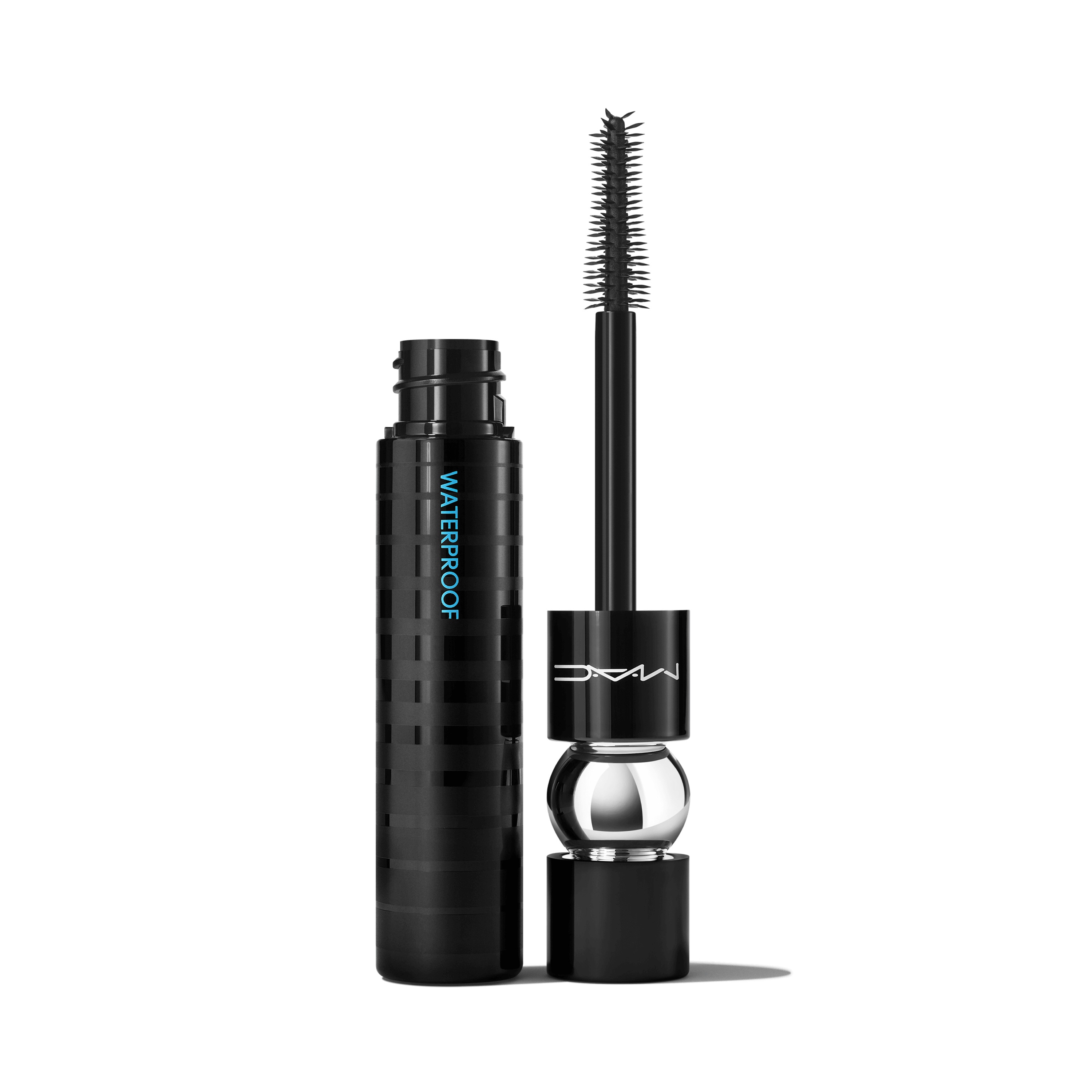
For brand managers and corporate strategists, washable mascara is the entry point into the daily ritual of the consumer. It is defined by its ease of removal and its water-soluble formulation, but its strategic value lies in how it builds long-term brand loyalty through low-friction user experiences. By understanding the nuances of this category, brands can effectively navigate the tension between high-performance longevity and the growing consumer demand for “clean” and “breathable” beauty solutions.
Defining the Category: The Brand Promise of Washable Mascara
From a brand strategy perspective, washable mascara is defined by its core value proposition: accessibility. Unlike its waterproof counterparts, which are engineered with volatile solvents and film-formers like isododecane to resist moisture, washable mascara is built on a foundation of water and soft waxes. This technical distinction allows brands to market the product under the banner of “eye health” and “effortless beauty.”
The Value Proposition of User Convenience
The primary brand promise of a washable formula is the reduction of “user friction.” In branding, friction refers to any part of the customer journey—including the post-purchase usage phase—that causes frustration or difficulty. Waterproof formulas, while durable, require specialized oil-based removers and significant physical effort to cleanse. This can lead to lash breakage and irritation.
Washable mascara eliminates this friction. By positioning a product as “washable,” a brand communicates that the product fits seamlessly into a busy, modern lifestyle. It is the product for the professional who wants a polished look for a ten-hour workday but requires a thirty-second removal process before bed. This convenience is a powerful marketing tool, allowing brands to capture the “routine-oriented” consumer who values time-efficiency as much as aesthetic results.
Market Positioning and the “Everyday” Identity
A brand’s corporate identity is often reflected in how it categorizes its mascara lineup. Washable formulas are typically positioned as the “hero” product for daily wear. This allows the brand to establish a consistent touchpoint with the consumer every morning. When a brand successfully integrates its washable mascara into a customer’s daily routine, it increases the “customer lifetime value” (CLV).
The “everyday” identity also allows for broader demographic appeal. While specialized formulas might target niche audiences—such as athletes or brides—washable mascara is a universal staple. It is the “white t-shirt” of the makeup bag. Brands that master this category position themselves as reliable, foundational, and indispensable.
Strategic Differentiation: The Washable vs. Waterproof Dichotomy
One of the most effective strategies in the beauty industry is the creation of binary choices. By offering both “washable” and “waterproof” versions of the same flagship product, brands engage in a strategy known as “versioning.” This allows them to capture two different sets of consumer needs without developing two entirely different brand identities.
Psychological Triggers in Consumer Choice
The branding of washable mascara often leans into the psychology of “gentleness.” Marketing collateral for these products frequently uses soft imagery, pastel color palettes, and language that emphasizes nourishment and lash care. This creates a psychological contrast with waterproof formulas, which are often branded with bold, aggressive imagery emphasizing “extreme” endurance.
This differentiation is crucial for brand architecture. It allows a single brand to occupy two different emotional spaces in the consumer’s mind. The washable version appeals to the consumer’s desire for self-care and comfort, while the waterproof version appeals to their need for resilience and reliability. By covering both bases, the brand prevents the consumer from switching to a competitor when their situational needs change.
Expanding Market Share Through Portfolio Diversification
From a business finance and strategy standpoint, maintaining a robust washable mascara line is essential for market share retention. Data shows that the majority of mascara sales globally fall into the washable category. This is due to the rising awareness of ocular health and the “clean beauty” movement.
Brands that fail to innovate within the washable space risk losing the “conscious consumer.” Modern brand strategy now involves infusing washable formulas with skincare benefits—such as pro-vitamin B5, hyaluronic acid, or peptides—further differentiating them from the more “industrial” feel of waterproof options. This “skinification” of makeup is a strategic move to justify premium pricing and reinforce the brand’s identity as a wellness-forward entity.

Branding Chemistry: Ingredient Transparency and Corporate Identity
In the current market, a product is no longer just what it does; it is what it is made of. The definition of washable mascara has shifted from “easy to remove” to “safe and transparent.” Brands are now using the chemical composition of washable formulas to signal their corporate values.
The Rise of the “Clean Beauty” Brand
Washable mascaras are the natural vehicle for “clean” branding. Because they do not require the harsh solvents needed for waterproof longevity, brands can more easily exclude controversial ingredients like parabens, silicones, and PFAS (per- and polyfluoroalkyl substances).
For a brand, this is a strategic play for trust. By highlighting the water-based nature of the product, brands align themselves with the transparency movement. Corporate identity is increasingly tied to ESG (Environmental, Social, and Governance) goals, and a washable mascara that uses ethically sourced waxes and biodegradable pigments becomes a tangible representation of those goals.
Regulatory Compliance and Brand Trust
As regulations around cosmetic ingredients tighten in regions like the EU and North America, the washable category offers a safer harbor for brands. Formulating a high-performing waterproof mascara without restricted chemicals is a significant R&D challenge. Washable formulas, by contrast, offer more flexibility.
A brand that can produce a “tubing mascara”—a specific type of washable formula that uses polymers to create individual sleeves around each lash—demonstrates technical innovation. Tubing mascara is a strategic triumph; it offers the smudge-resistance of a waterproof product with the effortless removal of a washable one. Branding this technology as a “hybrid” solution allows companies to charge a premium, positioning themselves as leaders in beauty-tech and material science.
Digital Marketing and the Social Media Influence on Product Perception
The way washable mascara is marketed has been revolutionized by digital platforms. Brand strategy now involves a heavy reliance on “social proof” and “user-generated content” (UGC).
Influencer Partnerships and the “Low-Maintenance” Aesthetic
The “Clean Girl” and “No-Makeup Makeup” aesthetics that have dominated social media platforms like TikTok and Instagram are perfectly aligned with the washable mascara value proposition. Brands strategically partner with influencers to showcase the “easy off” process. A viral video showing a mascara being removed with just warm water is more effective than any traditional television advertisement.
This type of content reinforces the brand’s identity as “honest” and “high-utility.” It moves the conversation away from high-glamour, unattainable standards toward a more grounded, relatable brand persona.
Data-Driven Product Development
Digital engagement provides brands with a wealth of data on what “washable” means to the modern consumer. Through sentiment analysis and social listening, brands have discovered that “washable” is often associated with “volume” and “length” rather than just “removal.”
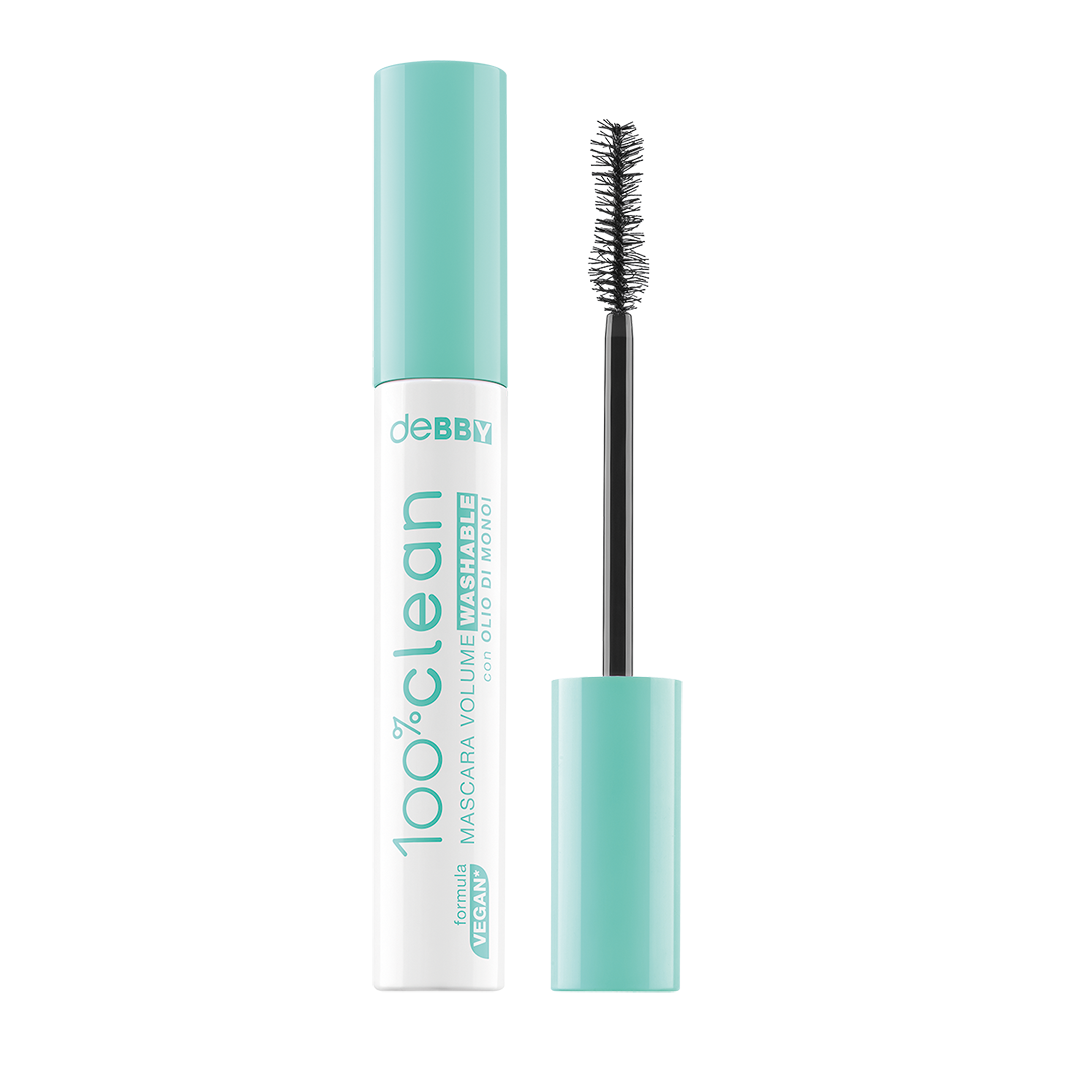
Consequently, the marketing of these products has pivoted. Brands now emphasize that you don’t have to sacrifice performance for convenience. This has led to the development of “high-impact” washable formulas, a strategic response to data showing that consumers were dissatisfied with the “natural” look of older washable generations.
Future Outlook: The Evolution of Washable Branding
As we look toward the future of the beauty industry, the category of washable mascara will likely undergo further strategic refinement. We are seeing a move toward “circular beauty,” where the focus is not just on the formula, but on the packaging and the entire lifecycle of the product.
Brands are beginning to explore refillable washable mascara systems and biodegradable applicators. The “washable” aspect will eventually extend to the environmental footprint—the idea that the product “washes away” without leaving a permanent mark on the planet.
In conclusion, “what is washable mascara” is a question with a multi-layered answer. To the chemist, it is a water-soluble suspension of pigments and waxes. To the consumer, it is a convenient, gentle daily tool. But to the brand strategist, it is a critical instrument of market segmentation, a vehicle for corporate values, and a foundational element of brand equity. By focusing on the strategic benefits of the washable category—convenience, health, and transparency—brands can build a resilient identity that resonates with the values of the modern, discerning consumer. This is not just a product; it is a strategic asset in the ever-evolving beauty market.
aViewFromTheCave is a participant in the Amazon Services LLC Associates Program, an affiliate advertising program designed to provide a means for sites to earn advertising fees by advertising and linking to Amazon.com. Amazon, the Amazon logo, AmazonSupply, and the AmazonSupply logo are trademarks of Amazon.com, Inc. or its affiliates. As an Amazon Associate we earn affiliate commissions from qualifying purchases.