
In the intricate world of personal finance and banking, certain identifiers serve as critical lynchpins, enabling the smooth and secure flow of money. Among these, the routing number stands out as a fundamental piece of information, often overlooked until it’s specifically required for a transaction. Far from a mere string of digits, a routing number is an essential component of the financial ecosystem, acting as a digital address for your bank within the vast network of financial institutions. Understanding what it is, why it’s crucial, and how to locate it is not just about convenience; it’s about empowering yourself with financial literacy and ensuring the efficiency and security of your monetary transactions. This comprehensive guide will demystify the routing number, exploring its indispensable role in modern finance and equipping you with the knowledge to navigate its nuances confidently.
The Cornerstone of Secure Financial Transactions
At its core, a routing number is a nine-digit code used to identify financial institutions in the United States. Also known as an ABA (American Bankers Association) routing transit number (RTN), it was originally developed in 1910 by the ABA to facilitate the sorting and delivery of paper checks. While the financial landscape has drastically evolved since then, the routing number’s purpose remains unchanged: to direct funds to the correct bank or credit union.
Defining the Routing Number: A Unique Identifier
Every bank account in the U.S. is tied to a specific financial institution, and that institution is identified by its unique routing number. Think of it as a zip code for your bank. When you initiate a transaction, whether it’s setting up a direct deposit or paying a bill online, the routing number ensures that the funds are routed to the correct bank, credit union, or other financial services provider. Without this identifier, money transfers would be chaotic, leading to delays, errors, and potential financial losses. It’s a testament to a standardized system designed for efficiency and reliability in an ever-complex financial world.
The Role of Routing Numbers in the Banking System
The primary role of routing numbers is to enable interbank transactions. When money moves from one bank to another, the routing number acts as the first point of identification for the destination bank. This is particularly vital for electronic funds transfers (EFTs), which form the backbone of modern financial activity. From government benefits to payroll, nearly every automated transaction relies on this unassuming nine-digit code to ensure funds arrive where they are supposed to. It streamlines operations, reduces manual errors, and underpins the trust we place in our financial institutions to handle our money with precision.
Distinguishing Routing Numbers from Account Numbers
A common point of confusion for many is the difference between a routing number and an account number. While both are critical for financial transactions, they serve distinct purposes. The routing number identifies your bank or credit union, specifying which institution receives or sends the funds. In contrast, your account number is a unique identifier for your specific account within that financial institution. Once funds arrive at the correct bank (identified by the routing number), the account number then directs those funds to your individual checking, savings, or other specific account. Together, they form a complete address for your money, ensuring both bank and account specificity in every transaction. Understanding this distinction is fundamental to correctly completing financial forms and avoiding costly mistakes.
Why Your Routing Number is Indispensable
The utility of your routing number extends far beyond its basic definition, touching almost every aspect of your personal financial management. From receiving your salary to paying your mortgage, this nine-digit code is silently working in the background, making countless transactions possible.
Facilitating Automated Clearing House (ACH) Transfers
One of the most frequent uses of a routing number is for Automated Clearing House (ACH) transfers. The ACH network is a highly reliable electronic network used for batch-processed, high-volume, low-value transactions. This includes direct deposits for salaries, government benefits (like Social Security), and tax refunds. It also covers automatic bill payments, where you authorize companies to pull funds directly from your account for utilities, loan payments, or subscriptions. For these transactions to occur seamlessly, your routing number is paramount, ensuring that the ACH operator sends your funds to the correct bank for processing. Its efficiency makes it a cornerstone of modern financial convenience.
Enabling Wire Transfers: Speed and Security
While ACH transfers are for routine, often recurring payments, wire transfers are typically used for high-value, time-sensitive transactions. Unlike ACH, wire transfers are often processed individually and can be completed within hours, sometimes even minutes, making them ideal for closing real estate deals, sending large sums internationally, or urgent business payments. For domestic wire transfers, your routing number is essential, guiding the funds through the Federal Reserve’s real-time gross settlement system (Fedwire). Though typically more expensive than ACH, the speed and irrevocable nature of wire transfers make them a critical tool, and the routing number ensures this speed and security are precisely directed.
Essential for Bill Payments and Direct Deposits
Beyond broad categories, the routing number is a daily necessity for countless personal finance tasks. Setting up direct deposit with your employer, which streamlines payroll and ensures you get paid on time, requires your routing and account numbers. Similarly, when you enroll in automatic bill payment services with utility providers, insurance companies, or lenders, you’ll need to provide your routing number. This allows these entities to electronically draw funds from your account, helping you avoid late fees and manage your budget more effectively. It simplifies financial life, converting manual tasks into automated conveniences.
Other Key Uses: Tax Refunds and Investment Contributions
The importance of the routing number stretches to other critical financial areas. When filing your taxes, providing your routing number allows the IRS to directly deposit any tax refund you may be owed, avoiding delays associated with paper checks. For those building wealth, making contributions to investment accounts (like IRAs or brokerage accounts) often involves linking your bank account using your routing number for electronic fund transfers. Even setting up a new savings account or transferring funds between your own accounts at different institutions will likely require this ubiquitous identifier. Its pervasive utility underscores its foundational role in almost every interaction with the financial system.
Navigating the Search: How to Locate Your Routing Number
Given its extensive use, knowing how to quickly and accurately find your routing number is a fundamental aspect of financial literacy. Fortunately, banks and credit unions make this information readily accessible through several common channels.
Checking Your Checks: The Most Common Method
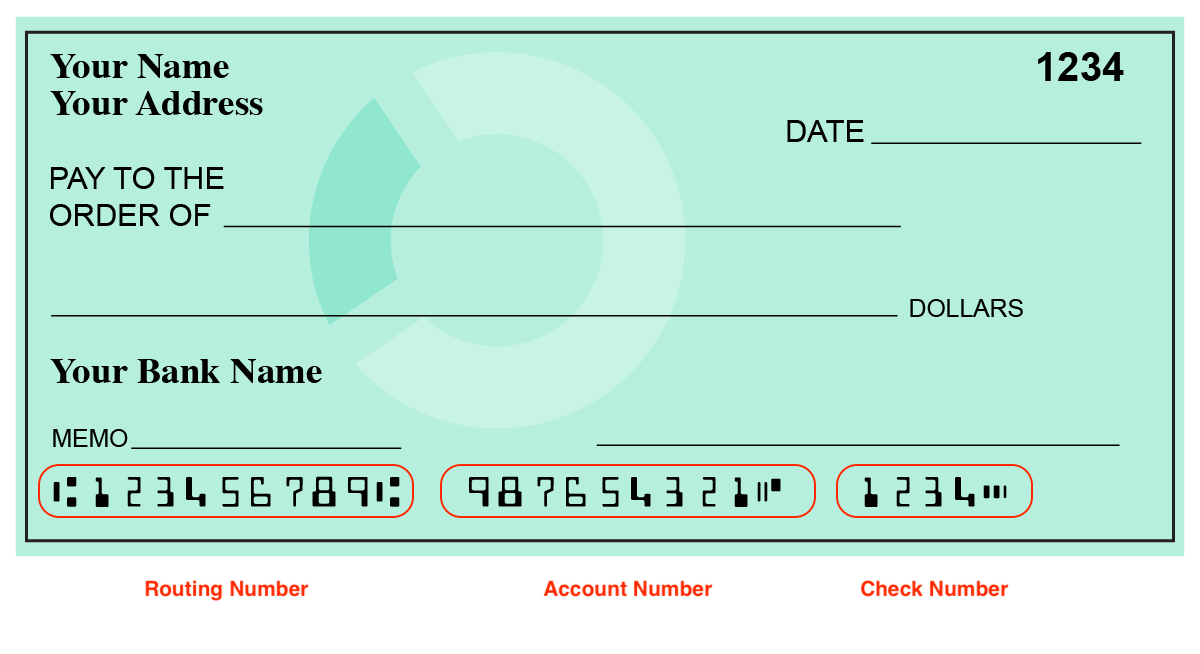
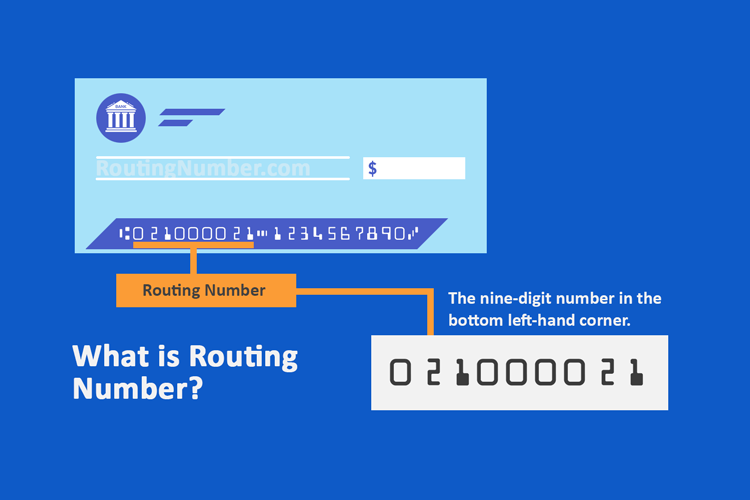
For many, the most straightforward way to find their routing number is by looking at a physical check. On a standard check, you’ll typically find three sets of numbers printed at the bottom. From left to right, these are usually:
- The nine-digit routing number.
- Your individual account number.
- The check number.
Always double-check that the number you identify is indeed nine digits long and is the first set of numbers. This method is quick, easy, and readily available for anyone with a checkbook.

Online Banking Portals: Digital Convenience
In our increasingly digital world, online banking has become the go-to method for managing finances. Most banks and credit unions prominently display your routing number within your online banking portal or mobile app. After logging in, navigate to your account details, account summary, or a section often labeled “Direct Deposit Information” or “Account & Routing Numbers.” You might need to select a specific account (e.g., checking or savings) as some institutions have different routing numbers for different account types or transaction purposes. This digital access offers unparalleled convenience, allowing you to find the information anytime, anywhere.
Contacting Your Bank Directly: Personal Assistance
If you’re unable to find your routing number through checks or online banking, or if you prefer direct verification, contacting your bank’s customer service is a reliable option. You can call their customer service hotline, visit a local branch, or use their secure messaging service if available. When contacting them, be prepared to verify your identity, as this is sensitive financial information. A bank representative will be able to provide you with the correct routing number for your specific account and transaction needs. This method offers the benefit of human assistance and clarification for any specific questions you might have.
Bank Statements and Official Documents
Another reliable source for your routing number is your bank statement. Whether you receive paper statements in the mail or access e-statements online, the routing number is typically listed near your account information, often at the top or bottom of the statement. Similarly, any official documentation provided by your bank when you opened your account, such as welcome packets or account agreements, will usually contain this information. Keeping these documents organized or easily accessible digitally can save you time when you need to retrieve your routing number.
Understanding Variations and Special Cases
While the concept of a single routing number for a bank is generally true, the financial world can be more nuanced. There are instances where an institution might use different routing numbers, or where global transactions require an entirely different set of identifiers.
Different Routing Numbers for Different Transaction Types
It’s a common misconception that a bank only has one routing number. In reality, larger banks, particularly those operating across multiple states or offering a wide range of services, may have different routing numbers for different purposes. For example, a bank might use one routing number for ACH transfers and direct deposits, and a separate one for wire transfers. This distinction is usually made to optimize processing and ensure security for different types of transactions. Always verify the specific routing number required for the transaction you are initiating, especially for wire transfers, to avoid delays or misrouted funds. Your bank’s website or customer service can clarify these nuances.
The Impact of Mergers and Acquisitions on Routing Numbers
The banking industry is dynamic, with mergers and acquisitions occurring regularly. When banks merge, their routing numbers can sometimes change or be consolidated. If your bank has recently undergone a merger or acquisition, it’s crucial to verify your current routing number. While the old routing numbers might remain valid for a transitional period, eventually they will be phased out. Your bank will typically notify customers well in advance of any changes, so pay close attention to communications regarding account updates. Failing to use the correct routing number after a merger can lead to transaction rejections or delays.
International Transfers and SWIFT Codes: A Global Perspective
It’s important to note that U.S. routing numbers are specifically for domestic transactions within the United States. For international money transfers, a different identifier known as a SWIFT (Society for Worldwide Interbank Financial Telecommunication) code or BIC (Bank Identifier Code) is used. A SWIFT code identifies banks globally and is essential for sending or receiving funds across borders. While your bank might have both a routing number and a SWIFT code, they serve distinct geographical purposes. Attempting to use a routing number for an international transfer will result in failure, highlighting the importance of using the correct identifier for the specific type of transaction. Many global payment platforms and banks will guide you through this process, but understanding the distinction is key.
Protecting Your Financial Information: Security Best Practices
Like any piece of sensitive financial information, your routing number, when combined with your account number, can potentially be exploited. While a routing number alone is generally considered low risk, as it only identifies your bank, its combination with other details necessitates a cautious approach to security.
Safeguarding Against Fraud and Misuse
While it’s difficult for someone to access your funds with just a routing number, fraudsters can attempt to combine it with other pieces of information (like your account number or personal details) to commit identity theft or unauthorized transactions. Therefore, practice good digital hygiene:
- Be wary of unsolicited requests: Never share your routing number, account number, or other personal financial details in response to unexpected emails, texts, or phone calls.
- Use secure connections: When accessing online banking, always ensure your connection is secure (look for “https://” in the URL and a padlock symbol).
- Monitor your accounts: Regularly review your bank statements and transaction history for any unauthorized activity. Promptly report any suspicious transactions to your bank.
When to Share (and Not Share) Your Routing Number
The key is to understand appropriate contexts for sharing your routing number. You will need to provide it for legitimate purposes such as:
- Setting up direct deposit with your employer.
- Enrolling in automatic bill payments with trusted service providers.
- Initiating wire transfers or ACH payments from your account.
- Receiving tax refunds or other government payments.
- Linking external accounts (e.g., brokerage accounts, peer-to-peer payment apps) to your bank account.
However, you should never provide your routing number in situations where:
- Someone claims to be from your bank and asks for it over the phone or email without you initiating the contact.
- You’re dealing with an unfamiliar or untrusted website or individual for a payment.
- You are asked for your routing number as part of a “prize” or “sweepstakes” win.
- Any request seems suspicious, too good to be true, or pressures you for immediate action.
Always verify the legitimacy of the request and the requesting party before divulging any financial information.
Common Scams and How to Avoid Them
Scammers are constantly evolving their tactics. One common scam involves asking for your routing and account numbers to “deposit funds” or “verify your identity,” only to use this information to initiate fraudulent withdrawals. Another might involve fake check scams, where you’re sent a counterfeit check and asked to deposit it and then wire a portion back, giving the scammer access to your account details and leaving you liable when the check bounces. Staying informed about current scam trends and maintaining a healthy skepticism towards unexpected financial requests are your best defenses. Your bank will never ask you for your full account number or PIN via email or unsolicited phone calls. When in doubt, always contact your bank directly using official numbers found on their website or your bank statement, not numbers provided by the suspicious caller or email.
In conclusion, the routing number is far more than just a sequence of digits; it’s a fundamental pillar of our financial infrastructure. Understanding its purpose, knowing how to locate it, and practicing vigilance in its use are essential steps towards becoming a more financially savvy and secure individual. By mastering these basics, you ensure that your money moves efficiently and safely through the modern banking system, empowering you to manage your finances with confidence and peace of mind.
aViewFromTheCave is a participant in the Amazon Services LLC Associates Program, an affiliate advertising program designed to provide a means for sites to earn advertising fees by advertising and linking to Amazon.com. Amazon, the Amazon logo, AmazonSupply, and the AmazonSupply logo are trademarks of Amazon.com, Inc. or its affiliates. As an Amazon Associate we earn affiliate commissions from qualifying purchases.