
Securing the necessary capital is often the most critical hurdle for a small business aspiring to grow, innovate, or even just get off the ground. While passion and a brilliant idea are essential, financial fuel is what truly powers the engine of enterprise. Navigating the diverse landscape of funding options can be daunting, but with the right preparation and strategic approach, finding investors for your small business is an achievable goal. This comprehensive guide delves into the world of business finance, offering insights into preparing your venture, exploring various investor types, leveraging modern platforms, and mastering the art of the pitch – all crucial steps in unlocking the capital your business needs to thrive.
Laying the Foundation: Preparing Your Business for Investment
Before you even begin the search for investors, your business needs to be investment-ready. This involves rigorous internal work to clearly define your vision, understand your financial standing, and articulate your potential for return on investment. Without a robust foundation, even the most promising idea will struggle to attract serious financial backing.
Solidifying Your Business Plan
A well-articulated business plan is more than just a document; it’s the strategic blueprint of your venture, detailing every aspect from concept to execution. Investors are looking for clarity, viability, and a path to profitability. Your plan should clearly outline:
- Executive Summary: A concise overview of your entire plan.
- Company Description: What your business does, its mission, vision, and legal structure.
- Market Analysis: A deep dive into your target market, industry trends, customer demographics, and competitive landscape. How large is the market, and what share can you realistically capture?
- Products/Services: A detailed description of what you offer, including unique selling propositions (USPs).
- Operational Plan: How your business will function day-to-day, including location, equipment, and processes.
- Management Team: Introduce your key personnel, highlighting their experience, expertise, and how their skills contribute to the business’s success. Investors often invest in the team as much as the idea.
- Financial Projections: The cornerstone for investors, outlining your financial needs, expected revenue, costs, and profitability.
A compelling business plan demonstrates that you have thoroughly thought through your venture, mitigating perceived risks for potential investors and showing a clear roadmap for their financial contribution.
Crafting a Compelling Financial Model
Beyond the narrative of your business plan, a detailed financial model provides the quantitative evidence of your business’s potential. This is where investors scrutinize your understanding of cash flow, profitability, and return on investment. Your financial model should include:
- Startup Costs: A comprehensive list of initial expenses.
- Revenue Projections: Realistic forecasts for sales over 3-5 years, broken down by product or service. Justify these projections with market data and assumptions.
- Operating Expenses: Detailed breakdown of ongoing costs, both fixed and variable.
- Profit & Loss (P&L) Statement: Projected income and expenses, showing net profit or loss.
- Cash Flow Statement: Essential for showing how cash moves in and out of your business, indicating liquidity.
- Balance Sheet: A snapshot of your assets, liabilities, and equity at a specific point in time.
- Break-Even Analysis: Clearly identify the point at which your revenues cover your costs.
- Funding Request and Use of Funds: Precisely state how much capital you need and exactly how it will be allocated. This transparency builds investor confidence.
Accuracy, realism, and a thorough understanding of your numbers are paramount. Be prepared to defend every assumption and demonstrate how the requested investment will translate into tangible financial growth.
Understanding Your Valuation and Equity
One of the most challenging aspects for small business owners is determining their company’s valuation – what it’s worth. This valuation directly influences how much equity you’ll need to offer in exchange for investment. There are several methods for valuing a small business, including asset-based valuation, discounted cash flow (DCF), market multiple approach, or venture capital method.
- Know Your Worth: Research industry benchmarks and consult with financial advisors or valuation experts. Overvaluing your company can scare away investors, while undervaluing it can lead to unnecessary dilution of your ownership.
- Equity vs. Debt: Understand the difference between equity financing (selling ownership shares) and debt financing (taking out loans). Equity investors seek a share of future profits and ownership, while debt providers are interested in timely interest payments.
- Dilution: Be prepared for equity dilution. As you take on investors, your percentage of ownership decreases. It’s a trade-off for capital and often, strategic guidance, but understanding the implications is crucial for long-term control and wealth generation.
A clear understanding of your business’s financial standing and a realistic approach to valuation will enable you to engage in constructive negotiations with potential investors.
Exploring Traditional and Modern Funding Avenues
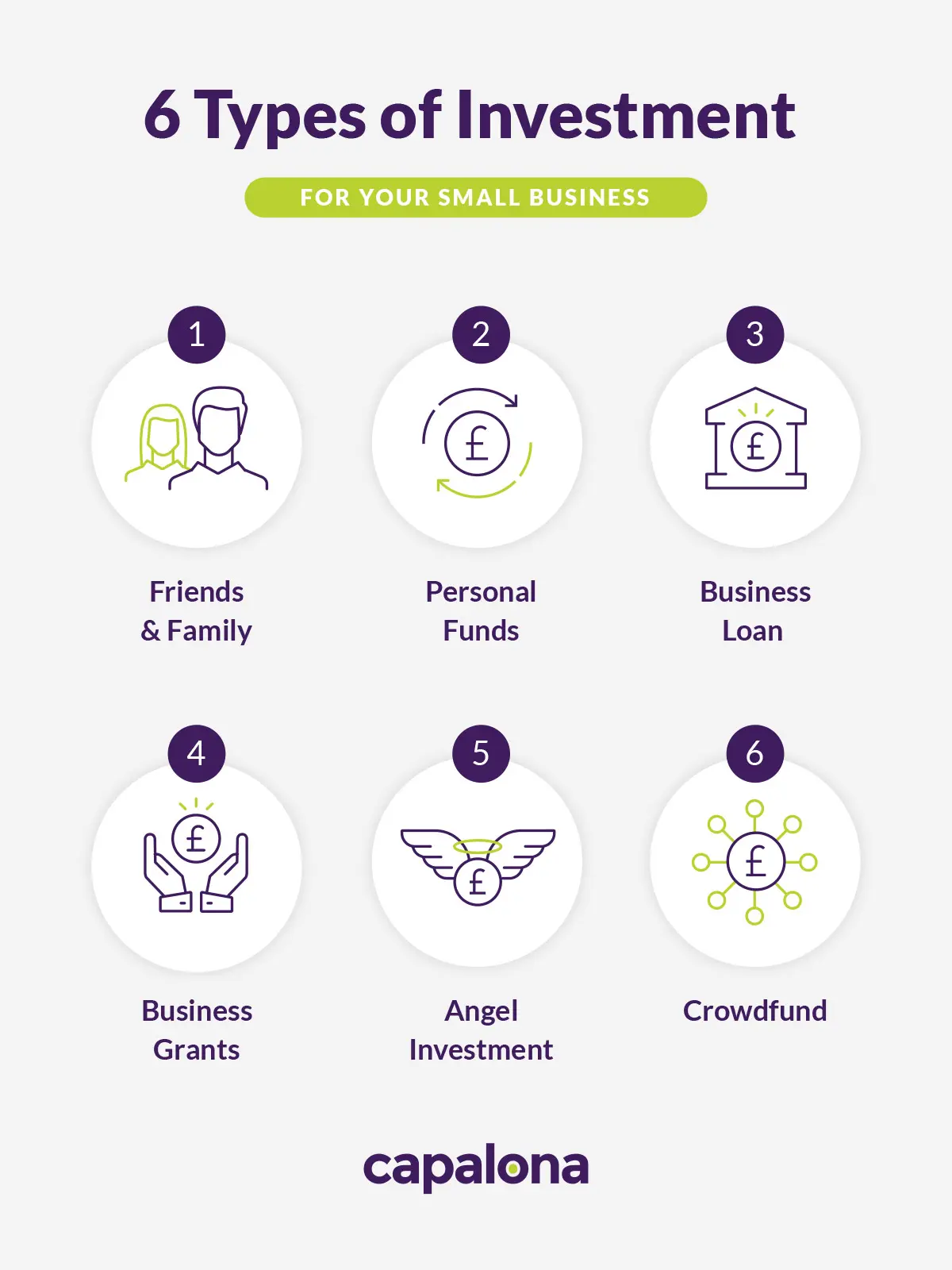
With your business meticulously prepared, the next step is to identify and approach the right types of investors. The funding landscape is broad, encompassing everything from individual wealth to institutional capital, and even community-driven initiatives.
Angel Investors: The Early-Stage Backers
Angel investors are affluent individuals who provide capital for a business startup, usually in exchange for convertible debt or ownership equity. They often invest their own money, are typically former entrepreneurs or executives, and may bring valuable industry experience and mentorship alongside their capital.
- Who they are: Individuals with a net worth exceeding $1 million (excluding their primary residence) or an annual income of over $200,000.
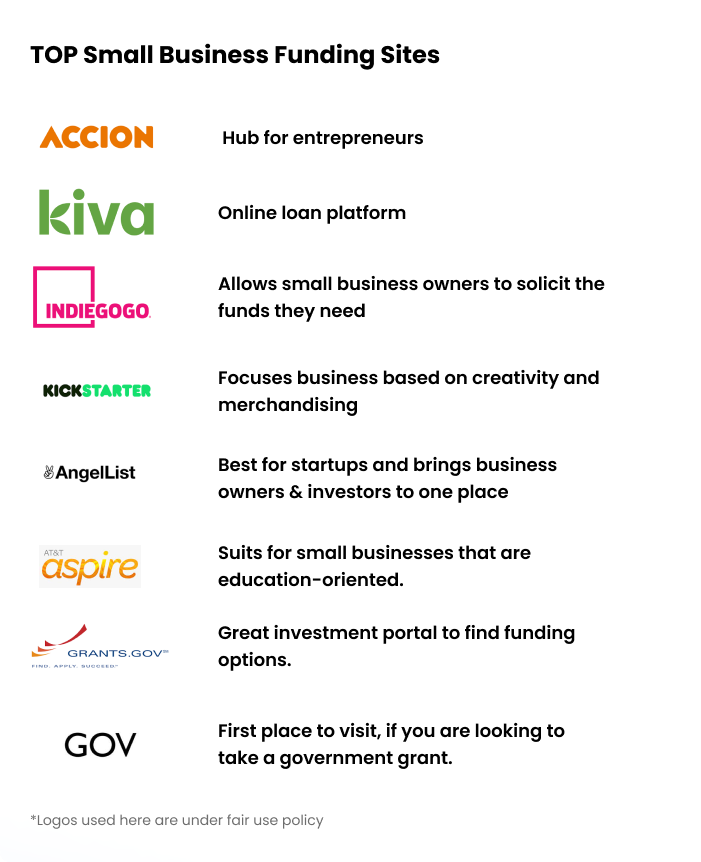
- How to find them: Networking events, pitch competitions, online angel investor networks (e.g., AngelList), referrals from mentors or advisors, and local business associations.
- What they look for: Strong management teams, innovative ideas with high growth potential, clear market opportunity, and a solid exit strategy (how they’ll get their money back, often through acquisition or IPO). They typically invest in the seed or early stages when traditional lenders are hesitant.
Venture Capital Firms: Fueling Growth at Scale
Venture Capital (VC) firms are professional investment funds that manage money from limited partners (like pension funds, endowments, and high-net-worth individuals) to invest in high-growth companies with significant potential for returns. Unlike angel investors, VCs typically invest larger sums and often take a more active role in the companies they fund.
- Who they are: Institutional investors with structured funds.
- How to find them: Primarily through warm introductions from industry contacts, advisors, or other VCs. Cold outreach is rarely successful.
- What they look for: Scalable business models, disruptive technology, large addressable markets, proven traction (customers, revenue), experienced teams, and a clear path to market leadership. VCs are often focused on specific industries or stages (Series A, B, C, etc.). Their investment process is rigorous, involving extensive due diligence and often multiple rounds of meetings.
Bank Loans and Lines of Credit: Debt Financing Essentials

Traditional banks remain a primary source of financing for many small businesses, offering various debt products. While they don’t take equity, they require collateral, a strong credit history, and a demonstrated ability to repay the loan.
- Types: Term loans (fixed amounts repaid over time), lines of credit (flexible access to funds up to a certain limit), SBA (Small Business Administration) loans (government-guaranteed loans with more favorable terms).
- Requirements: A solid business credit score, personal credit score, comprehensive financial statements, a detailed business plan, and often collateral (assets to secure the loan).
- When suitable: When you have predictable cash flow, need capital for equipment, inventory, or working capital, and prefer not to dilute ownership.
Government Grants and Programs: Non-Dilutive Capital
Various government agencies and non-profit organizations offer grants, subsidies, and assistance programs designed to support small businesses, often in specific industries (e.g., technology, clean energy) or for businesses addressing particular social or economic goals.
- Who offers them: Federal, state, and local governments, as well as foundations.
- How to find them: Websites like Grants.gov (USA), state economic development agencies, and local small business development centers.
- Benefits: Non-dilutive capital (you don’t give up equity) and often come with mentorship or technical assistance.
- Challenges: The application process can be lengthy and highly competitive, requiring meticulous documentation and adherence to specific criteria.
Leveraging Community and Digital Platforms for Investment
The digital age has democratized fundraising, opening up new avenues for small businesses to connect with a broader pool of potential investors and supporters. These platforms allow businesses to tell their story to a wider audience, sometimes bypassing traditional gatekeepers.
Crowdfunding: Tapping into the Collective
Crowdfunding platforms allow a large number of individuals to invest small amounts of money in a business. It’s a powerful way to not only raise capital but also validate your product/market fit and build a community around your brand.
- Equity Crowdfunding: Investors receive a small equity stake in your company (e.g., StartEngine, Republic, SeedInvest). This is highly regulated but allows small businesses to raise capital from the general public.
- Reward-Based Crowdfunding: Backers receive a product or service in exchange for their pledge (e.g., Kickstarter, Indiegogo). This is essentially pre-selling your product to fund its development or initial production.
- Debt Crowdfunding/Peer-to-Peer Lending: Individuals lend money to businesses in exchange for interest payments (e.g., LendingClub, Funding Circle).
- Benefits: Access to a large pool of investors, market validation, and brand building.
- Challenges: Requires significant marketing effort, transparency, and a compelling story. Success is not guaranteed.
Family, Friends, and Fools (FFF): The Initial Circle
For many small businesses, the first round of investment comes from their closest network: family members, friends, and sometimes even “fools” (individuals who believe in the entrepreneur despite the high risk). This is often the quickest and most accessible source of initial capital.
- Pros: High trust, more flexible terms, quick decisions.
- Cons: Can strain personal relationships if the business struggles, may not come with strategic advice, potential for awkwardness if terms aren’t clear.
- Best Practice: Treat these investments as formally as any other. Document everything with clear loan agreements or equity agreements to avoid future misunderstandings. Define repayment schedules, interest rates, or equity stakes clearly.
Incubators and Accelerators: Beyond Just Capital
These programs offer a structured environment for startups, providing mentorship, resources, networking opportunities, and often, initial seed funding in exchange for a small equity stake.
- Incubators: Focus on nurturing early-stage ideas, providing resources and a collaborative environment without strict deadlines.
- Accelerators: Offer intensive, fixed-term programs designed to rapidly grow early-stage companies, typically culminating in a “Demo Day” where startups pitch to a room full of investors.
- Benefits: Access to capital (often convertible notes or small equity investments), expert guidance, office space, valuable connections to investors and industry leaders.
- How to apply: Highly competitive application processes, requiring a strong team and a scalable idea.
Mastering the Pitch: Presenting Your Opportunity
Once you’ve identified potential investors and prepared your business, the next crucial step is to effectively communicate your opportunity. The pitch is your chance to ignite investor interest and convince them that your business is worth their money.
Developing an Irresistible Pitch Deck
Your pitch deck is a concise visual presentation that tells the story of your business and its investment potential. It’s usually 10-20 slides and should be designed to be engaging, informative, and persuasive. Key elements include:
- Problem: Clearly define the pain point your business solves.
- Solution: Introduce your product or service as the compelling answer.
- Market Opportunity: Quantify the size of your target market and your potential share.
- Product/Service: Showcase what you offer, ideally with visuals or a demo.
- Business Model: Explain how you make money (revenue streams, pricing strategy).
- Traction: Evidence of progress (early sales, user growth, partnerships, pilot programs).
- Team: Highlight the expertise and passion of your core management team.
- Financials: Present key financial projections and your funding request.
- The Ask: Clearly state how much money you are raising and what you will achieve with it.
- Vision/Exit Strategy: Outline your long-term goals and how investors will get a return on their investment (e.g., acquisition, IPO).
Each slide should be visually appealing, easy to understand, and drive home a key message, leading the investor to see the value in your venture.
Practicing Your Storytelling and Delivery
A great pitch deck is only half the battle; the delivery is equally important. Investors want to see passion, confidence, and a deep understanding of your business.
- Practice, Practice, Practice: Rehearse your pitch until it flows naturally and you can deliver it within the allotted time.
- Be Enthusiastic and Authentic: Your belief in your business should shine through. Investors are buying into you as much as your idea.
- Anticipate Questions: Prepare for common investor questions about your financials, market, competitors, team, and risks.
- Focus on the “Why”: Explain not just what you do, but why it matters and what problem you’re solving.
- Tailor Your Pitch: Adjust your presentation based on the specific investor you’re meeting, highlighting aspects most relevant to their interests.
Due Diligence and Negotiation: The Final Hurdles
If an investor is interested, they will initiate a due diligence process. This involves a thorough investigation into every aspect of your business – legal, financial, operational, and market.
- Be Prepared for Scrutiny: Have all your documents organized and ready for review: financial statements, legal contracts, intellectual property documentation, customer agreements, and team bios. Transparency is key.
- Understand Term Sheets: If due diligence is positive, you’ll receive a term sheet outlining the proposed investment terms, including valuation, equity stake, investor rights, board seats, and exit provisions.
- Negotiate Wisely: Engage with legal and financial advisors to help you understand and negotiate the terms. Focus on long-term implications, not just the immediate cash infusion. It’s a balance between securing funding and maintaining favorable control and equity for your business.
Finding investors for a small business is a marathon, not a sprint. It demands meticulous preparation, strategic targeting, compelling communication, and resilience. By laying a solid financial and strategic foundation, exploring diverse funding avenues, and mastering the art of the pitch, you significantly increase your chances of securing the capital needed to transform your small business aspirations into a thriving reality. Embrace the process, learn from every interaction, and stay persistent – your ideal investor might be just around the corner.
aViewFromTheCave is a participant in the Amazon Services LLC Associates Program, an affiliate advertising program designed to provide a means for sites to earn advertising fees by advertising and linking to Amazon.com. Amazon, the Amazon logo, AmazonSupply, and the AmazonSupply logo are trademarks of Amazon.com, Inc. or its affiliates. As an Amazon Associate we earn affiliate commissions from qualifying purchases.