
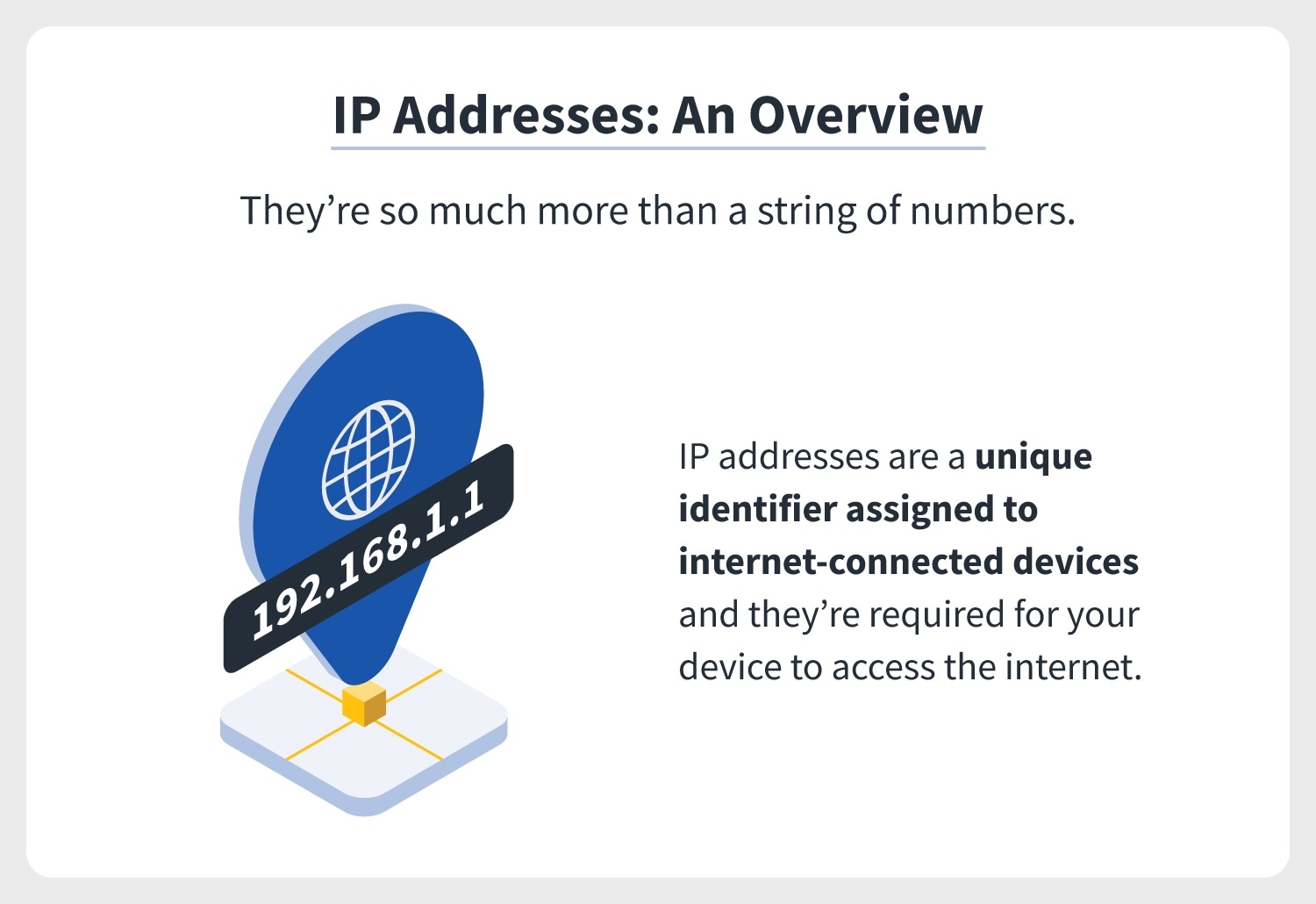
In the hyper-connected landscape of the twenty-first century, every action we perform online—from sending a brief email to streaming high-definition video—relies on a fundamental pillar of networking technology: the Internet Protocol (IP) address. Often described as the digital equivalent of a physical home address, an IP address is a unique identifier assigned to every device connected to a computer network. While most users only ask “What’s my IP address?” when troubleshooting a connection or setting up a gaming server, the technical infrastructure behind those four strings of numbers is the very fabric of the modern internet. Understanding how these addresses function is not merely a matter of technical curiosity; it is a critical component of digital literacy, privacy management, and cybersecurity.
The Fundamentals of Internet Protocol: More Than Just a Number
The Internet Protocol is a set of rules governing the format of data sent via the internet or a local network. In essence, it provides the “routing” instructions that allow information to travel from point A to point B. Without a standardized addressing system, data packets would have no way of finding their destination, resulting in a chaotic and non-functional web.
IPv4 vs. IPv6: The Evolution of Connectivity
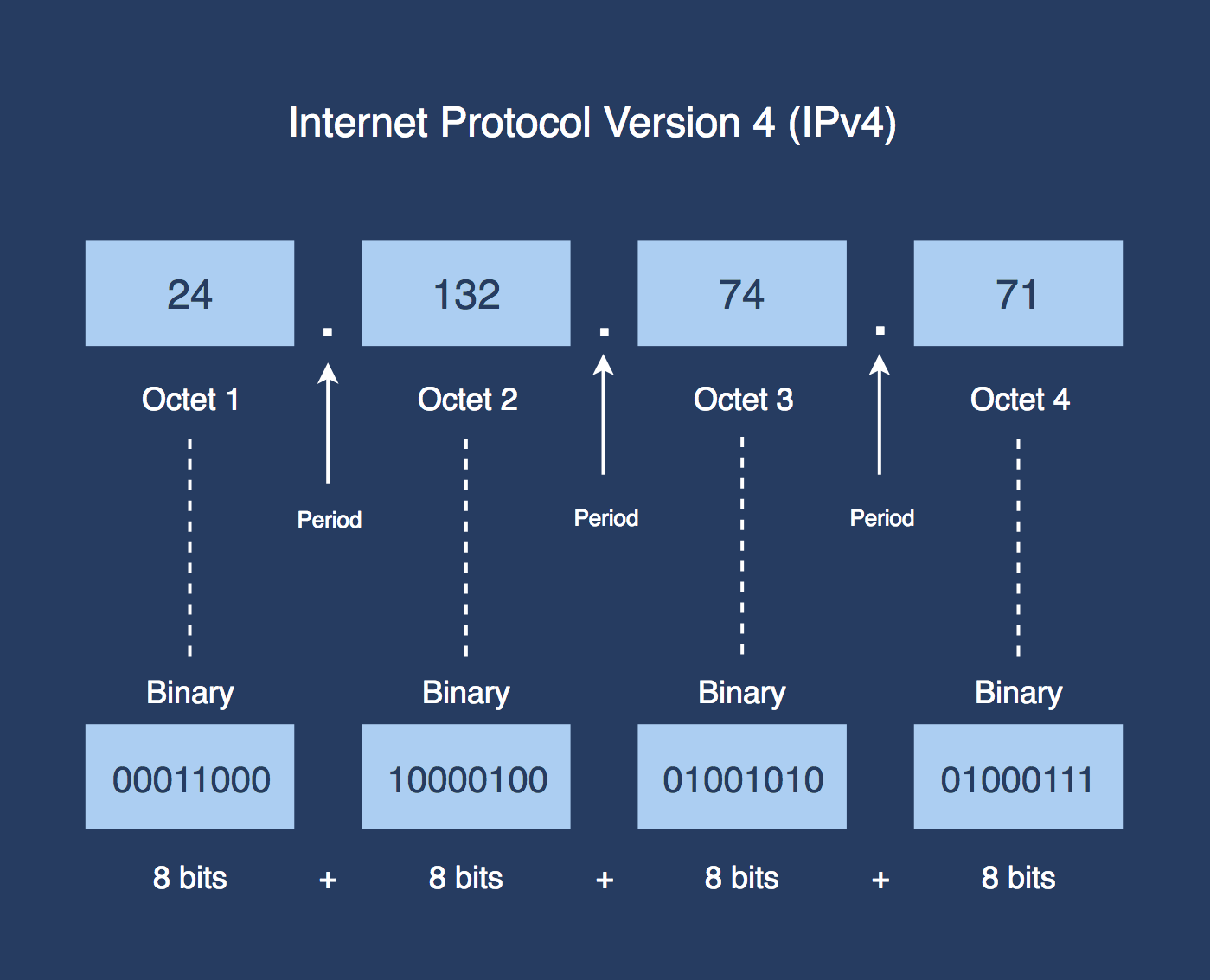
For decades, the standard for IP addressing was IPv4 (Internet Protocol version 4). Introduced in the early 1980s, IPv4 uses a 32-bit address scheme, which allows for approximately 4.3 billion unique addresses. While this seemed like an inexhaustible number at the dawn of the internet, the explosion of smartphones, tablets, and Internet of Things (IoT) devices led to a phenomenon known as IP address exhaustion.
In response, the tech industry developed IPv6 (Internet Protocol version 6). Unlike its predecessor, IPv6 uses a 128-bit address format, appearing as eight groups of four hexadecimal digits. This expansion allows for an astronomical number of addresses—340 undecillion, to be precise. Beyond just quantity, IPv6 offers technical improvements in routing efficiency and security, including built-in support for IPsec (Internet Protocol Security). Today, most modern operating systems and networks operate in a “dual-stack” environment, utilizing both IPv4 and IPv6 to ensure global compatibility.
Public vs. Private IP Addresses
One of the most common sources of confusion for users is the distinction between public and private IP addresses. Your public IP address is the one assigned to your network router by your Internet Service Provider (ISP). This is the address that the “outside world” sees when you visit a website. It serves as the gateway to your home or office network.
Conversely, private IP addresses are used within your local network. Every device connected to your Wi-Fi—your laptop, your smart fridge, your smartphone—is assigned a unique private IP by your router via a protocol called DHCP (Dynamic Host Configuration Protocol). To manage the flow of traffic between the public internet and these private devices, routers use Network Address Translation (NAT). This process allows an entire household of devices to share a single public IP address, acting as a layer of security by hiding internal network structures from external observers.
How Your IP Address Works in the Modern Ecosystem
The functionality of an IP address extends far beyond simple identification. It plays a pivotal role in how content is delivered, how speeds are managed, and how geographical boundaries are enforced in the digital realm.
The Role of ISPs and Geolocation
When you ask “What’s my IP address?”, the result you see is provided by your ISP. Because ISPs are allocated specific blocks of IP addresses based on region, your IP address contains metadata that can reveal your approximate physical location. Geolocation technology uses this data to provide localized content, such as weather reports, local news, and targeted advertisements.
However, geolocation is also a tool for digital rights management (DRM). Streaming services use your IP address to determine which content libraries you are permitted to access based on your country. This “geo-blocking” is a direct result of the way IP addresses are mapped to physical territories, creating a world where your digital experience is fundamentally shaped by your network identity.
Dynamic vs. Static IP Addresses
Most residential users are assigned a dynamic IP address. This means the ISP changes your address periodically, often whenever your router reboots. Dynamic addressing is cost-effective for ISPs and provides a minor level of privacy for the user, as the “moving target” of a changing IP makes long-term tracking slightly more difficult.
In contrast, businesses, web servers, and high-level gamers often utilize static IP addresses. A static IP never changes, making it essential for hosting websites, running remote access software, or operating mail servers. While static IPs offer stability and ease of remote connection, they also require more robust security measures, as a fixed address is easier for malicious actors to target over an extended period.
Security Implications: Why Your IP Address Matters to Hackers

While an IP address does not reveal your name or your exact street address to the average observer, it is a goldmine of information for cybercriminals. In the hands of a skilled attacker, your IP address is the first point of entry for various digital threats.
Remote Access and Vulnerabilities
A public IP address is essentially an open door to your network. If your router or any connected device has unpatched software vulnerabilities, an attacker can use your IP address to scan for open ports. Once an open port is found, they may attempt to gain unauthorized access to your private files, inject malware, or even take control of your hardware. This is particularly dangerous for IoT devices, which often lack the sophisticated security protocols found on computers and smartphones.
Distributed Denial of Service (DDoS) Risks
In the realm of online gaming and competitive tech environments, DDoS attacks are a prevalent threat. If a malicious actor obtains your IP address, they can flood your network with a massive volume of fake traffic. This overwhelms your router’s capacity to process data, effectively knocking you offline. For businesses, a DDoS attack can result in significant financial loss; for individuals, it represents a frustrating and invasive breach of digital peace.
Furthermore, IP addresses can be used in “spoofing” attacks, where a hacker disguises their own identity by mimicking a trusted IP address. This is often used to bypass firewalls or gain access to secure systems that use IP-based authentication.
Protecting Your Digital Footprint: Tools and Strategies
Given the visibility and vulnerability associated with your IP address, proactive digital defense is essential. Several technologies allow users to mask or shield their IP addresses, providing an essential layer of anonymity and security.
Virtual Private Networks (VPNs) and Proxy Servers
A Virtual Private Network (VPN) is perhaps the most effective tool for IP protection. When you use a VPN, your internet traffic is encrypted and routed through a remote server operated by the VPN provider. Consequently, any website you visit sees the IP address of the VPN server rather than your actual public IP. This not only masks your physical location but also encrypts your data, protecting it from being intercepted by your ISP or hackers on public Wi-Fi networks.
Proxy servers operate on a similar principle but generally offer less security. A proxy acts as an intermediary for specific requests (like web browsing) but often lacks the system-wide encryption that a VPN provides. For high-security needs, a VPN remains the gold standard for IP masking.
The Tor Browser and Onion Routing
For those seeking the highest level of anonymity, the Tor (The Onion Router) network offers a unique solution. Tor routes your traffic through at least three different volunteer-operated nodes across the globe. Each layer of the “onion” is encrypted, ensuring that no single point in the chain knows both the source and the destination of the traffic. While this significantly impacts connection speed, it makes it nearly impossible for observers to trace an IP address back to an individual user.
The Future of Networking: Beyond the IP Address
As we move deeper into the era of the “Hyper-Internet,” the role of the IP address is evolving. We are seeing a shift toward more intelligent, software-defined networking (SDN) and decentralized protocols that aim to solve the inherent privacy flaws of the traditional IP system.
IoT and the Explosion of Connected Devices
The sheer number of connected devices—from smart lightbulbs to industrial sensors—is forcing a total transition to IPv6. This transition is not just about address space; it’s about device-to-device communication. In the future, your “address” might be part of a more complex mesh network where identity is verified through cryptographic keys rather than just a numerical string.
Decentralized Web and Privacy-First Protocols
Emerging technologies like the InterPlanetary File System (IPFS) and blockchain-based networking are experimenting with content-addressing rather than location-addressing. In these systems, you search for data based on what it is rather than where it is located (the IP). This shift could fundamentally change the security landscape, making it harder for centralized entities to track users via their IP addresses.
In conclusion, your IP address is much more than a technical detail to be ignored. It is the cornerstone of your digital identity and a critical link in the chain of your online security. By understanding the difference between IPv4 and IPv6, the mechanics of public and private addressing, and the tools available to protect your network, you can navigate the digital world with greater confidence and safety. Whether you are a casual browser or a tech professional, the answer to “What’s my IP address?” is the first step in mastering the complexities of the modern internet.
aViewFromTheCave is a participant in the Amazon Services LLC Associates Program, an affiliate advertising program designed to provide a means for sites to earn advertising fees by advertising and linking to Amazon.com. Amazon, the Amazon logo, AmazonSupply, and the AmazonSupply logo are trademarks of Amazon.com, Inc. or its affiliates. As an Amazon Associate we earn affiliate commissions from qualifying purchases.