
In the lexicon of American sports and mid-century pop culture, few terms possess a trajectory as fascinating as the “palooka.” Originally a specific name for a fictional character, it eventually transformed into a common noun, a derogatory slang term, and ultimately, a case study in the power and peril of character-driven branding. To understand what a palooka is from a brand strategy perspective is to understand the mechanics of how a persona can capture a nation’s imagination, define an archetype, and eventually lose control of its own narrative through the process of semantic shift and brand dilution.
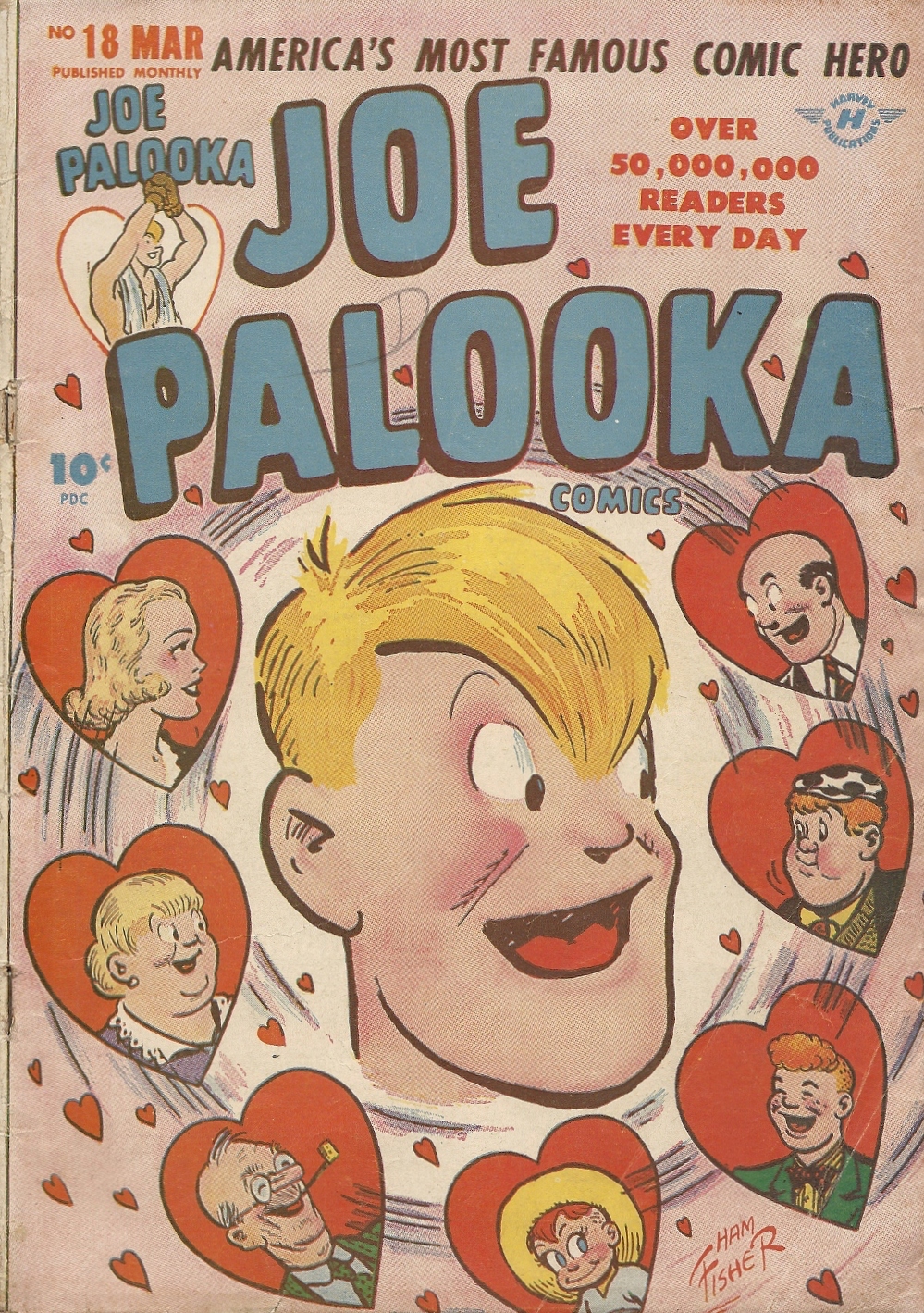
At its core, a palooka represents more than just a clumsy or incompetent boxer—which is the modern dictionary definition. It represents a specific era of narrative-driven marketing where character identity was used to anchor massive commercial ecosystems. From comic strips to radio shows and motion pictures, the “Palooka” brand was a mid-20th-century powerhouse that demonstrated how a values-based identity could achieve unprecedented market penetration.
The Genesis of the Palooka Brand: Storytelling as Strategy
The term “palooka” did not emerge from a vacuum; it was catapulted into the public consciousness by Ham Fisher’s comic strip, Joe Palooka, which debuted in 1930. In the context of brand strategy, Joe Palooka was a masterclass in the “Everyman” archetype. He was a professional heavyweight boxer who was depicted as wholesome, polite, and fiercely loyal—a stark contrast to the often-gritty and corrupt reality of the boxing world at the time.
The Rise of Joe Palooka
The branding of Joe Palooka was built on the foundation of moral superiority and physical prowess. During the Great Depression, consumers were looking for symbols of hope and integrity. Fisher didn’t just create a comic; he created a personal brand that resonated with the working-class demographic. Joe Palooka became a “clean” brand in a “dirty” industry. This positioning allowed the character to transcend the sports pages and become a symbol of American virtue.
At its peak, the strip was carried by over 900 newspapers worldwide. This level of syndication is the equivalent of a modern-day viral digital campaign with global reach. The “Palooka” name became a household word because the brand was consistent: Joe was always the humble champion. This consistency is the bedrock of corporate identity. When a brand promises a specific set of values—integrity, strength, and humility—and delivers on them across thousands of touchpoints, it cements itself in the cultural fabric.
Multi-Platform Synergy in the Golden Age
Long before modern “transmedia storytelling,” the Palooka brand was practicing multi-platform synergy. The character wasn’t confined to the funny papers; he was the star of a series of feature films, a radio program, and a plethora of licensed merchandise. This expansion serves as an early example of how a singular personal brand can be scaled into a corporate entity.
For brand managers, the Joe Palooka phenomenon illustrates the importance of licensing and brand extensions. By moving Joe Palooka into different media formats, Fisher and his syndicate were able to capture different audience segments—from children reading Sunday comics to adults listening to the radio in the evening. Each iteration of the character reinforced the core brand identity, creating a feedback loop that increased the value of the intellectual property.
The Underdog Archetype: Why Relatability Drives Brand Loyalty
In branding, an archetype is a recurring symbol or motif that resonates with the collective unconscious. Joe Palooka was the quintessential “Innocent” and “Hero” hybrid. The success of the Palooka brand hinged on its ability to make a world-champion heavyweight feel like an underdog. This is a common strategy used by major corporations today—positioning a market leader as a relatable entity that shares the consumer’s struggles.
Building an Emotional Connection
The Palooka brand succeeded because it focused on emotional resonance rather than just the “product” (the boxing matches). Readers weren’t just following a sports story; they were invested in the character’s journey. This is the difference between a transactional brand and a relational brand. A transactional brand sells a service; a relational brand sells a feeling of belonging or a shared set of values.
By portraying Joe as a character who often faced unfair odds or deceptive villains, the brand tapped into the audience’s sense of justice. This emotional hook created a fierce loyalty that lasted for decades. In the modern landscape, brands like Patagonia or Dove utilize similar emotional branding strategies, aligning their corporate identity with social causes or universal human experiences to foster a community of advocates rather than just customers.
Integrity as a Competitive Advantage
In the competitive landscape of the 1930s and 40s, “Palooka” stood for something specific: the refusal to “take a dive.” In a sports world plagued by fixed fights, Joe Palooka’s brand was built on the idea that winning the right way was more important than winning at any cost.
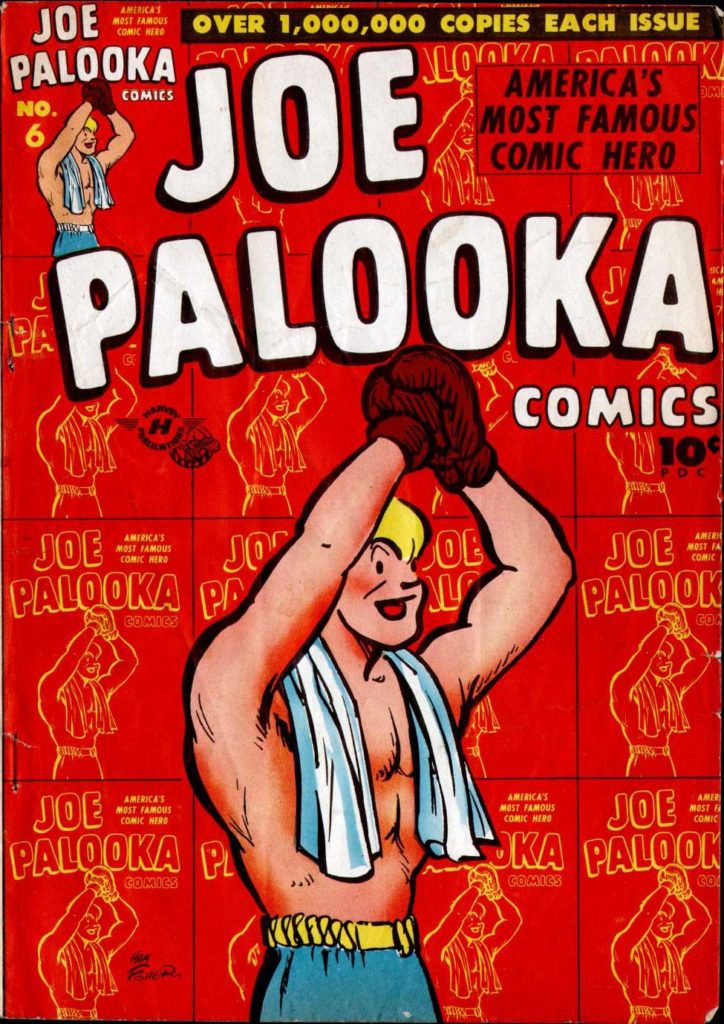
For modern businesses, this highlights the value of ethical branding. In an era of high transparency and instant communication, a brand’s reputation for integrity is its most valuable asset. The Joe Palooka brand leveraged this integrity to distinguish itself from competitors, proving that a “clean” reputation can be a powerful differentiator in a crowded or cynical market.
From Icon to Epithet: A Case Study in Brand Dilution
One of the most intriguing aspects of the “palooka” is how the name eventually escaped the control of its creators and took on a life of its own—eventually becoming a term for the very thing the character was not: a loser. In brand management, this is a cautionary tale of “genericide” and semantic drift.
The Linguistic Shift
As the term “palooka” became more entrenched in the American vocabulary, it began to decouple from the specific character of Joe Palooka. It started being used by sports writers to describe any boxer, particularly those who were big, slow, or unrefined. Eventually, the nuance of the “noble champion” was lost, and the word became synonymous with a “bum” or a “stumblebum”—a fighter who is only there to lose to a rising star.
This is a classic example of brand dilution. When a brand name becomes so synonymous with a category or a concept that it loses its specific identity, the original owners lose their competitive edge. While “Xerox” and “Google” fought to keep their names from becoming generic verbs for “copying” or “searching,” the Palooka brand suffered a worse fate: it became a generic term with a negative connotation.
Protecting Brand Equity in Perpetuity
The lesson for modern brand strategists is the necessity of active brand stewardship. To protect a brand’s equity, one must constantly monitor how the brand is being perceived and used in the wild. The creators of Joe Palooka were successful in the short term, but they failed to protect the “Palooka” name from being co-opted by the very cynical sports culture they were trying to subvert.
Once a brand name becomes a pejorative, it is nearly impossible to reclaim. This highlights the importance of trademark protection and public relations. Modern brands spend millions on “brand health” monitoring to ensure that their names are not being used in contexts that contradict their core values. If the Palooka brand were managed today, there would likely be aggressive PR campaigns and legal actions to ensure the term remained associated with “championship integrity” rather than “clumsy incompetence.”
Modern Applications: Reimagining Character-Driven Marketing
The legacy of the palooka offers profound insights for today’s brand builders, particularly those working in the realms of personal branding and digital personas. The shift toward “humanizing” brands is essentially an evolution of the strategy used by Ham Fisher nearly a century ago.
The Power of the Persona
In the current digital economy, the “character” is often the CEO or a brand mascot. Think of the way Elon Musk’s personal brand influences Tesla’s market cap, or how the Duolingo owl has become a character that consumers interact with daily. These are modern-day Palookas—vessels for a brand’s personality that make a corporate entity feel human.
A successful character-driven brand requires a clear narrative arc. Consumers want to see the “hero” face challenges, overcome obstacles, and remain true to their core mission. The Palooka brand provided this through weekly comic strips; modern brands provide it through social media stories, behind-the-scenes content, and long-form video. The medium has changed, but the psychological mechanism remains the same: humans are hardwired to connect with characters, not corporations.

Leveraging Narrative in a Digital Landscape
To avoid the “palooka trap” of brand dilution, modern companies must ensure their narrative is agile but grounded. The reason Joe Palooka eventually faded into obscurity was that the brand failed to evolve with the changing cultural landscape of the 1960s and 70s. The “wholesome hero” started to feel dated and out of touch with a more cynical, post-war generation.
Modern branding requires a balance of consistency and evolution. A brand must stay true to its “Why”—its core purpose—while updating its “How”—the way it communicates and interacts with the market. By understanding the history of the palooka, from its rise as a virtuous icon to its fall as a derogatory slang term, brand strategists can better navigate the complexities of identity, reputation, and the enduring power of a well-told story.
Ultimately, a palooka is a reminder that a brand is not what the company says it is; a brand is the sum total of how the public perceives it. Whether you are building a personal brand or a global corporation, the goal is to ensure your “Joe Palooka” remains a champion in the hearts and minds of your audience, rather than becoming a shorthand for the very qualities you seek to avoid.
aViewFromTheCave is a participant in the Amazon Services LLC Associates Program, an affiliate advertising program designed to provide a means for sites to earn advertising fees by advertising and linking to Amazon.com. Amazon, the Amazon logo, AmazonSupply, and the AmazonSupply logo are trademarks of Amazon.com, Inc. or its affiliates. As an Amazon Associate we earn affiliate commissions from qualifying purchases.