
In the modern financial landscape, your account number serves as the foundational DNA of your economic identity. It is the unique string of digits that distinguishes your capital from the trillions of dollars moving through the global banking system every day. Despite its importance, many consumers find themselves asking, “What’s my account number?” at critical moments—whether they are setting up a direct deposit for a new job, configuring an automated bill payment, or linking an external investment platform to their primary checking account. Understanding how to locate, interpret, and protect this number is not just a matter of convenience; it is a vital component of personal financial literacy and digital security.
Decoding the Anatomy of Your Bank Account Number
To the untrained eye, a bank account number is simply a random sequence of numbers. However, these digits are part of a highly structured system designed to ensure that funds reach the correct destination without friction. Within the United States, the banking system relies on a combination of the routing transit number (RTN) and the individual account number to facilitate transactions through the Automated Clearing House (ACH) network.
Account Numbers vs. Routing Numbers
One of the most common points of confusion for consumers is the distinction between an account number and a routing number. The routing number is a nine-digit code that identifies the specific financial institution where your account is held. You can think of the routing number as the “address” of the bank’s headquarters or regional branch. In contrast, the account number is your personal “apartment number” within that building. While thousands of people may share the same routing number because they use the same bank, your account number is unique to your specific holdings.
The Logic Behind the Digits
While account numbers vary in length—typically ranging from 8 to 12 digits depending on the institution—they are often structured using internal logic known only to the bank. Some banks include prefixes that denote the type of account (such as checking, savings, or money market) or the specific branch where the account was originally opened. In many cases, the final digit of an account number is a “check digit,” calculated using a mathematical algorithm (such as the Luhn algorithm) to verify that the number is valid and to prevent errors during manual data entry.
Where to Find Your Account Number Quickly
In an era of digital-first banking, the physical artifacts of finance are becoming rarer. However, there are still several reliable locations where you can retrieve your account number, whether you have a smartphone in your hand or a paper file in your desk.
The Traditional Checkbook
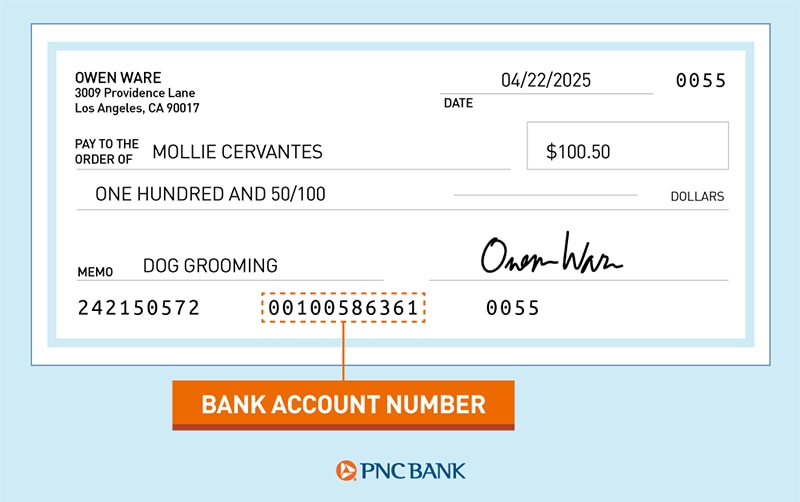
For those who still use paper checks, the most direct way to find an account number is by looking at the bottom of a check. At the base of every check is a string of numbers printed in a specialized font known as MICR (Magnetic Resonance Ink Character Recognition). This line consists of three distinct groups:
- The Routing Number: The first nine digits on the left.
- The Account Number: The middle set of digits (often followed by a unique symbol).
- The Check Number: The final set of digits on the right, which corresponds to the number in the top right corner of the check.
It is important to note that on a deposit slip, these numbers may be arranged in a different order, so always use a standard check for verification.
Mobile Banking Apps and Online Portals
The most common method for retrieving an account number today is through a bank’s digital interface. Most major financial institutions hide the full account number by default for security purposes, displaying only the last four digits. To see the full number, you usually need to:
- Log in to the app using biometric authentication or a secure password.
- Select the specific account (e.g., “Primary Checking”).
- Look for a “Details,” “Account Info,” or “Settings” tab.
- Tap a “Show” or eye-shaped icon next to the masked account number to reveal the full string of digits.
Digital and Paper Bank Statements
Your monthly bank statement is a legal document that contains all pertinent details regarding your account. Usually located in the top right or left corner of the first page, the account number will be listed alongside your name and address. If you have opted into paperless billing, you can download a PDF version of your most recent statement from your bank’s website. This is often the most “official” way to verify an account number when applying for a mortgage or a car loan, as lenders frequently require a statement to prove account ownership.
Finding Account Numbers for Other Financial Assets
While bank accounts are the most common focus, the question “What’s my account number?” also applies to the broader spectrum of your financial portfolio. From retirement funds to brokerage accounts, each asset has a unique identifier that is crucial for managing your wealth.
Investment and Brokerage Accounts

Brokerage firms like Fidelity, Charles Schwab, or Vanguard assign unique account numbers to every individual brokerage account, IRA, or Roth IRA you hold. These numbers are essential when you are performing a “rollover” or transferring assets between institutions. Unlike bank accounts, brokerage account numbers are often alphanumeric. You can typically find these by navigating to the “Positions” or “Account Summary” page on your broker’s platform.
Retirement and Employer-Sponsored Funds
If you have a 401(k) or 403(b) through an employer, your account number might actually be your Social Security Number in some legacy systems, though most modern providers have shifted to unique internal IDs for better security. To find this, you must log in to the specific portal provided by the plan administrator (such as Empower, TIAA, or Alight). These account numbers are vital when you leave a job and need to consolidate your retirement savings into a personal IRA.
Digital Wallets and Fintech Apps
Apps like PayPal, Venmo, or Cash App operate differently than traditional banks. While they may have “account IDs,” these are not always the same as a standard bank account number. However, many fintech apps now offer “Direct Deposit” features, which provide you with a virtual routing and account number. These are found within the “Money” or “Banking” section of the app and are used specifically to funnel external funds into your digital wallet.
Best Practices for Protecting Your Financial Identity
Because your account number is the “key” to your cash, it is a primary target for bad actors. If a fraudster obtains both your routing and account numbers, they can potentially initiate unauthorized ACH withdrawals or create fraudulent checks.
Identifying Phishing and Social Engineering
Legitimate financial institutions will almost never call, text, or email you to ask for your full account number. Most “vishing” (voice phishing) scams involve a caller claiming to be from your bank’s fraud department, asking you to “verify” your account number to stop a suspicious transaction. This is a red flag. If you are ever asked for this information unexpectedly, hang up and call the official number on the back of your debit card.
Secure Storage Methods
Never store your account numbers in unencrypted formats, such as a “Notes” app on your phone, a plain text file on your computer, or an unencrypted email draft. If you must keep a digital record, use a reputable password manager that offers encrypted “Secure Notes.” These platforms use AES-256 bit encryption, making it significantly harder for hackers to access your sensitive data even if your device is compromised.
What to Do if Your Account Number is Compromised
If you believe your account number has fallen into the wrong hands, time is of the essence. You should immediately contact your bank’s fraud department. In most cases, the bank will need to close the compromised account and move your funds to a brand-new account with a new number. You will also need to update all your automatic payments, such as utility bills, subscriptions, and direct deposit instructions with your employer, to reflect the new account information.
The Role of Account Numbers in the Modern Financial Ecosystem
Understanding your account number is more than just a logistical necessity; it is about understanding how money moves in a globalized economy. As we move toward a future of “Open Banking,” where different financial apps talk to each other to provide better services, your account number remains the primary anchor of your financial life.
Automated Clearing House (ACH) and Direct Deposits
The ACH network is the backbone of the U.S. financial system, handling trillions of dollars in transactions annually. Your account number is the specific “destination” for these transfers. When you provide your account number for a direct deposit, you are participating in a system that prioritized accuracy and batch processing. Understanding this helps you realize why a single transposed digit in an account number can lead to a “Return to Sender” error, delaying your paycheck by days or even weeks.

International Wire Transfers and IBAN/SWIFT Codes
If you are sending or receiving money internationally, a standard U.S. account number is often insufficient. In these cases, you will encounter the IBAN (International Bank Account Number) and SWIFT/BIC codes. The IBAN is an expanded version of your account number that includes country codes and check digits to facilitate cross-border transactions. While the U.S. does not officially use IBANs for domestic transfers, you will need to provide your bank’s SWIFT code and your specific account number to receive funds from overseas.
By mastering the details of your account number—where it is, what it represents, and how to keep it safe—you take a significant step toward total financial command. Whether you are navigating the complexities of a new investment or simply ensuring your monthly bills are paid on time, this string of digits is your most constant companion in the world of personal finance.
aViewFromTheCave is a participant in the Amazon Services LLC Associates Program, an affiliate advertising program designed to provide a means for sites to earn advertising fees by advertising and linking to Amazon.com. Amazon, the Amazon logo, AmazonSupply, and the AmazonSupply logo are trademarks of Amazon.com, Inc. or its affiliates. As an Amazon Associate we earn affiliate commissions from qualifying purchases.