
While the Northern Hemisphere associates Christmas with snow-covered landscapes and cozy indoor gatherings, Christmas in Australia is characterized by scorching temperatures, outdoor barbecues, and a massive surge in consumer spending that dictates the financial health of the nation’s retail sector. For financial analysts, business owners, and household budgeters, the Australian festive season is more than just a cultural celebration; it is a complex economic event that involves billions of dollars in circulation, significant shifts in the labor market, and a unique set of personal finance challenges driven by the intersection of the holidays and the summer vacation period.
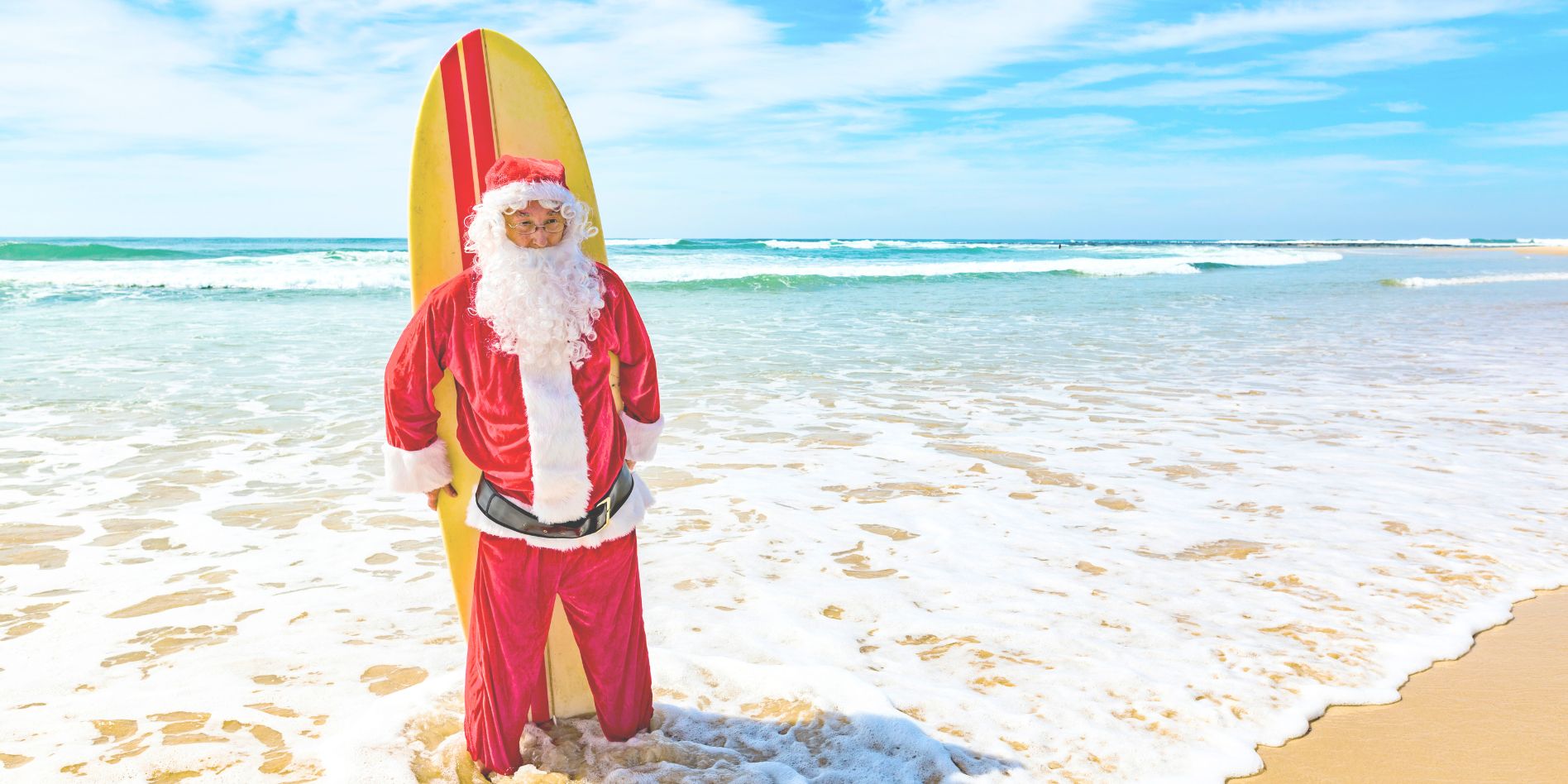
To understand what Christmas is like in Australia from a financial standpoint, one must look beyond the tinsel and prawns to examine the underlying economic drivers, the evolution of retail trends, and the strategic wealth management decisions Australians make as the calendar year draws to a close.
The Macroeconomic Impact of the Australian Festive Season
The period leading up to December 25th represents the most critical window for the Australian economy. Historically, the Australian Retailers Association (ARA) and various financial institutions track “festive spending” starting from the Black Friday sales in late November through to the Boxing Day sales on December 26th.
Retail Performance and Consumer Confidence
In a typical year, Australians spend upwards of $60 billion during the pre-Christmas period. This spending is a primary indicator of consumer confidence—a metric that economists watch closely to gauge the overall health of the domestic economy. When interest rates are stable and employment is high, discretionary spending on electronics, fashion, and luxury food items skyrockets. However, in periods of high inflation, the “Christmas wallet” becomes more selective.
What makes Australia unique is the timing. Because Christmas coincides with the start of the long summer school holidays, consumer spending is not limited to gifts. It encompasses a massive “lifestyle” expenditure, including travel, outdoor equipment, and home renovations intended to prepare properties for summer entertaining. This creates a double-peak in spending: the gift-giving peak in mid-December and the leisure-spending peak in early January.
The Rise of Promotional Events
The Australian financial landscape has shifted significantly with the adoption of global sales events. While Christmas used to be the sole focus, the introduction of Black Friday and Cyber Monday has pulled forward billions of dollars in spending. From a cash-flow perspective, this means Australian businesses must manage inventory much earlier in the year. For the consumer, it requires a more sophisticated approach to personal finance, moving away from last-minute shopping toward a strategic, month-long acquisition phase designed to maximize discounts.
Household Budgeting and the “Summer Debt Trap”
For the average Australian household, Christmas is often the most expensive time of the year. The combination of gift-giving, hosting large family lunches, and funding summer travel can put immense pressure on personal liquidity.
The Role of “Buy Now, Pay Later” (BNPL)
Australia is a global pioneer in the Buy Now, Pay Later sector, with companies like Afterpay and Zip originating in the local market. During the Christmas season, the usage of these platforms surges. While BNPL offers a way to manage cash flow by spreading the cost of expensive gifts over four fortnightly payments, it also introduces a risk of “debt stacking.” Financial advisors often note a spike in credit counseling inquiries in February and March, directly linked to the cumulative effect of BNPL commitments and credit card interest accrued during the December frenzy.
The Cost of the “Aussie Christmas” Menu
Unlike the traditional roast turkey of the North, the Australian Christmas menu is heavily weighted toward fresh seafood and premium produce. The price of king prawns, rock lobsters, and cherries often reaches its annual peak in the 48 hours preceding Christmas Day. This “surge pricing” in the food sector requires households to engage in precise grocery budgeting. Sophisticated consumers often turn to “Christmas Clubs” or high-interest savings accounts specifically earmarked for the December food shop to avoid dipping into emergency funds.

Travel and Tourism Expenditure
Because Christmas falls during the summer break, domestic travel is a massive financial component of the season. Airfares between major hubs like Sydney, Melbourne, and Brisbane can triple in price. For many Australians, the “Christmas budget” is actually a “holiday budget” that includes fuel, accommodation, and recreational activities. This necessitates a year-round savings strategy, where families set aside a percentage of their monthly income to cover the high-cost summer quarter.
The Seasonal Labor Market and Side Hustle Opportunities
The financial activity of December creates a unique ecosystem for income generation. For those looking to boost their personal net worth or offset holiday expenses, the Australian Christmas season offers unparalleled opportunities in the gig economy and seasonal employment.
Casual Labor Surges in Retail and Hospitality
The “silly season,” as it is affectionately known, sees a massive uptick in demand for casual labor. Retailers hire thousands of additional staff to handle the influx of shoppers, while the hospitality sector—bars, restaurants, and event spaces—operates at maximum capacity. For many Australians, particularly students and young professionals, this period is a vital window for maximizing earnings through “penalty rates.” Under Australian labor laws, working on public holidays (Christmas Day, Boxing Day, and New Year’s Day) entitles employees to significantly higher hourly wages, sometimes double or triple the standard rate.
The Growth of Seasonal Side Hustles
Beyond traditional employment, the digital economy has enabled a rise in holiday-specific side hustles.
- Logistics and Delivery: With the explosion of e-commerce, independent couriers and delivery drivers see a peak in demand.
- Professional Services: Many businesses rush to finalize projects before the “Great Australian Shutdown” (the period between Christmas and mid-January when many offices close). This creates a lucrative market for freelancers and consultants who are willing to work through the holidays.
- Pet and Home Sitting: As families travel for the summer, the demand for pet sitting and property management services creates a niche but profitable seasonal business model.
Investment Trends and Year-End Financial Strategy
As the financial year in Australia runs from July 1 to June 30, the Christmas period falls exactly at the mid-point. However, the end of the calendar year remains a critical time for investors to rebalance portfolios and assess market trends.
The “Santa Rally” on the ASX
The Australian Securities Exchange (ASX) often experiences what traders call the “Santa Rally”—a seasonal increase in stock prices during the last week of December and the first two days of January. This is often attributed to increased optimism, institutional investors squaring their positions, and high retail turnover boosting the stocks of major conglomerates like Wesfarmers (which owns Bunnings and Kmart) and Woolworths Group. Investors often look to the consumer discretionary sector during this period, betting on the strength of holiday retail figures.
Charitable Giving and Tax Planning
While the tax deadline isn’t until June, many Australians use the Christmas season to engage in philanthropic giving. From a wealth management perspective, charitable donations are not only a social good but also a strategic tax deduction. High-net-worth individuals often finalize their charitable disbursements in December to ensure they are integrated into their annual financial planning.
Looking Toward the New Year: Financial Resolutions
What Christmas is like in Australia is ultimately defined by the transition into the New Year. As the spending spree concludes, there is a traditional shift toward financial “detoxing.” This is the period when Australians review their superannuation (retirement fund) performance, look for better interest rates on home loans, and set investment goals for the coming twelve months. The post-Christmas period is a peak time for financial planners and mortgage brokers, as consumers seek to rectify the “spending hangover” with more disciplined wealth-building strategies.

Conclusion: A Season of High Stakes and High Rewards
In Australia, Christmas is far more than a mid-summer break; it is a high-stakes financial period that tests the budgeting skills of individuals and the operational efficiency of businesses. It is a time when the “sunny” disposition of the country is matched by the heat of intense market activity. From the surge in BNPL debt to the lucrative opportunities of the seasonal labor market, the economic landscape of an Australian Christmas is vibrant, fast-paced, and deeply influential on the nation’s financial trajectory. Understanding this cycle is essential for anyone looking to navigate the unique intersection of Australian culture and personal finance.
aViewFromTheCave is a participant in the Amazon Services LLC Associates Program, an affiliate advertising program designed to provide a means for sites to earn advertising fees by advertising and linking to Amazon.com. Amazon, the Amazon logo, AmazonSupply, and the AmazonSupply logo are trademarks of Amazon.com, Inc. or its affiliates. As an Amazon Associate we earn affiliate commissions from qualifying purchases.