
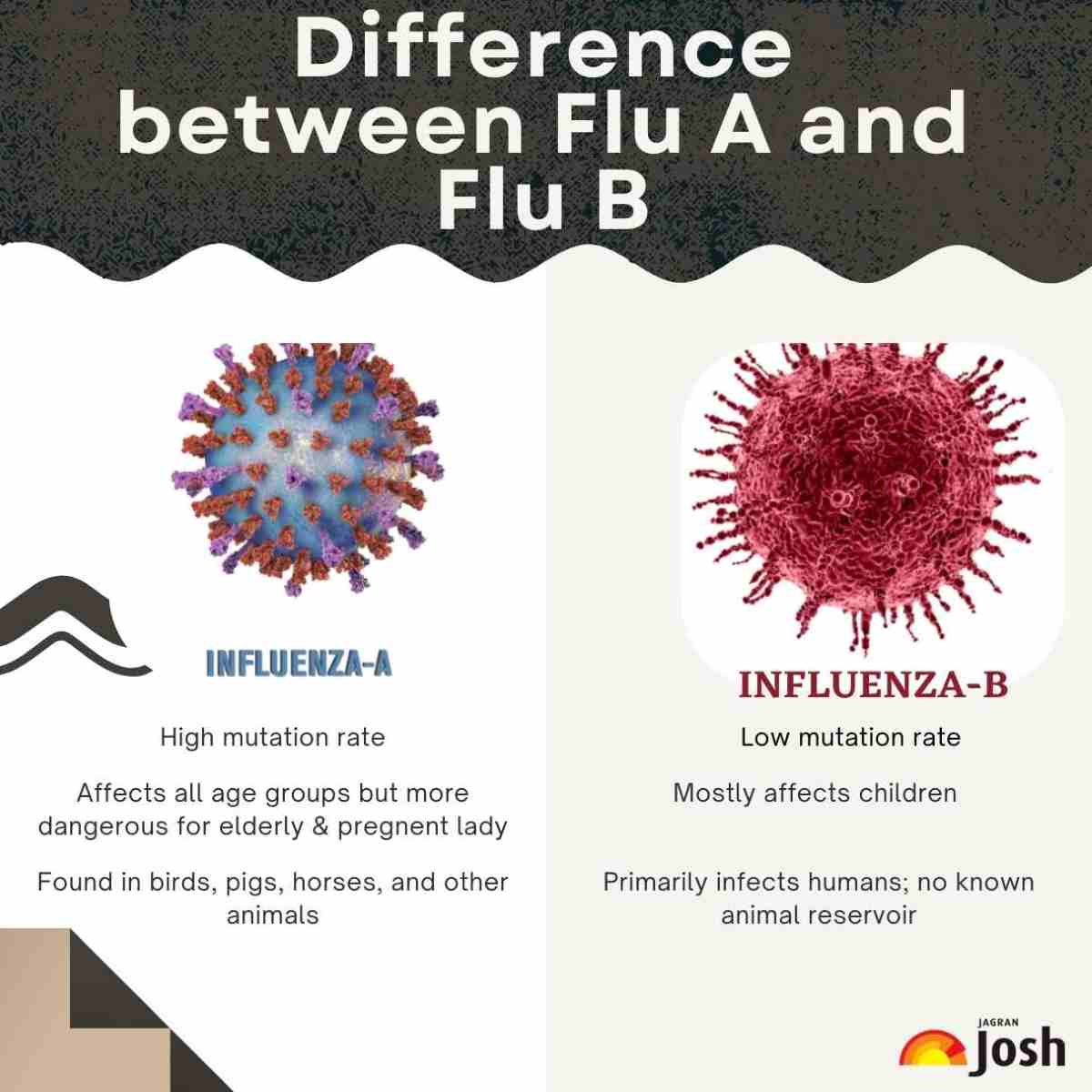
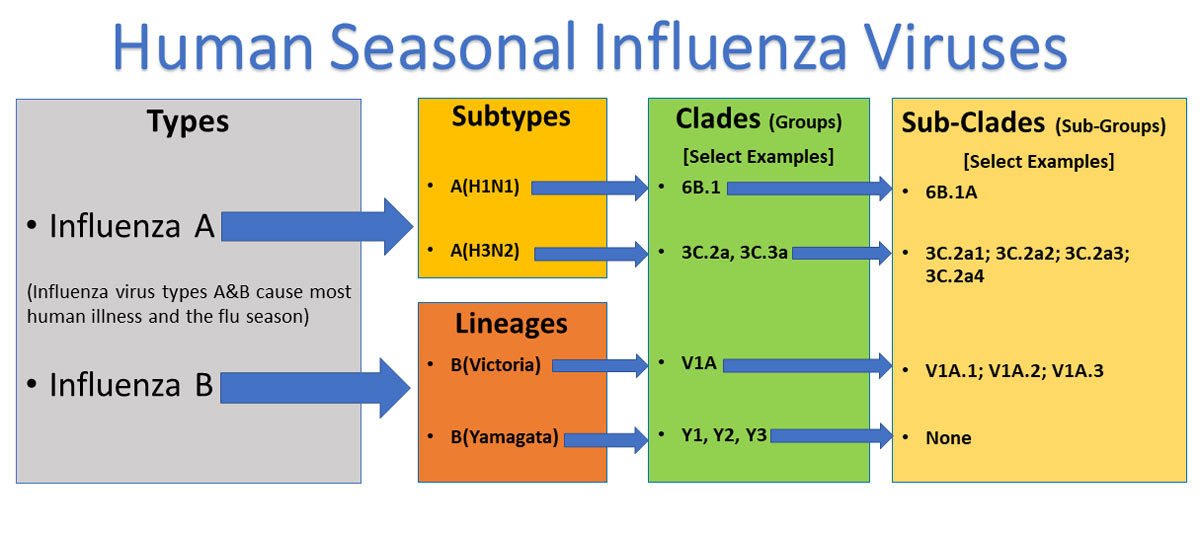
Influenza, commonly known as the flu, is a contagious respiratory illness caused by influenza viruses. While often perceived as a seasonal inconvenience, the reality is far more complex, with different strains posing varying levels of threat. Among these, Influenza B holds a significant position, often contributing to the annual burden of flu cases. However, understanding “what’s Influenza B” in the 21st century extends beyond its biological characteristics. It increasingly involves a critical examination of the technological advancements that are shaping how we detect, combat, and ultimately manage this persistent health threat. From sophisticated diagnostic tools and advanced vaccine development to AI-driven surveillance and the role of digital health platforms, technology is at the forefront of our battle against Influenza B.
The Evolving Landscape of Influenza B Detection and Diagnosis
The ability to quickly and accurately identify Influenza B is paramount to effective public health responses and individual patient care. Technological innovation has dramatically transformed this diagnostic process, moving from slow, laboratory-dependent methods to rapid, point-of-care solutions. This evolution is crucial for timely intervention, preventing outbreaks, and understanding the epidemiological patterns of the virus.
Rapid Diagnostic Technologies: Beyond the Lab
Historically, diagnosing influenza relied on culturing the virus in a laboratory, a process that could take several days. This delay significantly hampered rapid treatment decisions and outbreak containment. The advent of molecular diagnostic technologies has revolutionized this. Polymerase Chain Reaction (PCR) and its variants, such as real-time PCR (RT-PCR), are now the gold standard for influenza detection. These techniques amplify specific genetic material of the virus, offering high sensitivity and specificity.
Beyond PCR, antigen-based rapid influenza diagnostic tests (RIDTs) have become increasingly common. While generally less sensitive than molecular tests, RIDTs can provide results within minutes, making them invaluable for immediate clinical decisions, especially in settings like emergency rooms or doctor’s offices. Ongoing research is focused on improving the sensitivity and specificity of these rapid tests, often through the integration of microfluidics and advanced antibody detection mechanisms, further enhancing their utility. The development of multiplex assays, capable of detecting multiple respiratory pathogens simultaneously, also represents a significant technological leap, allowing for more comprehensive differential diagnoses.
Biosensors and Point-of-Care Innovations
The drive towards decentralizing diagnostics has led to the development of sophisticated biosensors. These devices leverage biological and chemical recognition elements combined with a transducer to detect the presence of influenza viruses or their components. Imagine a small device, perhaps resembling a glucose monitor, that can detect viral RNA or antigens from a nasal swab in a matter of minutes. This is the promise of biosensor technology.
These innovations are paving the way for truly point-of-care (POC) diagnostics, where testing can be performed at the patient’s bedside or even at home. This is particularly impactful for vulnerable populations, such as the elderly and immunocompromised, who may benefit most from early and accessible diagnosis. Wearable technology is also beginning to integrate basic health monitoring capabilities that could potentially flag early symptoms associated with influenza, prompting users to seek further testing.
Advancements in Influenza B Vaccine Development: A Technological Arms Race
Vaccination remains the most effective preventive measure against influenza. However, the influenza virus is notoriously adept at mutating, necessitating annual updates to the vaccine. This constant evolutionary pressure has spurred significant technological advancements in vaccine development, moving towards more rapid, flexible, and potent immunization strategies.
Next-Generation Vaccine Platforms: mRNA and Beyond
The success of mRNA vaccine technology during the COVID-19 pandemic has opened new avenues for influenza vaccine development. Traditional flu vaccines are typically produced using fertilized chicken eggs, a process that can be slow and subject to supply chain vulnerabilities. mRNA vaccines, on the other hand, can be designed and manufactured much more rapidly. This allows for a quicker response to emerging strains and potentially the development of broader-spectrum vaccines.
Beyond mRNA, other innovative platforms are being explored. These include viral vector vaccines, recombinant protein vaccines, and even DNA-based vaccines. Each platform offers unique advantages in terms of immunogenicity, safety profile, and manufacturing scalability. The goal is to create vaccines that not only target specific circulating strains but also provide more durable and cross-protective immunity, reducing the need for annual vaccinations or offering protection against a wider range of influenza viruses.
Computational Vaccinology and AI in Strain Selection
The selection of strains to be included in the annual flu vaccine is a critical process, guided by global surveillance data. This is where computational vaccinology and artificial intelligence (AI) are playing an increasingly vital role. Sophisticated algorithms can analyze vast datasets of viral genetic sequences, geographic spread, and epidemiological trends to predict which strains are most likely to become dominant in the upcoming flu season.
AI can also assist in identifying potential vaccine targets and designing vaccine candidates that are more likely to elicit a strong immune response. This predictive power allows public health organizations to make more informed decisions about vaccine composition, potentially leading to more effective vaccines and a greater impact on public health. Furthermore, AI-powered platforms can accelerate the analysis of clinical trial data, speeding up the evaluation of new vaccine candidates.
Digital Health and AI: Surveillance, Prediction, and Public Health Response
The digital revolution has fundamentally reshaped how we monitor, predict, and respond to public health threats like Influenza B. The integration of data from various sources, coupled with powerful analytical tools, is creating a more proactive and informed approach to infectious disease management.
AI-Powered Surveillance Systems: Tracking the Flu in Real-Time
Traditional influenza surveillance relies on reports from healthcare providers and laboratory testing. However, digital health technologies are enabling more dynamic and comprehensive surveillance. This includes the analysis of syndromic surveillance data from electronic health records (EHRs), over-the-counter medication sales, and even anonymized search engine queries for flu-related symptoms.
AI algorithms can process these disparate data streams to identify emerging outbreaks of Influenza B much earlier than traditional methods. By detecting subtle patterns and anomalies in real-time, these systems can provide public health officials with valuable lead time to implement targeted interventions, such as increased testing, public awareness campaigns, and the distribution of antiviral medications. This proactive approach can significantly mitigate the impact of an influenza season.
Predictive Modeling and Outbreak Forecasting
Building upon surveillance data, AI and machine learning models are becoming increasingly sophisticated in their ability to forecast influenza activity. These models can predict not only the timing and intensity of outbreaks but also their geographical spread. By incorporating factors such as population density, travel patterns, vaccination rates, and even climate data, these predictive tools can help healthcare systems prepare for surges in demand and optimize resource allocation.
The development of such predictive capabilities is crucial for effective public health planning. It allows for the strategic deployment of medical personnel, the stocking of essential supplies, and the dissemination of targeted public health messages to vulnerable communities, thereby minimizing morbidity and mortality associated with Influenza B.
Digital Health Platforms and Patient Engagement
The proliferation of digital health platforms, including patient portals, telehealth services, and mobile health applications, is transforming how individuals engage with their health and healthcare providers. During flu season, these platforms can play a vital role in disseminating accurate information about Influenza B, its symptoms, prevention strategies, and where to seek care.
Telehealth services can facilitate remote consultations, allowing individuals to assess their symptoms and receive guidance without necessarily visiting a clinic, thus reducing the risk of transmission. Mobile health apps can provide personalized reminders for flu vaccinations, track symptom progression, and connect users with relevant health resources. Furthermore, these platforms can serve as channels for collecting valuable real-world data on influenza cases, contributing to ongoing research and surveillance efforts.
The Future of Influenza B Management: A Technologically Driven Outlook
The ongoing evolution of Influenza B, coupled with relentless technological innovation, paints a picture of a future where our ability to manage this disease is significantly enhanced. The synergy between biological understanding and technological advancement promises more effective prevention, earlier detection, and more targeted interventions.
Personalized and Precision Medicine Approaches
As we gather more granular data through digital health tools and advanced diagnostics, the concept of personalized and precision medicine will extend to influenza management. This could involve tailoring vaccination strategies based on an individual’s genetic predispositions, immune status, and risk factors. Similarly, antiviral treatments might be optimized based on individual responses and viral resistance profiles, further enhanced by AI-driven drug discovery and personalized dosing regimens.
Global Collaboration and Data Sharing Through Technology
Combating a global threat like influenza requires seamless international collaboration. Technology is the bedrock of this collaboration. Secure, cloud-based platforms can facilitate the real-time sharing of genomic surveillance data, epidemiological trends, and research findings across borders. This global data integration allows for a more comprehensive understanding of influenza’s evolution and enables coordinated global responses to outbreaks, ensuring that lessons learned in one region can quickly inform strategies elsewhere.
The Role of Emerging Technologies: Nanotechnology and Gene Editing
Looking further ahead, emerging technologies hold even greater promise. Nanotechnology could lead to novel drug delivery systems for antivirals or advanced vaccine adjuvants, enhancing their efficacy and reducing side effects. The rapidly advancing field of gene editing, while still in its nascent stages for widespread therapeutic application, offers the potential to develop entirely new strategies for controlling viral replication or even making populations more resistant to infection.
In conclusion, while Influenza B remains a formidable biological challenge, the technological landscape is rapidly evolving to meet it. From the diagnostic labs to the digital interfaces on our smartphones, innovation is empowering us with unprecedented tools to understand, prevent, and manage this enduring public health concern. The future of influenza control is undeniably intertwined with our ability to harness and deploy these technological advancements effectively and equitably.
aViewFromTheCave is a participant in the Amazon Services LLC Associates Program, an affiliate advertising program designed to provide a means for sites to earn advertising fees by advertising and linking to Amazon.com. Amazon, the Amazon logo, AmazonSupply, and the AmazonSupply logo are trademarks of Amazon.com, Inc. or its affiliates. As an Amazon Associate we earn affiliate commissions from qualifying purchases.