
When consumers walk down the healthcare aisle of a local pharmacy, they are met with a wall of choices. Among the dozens of boxes promising relief from seasonal discomfort, Zyrtec stands as a monolith. However, if you were to ask a brand strategist “What’s in Zyrtec?”, the answer wouldn’t be a list of chemical compounds like cetirizine hydrochloride. Instead, the answer would involve a complex blend of multi-decade market positioning, a masterclass in the “Prescription-to-OTC” switch, and a sophisticated visual identity that commands premium pricing in a sea of generics.
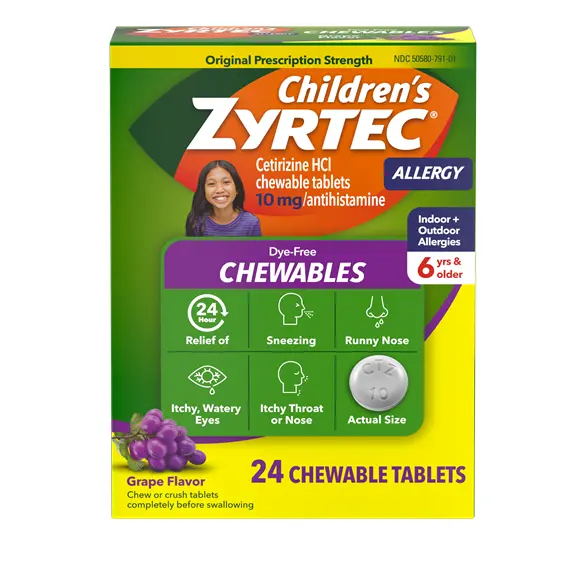
Zyrtec is more than a medication; it is a textbook example of how a brand can maintain dominance in a commoditized market. By analyzing the brand’s evolution, its emotional connection with consumers, and its strategic response to private-label competition, we can uncover the ingredients that make Zyrtec a powerhouse in the global consumer health portfolio.
The Strategic DNA: From Prescription Powerhouse to Household Essential
The story of “what’s in” the Zyrtec brand begins with a strategic maneuver known in the pharmaceutical industry as the Rx-to-OTC switch. Originally approved by the FDA as a prescription-only antihistamine, Zyrtec (developed by UCB and later marketed by Pfizer and Johnson & Johnson) occupied a high-ground position. It was framed as a potent, clinical solution that required a physician’s endorsement.
The Power of the “Switch” Strategy
When Zyrtec made the leap to over-the-counter status in 2008, it didn’t just change its regulatory category; it transformed its brand identity. The “ingredient” of clinical authority remained, but it was repackaged for the mass market. This transition is a critical phase in a brand’s life cycle. For Zyrtec, the goal was to retain the “doctor-recommended” prestige while becoming as accessible as a bottle of water.
By maintaining the same brand name and visual cues from its prescription days, Zyrtec leveraged “legacy equity.” Consumers who had previously paid high copays for the prescription version perceived the OTC version as a high-value professional tool now available for self-selection. This legacy is a core component of the brand’s value proposition, allowing it to maintain a price premium over store-brand versions of cetirizine.
Navigating the Patent Cliff
What’s truly in the Zyrtec brand is a resilient defense mechanism against the “patent cliff.” When a drug’s patent expires, generic manufacturers flood the market with identical chemical formulas at a fraction of the price. Zyrtec’s brand strategy focused on building a “moat” around its identity. Instead of competing on price, the brand doubled down on reliability and “innovation through delivery,” introducing Liquid Gels and Dissolve Tabs. These brand extensions aren’t just product variations; they are strategic moves to refresh the brand’s relevance and provide a proprietary “feel” that generics often struggle to replicate.
The Marketing Mix: Converting Science into Consumer Trust
To understand the Zyrtec brand, one must look at how it translates complex immunology into relatable human experiences. The marketing strategy for Zyrtec has shifted away from dry, clinical data toward a narrative of “uninterrupted life.” This shift highlights the core branding principle: people don’t buy products; they buy better versions of themselves.
Emotional Branding and the “Muddle No More” Narrative
For years, Zyrtec’s branding has centered on the concept of “Allergy Face” and the “Muddle.” This was a stroke of marketing genius. By identifying a specific, relatable problem—the swelling, redness, and mental fog associated with allergies—Zyrtec created a proprietary vocabulary for the consumer’s suffering.
The brand’s messaging doesn’t just say, “this stops histamine.” It says, “this helps you look and feel like yourself again.” This emotional layer is a critical ingredient in the brand’s formula. By focusing on the social and professional consequences of allergies, Zyrtec moved from a functional utility to a lifestyle enabler. This positioning is reinforced through high-energy visuals of people enjoying the outdoors, reinforcing the brand promise of freedom and vitality.
Data-Driven Engagement and Digital Integration
Modern Zyrtec branding is heavily infused with technology. The “Zyrtec AllergyCast” app is a prime example of brand utility. By providing hyper-local pollen counts and weather data, the brand integrates itself into the consumer’s daily morning routine. This isn’t just an app; it’s a touchpoint that builds brand loyalty. When a consumer checks their phone and sees a “high pollen” alert, the brand is already there to provide the solution. This “service-first” branding ensures that Zyrtec is seen as a partner in health management rather than just a pill in a box.
Brand Equity and the Battle Against Generics
The most fascinating aspect of “what’s in” Zyrtec is its intangible brand equity. In the world of finance and marketing, brand equity is the value premium that a company generates from a product with a recognizable name when compared to a generic equivalent. Despite the active ingredient being identical to the $10 store brand, Zyrtec consistently captures a massive share of the multi-billion dollar allergy market.
Visual Identity and Shelf Presence
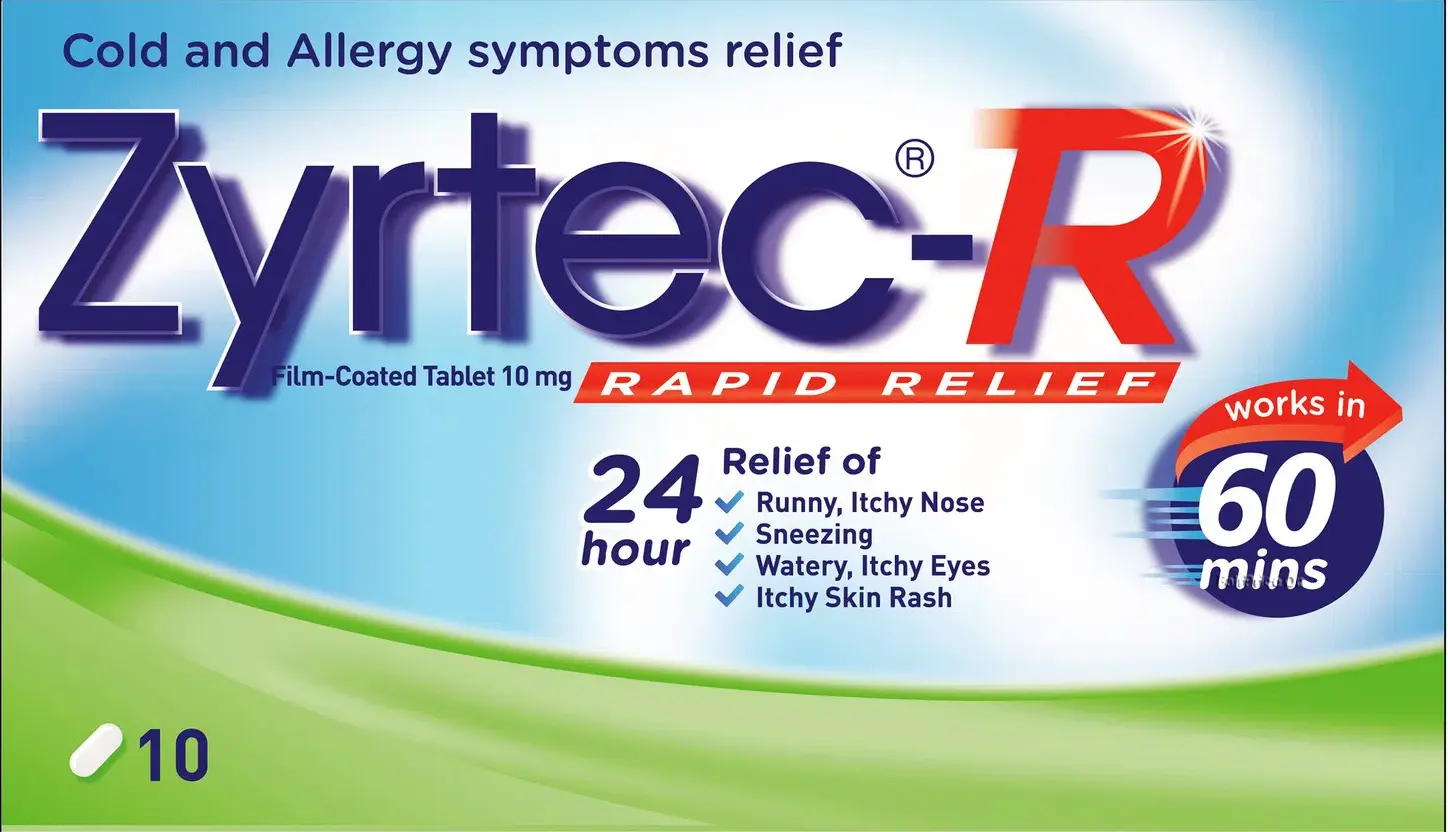
The visual “ingredients” of Zyrtec are carefully curated. The use of vibrant greens and blues evokes a sense of nature, clarity, and relief. The bold, sans-serif typography suggests modern scientific authority. Even the shape of the bottle and the “click” of the cap are designed to provide a tactile sense of quality.
In retail environments, Zyrtec utilizes a “brand block” strategy. By occupying a large, cohesive section of the shelf with various formats (pills, gels, children’s syrups), the brand creates an optical dominance that makes it the “default” choice for the overwhelmed consumer. This physical presence is a silent but powerful marketing tool that reinforces its status as the category leader.
Trust as a Non-Negotiable Asset
In the healthcare sector, trust is the ultimate currency. Zyrtec’s branding emphasizes its history of safety and efficacy. By consistently showing up in major media, sponsoring events, and maintaining a high-visibility presence in doctor’s offices, Zyrtec builds a “safety net” of familiarity. For many consumers, the $15 price difference between Zyrtec and a generic is a small price to pay for the “insurance” of a brand they know and trust. This psychological comfort is a primary ingredient in the brand’s enduring success.
The Corporate Pivot: Zyrtec in the Era of Kenvue and Modern Wellness
The final layer of “what’s in” Zyrtec is its corporate identity. Recently, Johnson & Johnson spun off its consumer health division into a new entity called Kenvue. Zyrtec is one of the “hero brands” in this new company’s portfolio. This corporate shift signifies a new chapter in the brand’s life, focusing on agility and specialized consumer focus.
Zyrtec as a Strategic Asset
Within the Kenvue portfolio, Zyrtec serves as a high-growth engine. Its branding is now part of a broader “Total Health” strategy. This means Zyrtec is no longer just an allergy medicine; it is a gateway to a wider ecosystem of wellness products. We are seeing the brand expand its presence into “wellness tech” and personalized health, reflecting a trend where corporate identity is increasingly tied to holistic consumer care.
Sustainability and the Modern Consumer
As part of its brand evolution, Zyrtec is also addressing the “ingredients” of its corporate social responsibility. Modern branding requires transparency. Consumers increasingly care about the environmental impact of packaging and the ethics of the supply chain. Zyrtec’s move toward more sustainable packaging and transparent sourcing is not just a PR move; it is a vital part of maintaining brand relevance with Gen Z and Millennial consumers who view brand values as a primary reason for purchase.
Conclusion: The Formula for Brand Longevity
When we peel back the label and ask “what’s in Zyrtec,” we find a sophisticated mixture of history, psychology, and strategic innovation. It is a brand that has successfully navigated the transition from a clinical prescription to a lifestyle staple. It has survived the threat of generics by building a deep emotional connection with its audience and leveraging data to become a daily utility.
Zyrtec’s success proves that in the modern market, the product is only the beginning. The real value lies in the brand—the trust it inspires, the problems it solves, and the identity it allows the consumer to adopt. For any brand strategist or business leader, Zyrtec serves as a masterclass in how to turn a commodity into an icon, ensuring that even when the chemical formula is public knowledge, the brand remains an untouchable asset.
aViewFromTheCave is a participant in the Amazon Services LLC Associates Program, an affiliate advertising program designed to provide a means for sites to earn advertising fees by advertising and linking to Amazon.com. Amazon, the Amazon logo, AmazonSupply, and the AmazonSupply logo are trademarks of Amazon.com, Inc. or its affiliates. As an Amazon Associate we earn affiliate commissions from qualifying purchases.