
In the world of high-end branding, few products manage to transcend their physical components to become synonymous with a lifestyle, a location, and an era. The Peach Bellini is one such phenomenon. While a bartender might tell you that a Bellini is simply a mixture of sparkling wine and peach purée, a brand strategist sees something far more complex: a masterclass in sensory marketing, heritage positioning, and the “halo effect” of luxury association.
To understand what is truly “in” a Peach Bellini, one must look past the fruit and the fizz. This article deconstructs the Bellini not as a cocktail, but as a premium brand entity, exploring how its ingredients—both literal and figurative—have created one of the most resilient identities in the global hospitality and lifestyle market.
1. The Anatomy of an Iconic Brand: Beyond the Ingredients
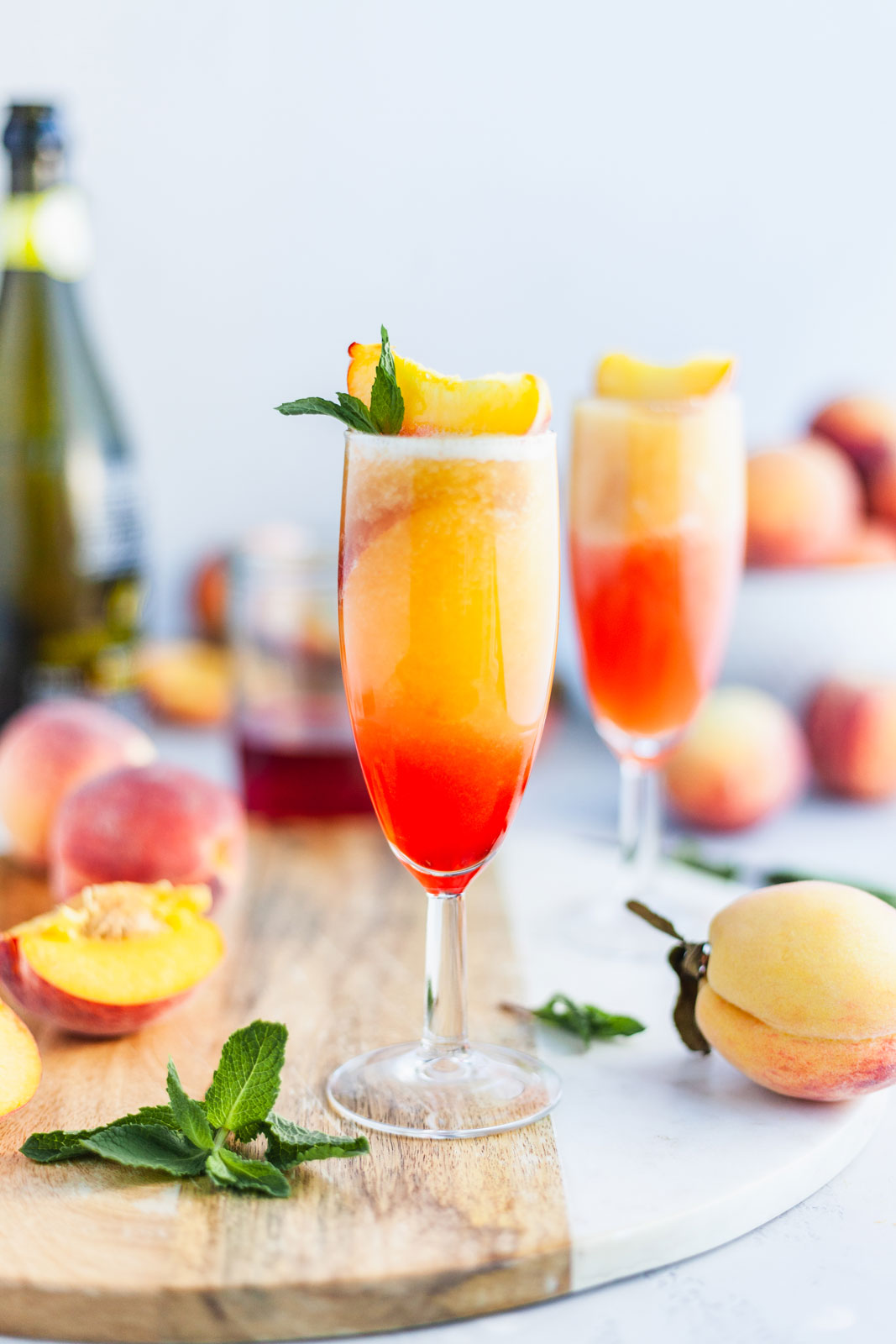
When we ask what is in a Peach Bellini, the literal answer is Prosecco and white peach purée. However, from a brand strategy perspective, the ingredients represent the “core product” in a way that emphasizes simplicity as a luxury. In branding, the more complex a product is, the harder it is to maintain a consistent identity. The Bellini’s two-ingredient minimalist structure is its greatest brand asset.
The Value of Authenticity and Sourcing
A key pillar of the Bellini brand is the specific use of white peaches, traditionally from Italy. In branding terms, this is “provenance marketing.” By specifying a rare or specific ingredient, the brand creates a barrier to entry. You cannot simply use yellow peaches or store-bought juice and call it a true Bellini. This commitment to specific sourcing creates an aura of authenticity that justifies a premium price point.
Simplicity as a Sophisticated Positioning
In the mid-20th century, cocktails were often garish and overly complex. Giuseppe Cipriani, the founder of Harry’s Bar in Venice and the creator of the Bellini, understood that luxury is often found in subtraction. By focusing on two high-quality elements, he positioned the Bellini as the “sophisticated choice” for the elite. This minimalist approach is mirrored in modern tech branding (like Apple) or high-fashion (like Celine), where the lack of clutter signals a high level of confidence in the product’s core quality.
2. Sensory Branding: Why Color and Texture Define the Experience
A successful brand is one that can be identified even if the logo is removed. If you see a soft, glowing, pink-orange drink in a flute, you immediately think “Bellini.” This is sensory branding at its most effective. The visual and tactile “ingredients” of the drink are just as important as the flavor profile.
Visual Identity: The Giovanni Bellini Connection
The naming of the Bellini is perhaps one of the most brilliant marketing moves in beverage history. Giuseppe Cipriani named the drink after the 15th-century Venetian painter Giovanni Bellini, because the color of the drink reminded him of the unique pink glow found in one of the artist’s paintings.
By linking a beverage to fine art, Cipriani successfully “borrowed” the cultural capital of the Renaissance. This is a classic brand strategy known as “Association Marketing.” It elevates the product from a mere commodity to a cultural artifact. When a consumer holds a Bellini, they aren’t just holding a drink; they are holding a piece of Venetian art history.
The Texture of Luxury: Mouthfeel and Perception
Most cocktails are thin liquids. The Bellini is unique because of the viscosity provided by the peach purée. In brand design, “haptics” (the sense of touch) play a massive role in how we perceive value. The weight and silkiness of a Bellini provide a sensory “heft” that feels more substantial than a standard glass of sparkling wine. This tactile experience reinforces the brand’s promise of indulgence and richness.
3. The Halo Effect: Leveraging Heritage and Location in Brand Identity
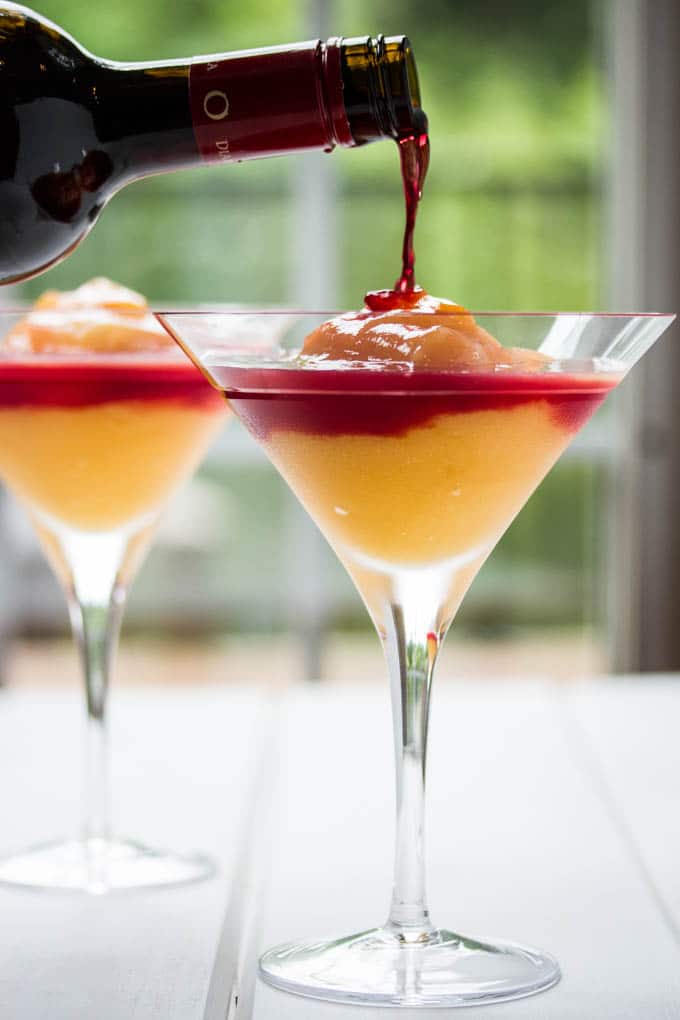
In branding, the “Halo Effect” occurs when the positive associations of one entity spill over into another. The Bellini is inextricably linked to Harry’s Bar in Venice, a legendary establishment that hosted the likes of Ernest Hemingway, Sinclair Lewis, and Orson Welles.
The Power of Origin (The Venetian Mythos)
Venice is a brand in itself, representing romance, history, and Mediterranean luxury. By being the “official” drink of Venice, the Bellini inherits all of these attributes. For a brand to succeed globally, it often needs a “spiritual home.” For the Bellini, Harry’s Bar serves as the flagship “store” or temple. Even if a consumer is drinking a Bellini at a brunch spot in Chicago or a rooftop bar in Tokyo, the brand’s heritage transports them mentally to the Venetian lagoon.
Celebrity Endorsement and Narrative Building
The Bellini was not launched with a digital ad campaign; it was launched through word-of-mouth among the global elite. The fact that Hemingway was a regular at Harry’s Bar gave the Bellini an “earned media” status that money cannot buy. This is a form of influencer marketing before the term existed. The “ingredients” of the Bellini brand include the stories of the famous writers and actors who sipped it, creating a narrative of “intellectual luxury.”
4. Market Expansion: Scaling the Bellini from Venice to Global Retail
A significant challenge for any luxury brand is how to scale without losing the essence of what made it special. The transition of the Bellini from a hand-mixed drink in a Venetian bar to a bottled product found in high-end grocery stores is a fascinating study in brand extension and IP management.
Maintaining Quality Standards in Mass Production
When the Cipriani family decided to bottle the “Bellini Cipriani,” they faced a brand risk: would a pre-mixed version devalue the original? To combat this, they leaned heavily into “Packaging Design.” The bottled Bellini uses the same minimalist, elegant aesthetic as the bar, and the marketing emphasizes that it uses the exact same white peach purée. By controlling the supply chain of the ingredients, they ensured that the “brand promise” of flavor remained intact, even at scale.
Licensing and the Lifestyle Ecosystem
Today, “Cipriani” is a global brand encompassing hotels, residences, and food products. The Bellini serves as the “entry-level” luxury product for this ecosystem. It is a “gateway brand.” A consumer might not be able to afford a night at a Cipriani hotel, but they can afford a bottle of Cipriani Bellini or a glass at a licensed restaurant. This strategy allows the brand to maintain its high-end positioning while capturing a wider market share through “accessible luxury.”
5. The Future of the Bellini Brand: Adaptation and Innovation
In the modern market, even classic brands must adapt to changing consumer behaviors. The “what’s in a Bellini” question is now being answered by new trends in the beverage industry, specifically the rise of non-alcoholic options and sustainable sourcing.
Navigating the “Sober Curious” Movement
As younger demographics move away from heavy alcohol consumption, the Bellini brand has a unique advantage. Because the peach purée is such a dominant and high-quality “ingredient,” the Bellini can easily be adapted into a “Mocktail” or “Virgin Bellini” by substituting Prosecco with high-quality sparkling grape juice or tonic. This allows the brand to remain relevant in the “Wellness” and “Health” sectors of the market without losing its identity.
Sustainability as a Brand Pillar
Modern consumers are increasingly concerned with where their food and drink come from. To maintain its premium status, the Bellini brand must continue to emphasize its agricultural roots. Supporting small-scale Italian peach orchards and utilizing sustainable farming practices are becoming the “new ingredients” of the Bellini brand. In the 21st century, a brand’s “inner workings” (its ethics and supply chain) are just as visible to the consumer as the liquid in the glass.
Conclusion: The Recipe for Brand Longevity
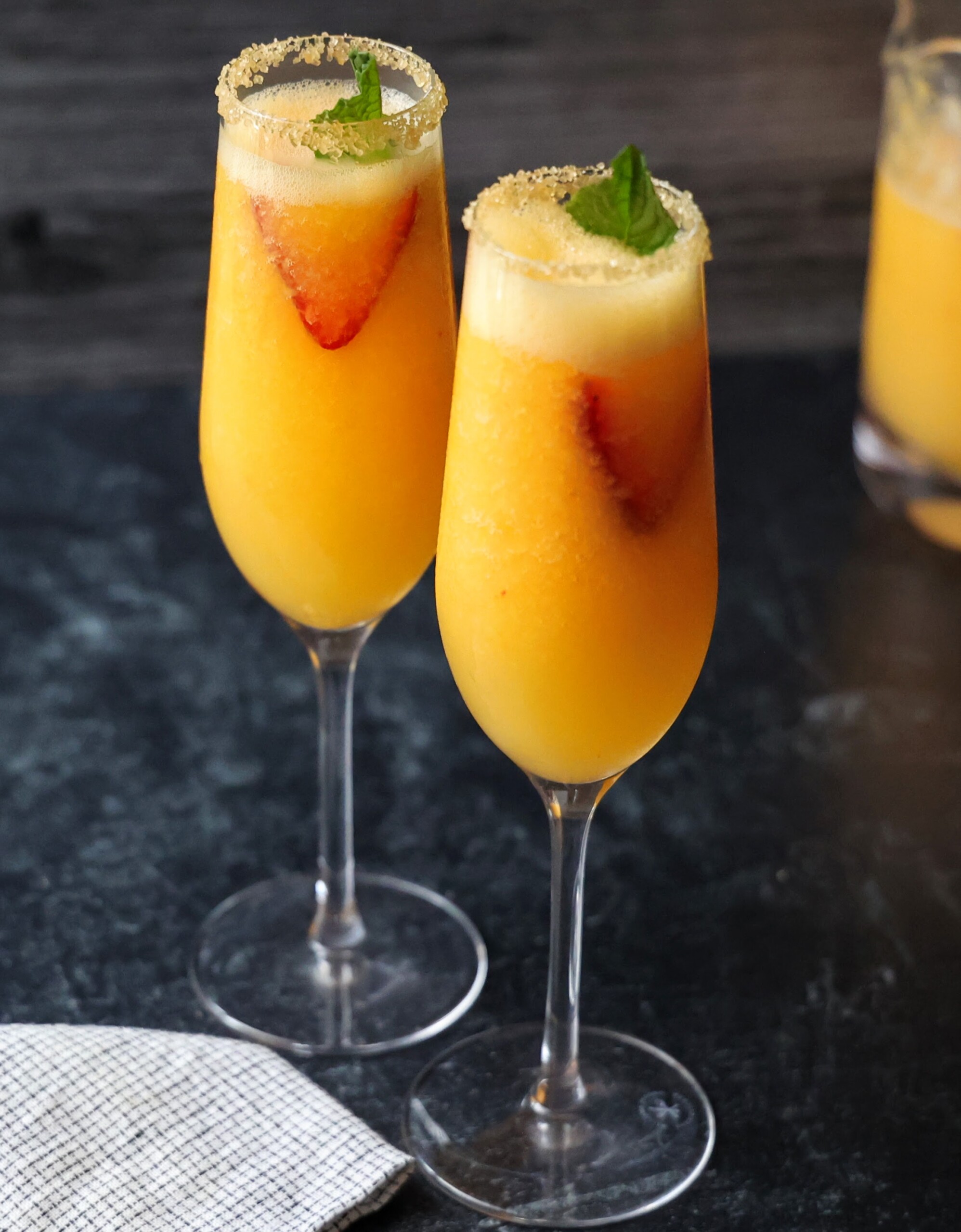
So, what is in a Peach Bellini? On the surface, it is a simple Italian cocktail. But beneath the surface, it is a complex blend of art history, celebrity heritage, sensory science, and strategic market positioning.
The Bellini’s success teaches us that a great brand is built on a foundation of quality, but it is sustained by the stories we tell about it. By linking a product to a specific place, a specific person, and a specific sensory experience, the creators of the Bellini turned a seasonal fruit drink into a global icon of luxury. For brand strategists and entrepreneurs, the Peach Bellini serves as a reminder that the most powerful brands are those that can be described in two words, but felt in a thousand ways.
aViewFromTheCave is a participant in the Amazon Services LLC Associates Program, an affiliate advertising program designed to provide a means for sites to earn advertising fees by advertising and linking to Amazon.com. Amazon, the Amazon logo, AmazonSupply, and the AmazonSupply logo are trademarks of Amazon.com, Inc. or its affiliates. As an Amazon Associate we earn affiliate commissions from qualifying purchases.