
In the contemporary landscape of brand management, the line between the personal and the professional has become increasingly blurred. As consumers demand higher levels of authenticity, transparency, and social responsibility from the companies they support, the concept of “emotional boundaries” has migrated from the realm of clinical psychology into the core of brand strategy.
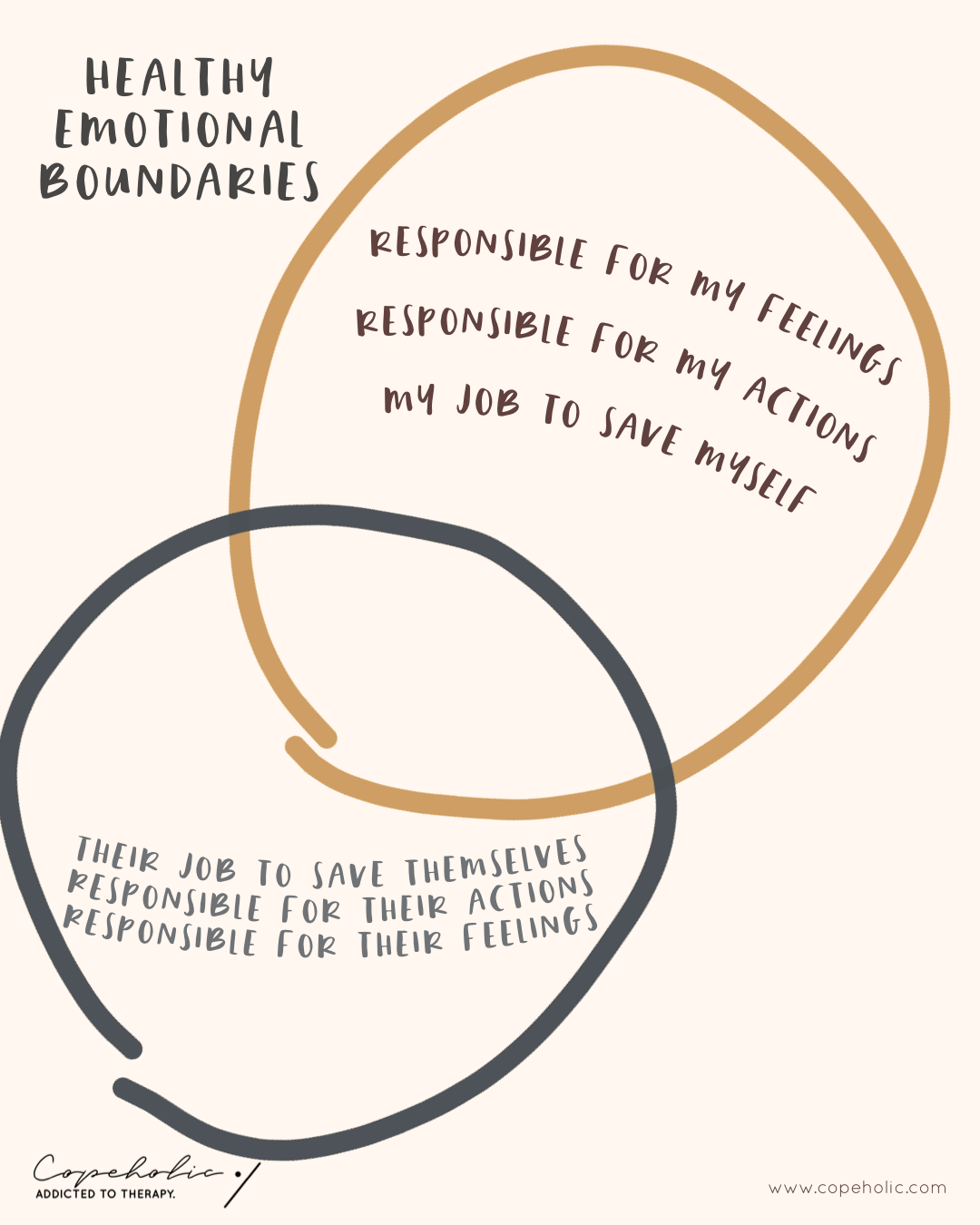
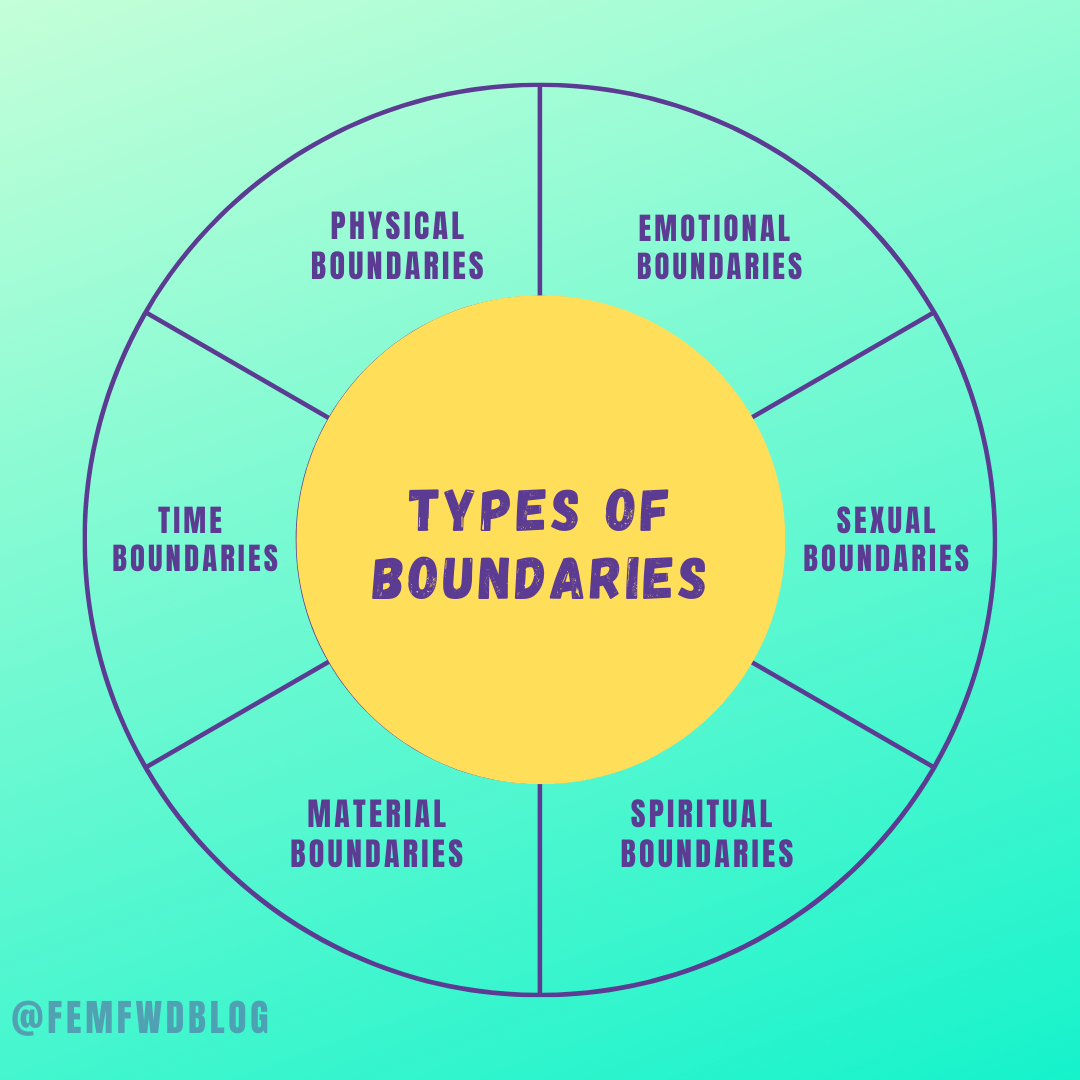
In a branding context, emotional boundaries represent the strategic limits a brand sets regarding its engagement, vulnerability, and relationship with its audience. It is the framework that dictates how a brand shares its “human” side without sacrificing its authority or professional integrity. For personal brands and corporate entities alike, understanding and maintaining these boundaries is the difference between a brand that is relatably human and one that is uncomfortably overexposed.
Defining Emotional Boundaries in Brand Strategy
At its core, a brand is a promise of consistency. Emotional boundaries are the guardrails that ensure this consistency is maintained even when a brand attempts to connect on a deeper, more emotional level. Without these boundaries, a brand risks “enmeshment” with its audience—a state where the brand’s identity is too heavily influenced by fluctuating public opinion or the personal whims of its leadership.
The Intersection of Vulnerability and Authority
The modern marketing ethos, heavily influenced by the “vulnerability” movement, suggests that brands should be open about their failures and struggles. However, in professional branding, vulnerability must be strategic. Emotional boundaries define the “what, when, and why” of disclosure. A brand that shares its struggles with supply chain ethics while simultaneously presenting a solution maintains its authority. Conversely, a brand that vents about its internal chaos without a strategic purpose violates an emotional boundary, signaling to the consumer that the brand is no longer a stable entity capable of fulfilling its promise.
Protecting Brand Equity through Consistent Limits
Brand equity is built on trust, and trust is built on predictable behavior. When a brand sets firm emotional boundaries, it communicates to the market that it has a solid internal compass. This means knowing which cultural conversations to join and which to avoid. A brand with weak boundaries often “trend-jacks” every emotional or political movement, leading to a diluted identity. By setting boundaries, a brand protects its core values, ensuring that its emotional output is always aligned with its long-term corporate identity.
The Role of Emotional Boundaries in Personal Branding
For solopreneurs, influencers, and executives, the brand is the person. This creates a unique challenge where the lack of emotional boundaries can lead to burnout and a loss of professional credibility. In personal branding, boundaries are not about being “fake”; they are about being “selective” for the sake of the brand’s longevity.
Authenticity vs. TMI (Too Much Information)
The “authenticity paradox” suggests that the more a personal brand shares, the more “real” they seem. However, there is a sharp divide between being authentic and “trauma dumping” or oversharing (TMI). Healthy emotional boundaries allow a personal brand to share relatable stories that serve the audience’s needs rather than the creator’s need for validation. If the content is designed to make the audience “care for” the brand owner rather than “learn from” them, the professional boundary has likely been crossed. Strategic authenticity uses personal narrative as a tool to illustrate brand values, not as a raw emotional outlet.
Managing the Creator-Audience Relationship
Digital platforms encourage parasocial relationships, where followers feel a deep, one-sided emotional connection to a brand. Without emotional boundaries, a personal brand can become a slave to its audience’s expectations. This often leads to “audience-pleasing,” where the brand loses its original vision to satisfy the loudest voices in the comments section. Establishing boundaries—such as specific engagement hours, clear “off-limits” topics, and a distinct separation between private life and public persona—is essential for maintaining the mental health of the brand owner and the professional status of the brand itself.

Navigating Emotional Boundaries in Corporate Marketing
For larger corporations, emotional boundaries are often managed through the lens of “brand voice” and “community management.” As brands try to act more like “friends” on social media, the risk of violating emotional boundaries increases, potentially leading to PR disasters or the alienation of core demographics.
Empathetic Marketing and Ethical Limits
Empathy is a powerful marketing tool, but it requires strict ethical boundaries. Brands often use emotional triggers—fear, nostalgia, or the desire for belonging—to drive conversions. When these boundaries are ignored, marketing becomes manipulative. A brand with healthy emotional boundaries practices “responsible empathy.” This means acknowledging the consumer’s pain points without exploiting them. It involves setting a boundary that says: “We will connect with you on this issue, but we will not weaponize your emotions for a short-term sales spike.”
Handling Crisis Communication with Emotional Intelligence
When a brand faces a crisis, its emotional boundaries are put to the ultimate test. A brand without boundaries often reacts defensively, mirroring the anger or frustration of the public. This “reactive” stance is a failure of emotional regulation. Insights from brand psychology suggest that a brand should maintain a boundary of “professional distance” during a crisis. This doesn’t mean being cold or robotic; it means responding with a regulated, calm, and solution-oriented tone. By not taking social media vitriol personally, the brand can maintain its composure and lead the narrative back to resolution.
Implementing Boundaries in Brand Design and Voice
Emotional boundaries are not just theoretical; they are expressed through the tangible assets of a brand, including its visual identity and the tone of its copy. These elements serve as the “skin” of the brand, signaling to the world how it expects to be treated and how it will interact with others.
Visual Psychology and Emotional Restraint
Every color, font, and image carries an emotional weight. A brand that lacks visual boundaries often feels cluttered and overwhelming, trying to evoke too many emotions at once (e.g., excitement, trust, luxury, and urgency). Strategic brand design uses emotional restraint. By choosing a limited palette and a focused aesthetic, a brand sets a boundary that says: “This is our emotional space.” For example, a luxury brand uses minimalist design to create a boundary of “exclusivity” and “calm,” purposely distancing itself from the high-energy, high-noise visuals of discount retail.
Voice and Tone: Establishing the Digital Handshake
The brand voice is the primary vehicle for emotional boundaries. It establishes the “terms of engagement” for every interaction. A brand might adopt a “Friendly Expert” persona, which sets a boundary of being approachable but knowledgeable. This voice avoids overly slangy language that would compromise its expertise, while also avoiding overly academic jargon that would compromise its friendliness. This “digital handshake” tells the customer exactly what kind of emotional relationship they are entering. It prevents the brand from becoming “too close” (which can feel invasive) or “too far” (which can feel transactional).
The Long-Term ROI of Healthy Brand Boundaries
In the final analysis, emotional boundaries are a form of risk management. While it may be tempting to chase “viral” moments by crossing boundaries and sharing something shocking or deeply personal, the long-term health of a brand depends on its perceived stability. Brands that understand their emotional limits build more resilient relationships with their customers.
When a brand stays within its established boundaries, it creates a “safe space” for the consumer. The consumer knows what to expect, how the brand will react, and what values the brand stands for. This predictability breeds loyalty that transcends price points and product features. By defining what a brand is not and what it will not do, the brand paradoxically becomes much more attractive to its target audience.
Setting emotional boundaries is not about building walls; it is about building a foundation. In a world of digital noise and constant emotional demand, the brands that thrive will be those that know exactly where they stand, how they feel, and where they draw the line. This clarity of identity is the ultimate competitive advantage in the modern marketplace.
aViewFromTheCave is a participant in the Amazon Services LLC Associates Program, an affiliate advertising program designed to provide a means for sites to earn advertising fees by advertising and linking to Amazon.com. Amazon, the Amazon logo, AmazonSupply, and the AmazonSupply logo are trademarks of Amazon.com, Inc. or its affiliates. As an Amazon Associate we earn affiliate commissions from qualifying purchases.