
The unassuming banh mi, a Vietnamese sandwich, has transcended its humble origins to become a global culinary icon. While often perceived merely as a delightful street food, a deeper analysis reveals that its stratospheric rise and enduring popularity are attributable to a meticulously crafted, albeit often unconscious, brand strategy. “What’s in a banh mi?” then, is not merely a question about its tangible ingredients, but a profound inquiry into the components that forge its unique identity, resonate with diverse audiences, and solidify its position as a powerful, universally recognized brand. This article explores the branding genius behind the banh mi, examining how its heritage, sensory design, marketing, and cultural resonance contribute to its unparalleled global appeal.

The Anatomy of an Icon: Beyond Bread and Fillings
At its core, every successful brand possesses a distinctive identity, a unique “fingerprint” that differentiates it from competitors. For the banh mi, this identity is intricately woven from its historical narrative and a meticulously balanced sensory blueprint, making it far more than just a sandwich; it’s an experience, a cultural touchstone.
Historical Roots and Cultural Capital
The banh mi brand narrative is deeply rooted in a fascinating fusion of colonial history and indigenous innovation. Born from the convergence of French culinary techniques (the baguette, pâté) and Vietnamese resourcefulness (local meats, fresh herbs, pickled vegetables), its origin story is one of adaptation, resilience, and creative synthesis. This historical narrative imbues the banh mi with immense cultural capital. It’s not just food; it’s a testament to Vietnamese ingenuity, a symbol of national identity that has been embraced and reinterpreted across generations. For consumers, this historical depth adds a layer of authenticity and intrigue, making the banh mi a ‘story brand’ that connects with a yearning for heritage and discovery. Brands that effectively leverage their origin stories, as the banh mi does, cultivate a profound emotional connection with their audience, transforming a transactional interaction into a meaningful cultural exchange. This cultural grounding is an invaluable, irreplaceable asset that no marketing budget alone could replicate, offering a powerful competitive advantage in a crowded global food landscape.
The Sensory Blueprint: Taste, Texture, and Aroma as Brand Assets
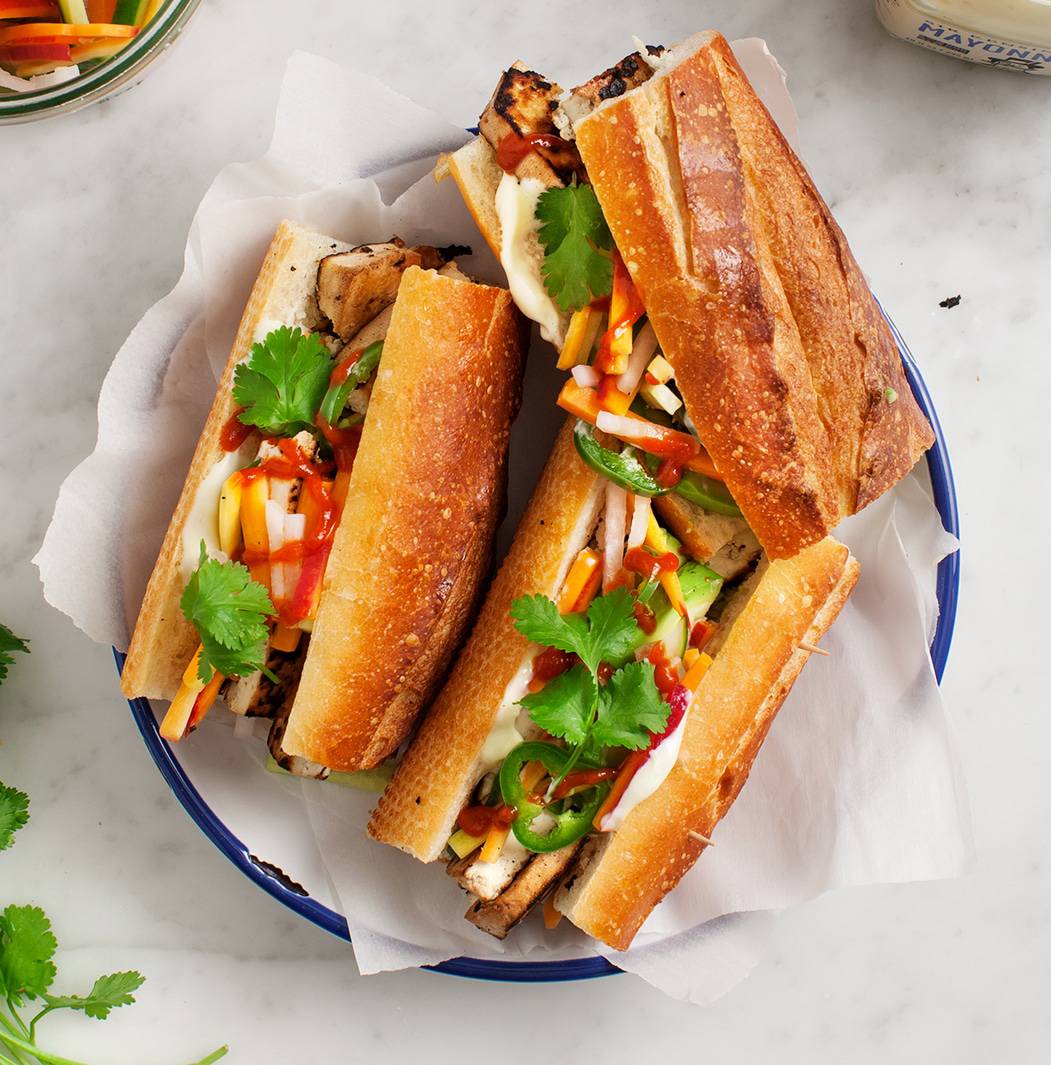
Beyond its historical narrative, the banh mi’s brand strength lies in its perfectly orchestrated sensory experience, a masterclass in product design. Each component — from the crisp, airy baguette to the savory fillings, the piquant pickled vegetables, the freshness of cilantro, and the creamy richness of pâté or mayonnaise — is a meticulously chosen brand asset. The crunch of the bread, the chewiness of the meat, the tangy burst of the pickles, and the aromatic blend of herbs create a multi-sensory journey that is instantly recognizable and deeply satisfying. This distinctive combination creates a unique flavor profile that is the banh mi’s equivalent of a brand’s visual logo or jingle – it’s an unmistakable signature.
Consider the interplay of contrasts: hot and cold, soft and crunchy, sweet and sour, salty and umami. This harmonious tension is not accidental; it’s a deliberate design that caters to a wide spectrum of palates while maintaining a distinct identity. The banh mi teaches us that effective brand design extends beyond aesthetics into the realm of experience. By consistently delivering a unique and memorable sensory experience, the banh mi fosters brand loyalty and encourages repeat consumption. It’s a testament to how a product’s intrinsic qualities, when perfectly balanced, can become its most potent branding tool, driving word-of-mouth and cultivating a devoted global following.
Crafting the Core Identity: The Banh Mi’s Unique Selling Proposition
Every successful brand articulates a clear Unique Selling Proposition (USP) that highlights what makes it special and why consumers should choose it. The banh mi’s core identity is powerfully defined by two seemingly simple yet profoundly impactful attributes: its unwavering authenticity and its democratic accessibility.
Authenticity as a Brand Cornerstone
In an increasingly globalized world, authenticity has become a highly coveted brand value. The banh mi, despite its widespread adoption and adaptation, largely retains an inherent sense of authenticity. Its core preparation methods, traditional ingredients, and the cultural context of its consumption—often from street vendors or small, family-run establishments—reinforce its genuine character. Even as it travels across continents, the expectation of “true” banh mi persists, dictating a certain standard of ingredient quality, freshness, and preparation technique. This perceived authenticity is a powerful draw for consumers who seek genuine cultural experiences and products untainted by excessive commercialization.
The banh mi brand leverages this by allowing for local variations while ensuring its essential “DNA” remains intact. A banh mi in Paris might feature different cold cuts than one in Ho Chi Minh City, or one in Los Angeles might offer vegetarian options, yet the fundamental structure—the baguette, the fresh herbs, the pickled vegetables, the interplay of textures and flavors—remains recognizable. This delicate balance between tradition and adaptation reinforces the brand’s authenticity, signaling to consumers that they are engaging with a product that respects its heritage while embracing its global journey. Brands that successfully navigate this paradox, maintaining a strong authentic core while allowing for relevant flexibility, often achieve both deep loyalty and broad market penetration.
Affordability and Accessibility: Democratizing Gourmet
Perhaps one of the banh mi’s most compelling brand differentiators is its exceptional value proposition: delivering gourmet-level flavor and satisfaction at an incredibly accessible price point. Historically a staple for the working class in Vietnam, the banh mi has maintained this ethos of affordability, even as its popularity has surged globally. This positioning as an affordable indulgence makes it a democratic brand, appealing to a vast demographic spectrum, from budget-conscious students to discerning foodies. It shatters the myth that exceptional culinary experiences must come with a hefty price tag.
This accessibility extends beyond mere cost. Banh mi is typically designed for on-the-go consumption, making it convenient and adaptable to modern, fast-paced lifestyles. Its format is inherently user-friendly, requiring no cutlery or formal dining setting. This combination of affordability and convenience significantly broadens its market appeal, positioning it not as an exclusive delicacy, but as an everyday luxury. For any brand, achieving this balance—delivering high perceived value at a low cost with broad availability—is a monumental achievement. It underscores how practical considerations like pricing and distribution can become powerful pillars of a brand’s identity, making a product not just desirable, but also attainable for the masses, fostering a widespread and enduring affection that few culinary brands can match.

Global Expansion and Brand Adaptation
The journey of banh mi from Vietnamese street food to international sensation offers a compelling case study in brand expansion. Its success lies not just in its intrinsic appeal, but in its strategic (and often organic) adaptation to diverse markets, leveraging both digital reach and localized narratives.
Localizing the Legend: Balancing Tradition with Innovation
As the banh mi brand ventured beyond Vietnam, its genius lay in its capacity for intelligent adaptation without losing its core identity. This localization strategy is crucial for global brand success. Instead of rigid adherence to a single recipe, the banh mi demonstrated a remarkable flexibility, incorporating regional ingredients and catering to local palates while retaining its characteristic structure and flavor profile. In Western markets, it might feature roast pork belly, grilled chicken, or even plant-based fillings, alongside the ubiquitous pickled carrots and daikon, cilantro, and chili. This adaptability allows the brand to remain relevant and exciting in new contexts, appealing to a broader customer base without alienating traditionalists.
This balanced approach—preserving the brand’s ‘soul’ while innovating its ‘form’—is a masterclass in brand management. It demonstrates that global brands don’t need to be monolithic; they can thrive through thoughtful customization. By doing so, the banh mi fosters a sense of discovery and ownership among local consumers, making it feel less like an imported foreign food and more like a welcome addition to the local culinary landscape. This strategy cultivates both brand novelty and brand loyalty, proving that successful global brands are those that can speak many languages, both literally and gastronomically.
Digital Footprint and Storytelling: Engaging the Modern Consumer
In the contemporary landscape, a brand’s digital presence and storytelling capabilities are paramount. The banh mi, despite its analogue origins, has profoundly benefited from digital platforms. Food blogs, social media, and online review sites have amplified its narrative, turning individual encounters into shared experiences. Consumers are not just buying a sandwich; they are participating in a global culinary conversation. Hashtags like #banhmi and #vietnamesefood generate millions of impressions, creating organic, user-generated content that serves as invaluable, authentic marketing.
Moreover, the visual appeal of a banh mi—its vibrant colors and tantalizing textures—makes it inherently ‘Instagrammable’, driving viral shares and creating a powerful digital footprint. This visual storytelling acts as a self-propagating marketing engine. Food influencers and everyday consumers alike become brand ambassadors, sharing their banh mi experiences and inadvertently expanding the brand’s reach. This digital engagement transforms the banh mi from a mere food item into a cultural phenomenon, continuously refreshed and recontextualized by its global audience. For modern brands, the banh mi’s journey underscores the power of a compelling product to generate its own digital buzz, creating a community of passionate advocates who drive its continued relevance and expansion.
The Future of a Culinary Brand: Challenges and Opportunities
As the banh mi continues its ascendancy, it faces both the opportunities and challenges inherent in any rapidly expanding global brand. Its continued success hinges on strategic navigation of brand integrity and leveraging emerging consumer values.
Maintaining Brand Integrity Amidst Rapid Growth
One of the significant challenges for the banh mi brand, as it scales globally, is maintaining its integrity and authenticity. As its popularity grows, there’s an increasing risk of dilution through mass production, ingredient compromises, or misinterpretation of its core essence. Brands that expand too rapidly without a clear quality control strategy can quickly erode consumer trust and diminish their unique selling proposition. For banh mi, this means safeguarding the quality of its key ingredients—the baguette’s texture, the freshness of the herbs, the balance of the fillings—and preserving the hands-on craft that defines its preparation.
Franchising and licensing models, while offering expansion opportunities, require rigorous brand guidelines to ensure consistency. The banh mi must resist the temptation to become generic, retaining the distinctive qualities that made it special in the first place. This involves a delicate balancing act: allowing for innovation and regional adaptation without losing the “Vietnamese soul” that forms its brand foundation. Brands that successfully navigate this challenge often invest in robust supply chains, partner with passionate entrepreneurs, and consistently communicate their commitment to quality and heritage.
Leveraging Sustainability and Ethical Sourcing for Brand Value
Looking ahead, the banh mi brand has a significant opportunity to embed contemporary values like sustainability and ethical sourcing into its identity, thereby enhancing its brand value and appealing to an increasingly conscious consumer base. As consumers become more aware of the environmental and social impact of their food choices, brands that prioritize these aspects gain a competitive edge. For the banh mi, this could involve highlighting responsibly sourced meats, locally grown fresh produce, or even promoting eco-friendly packaging solutions.
Communicating these efforts transparently can deepen consumer trust and loyalty, transforming the banh mi from merely a delicious sandwich into a brand that aligns with modern ethical considerations. Imagine a banh mi vendor proudly showcasing the origins of their ingredients or their commitment to reducing food waste. These practices not only contribute to a better world but also enrich the brand narrative, positioning the banh mi as a forward-thinking, responsible culinary leader. By embracing these opportunities, the banh mi can not only sustain its growth but also evolve into a powerful, purpose-driven brand that resonates deeply with the values of the 21st-century consumer.
In conclusion, “what’s in a banh mi” is a testament to the power of intuitive, culturally rich branding. It’s a masterclass in how a product’s historical narrative, sensory design, affordability, adaptability, and digital resonance can coalesce to create a global brand that transcends language and borders. Its journey from a local delicacy to an international sensation provides invaluable lessons for any brand aspiring to build a lasting, beloved legacy.
aViewFromTheCave is a participant in the Amazon Services LLC Associates Program, an affiliate advertising program designed to provide a means for sites to earn advertising fees by advertising and linking to Amazon.com. Amazon, the Amazon logo, AmazonSupply, and the AmazonSupply logo are trademarks of Amazon.com, Inc. or its affiliates. As an Amazon Associate we earn affiliate commissions from qualifying purchases.