
Jordan Peterson. The name itself often elicits a strong, polarized reaction. Once primarily known as a clinical psychologist and professor, his public persona has dramatically evolved into something far more complex, influencing discourse across social media, political arenas, and intellectual circles. Examining “what’s happening to Jordan Peterson” through the lens of Brand Strategy allows us to dissect the dynamic evolution of his personal brand, the deliberate and perhaps unintended consequences of his communication strategies, and the ongoing challenge of maintaining relevance and resonance in an ever-evolving digital landscape.

Peterson’s journey from academic to global influencer is a fascinating case study in personal branding, particularly in the context of the internet’s power to amplify voices and shape narratives. His success, and indeed some of the controversies surrounding him, are inextricably linked to how his brand has been constructed, communicated, and perceived. This analysis will delve into the core elements that have defined and continue to shape the Jordan Peterson brand, exploring its resilience, its vulnerabilities, and the strategic implications of its trajectory.
The Genesis of a Public Intellectual: Building a Foundation of Authority
Jordan Peterson’s ascent to prominence wasn’t an overnight phenomenon. It was a carefully cultivated process, leveraging his existing credentials to establish a strong foundation of perceived authority and expertise. This initial phase of his personal brand development was instrumental in garnering a significant following and setting the stage for his broader impact.
Leveraging Academic Credibility
Before the widespread internet fame, Jordan Peterson was a respected academic at the University of Toronto. His work in clinical psychology, particularly his research on personality, motivation, and meaning, provided him with a solid intellectual bedrock. This academic background lent him an air of authority and seriousness that resonated with a segment of the population seeking intellectual depth and structured thought.
His early books, such as “Maps of Meaning: The Architecture of Belief,” laid the groundwork for his philosophical explorations. These were dense, academic works that appealed to a niche audience interested in psychology, philosophy, and mythology. The complexity and depth of his early writings served to establish him as a thinker, not just a commentator. This was a crucial element in his personal brand, positioning him as someone who had spent years grappling with profound questions, thus earning him the right to speak authoritatively on them.
Early Forays into Digital Platforms: The Spark of Wider Reach
While his academic work provided the foundation, it was his engagement with digital platforms that truly catalyzed his brand’s expansion. His early YouTube videos, often lectures and interviews, began to capture a wider audience beyond the university walls. These videos were characterized by his distinctive speaking style, his articulate articulation of complex ideas, and his willingness to tackle controversial topics.
The decision to make his lectures and interviews freely available online was a strategic, albeit perhaps initially unintentional, branding move. It democratized access to his ideas, allowing individuals from diverse backgrounds and geographical locations to engage with his work. This accessibility was key to building a community of followers who felt personally connected to his message and his persona. The raw, unedited nature of some of these early digital releases also contributed to an authentic feel, further enhancing the perception of his genuine commitment to his intellectual pursuits.
The Amplification Engine: Social Media and the Polarization of Perception
The true turning point in Jordan Peterson’s personal brand trajectory was his masterful, and often controversial, utilization of social media platforms. These platforms acted as powerful amplification engines, propelling his ideas to a global audience and, in doing so, significantly contributing to the polarized perceptions that now define him.
Strategic Content Dissemination: YouTube, Twitter, and Beyond
Peterson’s engagement with social media was not merely passive sharing; it was a highly active and strategic process. His YouTube channel became a central hub for his content, featuring long-form lectures, interviews, and responses to current events. This strategy allowed him to control the narrative and present his ideas in a comprehensive and detailed manner, appealing to those who sought in-depth analysis.
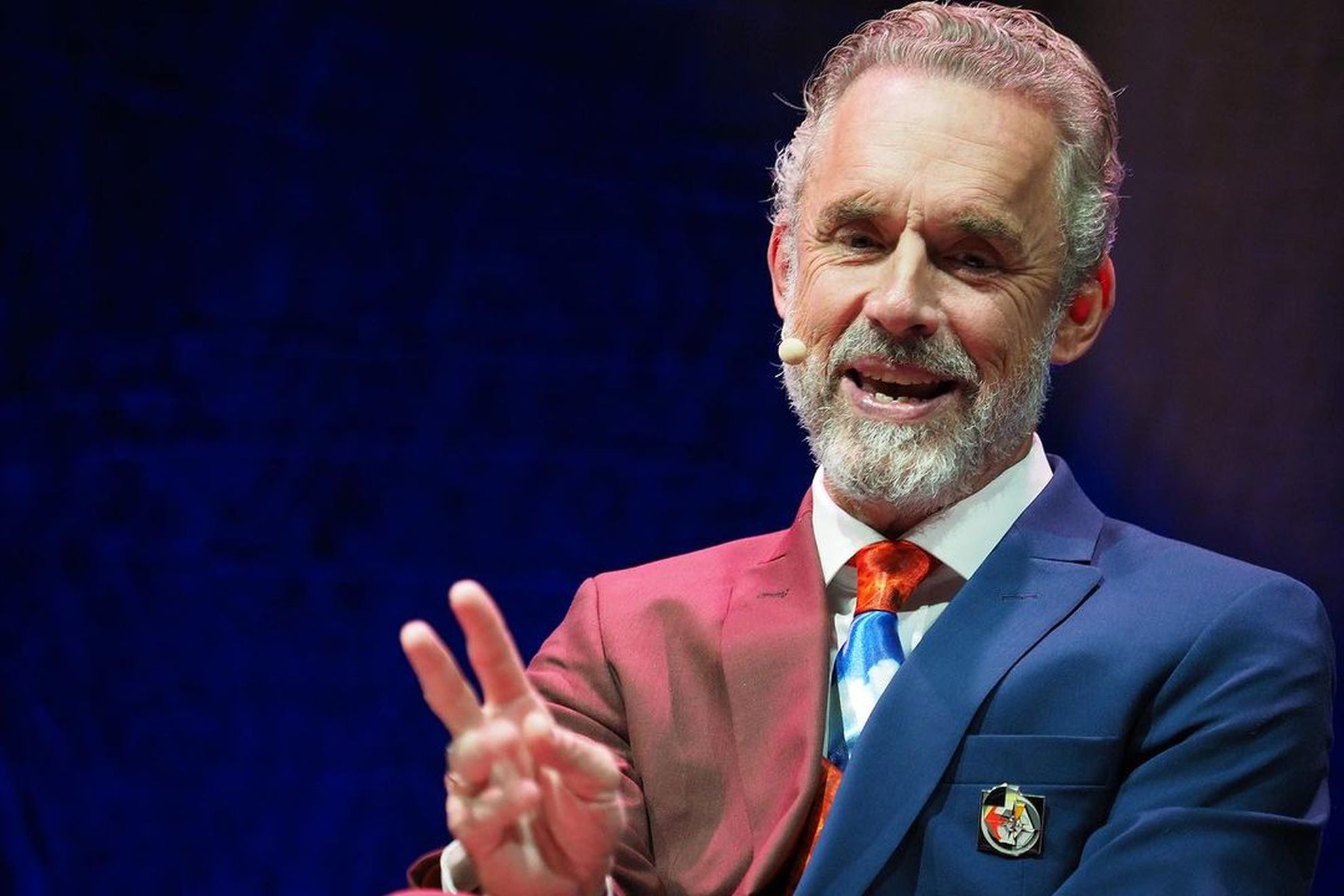
Simultaneously, his presence on platforms like Twitter became a lightning rod for attention. His often provocative tweets, designed to challenge prevailing orthodoxies and engage in public debate, generated significant controversy. While these controversies often led to criticism and accusations of insensitivity, they also served to increase his visibility exponentially. Each public spat, each backlash, became a new chapter in the ongoing narrative of his brand, attracting both fervent supporters and staunch detractors. This deliberate engagement with controversial topics, framed within his intellectual framework, was a high-stakes branding tactic that undeniably solidified his presence in the public consciousness.
The Two-Edged Sword of Controversy: Building Loyalty and Alienating Audiences
The controversies that have surrounded Jordan Peterson are not mere footnotes to his career; they are integral to the evolution of his personal brand. His outspoken stance on issues such as political correctness, identity politics, and freedom of speech has resonated deeply with a significant audience who feel unheard or misrepresented by mainstream discourse. This has fostered an intense sense of loyalty and identification among his supporters, who see him as a brave intellectual warrior fighting against what they perceive as encroaching ideological conformity.
However, this same approach has also led to significant alienation of other audiences. Critics often accuse him of perpetuating harmful stereotypes, engaging in inflammatory rhetoric, and lacking empathy. The visceral reactions from these groups underscore the polarized nature of his brand. From a branding perspective, this polarization is a powerful, albeit double-edged, sword. It creates a highly engaged and devoted core audience, but it also limits the potential for broader appeal and can lead to boycotts, deplatforming attempts, and sustained public scrutiny. The challenge for Peterson, and for any public figure navigating such a landscape, is managing the fallout from controversy while maintaining the core message that galvanized his initial support.
Navigating the Evolving Digital Landscape: Adaptation and the Future of the Peterson Brand
The digital ecosystem is in constant flux, with new platforms emerging and existing ones evolving their algorithms and user behaviors. For a personal brand as deeply intertwined with digital engagement as Jordan Peterson’s, navigating these changes is crucial for sustained relevance and impact. His brand’s future will depend on his ability to adapt his communication strategies while staying true to the core tenets that have defined his public persona.
Diversification of Platforms and Content Formats
As the digital landscape shifts, so too must the strategies of prominent figures within it. Jordan Peterson has demonstrated an awareness of this by diversifying his content formats and exploring new platforms beyond his initial YouTube and Twitter presence. This includes engaging in podcasts, live events, and even ventures into merchandise and other commercial enterprises that extend his brand reach.
This diversification is a strategic move to mitigate risks associated with relying too heavily on any single platform. For instance, changes in social media algorithms or policy shifts can significantly impact reach. By establishing a presence across multiple channels, Peterson can ensure a more resilient connection with his audience. Furthermore, exploring different content formats allows him to cater to various audience preferences, from short, impactful statements on social media to in-depth discussions on his podcast. This adaptability is essential for a personal brand aiming for long-term endurance in a fast-paced digital world.
The Challenge of Authenticity vs. Commercialization
A significant challenge for any personal brand that achieves widespread commercial success is the tension between maintaining authenticity and the pressures of commercialization. As Jordan Peterson’s influence has grown, so too have the opportunities for monetization, ranging from book sales and speaking engagements to merchandise and subscription services. This presents a delicate balancing act.
For his brand to remain credible, it must appear to be driven by genuine conviction and intellectual pursuit, rather than solely by commercial interests. Critics often scrutinize such transitions, looking for any sign that the core message has been compromised for profit. The success of the Peterson brand hinges on his ability to integrate commercial aspects in a way that feels congruent with his established persona. This might involve clearly demarcating commercial ventures from his core intellectual output or ensuring that any products or services offered align with his stated values and beliefs. The ongoing perception of authenticity will be a critical determinant of his brand’s long-term viability and its ability to continue resonating with its core audience.

Sustaining Relevance in an Increasingly Fragmented Media Environment
In today’s fragmented media environment, capturing and maintaining audience attention is a formidable task. Jordan Peterson’s brand has achieved a remarkable level of sustained relevance, partly due to its polarizing nature which inherently sparks discussion and debate. However, the long-term sustainability of this relevance will require more than just controversy.
The future of the Peterson brand will likely involve a continued emphasis on his core themes of individual responsibility, meaning, and the navigation of societal challenges. As the world grapples with increasingly complex issues, the demand for frameworks to understand and address them will persist. Peterson’s ability to adapt his messaging, perhaps by evolving his perspectives or by engaging with new intellectual currents, will be crucial. Furthermore, cultivating a community that goes beyond passive consumption and actively participates in discussion and intellectual engagement will be key to fostering enduring loyalty. The success of his brand in the years to come will be a testament to his capacity for strategic adaptation and his continued ability to offer compelling narratives in a constantly shifting global discourse.
aViewFromTheCave is a participant in the Amazon Services LLC Associates Program, an affiliate advertising program designed to provide a means for sites to earn advertising fees by advertising and linking to Amazon.com. Amazon, the Amazon logo, AmazonSupply, and the AmazonSupply logo are trademarks of Amazon.com, Inc. or its affiliates. As an Amazon Associate we earn affiliate commissions from qualifying purchases.