
For decades, Boeing was the gold standard of American industrial might. It was more than just an aerospace company; it was a cornerstone of the U.S. economy, a massive exporter, and a symbol of engineering perfection. However, in recent years, the narrative surrounding Boeing has shifted from one of soaring innovation to one of systemic financial crisis. Investors, analysts, and stakeholders are now asking a singular, urgent question: What is happening to Boeing’s bottom line?
To understand the current state of Boeing, one must look past the headlines of mid-air incidents and technical glitches to examine the underlying financial erosion. The company is currently navigating a “perfect storm” of mounting debt, production bottlenecks, and a strained relationship with the capital markets. This article explores the economic reality of Boeing’s current predicament, focusing on the financial implications of its operational struggles and its long-term viability as a blue-chip investment.

The Financial Toll of Quality Failures and Operational Stalls
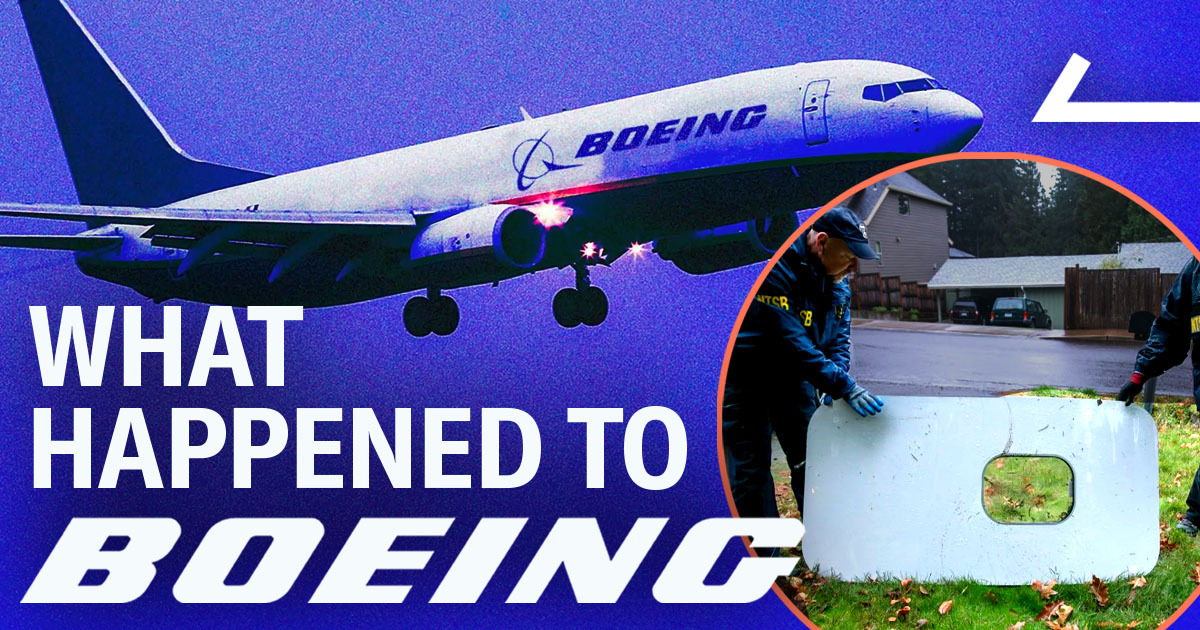
The most immediate answer to what is happening at Boeing is a catastrophic drain on cash flow. Historically, Boeing operated on a high-margin model driven by the efficient delivery of commercial aircraft. Today, that engine is stuttering. Every safety incident—from the 737 MAX tragedies to the more recent door-plug blowout—carries a direct and compounding financial penalty.
The Cost of Groundings and Settlements
The financial impact of the 737 MAX groundings remains one of the costliest episodes in corporate history. Beyond the immediate $20 billion in direct costs, Boeing has faced a relentless stream of legal settlements, victim compensation funds, and airline rebates. These are not just one-time hits; they represent a massive diversion of capital that could have been used for Research and Development (R&D). When a fleet is grounded, Boeing doesn’t just lose revenue; it incurs storage costs and “concession” payments to airlines that cannot fly the planes they purchased. This has created a liability tail that continues to wag the dog of Boeing’s quarterly earnings.
Cash Burn and Liquidity Pressures
Perhaps the most alarming metric for investors is Boeing’s free cash flow. In the aerospace industry, cash is king because the lead times for manufacturing are so long. Currently, Boeing is burning through billions of dollars as it slows down production lines to address FAA-mandated quality controls. When production slows, the “advances” (payments made by airlines during the build process) dry up. This has forced Boeing to tap into credit lines and issue new debt just to maintain daily operations. For a company that once boasted a fortress-like balance sheet, the transition to a high-burn environment has put its investment-grade credit rating at significant risk.
The Duopoly Dilemma: Market Share and Competitive Erosion
Boeing operates in a global duopoly with Airbus. For years, the two giants split the market roughly 50/50. However, the financial narrative has shifted as Airbus has begun to seize a dominant lead, particularly in the lucrative narrow-body market.
Airbus Pulling Ahead in the Narrow-Body Race
The narrow-body segment (single-aisle planes like the 737 and A320) is the bread and butter of the aviation industry. Because of Boeing’s production pauses and regulatory scrutiny, Airbus has been able to capture a larger share of the “backlog”—the list of planes ordered but not yet built. Financially, a backlog is an asset, but it is only valuable if it can be converted into deliveries. While Airbus is ramping up production of its A321neo, Boeing is capped by the FAA, preventing it from increasing output until quality milestones are met. This bottleneck is a direct transfer of future wealth from Boeing to its European rival.
The Erosion of the Order Backlog
Investors look at the “book-to-bill” ratio to judge a company’s health. When airlines start canceling orders or switching to competitors—as some major carriers have threatened or begun to do—it signals a long-term decline in projected revenue. Furthermore, Boeing’s pricing power has been compromised. To keep frustrated customers from jumping ship to Airbus, Boeing often has to offer deep discounts or favorable financing terms, which further squeezes the profit margins on every plane eventually delivered. The financial “moat” that Boeing once enjoyed is being filled by the rising tide of its competitor’s efficiency.
Defense and Space: A Buffering Asset or a Financial Burden?
Traditionally, Boeing’s Defense, Space & Security (BDS) unit acted as a hedge. When the commercial airline market was down, government contracts provided steady, reliable income. Recently, however, this segment has become a source of significant financial bleeding.
The Trap of Fixed-Price Contracts
A major factor in Boeing’s current financial distress is its reliance on fixed-price government contracts. In an era of high inflation and supply chain disruptions, these contracts have become “poison pills.” For projects like the new Air Force One (VC-25B) and the T-7A Red Hawk trainer jet, Boeing agreed to a set price years ago. As labor and material costs skyrocketed, Boeing was forced to absorb the overruns. In recent quarters, the Defense unit has reported billions in losses, turning what should be a stabilizing asset into a drain on the company’s consolidated earnings.
Starliner and the High Cost of Innovation
Boeing’s space division has also faced fiscal challenges. The CST-100 Starliner program, intended to compete with SpaceX, has been plagued by delays and technical setbacks. From a financial perspective, every delay represents “dead capital”—money invested that is not yet generating a return. While SpaceX has moved toward a more agile, cost-effective model, Boeing’s legacy processes have resulted in expensive rework. The opportunity cost here is massive; while Boeing focuses on fixing old projects, it is losing out on the burgeoning commercial space economy, which is projected to be a trillion-dollar market in the coming decades.
Investor Sentiment and the Path to Financial Recovery
The ultimate reflection of “what’s happening to Boeing” can be seen in its stock ticker. The company’s valuation has been decoupled from the broader market’s growth, reflecting a deep skepticism among institutional investors.
Debt Management and the “Junk” Status Threat
Boeing’s debt load has ballooned to over $50 billion. The primary concern for the Finance Department is the company’s credit rating. If Boeing’s debt is downgraded to “speculative” or “junk” status, its borrowing costs will spike. In a capital-intensive industry, higher interest rates on billions of dollars of debt can be the difference between a recovery and a death spiral. Management is currently walking a tightrope, trying to convince rating agencies that they can stabilize production and start paying down debt before a downgrade becomes inevitable.
Dividends, Buybacks, and Long-Term Value
For years, Boeing was a favorite of income-seeking investors because of its healthy dividends and aggressive share buybacks. Those days are gone. To preserve cash, Boeing suspended its dividend and halted buybacks. While this was a necessary move for survival, it changed the profile of the Boeing investor. The stock is no longer a “widow and orphan” safe bet; it has become a high-risk turnaround play. For the company to regain its financial footing, it must prove to the market that it has moved away from “financial engineering”—using cash to boost stock prices—and back toward “industrial engineering”—investing in the products that drive long-term cash flow.
Conclusion: The Long Road to Fiscal Stability
What is happening to Boeing is a painful lesson in the limits of corporate resilience. The company is currently paying the price for years of prioritizing short-term financial metrics over long-term operational integrity. The road back to financial health is clear but difficult: Boeing must satisfy regulators to lift production caps, renegotiate or complete money-losing defense contracts, and stabilize its supply chain to stop the cash bleed.
For the business-minded observer, Boeing remains a fascinating case study in crisis management and business finance. It is a company with a massive moat and a vital role in global infrastructure, yet it is hamstrung by its own balance sheet. Whether Boeing can leverage its massive backlog and iconic brand to navigate out of this financial turbulence will be the defining business story of the decade. For now, the focus remains on liquidity, debt profiles, and the slow, expensive process of rebuilding a reputation for excellence—one aircraft at be a time.
aViewFromTheCave is a participant in the Amazon Services LLC Associates Program, an affiliate advertising program designed to provide a means for sites to earn advertising fees by advertising and linking to Amazon.com. Amazon, the Amazon logo, AmazonSupply, and the AmazonSupply logo are trademarks of Amazon.com, Inc. or its affiliates. As an Amazon Associate we earn affiliate commissions from qualifying purchases.