
In the contemporary digital landscape, a brand’s presence is often defined by its visibility at the exact moment a consumer expresses a need. Historically known as Google AdWords and rebranded in 2018 as Google Ads, this platform represents the most sophisticated auction-based advertising system in the world. For a brand, understanding what AdWords is—and more importantly, how it functions as a strategic marketing tool—is no longer optional; it is a foundational requirement for corporate growth and market positioning.
At its core, Google AdWords is a pay-per-click (PPC) advertising solution that allows businesses to display their brand to users who are actively searching for specific products, services, or information. By leveraging the immense reach of the Google Search Network, the Display Network, and YouTube, the platform transforms the way brands interact with their target audiences, moving from the “interruption” model of traditional advertising to a “solution-oriented” model of modern digital strategy.

From Keywords to Customer Journeys: The Evolution of Google’s Advertising Powerhouse
The transition from the name “Google AdWords” to “Google Ads” was far more than a cosmetic update; it reflected a fundamental shift in how brands must approach their digital identity. When the platform launched in 2000, it was centered almost exclusively on text-based ads linked to specific keywords. Today, the platform encompasses an entire ecosystem of touchpoints that follow a customer from the initial discovery phase to the final purchase decision.
The 2018 Rebrand and Its Strategic Implications
The decision to drop “Words” from the name signaled Google’s acknowledgment that branding is now a multi-modal experience. Modern brands utilize image-heavy display ads, immersive video content on YouTube, and interactive shopping listings. For a corporate strategy, this means that the “what” of Google AdWords is now a comprehensive suite of tools designed to manage brand perception across the entire web. It is a portal through which a brand can manage its voice, its visual identity, and its competitive stance in real-time.
Why Modern Brands Can No Longer Ignore Paid Search
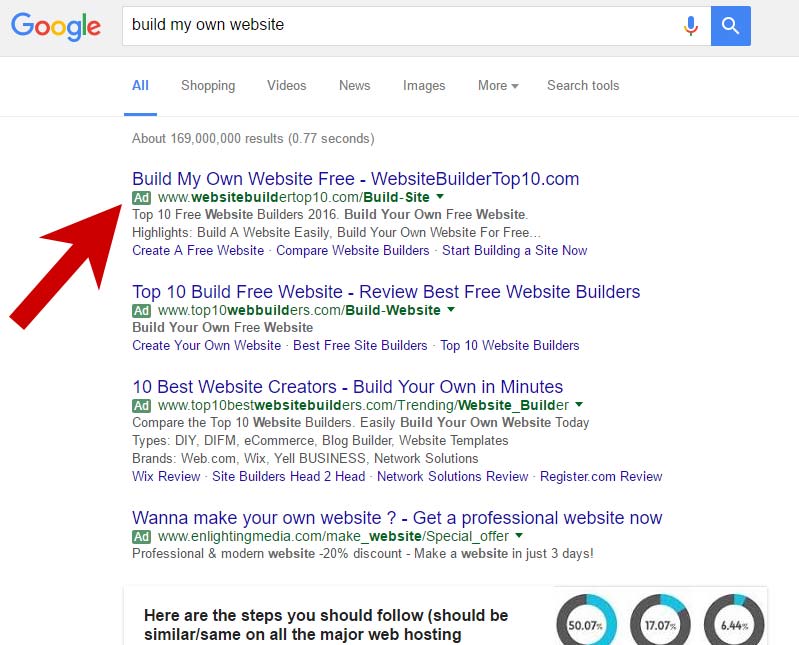
In an era where organic search results are increasingly crowded by map listings, snippets, and “People Also Ask” boxes, the top of the search engine results page (SERP) is dominated by paid placements. For a new brand, AdWords is the most efficient way to bypass the long lead times of search engine optimization (SEO) and achieve immediate “shelf space.” For established brands, it serves as a defensive strategy to protect their intellectual property and brand name from competitors who might bid on their proprietary keywords.
The Mechanics of Brand Visibility: How the Auction Works
To understand what Google AdWords is, one must understand the “Auction.” Unlike a traditional auction where the highest bidder always wins, Google’s system is designed to reward quality and relevance. This is a critical distinction for brand managers who may not have the largest budgets but possess the most relevant message for their audience.
Quality Score: The Equalizer for Growing Brands
The Quality Score is a diagnostic tool that measures how well an ad meets the needs of a user. It is calculated based on the expected click-through rate (CTR), ad relevance, and the landing page experience. For a brand, a high Quality Score is a competitive advantage. It means the brand can achieve a higher position on the page for a lower cost than a competitor with a poor-quality ad. This emphasizes the importance of brand consistency—ensuring that the promise made in the ad is fulfilled by the experience on the brand’s website.
Ad Rank and the Science of Positioning
Ad Rank determines where an ad appears on the page. It is a mathematical combination of the bid amount, the Quality Score, and the expected impact of ad extensions (such as phone numbers or additional site links). From a brand strategy perspective, being “at the top” is not just about traffic; it is about authority. Consumers often subconsciously associate the top-ranked results with industry leadership. Therefore, mastering the mechanics of Ad Rank is essential for any brand that wishes to be perceived as a market leader.
Mapping Brand Intent: The Psychology of Keyword Strategy

Keywords are the bridge between a consumer’s problem and a brand’s solution. In the context of Google AdWords, keywords are not just strings of text; they are expressions of human intent. A sophisticated brand strategy involves mapping these keywords to the various stages of the buyer’s journey.
Navigating High-Intent vs. Awareness Keywords
A brand must balance its budget between “bottom-of-funnel” keywords, which indicate a high intent to purchase (e.g., “buy sustainable office furniture”), and “top-of-funnel” keywords, which indicate general interest (e.g., “how to design a modern office”). The former drives immediate revenue and ROI, while the latter builds brand awareness and introduces the brand to potential customers before they have even decided to buy. A holistic marketing approach uses AdWords to capture both, ensuring a steady stream of new prospects while converting current demand.
Negative Keywords and Protecting Brand Reputation
An often-overlooked aspect of brand strategy within AdWords is the use of negative keywords. These are terms for which a brand does not want its ads to show. For example, a luxury watch brand would likely add “cheap” or “imitation” as negative keywords. This ensures that the brand’s identity is not diluted by association with low-value or irrelevant searches. By curating where a brand doesn’t appear, marketers can maintain a premium brand image and ensure that their marketing spend is directed toward the most qualified audience.
Expanding Beyond the Text: Visual Identity on the Display Network
While the Search Network is about answering questions, the Google Display Network (GDN) is about creating demand. This is where Google AdWords becomes a visual branding tool. Reaching over 90% of internet users worldwide, the GDN allows brands to place banner ads and rich media content on millions of websites, news pages, and blogs.
The Power of the Google Display Network (GDN)
The GDN is the primary tool for building “brand salience”—the degree to which a brand comes to mind in a buying situation. Through sophisticated targeting—based on demographics, interests, and past browsing behavior—brands can ensure their visual assets are seen by the right people even when they aren’t actively searching. This constant visual reinforcement is essential for building trust and recognition over time.
YouTube Advertising: Storytelling at Scale
As a part of the Google Ads ecosystem, YouTube offers brands a way to utilize sight, sound, and motion. Video ads can range from six-second “Bumper” ads that drive reach to longer-form “TrueView” ads that allow for deep storytelling. In terms of corporate identity, YouTube is the digital equivalent of television advertising, but with the added benefit of precise data tracking and audience segmenting. It allows brands to tell their story to a captivated audience, fostering an emotional connection that text ads cannot achieve.
Conversion and Attribution: Measuring the True Impact on Brand Equity
The ultimate value of Google AdWords lies in its transparency. Unlike traditional billboard or print advertising, every dollar spent on the platform can be tracked to a specific action. This data-driven approach allows brands to move away from vanity metrics and focus on what truly drives business growth.
Moving Beyond the Click
A click is merely the beginning. Through conversion tracking, brands can see what users do after they arrive at the website—whether they sign up for a newsletter, download a whitepaper, or complete a purchase. This allows marketing teams to refine their brand messaging based on what actually resonates with the audience. If a particular brand value proposition is leading to higher conversion rates, the company can integrate that messaging into its broader corporate identity.
The Long-Term Value of Brand Recognition via Paid Channels
One of the most profound impacts of Google AdWords is its influence on “Direct” and “Organic” traffic. Often, a user will see an ad, not click on it, but later search for the brand by name or go directly to the website. This “halo effect” is a testament to the power of paid visibility. By maintaining a consistent presence on the platform, a brand builds a reservoir of trust. When the time comes for the consumer to make a decision, the brand that has consistently appeared as a helpful, relevant solution is the one that wins the market share.
In conclusion, Google AdWords is far more than a tactical tool for generating traffic. It is a strategic platform that enables brands to manage their visibility, protect their reputation, and scale their growth with surgical precision. By mastering the nuances of the auction, the psychology of search intent, and the reach of the display and video networks, a brand can secure its place at the forefront of its industry, ensuring that it is not just seen, but remembered and chosen.
aViewFromTheCave is a participant in the Amazon Services LLC Associates Program, an affiliate advertising program designed to provide a means for sites to earn advertising fees by advertising and linking to Amazon.com. Amazon, the Amazon logo, AmazonSupply, and the AmazonSupply logo are trademarks of Amazon.com, Inc. or its affiliates. As an Amazon Associate we earn affiliate commissions from qualifying purchases.