
In the ongoing battle between humans and mosquitoes, the front lines have shifted from simple chemical repellents to sophisticated technological interventions. For decades, the advice on how to avoid these vectors was largely anecdotal or based on broad biological observations. However, recent breakthroughs in optical science, sensory engineering, and data-driven research have provided a definitive answer to a foundational question: What color attracts mosquitoes? Understanding the chromatic preferences of these insects is no longer just a matter of choosing the right shirt for a hike; it is a critical component in the development of smart traps, wearable tech, and large-scale vector control systems.

By examining the intersection of entomology and spectral technology, we can see how specific wavelengths of light trigger hunting behaviors in mosquitoes. This data is currently being leveraged by tech companies to revolutionize how we protect public health and optimize outdoor environments.
The Physics of Attraction: Why Wavelengths Matter
To understand why mosquitoes are attracted to certain colors, we must first look at their visual processing hardware. Mosquitoes do not see the world the same way humans do. Their compound eyes are tuned to detect movement and specific spectral signatures that signify a potential meal. Research, most notably from teams at the University of Washington, has utilized high-tech tracking systems to observe how mosquitoes respond to visual stimuli in the presence of carbon dioxide (CO2).
Decoding the Visual Spectrum of Aedes aegypti
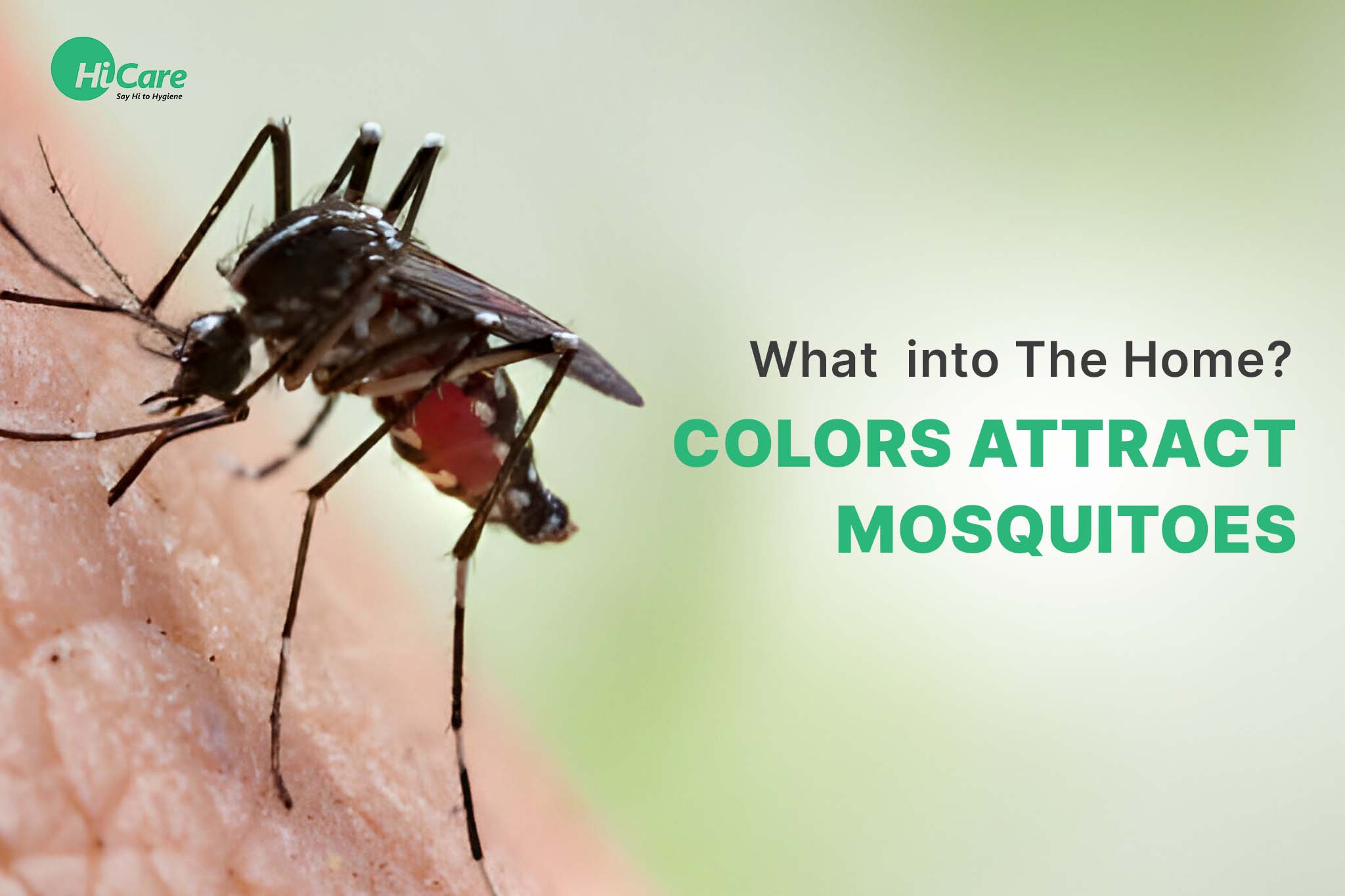
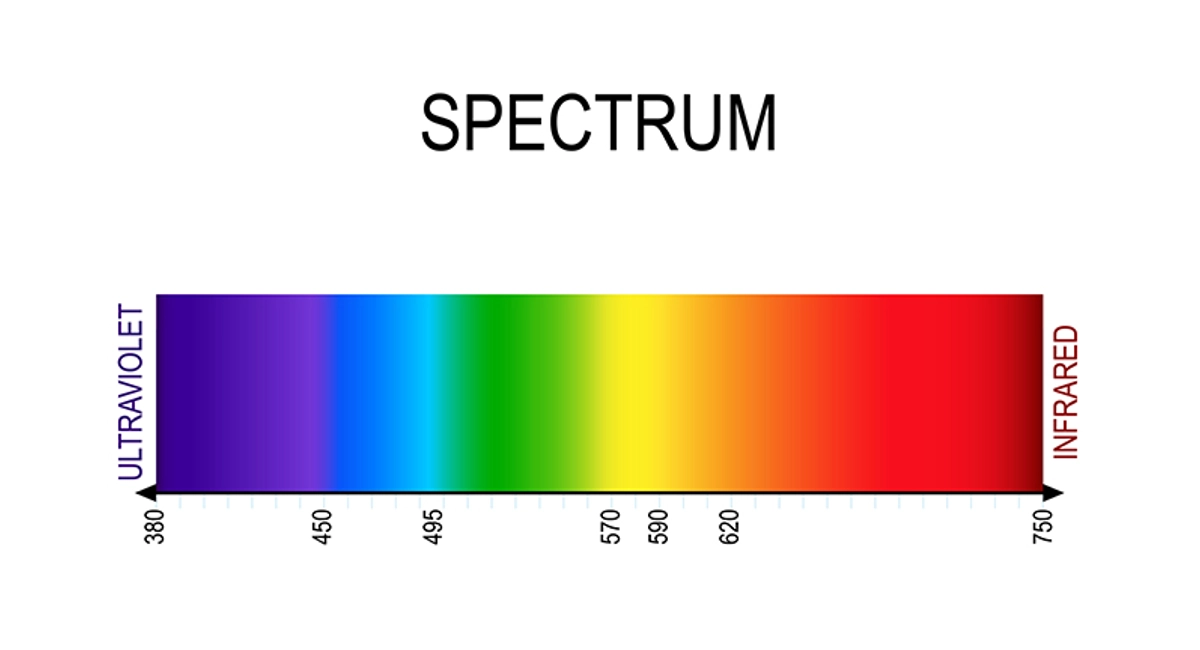
When a mosquito detects a “pulse” of CO2—the primary indicator of a living host—it activates its visual search mode. Technology-aided observations have shown that mosquitoes are disproportionately attracted to longer wavelengths of light. Specifically, colors like red, orange, black, and cyan act as beacons. In the human eye, these colors are distinct, but to a mosquito, they represent high-contrast targets against the background.
The preference for red and orange is particularly significant because human skin, regardless of pigmentation, radiates a strong signal in the red-orange spectrum. This evolutionary “hard-wiring” allows the mosquito to filter out the noise of green foliage and blue skies to hone in on a biological target. Engineers are now using this “spectral fingerprinting” to design materials and environments that actively disrupt this visual lock-on.
Carbon Dioxide vs. Color: The Multi-Sensory Approach
The attraction is not purely visual; it is a multi-modal technological process within the mosquito’s brain. Advanced imaging has shown that the mosquito’s visual system is dormant until it detects a chemical signature. Once CO2 is present, the insect’s “tracking software” prioritizes high-contrast, long-wavelength objects.
This discovery has massive implications for the tech industry. It means that “passive” protection (like wearing certain colors) is only effective when integrated into a larger strategy that accounts for the chemical and thermal signatures humans emit. Modern software simulations now allow researchers to model these multi-sensory interactions to predict how different color configurations will perform in real-world scenarios.
Smart Traps and the Evolution of Optical Baiting Technology
The hardware used to combat mosquito populations has evolved far beyond the traditional “bug zapper.” Those older devices used broad-spectrum ultraviolet (UV) light, which often killed beneficial insects while ignoring mosquitoes. Today’s smart traps utilize precision optics and targeted wavelengths to achieve high-specificity capture.
UV Light vs. Specific Pigments: What the Data Says
Modern entomological tech now focuses on “targeted attraction.” Instead of using a one-size-fits-all light source, smart traps employ LED arrays calibrated to the exact wavelengths mosquitoes find irresistible. By combining these LEDs with heat signatures and synthetic “human scent” chemicals, these devices act as high-fidelity lures.
Furthermore, the physical design of these traps incorporates the “color attraction” data. The housing of these devices is often finished in matte black or deep red—colors that the data shows have the highest attraction rates once the insect is in the vicinity. This is a classic example of using the enemy’s own “coding” against them, utilizing the physics of light to increase the efficiency of mechanical capture systems.
AI-Integrated Monitoring Systems
Beyond simple traps, the integration of Artificial Intelligence (AI) and Machine Learning (ML) is transforming vector control. New digital monitoring stations use high-speed cameras and infrared sensors to identify insects in flight. By analyzing the wing-beat frequency and the “spectral silhouette” of an insect, these AI systems can distinguish a malaria-carrying Anopheles mosquito from a harmless midge.
This data is then uploaded to a cloud-based network, allowing municipal authorities to see real-time “heat maps” of mosquito activity. If a particular area shows a spike in activity, the system can analyze whether environmental factors—such as the color of infrastructure or the type of street lighting—are contributing to the infestation. This shift from reactive to proactive pest management is entirely dependent on our digital understanding of insect behavior.
Wearable Tech and Smart Fabrics: Engineering Out the Signal
The textile industry is undergoing a digital and chemical revolution to create “stealth” clothing. If we know that mosquitoes are attracted to red and black, can we engineer fabrics that visually “cloak” the wearer?
Spectral Disruption in Performance Wear
High-tech performance wear is now being designed with “spectral disruption” patterns. Much like military “dazzle” camouflage, these patterns use color theory to break up the human silhouette in the mosquito’s visual field. By utilizing colors that mosquitoes naturally avoid—such as white, green, and blue—and combining them with patterns that mimic the background noise of an environment, engineers are creating clothing that makes the wearer digitally invisible to the mosquito’s sensors.
Some companies are taking this a step further by integrating nanotechnology directly into the fibers. These nano-coatings can absorb or reflect specific wavelengths, effectively altering the “visual heat signature” of the person wearing them. This is a far cry from the heavy, permethrin-soaked gear of the past; it is precision engineering applied to everyday apparel.
The Future of Nanotechnology in Mosquito Repellency
Looking ahead, the next frontier in wearable tech is the development of “active” repellent systems. Imagine a garment embedded with micro-sensors that detect the chemical signature of an approaching mosquito. Upon detection, the fabric could release a micro-dose of repellent or pulse a specific light frequency to disrupt the insect’s navigation.
While still in the prototyping phase, these technologies rely on the fundamental data regarding color attraction. If the garment knows that a mosquito is locked onto a specific “red” signal from the wearer’s skin, it can deploy targeted countermeasures to break that visual link.
Data-Driven Strategies for Large-Scale Vector Control
On a macro level, the understanding of color attraction is being integrated into urban planning and global health initiatives. This is where big data and satellite technology come into play.
Remote Sensing and Satellite Imagery
Global health organizations are now using remote sensing technology to identify mosquito breeding grounds from space. By analyzing the spectral data of various landscapes, AI algorithms can predict where mosquito populations will thrive. They look for specific “color signatures” of stagnant water and dense vegetation that provide the perfect contrast for mosquito visual systems.
This high-level data allows for the targeted deployment of resources. Instead of spraying an entire city with pesticides, tech-enabled teams can focus on specific “hot spots” identified through spectral analysis. This reduces the environmental impact and increases the efficacy of the intervention.
IoT Networks in Urban Planning
The Internet of Things (IoT) is also playing a role in creating mosquito-resistant smart cities. Imagine streetlights that automatically shift their color temperature during peak mosquito activity hours to a spectrum that is less attractive to insects. Or smart irrigation systems that use sensors to ensure water does not pool in areas where the surrounding architecture—perhaps painted in dark, attractive colors—would create a high-risk zone.
By integrating entomological data into the “digital twin” of a city, urban planners can make informed decisions about everything from the color of public transit vehicles to the types of LEDs used in park lighting. This holistic approach represents the pinnacle of how we can use our understanding of “what color attracts mosquitoes” to build a safer, more technologically integrated world.
Conclusion: The Convergence of Biology and Bitrate
The question of what color attracts mosquitoes has moved from the realm of basic biology into the center of a sophisticated technological ecosystem. By identifying that mosquitoes are hard-coded to seek out long-wavelength colors like red and black, we have unlocked a key vulnerability in their hunting strategy.
From AI-powered traps that use precision light-baiting to smart fabrics that disrupt an insect’s visual sensors, technology is providing us with tools that were once the stuff of science fiction. As we continue to refine our ability to manipulate the visual spectrum and integrate that knowledge into our digital infrastructure, we move closer to a world where the threat of mosquito-borne illness can be managed with the click of a button or the update of a software algorithm. The future of pest control is not just chemical; it is optical, digital, and data-driven.
aViewFromTheCave is a participant in the Amazon Services LLC Associates Program, an affiliate advertising program designed to provide a means for sites to earn advertising fees by advertising and linking to Amazon.com. Amazon, the Amazon logo, AmazonSupply, and the AmazonSupply logo are trademarks of Amazon.com, Inc. or its affiliates. As an Amazon Associate we earn affiliate commissions from qualifying purchases.